Roof flashings explained: which details does your roof need?

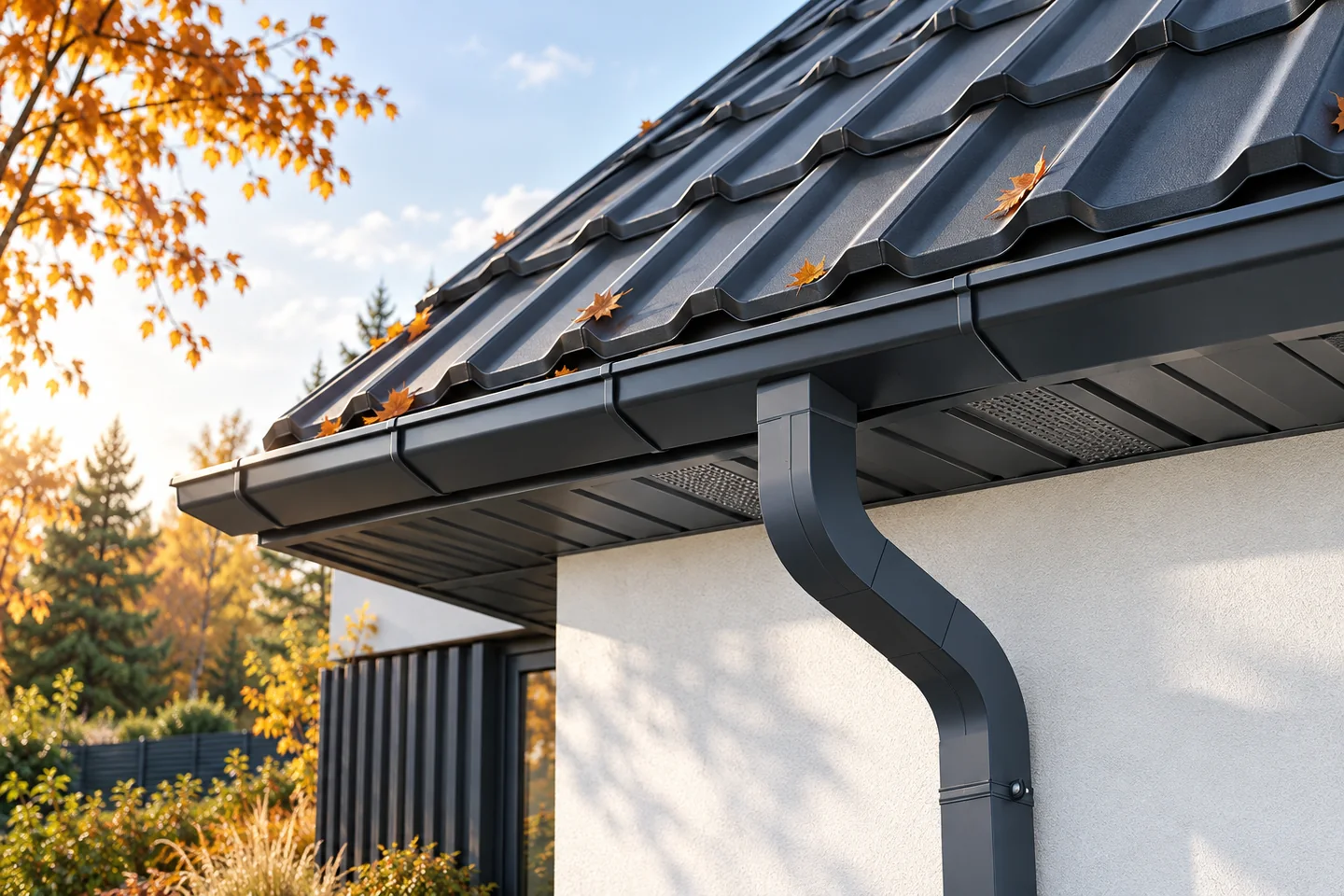
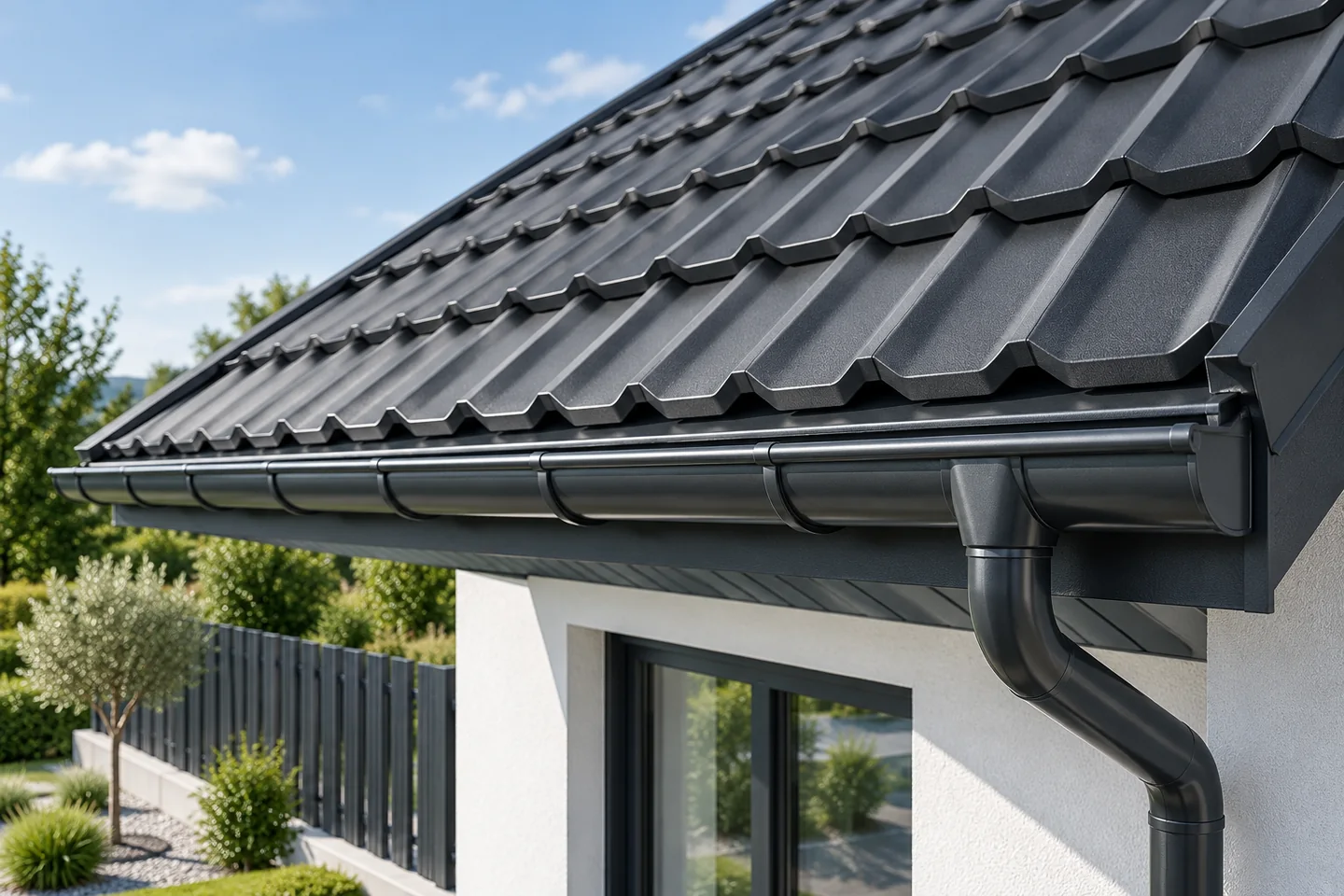
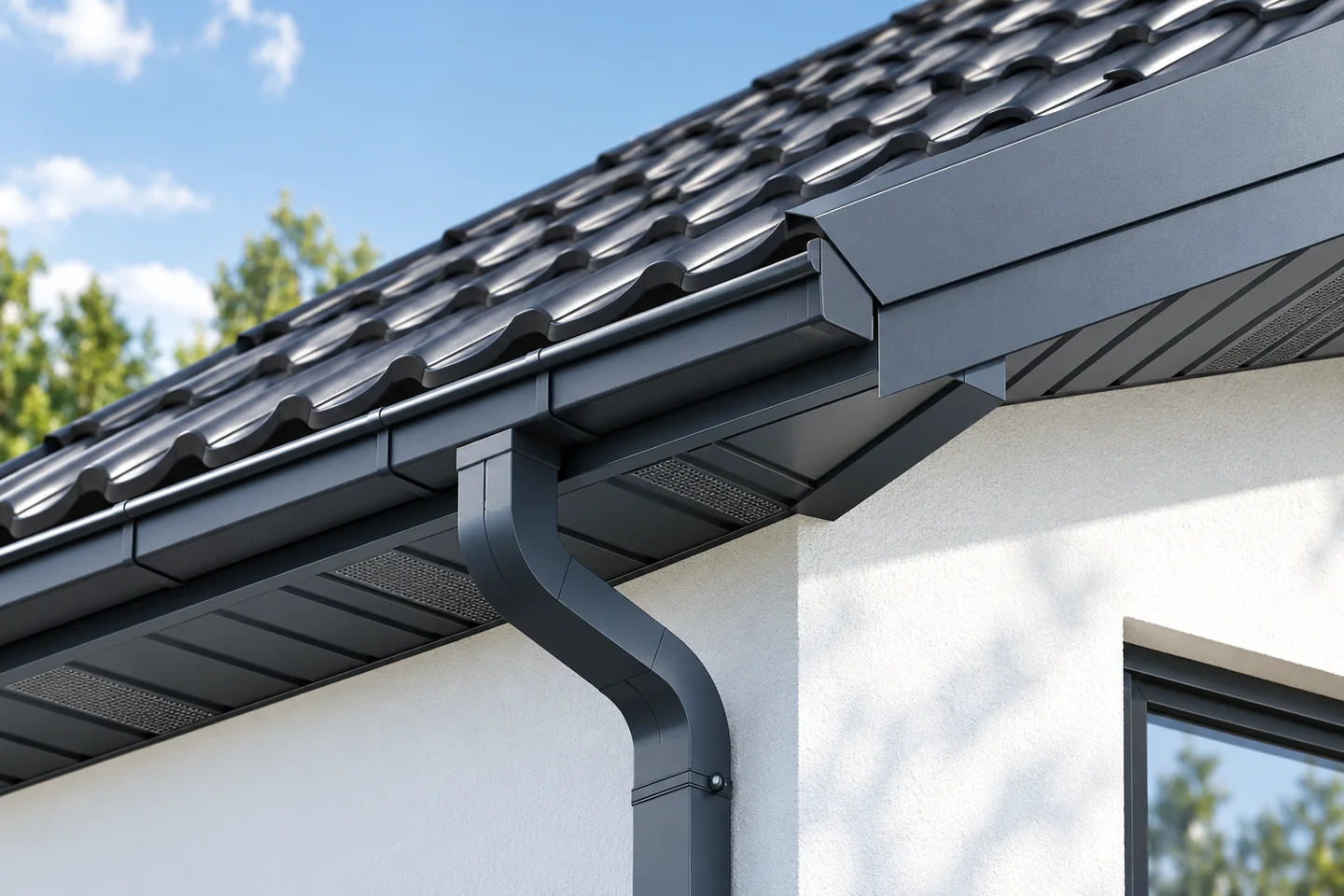
Metal flashings direct water away from vulnerable junctions and close the edges of the roof covering. Readers should check that each element — eaves strip, barge board, ridge cap, valley and chimney flashing — has the correct shape, lap and fixing, rather than relying on sealant alone. Watertightness depends on the detail, so the flashing set must be prepared together with the roof covering and ventilation plan. It is also worth determining where airflow should be left open and where water must drain freely.

2026-11-14T21:01:39+01:00

When is the extra cost of a mansard roof worthwhile?

A mansard roof is worth considering when the extra attic space is genuinely needed, not when the simplest and cheapest construction is the only priority. Before deciding, check how much room the chosen geometry provides after insulation is installed, how the slope break, flashings and insulation continuity are resolved, and whether the gentler upper section meets the requirements of the selected covering. It is also worth assessing the extent of details around dormers and valleys and comparing quotes that cover the same scope of work.

2026-11-15T00:57:25+01:00

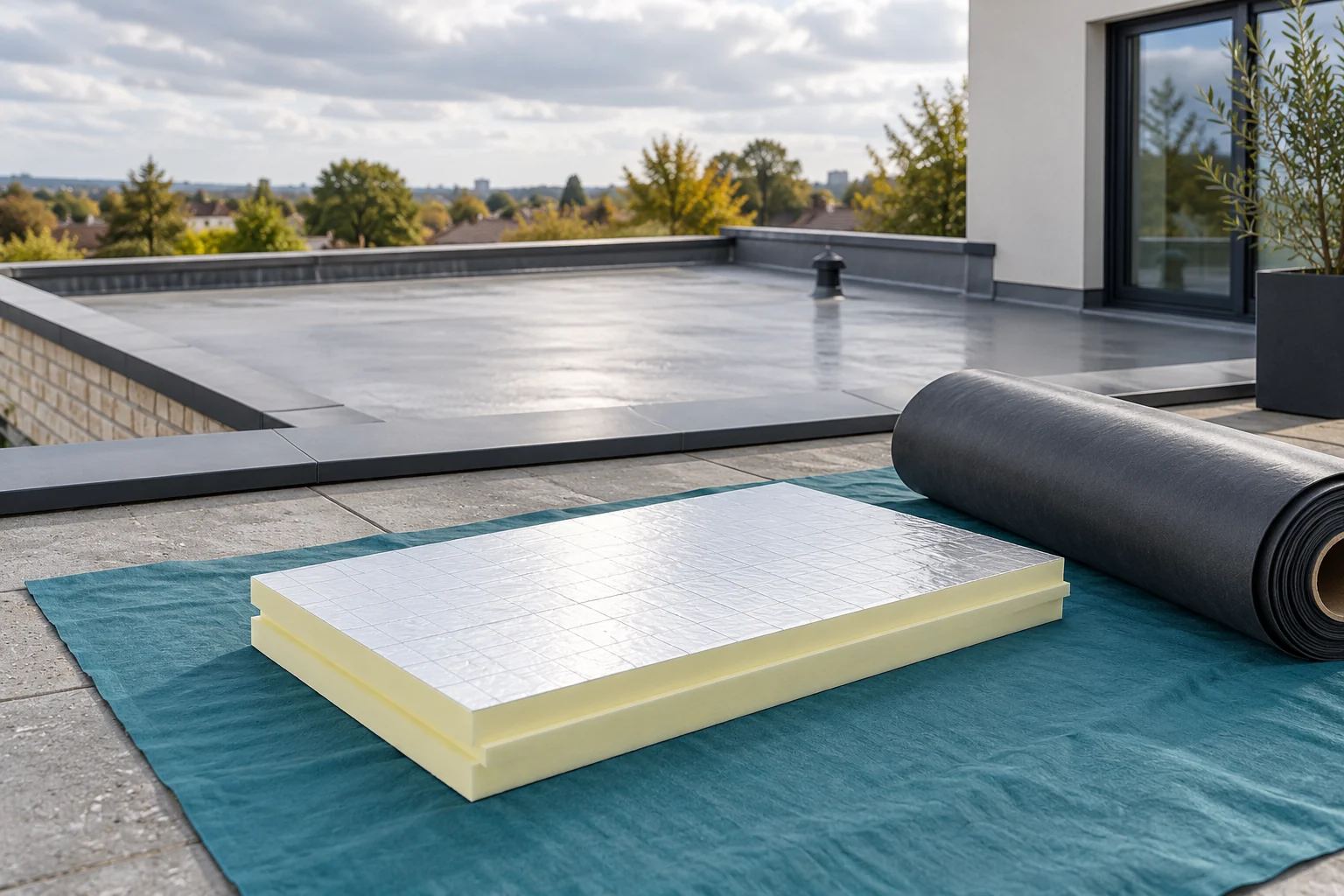
PIR or XPS for a flat roof: what determines the choice during renovation?

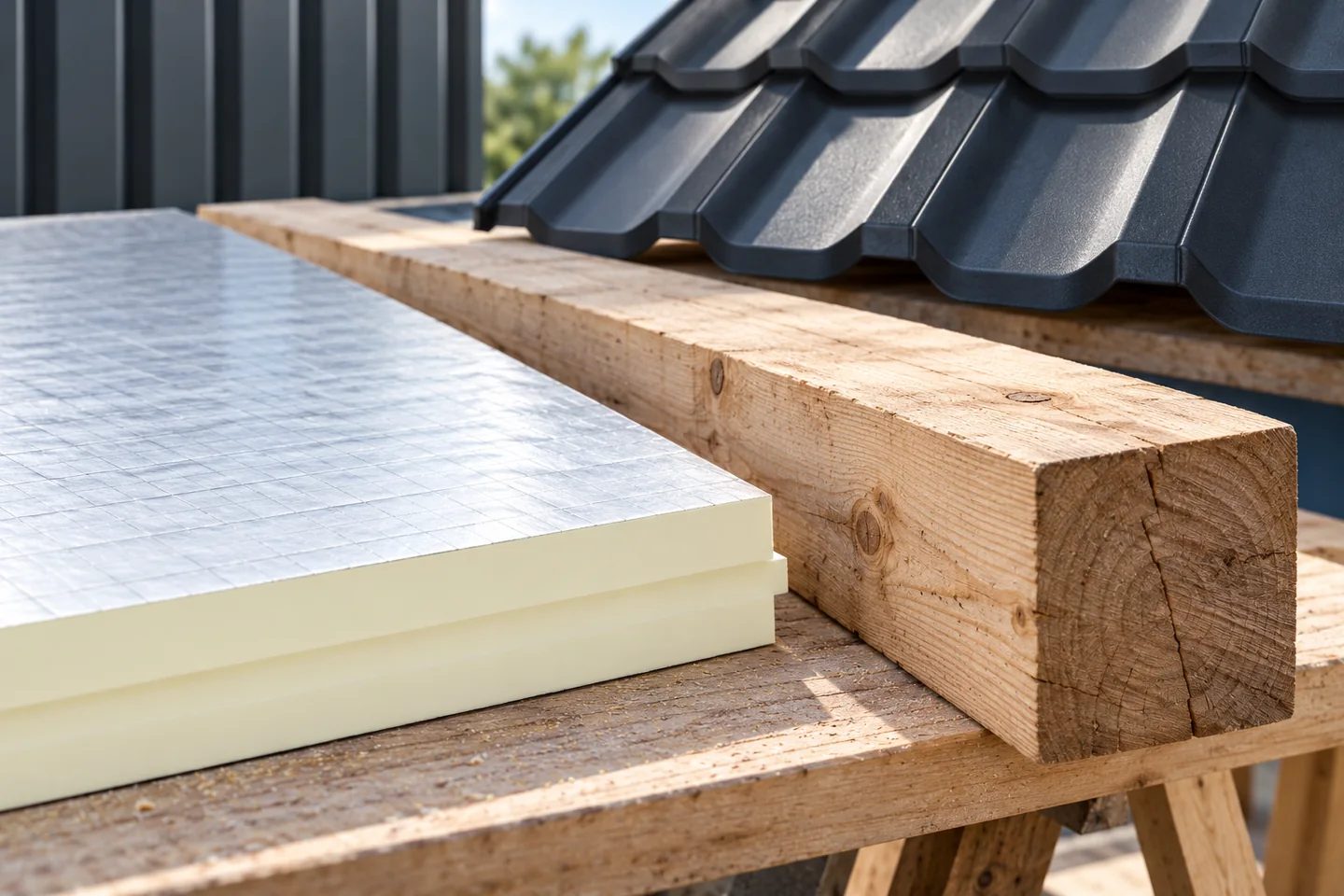
On a flat roof, the layer build-up is chosen first, and only then the specific insulation. PIR under the waterproofing and XPS in an inverted roof perform under different conditions. Comparing price or lambda alone overlooks this difference. During renovation, the condition of the old roof, the height of the outlets and the feasibility of the details are equally important. In a traditional roof build-up, the thermal insulation sits beneath the water-protecting layer. Suitable PIR boards are used in such systems with a membrane or roofing felt. The facing, the method of fixing and the remaining layers must be matched to the overall solution.

2026-11-14T11:12:51+01:00

Why consider a metal covering for your roof?

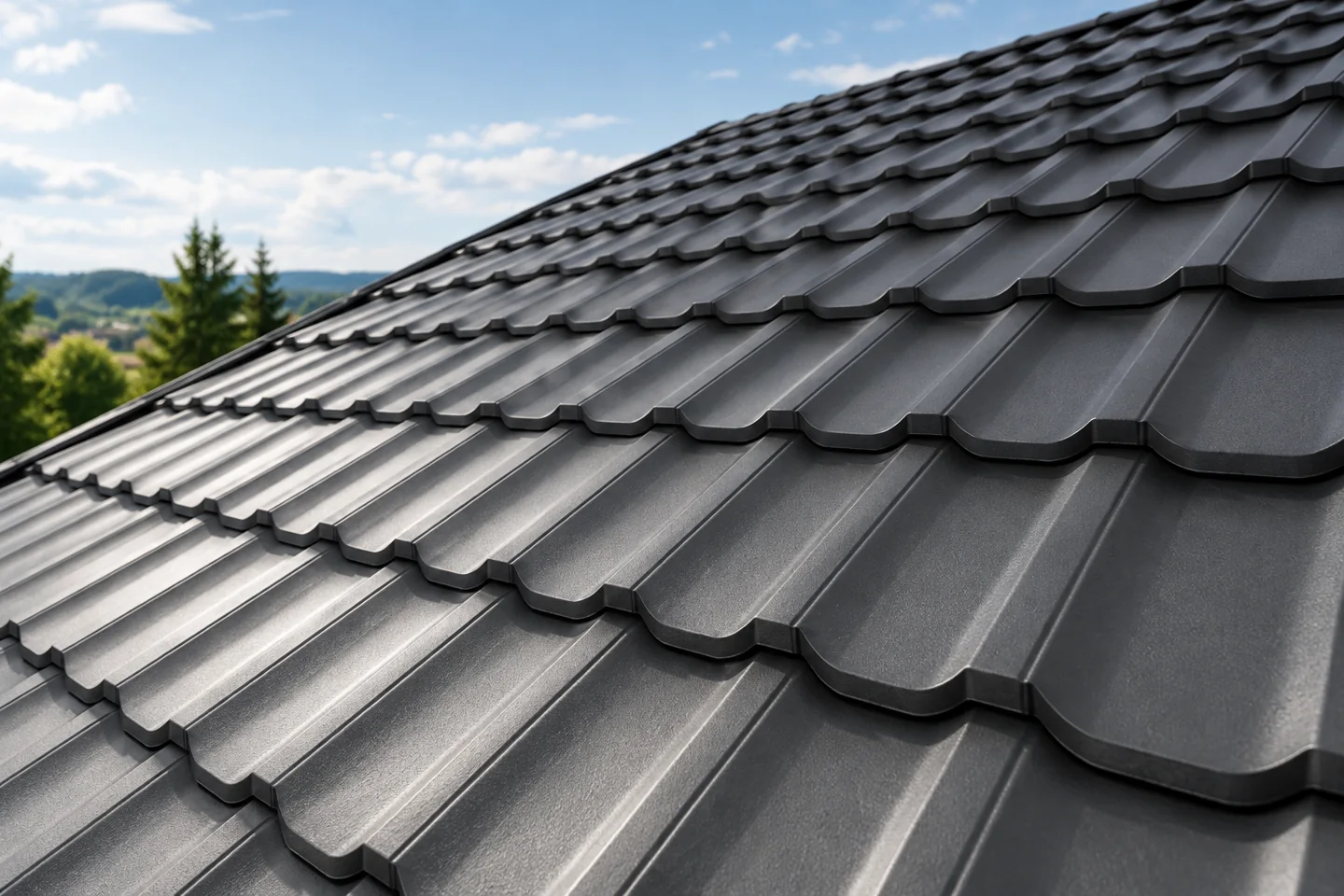
In Poland, metal roof covering is worth considering primarily because of its low weight, wide choice of profiles and adaptability to different buildings. It is not, however, a single product with fixed parameters: T18, T35, metal roof tiles and sandwich panels serve different functions. Before choosing, check which layers make up the complete roof assembly, whether the structure can carry loads from snow, wind and planned equipment, and what minimum pitch applies to the specific product. The weight of the sheet alone does not describe the assembly or confirm the good condition of an old roof truss.

2026-11-14T17:32:30+01:00

How to insulate around a wall plate and limit thermal bridging

The wall plate is where the roof, wall and multiple building layers meet, so it demands care. Insulating only between the rafters is often insufficient, as heat can pass through the assembly when layers are not properly connected. Ensure continuity of insulation around the wall plate, correct fit of components and an unobstructed ventilation inlet. A thermal bridge and an air leak are separate issues – thick insulation will not close an open gap. A good detail combines thermal and structural requirements.

2026-11-15T00:56:34+01:00

The elements of a complete roof and how to budget for them

In Poland, a complete roof means not just the covering but the whole arrangement of layers and details, the number of which depends on the design. Before buying, check whether you are comparing the covering alone or the entire assembly, including insulation and the initial weatherproof layer. Establish the area, material variants and flashing lengths, and count the gutters as a full system. Remember roof access equipment and accessories that must be fitted earlier. Such an itemised list lets you plan expenditure reliably and avoid omitting important elements.

2026-11-14T17:30:38+01:00

When and how to maintain a sheet metal roof

Plan tin roof maintenance according to the covering instructions and warranty terms, not a single date for every roof. Check the building surroundings: leaves and needles from trees, deposits from a chimney, road or industrial plant can accelerate soiling. It is worth linking inspections to winter preparation and the post-winter assessment, with an extra check after a gale, heavy hail or installation work. From a safe place, inspect the eaves line, ridge and flashings, and from inside the accessible attic. Look for loose elements, new stains and damp insulation before a leak appears.

2026-11-14T21:02:44+01:00

Why sheet metal roofing can suit an energy-efficient home

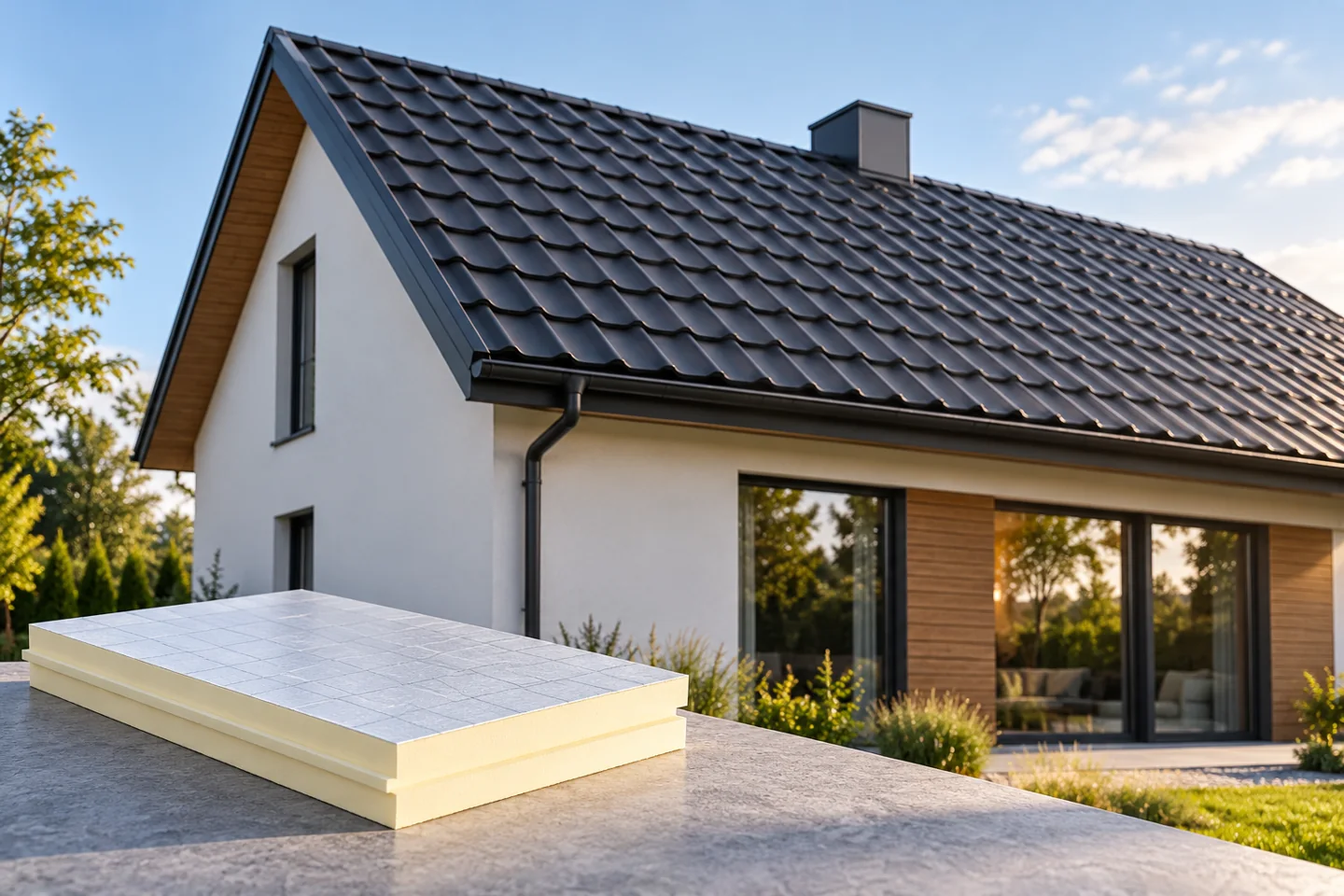
In Poland, a sheet metal roof covering can work well as part of an energy-efficient home, but on its own it does not guarantee low energy use. The overall roof assembly determines the outcome, so readers should check the properties and continuity of the insulation layer, airtightness and the avoidance of thermal bridges. The metal sheet itself is a thin covering and does not provide insulation, so the roof’s heat transfer value must be calculated for the whole assembly, including structure, gaps and joints. The choice of insulation material should be linked to the building design, not the name of the covering.

2026-11-14T17:31:31+01:00

How to plan each stage of a roof covering replacement

Start by checking the structure and deciding what needs repairing before you think about the material. Look at the roof from outside and, where possible, at its framework in the attic. Search for signs of water ingress, sagging, damaged timber and worn connections. A new top layer will not remove old faults. If load-bearing capacity is uncertain, ask a structural engineer for an opinion. Where asbestos is suspected, identify what will be removed.

2026-11-14T21:02:03+01:00

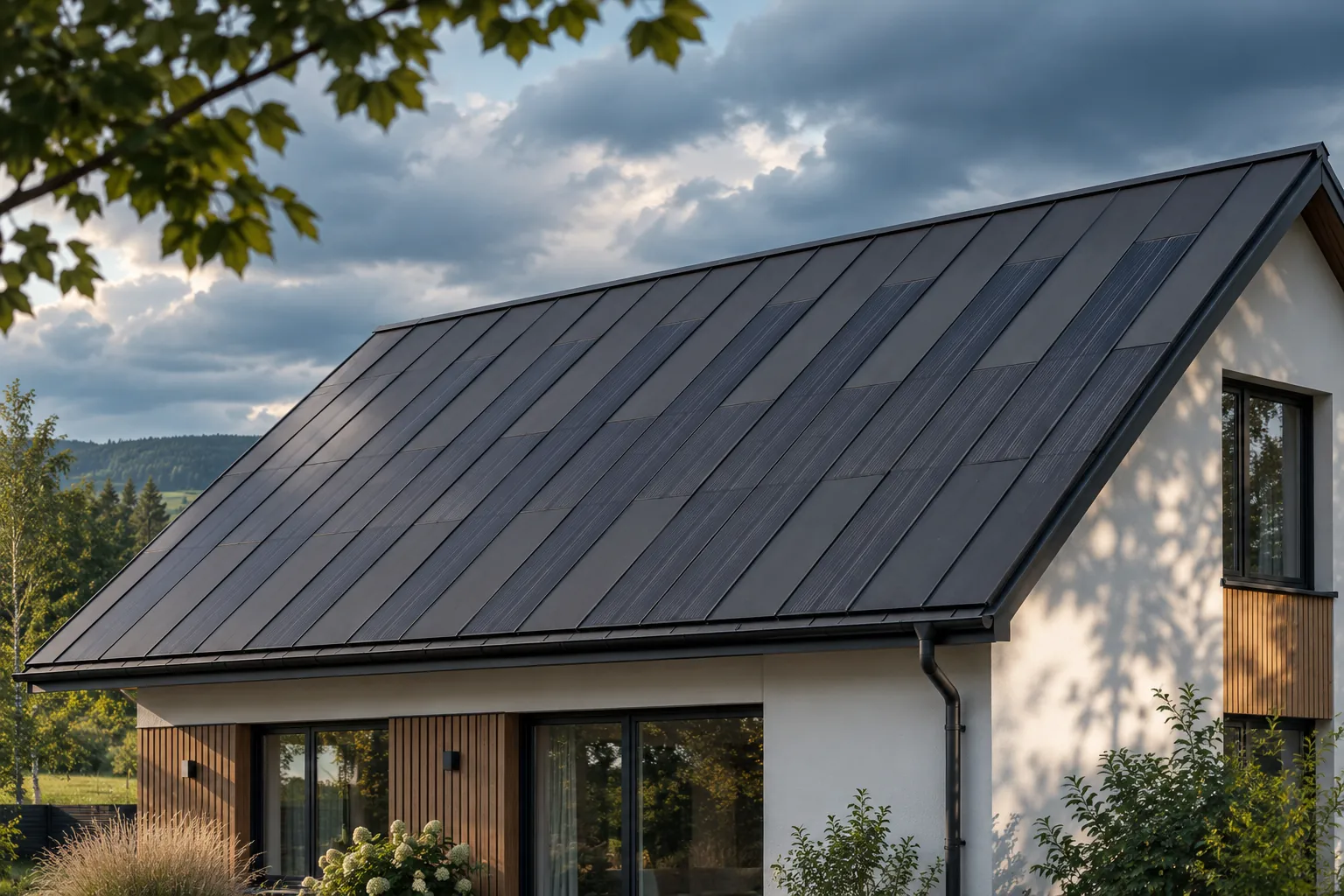
Checking a photovoltaic roof after a severe storm

After a storm, it is worth distinguishing ordinary observation from a specialist inspection. People's safety and protection of the building come first. Only then should you gather information about the condition of the covering and the operation of the installation. On an integrated roof, damage may affect the building part, the electrical part, or both at once. The absence of an alarm in the app does not confirm the condition of all flashings, and lower production does not always mean damaged cells. Inspect the building from a safe place on the ground. Look out for displaced components, damaged gutters and objects lying on the roof. Inside, check for any traces of water. Do not walk on a wet roof surface and do not go near damaged cables.

2026-11-15T20:22:30+01:00
Back to top