






Blog
The Izoprofil.net blog answers practical questions about renovation, extensions and the sequence of work. Find out where to start looking for a leak, when to order roofing sheets, how to prepare a delivery area and what to establish before installing insulation. The articles cover measurements, the condition of existing components and order details for roofing, sandwich panels and PIR insulation. They explain which information to collect and when an on-site assessment by a professional is needed. Choose the article that matches the current task so you can prepare a more accurate materials enquiry and reduce rework.
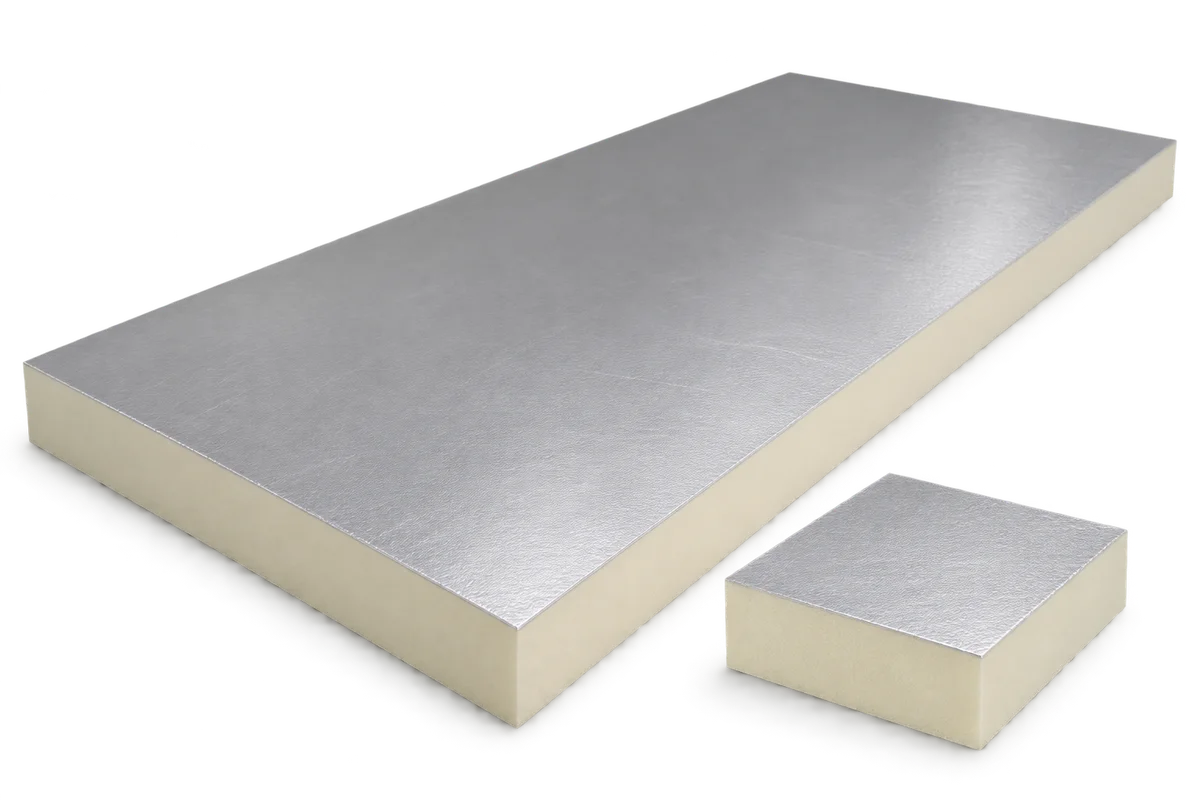
A cold patch beside a duct in a PIR roof: what to check before repairs
A ceiling stain beside a ventilation duct does not reveal whether the roof leaks, moisture is condensing or insulation is missing around the penetration. Before ordering more PIR, note when the mark appears and what lies immediately above it. Gather interior photographs, the duct route and available roof drawings. That way the roofer and ventilation installer can investigate the same point instead of two different positions on opposite sides of the roof. What needs repairing depends on the cause.
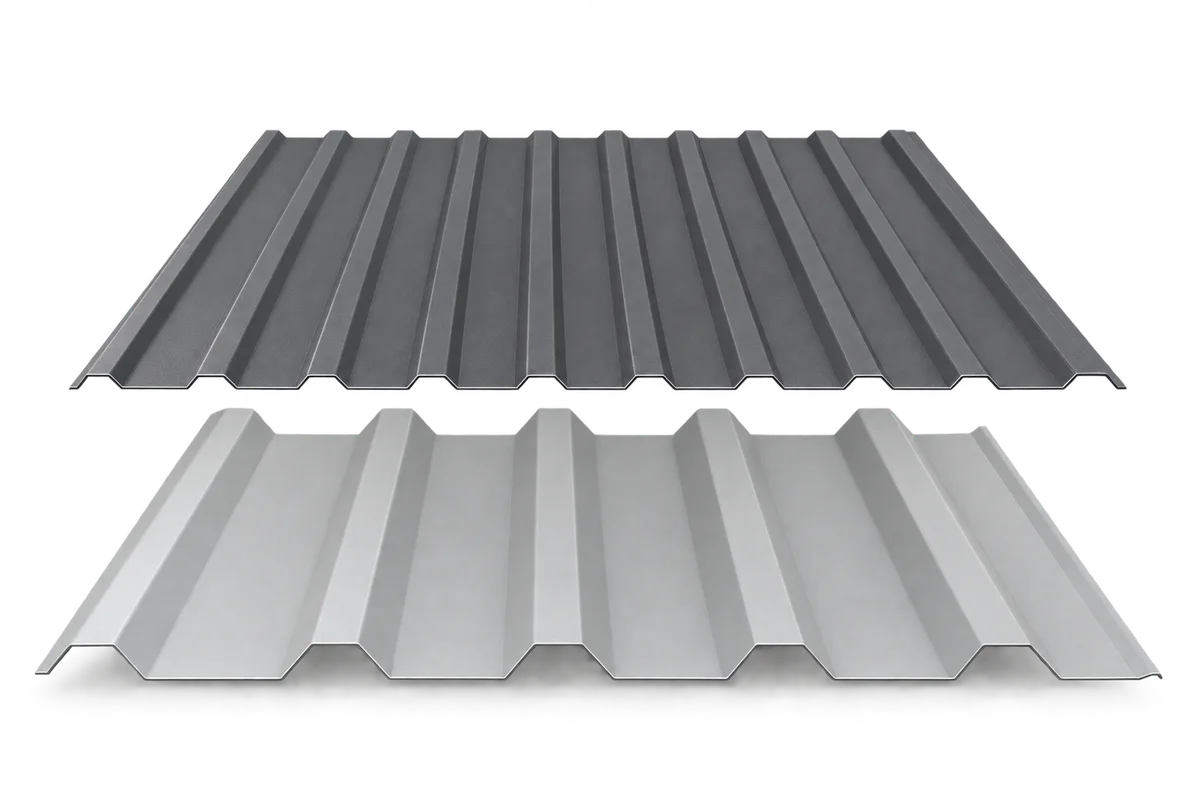
Water under trapezoidal roof sheets: a leak or condensation?
Water can appear on the underside of trapezoidal sheets after a dry night. Before arranging to replace the sheets, note the weather, the time and the pattern of wet patches. Does the water appear around one roof penetration or over a broad area of cold metal? The first pattern can suggest a leak and the second condensation. Neither observation alone settles the cause. A roof section drawing and details of heating and ventilation will help a roofer trace the water and establish whether the repair concerns the covering or the layers beneath it.
Replacing windows before insulating the walls: how to avoid reworking the reveals
If the windows are replaced this year but the walls will be insulated later, the window-to-wall junction has to work in two different conditions. First it must perform with the existing façade. Later it must accommodate the wall insulation, sill and finished reveal. Ask for a section showing both stages before ordering windows. It is then easier to agree what will remain, what is temporary and who will protect the joint between visits. Use this guide to prepare a discussion with the window installer and the façade contractor.
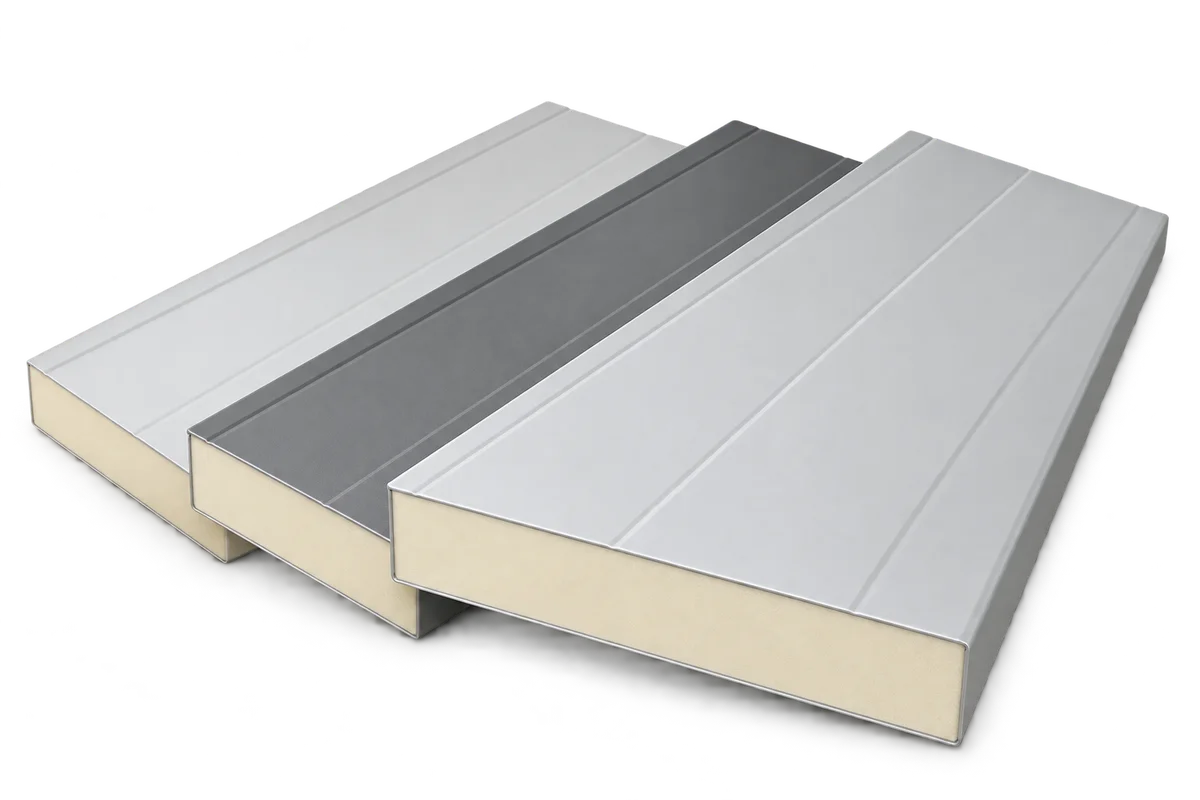
Choosing the colour and profile of sandwich panels from façade samples
Two metal colours can look close on a small swatch yet differ visibly across a long façade viewed from the entrance. Gloss, profiling, panel orientation and light all affect the appearance. Before ordering, request samples of the actual skins, place them in their intended orientation and view them alongside the door and trims. Here is how to record your choice and specify it in the order. This is particularly useful for phased work, when adjacent elevations may be supplied at different times.
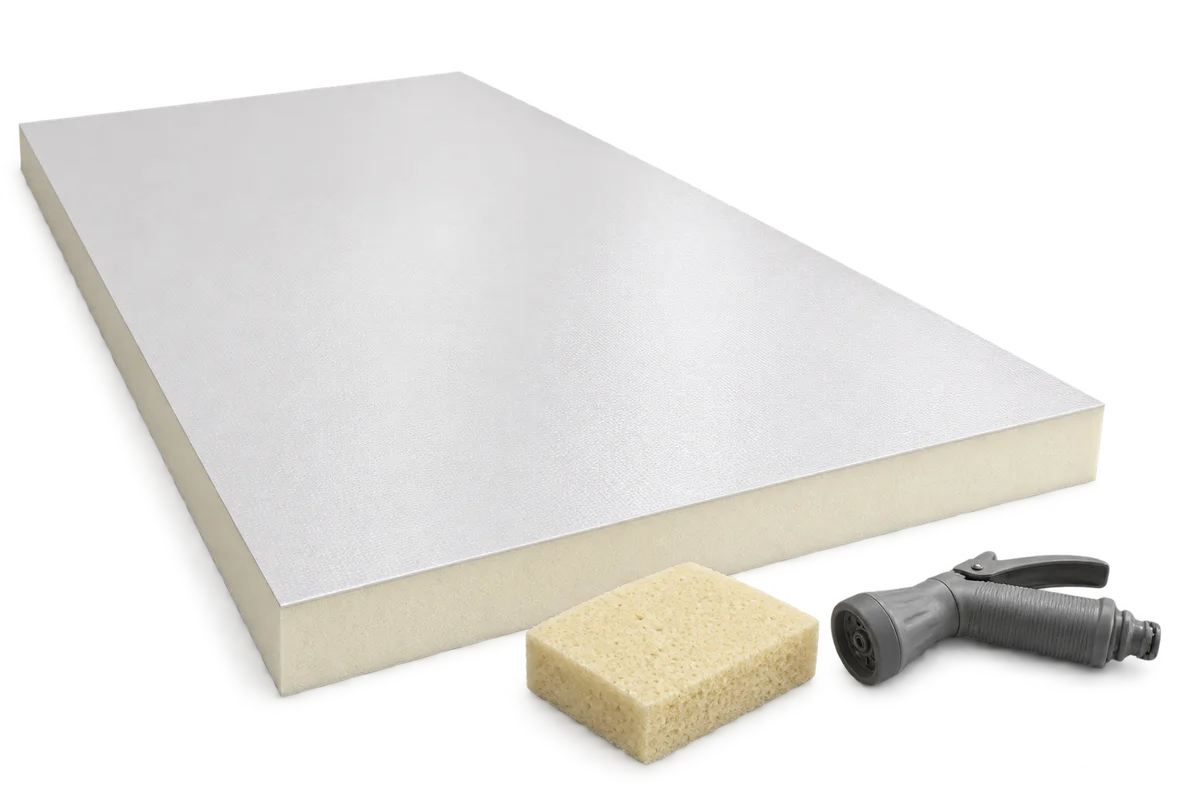
Streaks on a barn ceiling after cleaning. How can you trace their source?
A dark streak has reappeared on a barn ceiling panel that had already dried. Before arranging another wash, use the first photograph to retrace when the mark became visible. Was it there before work started, did it appear as the panel dried, or did it first show up the next morning? Does it cross several panels or always start at the same trim? These observations help you decide whether to review the cleaning method or ask the person responsible for the building envelope to inspect the detail. Here is how to keep a record of one recurring streak.
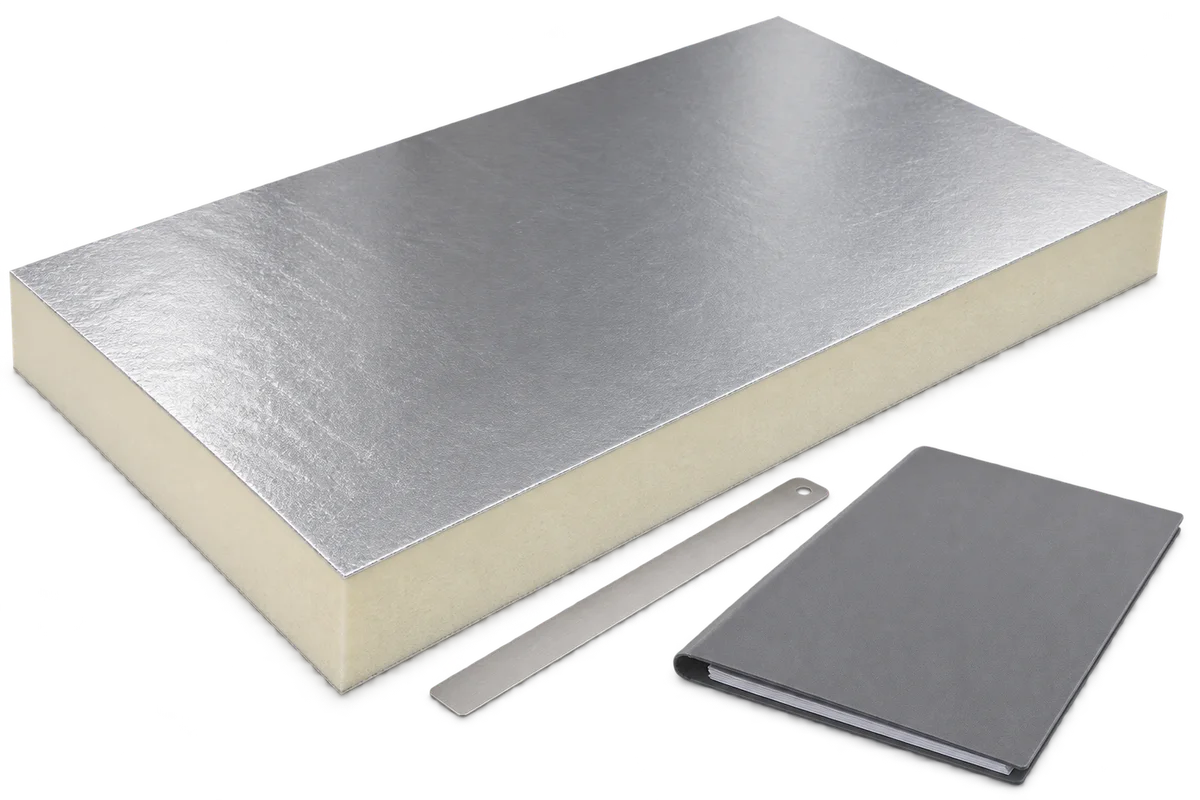
Will PIR insulation fit below the terrace threshold? Work out the thickness
When renovating a terrace above a heated room, start with two questions: how much room is left for the PIR board, and what thermal resistance must the board itself provide? The distance from the substrate to the finished terrace surface also has to accommodate other layers. Nor is the conductivity on the label necessarily the value used in the design. Here is how to compare the terrace section with the thermal calculation. A worked example with 90 mm available shows why two boards of the same thickness can give different results and what to check before placing an order.