Costs and purchases
The elements of a complete roof and how to budget for them
In brief
In Poland, a complete roof means not just the covering but the whole arrangement of layers and details, the number of which depends on the design. Before buying, check whether you are comparing the covering alone or the entire assembly, including insulation and the initial weatherproof layer. Establish the area, material variants and flashing lengths, and count the gutters as a full system. Remember roof access equipment and accessories that must be fitted earlier. Such an itemised list lets you plan expenditure reliably and avoid omitting important elements.
What is really beneath the covering?
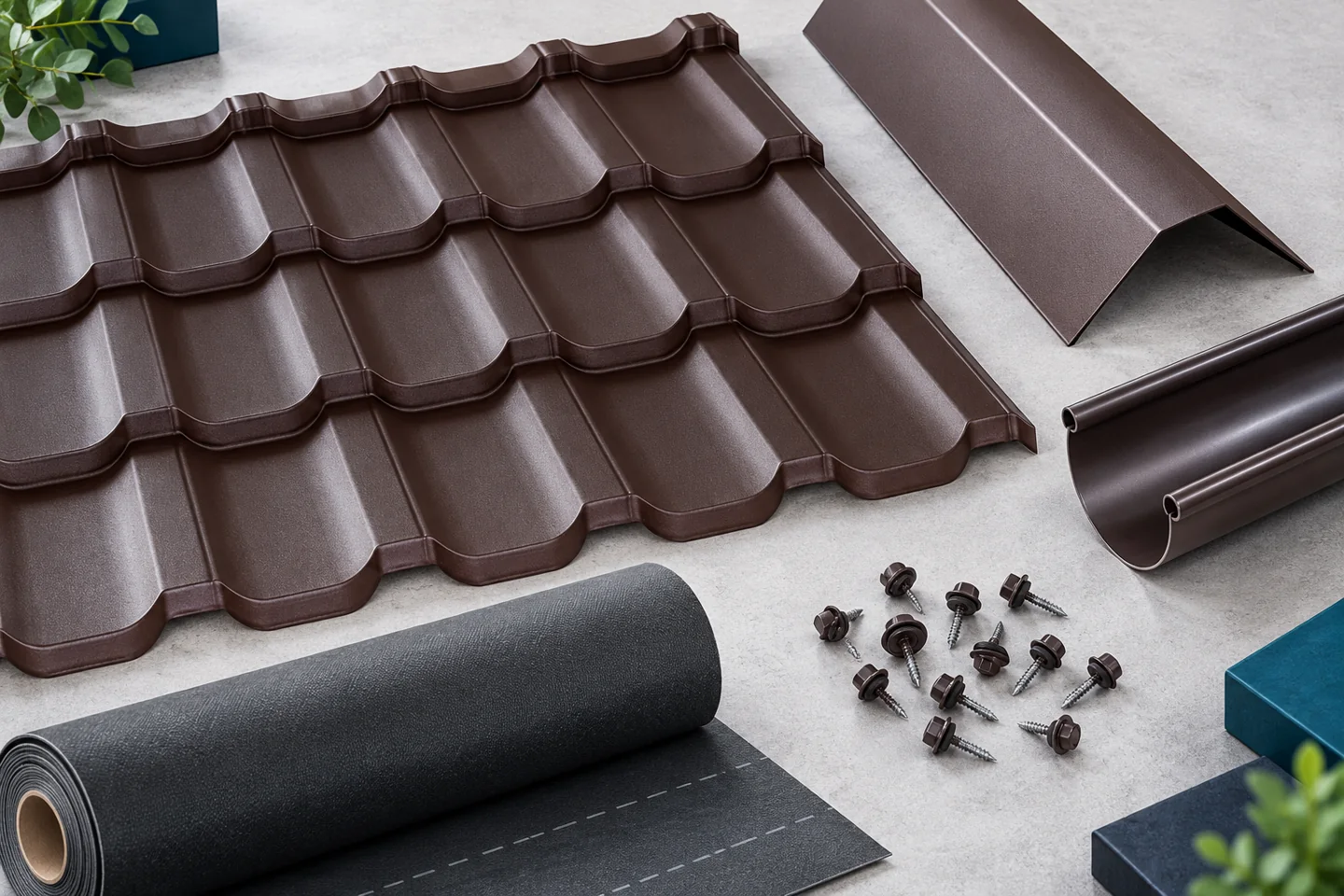
In a typical pitched roof with tile-effect metal roofing, only the outermost layer is visible from outside. Beneath it work the battens, counter-battens and the underlay system. Deeper still is the structure, and with a heated loft also the insulation and the airtight layer on the inside. The detailed build-up depends on the design and should not be chosen by randomly combining products.
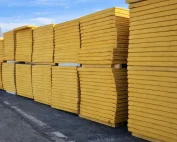
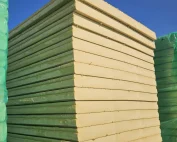
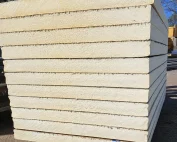
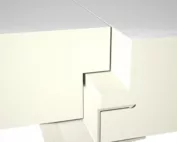
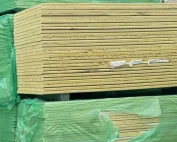
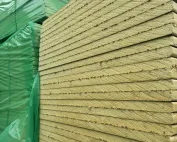
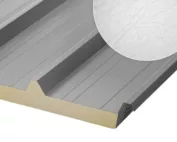
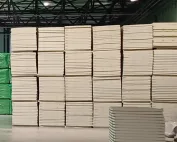
Not every roof requires the same number of layers. A roof sandwich panel combines metal facings with an insulating core and performs a different function from a single trapezoidal steel sheet. A PIR insulation board, by contrast, is an insulating material that needs suitable protection. When pricing, it is worth stating clearly whether we are comparing the covering or the entire build-up of the assembly.
Which elements close the edges?
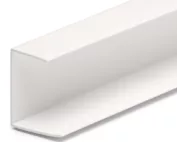
At the eaves, controlled drainage of water into the gutter is needed, along with an air inlet solution if a ventilated cavity is planned. At the gables, at the ridge and in roof valleys, flashings matched to the profile are used. Their dimensions follow from the installation position. A universal component of similar appearance will not always ensure proper coverage of the joint.
Chimneys, roof windows and service penetrations require separate details. They cannot be omitted from the cost estimate just because they occupy a small area. Often it is precisely these locations that consume the most time for the installer. Correct geometry of the flashing, support and matching materials are more important than a large amount of sealant applied after the work is finished.
How should you prepare a materials list?
Start with a schedule of the area and all roof lines. For the covering, specify the variant, thickness, coating, colour and usable area. For flashings, state the type and length. Separate the fasteners fixing to the structure from those joining the sheets to each other. Also determine the full set of required seals and ventilation components.
Calculate the gutters as a system with outlets, corners, hooks, pipes and brackets. Add roof access equipment and snow guards if required by the design. Such accessories may need mountings installed before the covering is laid. Deciding this earlier reduces later dismantling of the finished roof slope and the search for random substitutes.

What besides material affects the price?
Transport, unloading, equipment, labour and site organisation are added to the cost. Long sheets may require a different method of handling than small modules. In a renovation, demolition and waste must be included. If the substrate needs levelling or replacement, this is not part of the price for simply screwing down the sheet metal, unless the contract expressly states so.
Roof geometry affects installation time. Two buildings with the same roof area can have very different installation costs. A large number of roof valleys and dormers increases the amount of cutting and flashings. A reliable contractor prices these elements based on the design or a survey. A single rate per square metre does not show all the differences between jobs.
How should quotes and offers be compared?
A catalogue price list is a reference point, not the final price of your roof. Check the date, the billing unit and the tax. Do not compare the price per square metre of a full sheet directly with that of effective coverage. For modules, multiply the price per piece by its usable area and then take into account the actual number of panels.
Ask the seller for a written quote for the entire set and a specified deadline. A discount on the covering may be offset by missing flashings or the cost of an additional delivery. Choose a line-by-line comparison. If one variant includes insulation and the other does not, they are not yet alternatives providing the same building function.
How can you check that the roof is finished?
Before acceptance, compare the workmanship with the list of ordered elements. Check the condition of the coatings, the cleanliness of the gutters, the sealing of penetrations and the conformity of the accessories. Covered layers are best documented at earlier stages. A photograph of the finished roof area will not show the continuity of the insulation or how the underlay was installed at the chimney.
Keep the instructions, warranty conditions, specification and acceptance report. Establish an inspection schedule and a procedure for reporting defects. A complete roof requires subsequent maintenance, particularly in the case of soiling and after severe weather. Well-prepared documentation will allow a specific detail to be repaired without guessing which material was previously installed.
7 branches. Materials closer to your project.

- SEROCK — Dzierżenin 34 E
- BŁONIE — ul. Sochaczewska 138A
- RADOM — ul. Grobickiego 8
- ŁÓDŹ — Natolin 8
- OLSZTYN — Barczewo, ul. Prosta 9
- WROCŁAW — ul. Jerzmanowska 10C
- GORZÓW WLKP. — ul. Zielona 33/34