






Blog
The Izoprofil.net blog answers practical questions about renovation, extensions and the sequence of work. Find out where to start looking for a leak, when to order roofing sheets, how to prepare a delivery area and what to establish before installing insulation. The articles cover measurements, the condition of existing components and order details for roofing, sandwich panels and PIR insulation. They explain which information to collect and when an on-site assessment by a professional is needed. Choose the article that matches the current task so you can prepare a more accurate materials enquiry and reduce rework.

Cut-to-length tile-effect sheets for a traditional home
Start choosing cut-to-length metal roof tiles for a traditional house with a calm pattern, colour and details that suit the building's proportions. Cutting sheets to length limits the number of joints on a simple slope. When judging the profile, compare the rhythm of the pressings with the façade divisions and the eaves width – a strong wave will emphasise the roof, yet on a small slope with many details it may take over. Check the structure and prepare the measurement so the classic roof is technically sound.
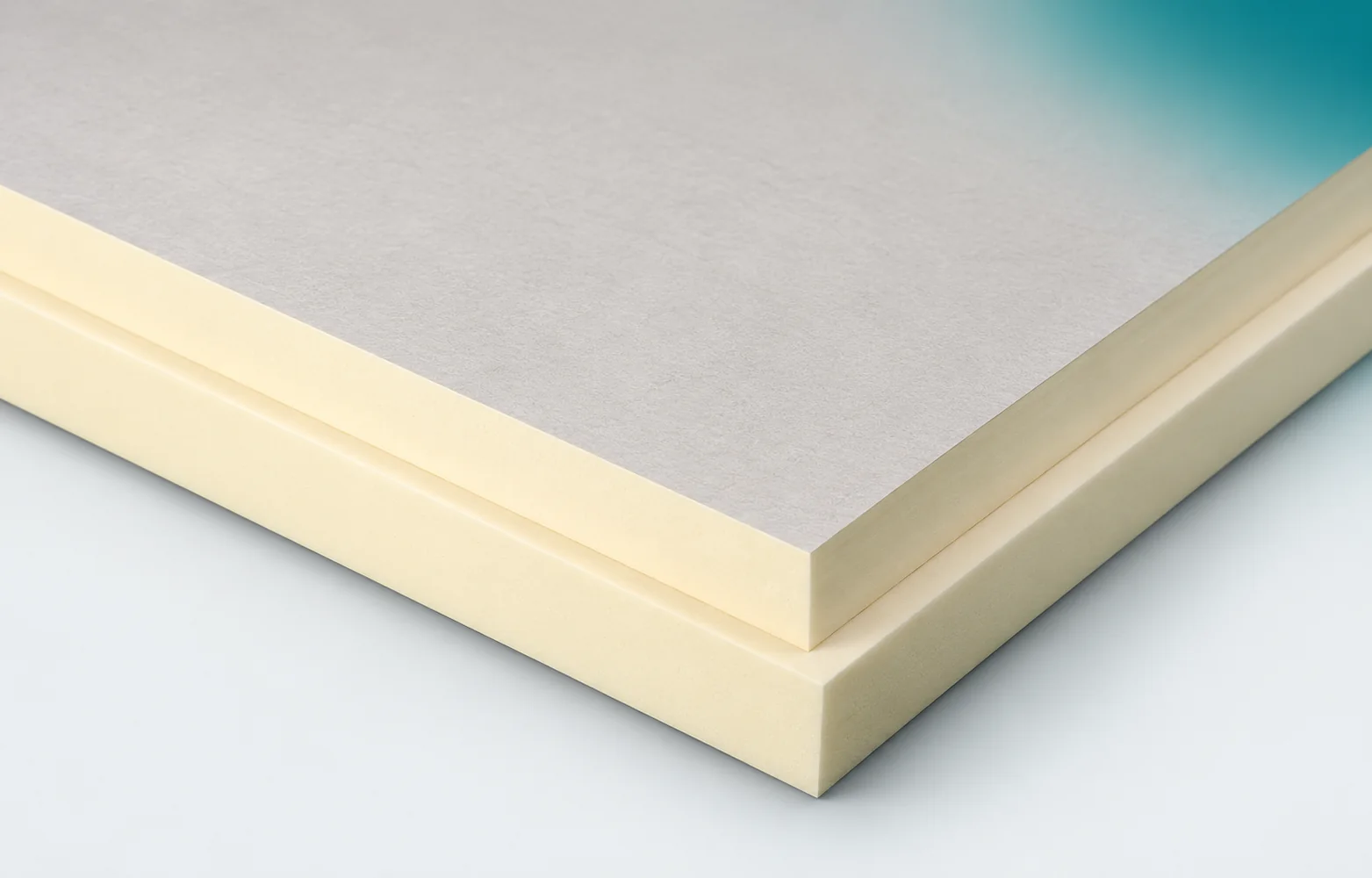
BauderPIR M/MF on site: protecting the mineral facing
BauderPIR M/MF has mineral fleece facings on both sides, so the quality of the finished roof depends not only on how the boards are laid but also on the condition of this layer before it is covered with the waterproofing. The fleece must be protected from soiling and damage during walking and when tools are set down. The team installing the covering should receive the surface in the agreed condition. The documentation for the specific M or MF thickness and the method of connection to the covering should be available on site, not only in the order. Acceptance is not limited to the number of boards laid: it also covers corners, joints and the locations of future penetrations.
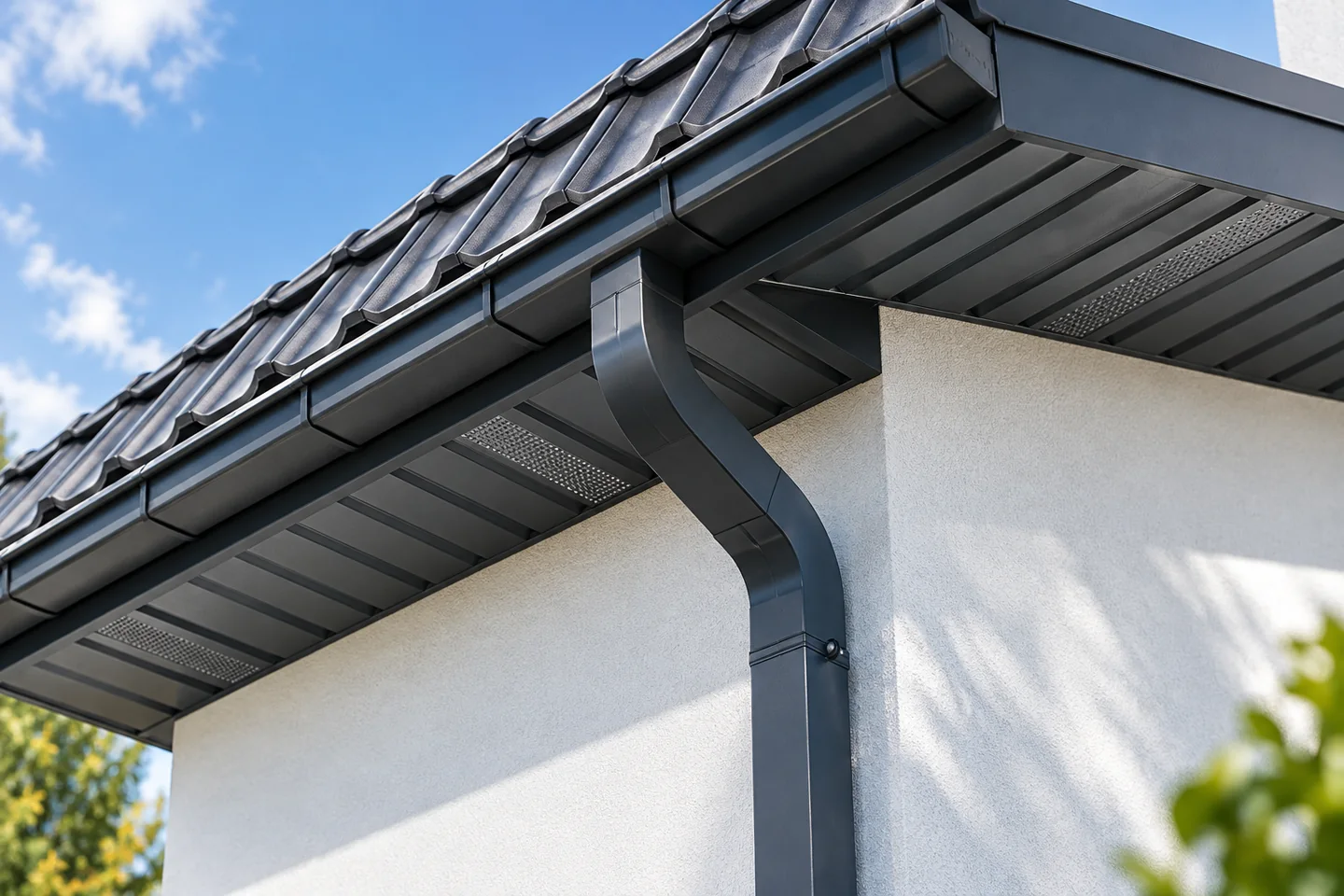
PVC soffits: choosing a system and estimating the cost
PVC soffit closes the underside of the eaves and gives the roof a tidy appearance. The lightweight panels come in many colours, including wood-effect finishes. They need a stable framework, installation clearances and proper ventilation. Solid and perforated panels serve different purposes, so they must be matched to the metal roofing and gutters. Soffit protects the eaves area from some dirt and birds, but it is not a roof waterproofing layer or a repair for leaks. Before fitting, check the membrane and flashing termination at the gutter.
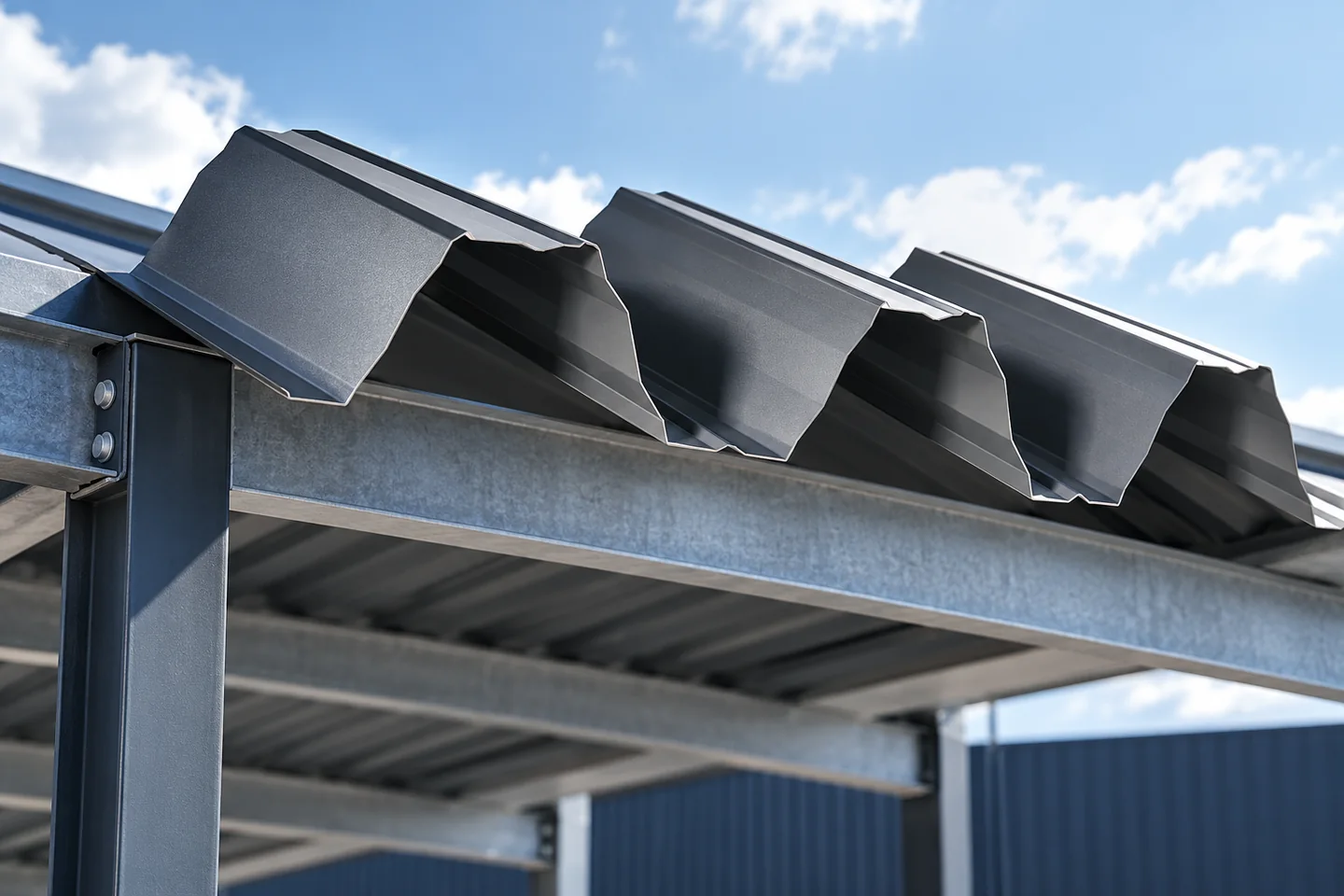
Load-bearing trapezoidal steel sheets: what to check before selection
Structural trapezoidal sheeting is selected on the basis of load-bearing and stiffness calculations, not just the profile height. Before choosing, check which static scheme the table refers to, whether the load direction is accounted for, and what the support spacings and widths are. A distinction must also be made between load capacity and deflection, and the choice of fasteners verified, especially in edge zones. The offer should state the profile designation, core thickness, steel grade and laying position. Design decisions are left to the designer.
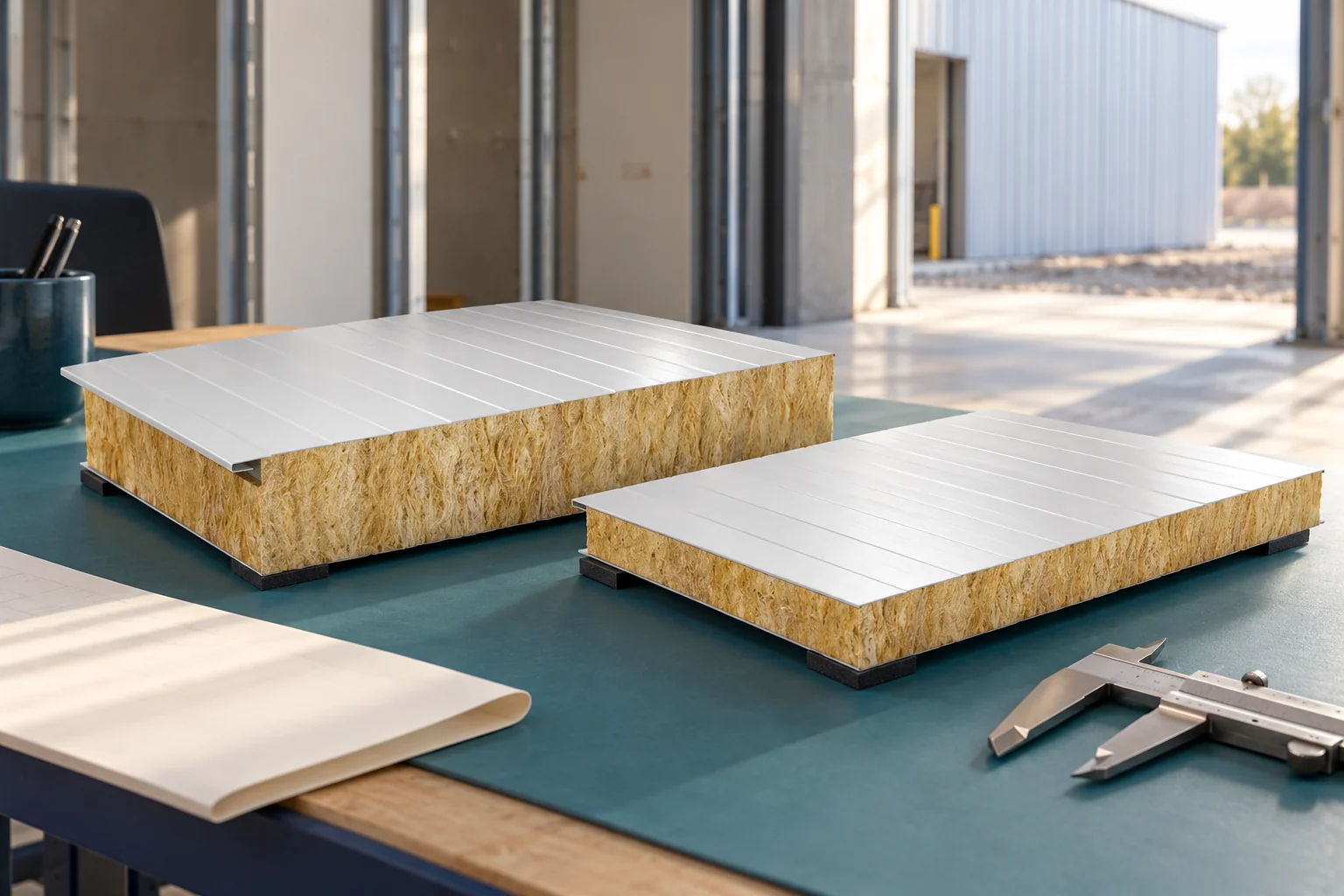
How to choose an insulated wall panel with a mineral wool core for the next stages of your project?
A suitable panel with mineral wool must match the wall's function, the structure and the interior conditions. Thickness is only one of the criteria. Thermal insulation, fire requirements and load-bearing capacity are checked separately. It is worth confirming these data before installing the framework. Changing the panel later may entail further changes. Start with how the building will be used. Determine the temperature, humidity and type of activity. Then define the wall's role: external cladding, internal partition or part of a solution with a required fire resistance. Each of these functions leads to a different set of criteria.
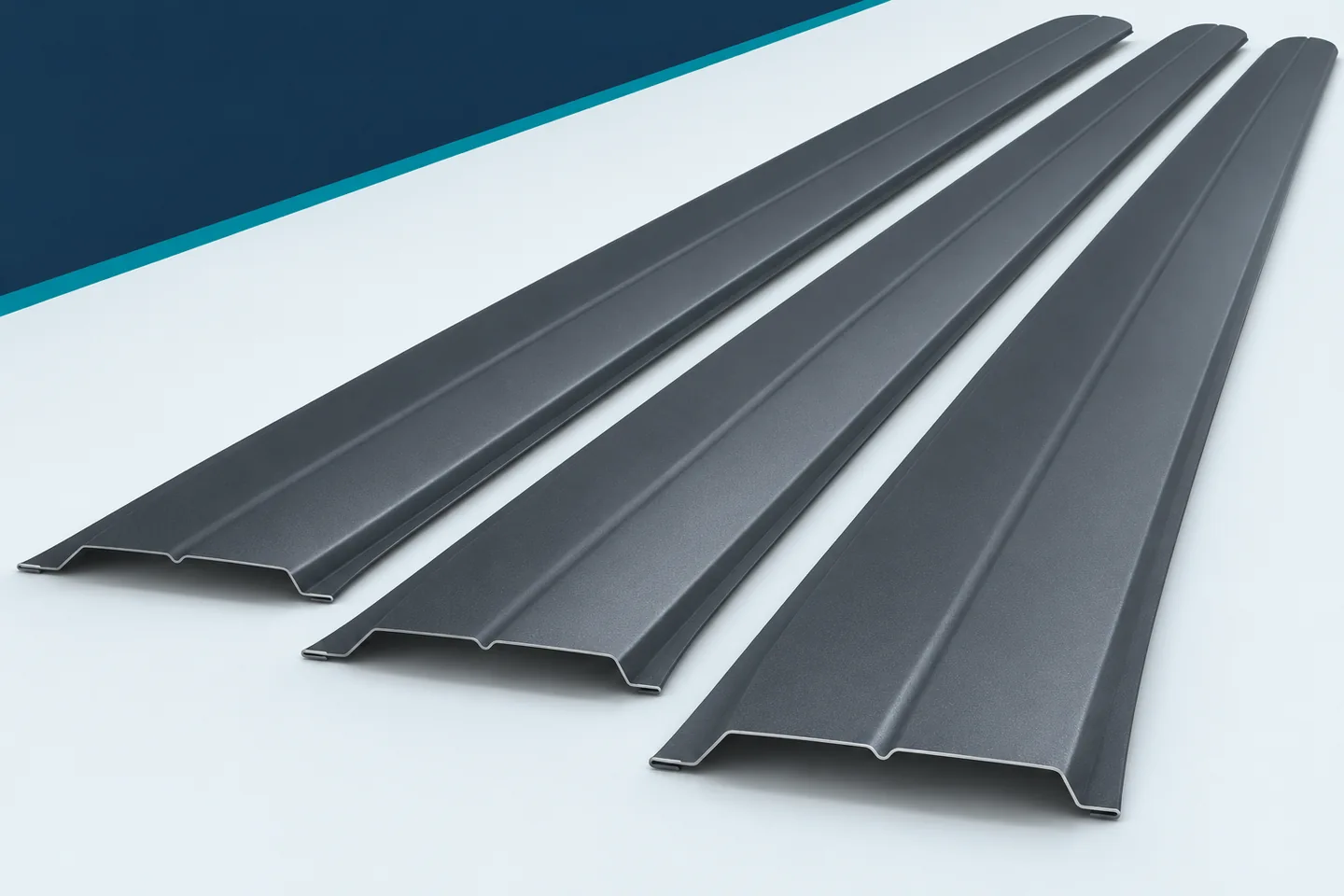
Metal fence pickets rattling in the wind: tracing loose connections
A single picket rattling or vibrating does not necessarily mean that the entire fence was made from sheet metal that is too thin. The cause may lie in the connection, the support or contact with another component. A diagnosis is needed before anything is tightened. Sheet metal pickets and their fastenings have specific operating conditions. A repair should restore these rather than mask the symptom. Note which section the sound comes from and under what conditions it occurs. If possible, a recording will help show the problem to the installer. Carry out the mechanical inspection under safe conditions, however. Do not try to stop a moving bay with your body or climb on the fence during wind.