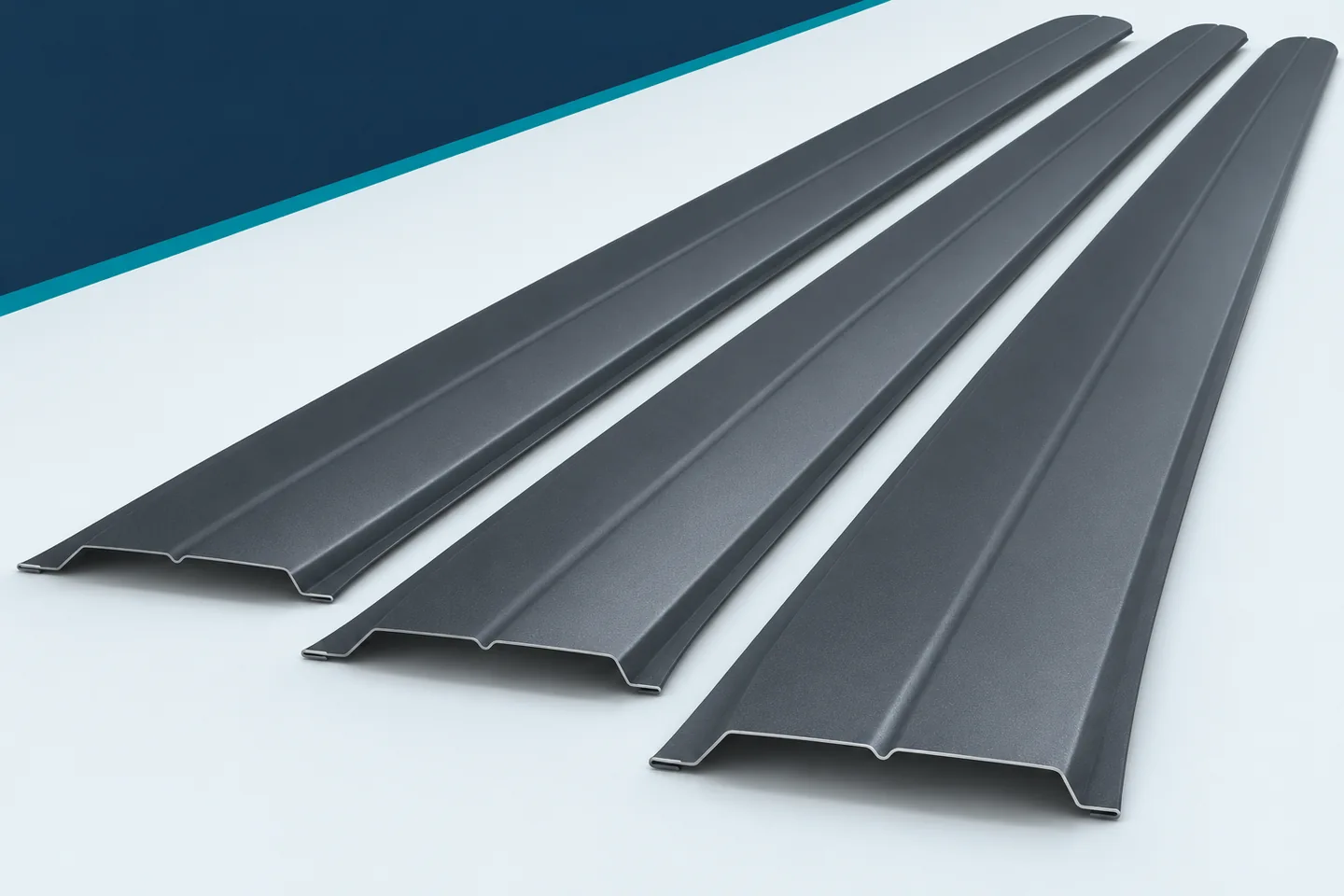
Metal fence pickets and fences
Metal fence pickets rattling in the wind: tracing loose connections
In brief
A single picket rattling or vibrating does not necessarily mean that the entire fence was made from sheet metal that is too thin. The cause may lie in the connection, the support or contact with another component. A diagnosis is needed before anything is tightened. Sheet metal pickets and their fastenings have specific operating conditions. A repair should restore these rather than mask the symptom. Note which section the sound comes from and under what conditions it occurs. If possible, a recording will help show the problem to the installer. Carry out the mechanical inspection under safe conditions, however. Do not try to stop a moving bay with your body or climb on the fence during wind.
Locate the spot that is loose during strong gusts
Check whether the noise comes from branches, loose decoration or gate fittings. Sound can travel through the structure and make it harder to locate. Before you consider a picket damaged, inspect its surroundings. Removing the cause of contact can be a different task from repairing the connection.
If the sound occurs only when the gate is closed, note this circumstance. It can help distinguish the operation of its fittings from vibration of the adjacent bay. Information on whether the symptom affects one element or the whole line is similarly useful. A precise description makes it easier for the contractor to prepare the inspection.
Compare the suspect element with neighbouring ones
Inspect the picket’s alignment, the gaps and the fixing points. A difference compared with the adjacent profile may indicate an area requiring checking. However, do not apply great force when checking rigidity. The aim is not to try to destroy the thin sheet, but to notice unusual movement or deformation.
Look for signs of rubbing. These may be on the side, at the crossbar or in a two-row arrangement. Repeated contact damages the coating, even if initially it manifests only as noise. Note the exact location and check whether the gaps correspond to the original fence layout.
Inspect the surroundings of the connector
An irregular hole appearance, deformed sheet or missing fixing element require clarification. The screw head alone does not show the full condition of the connection. The support is also important. If the crossbar moves together with several pickets, the problem may concern the structure rather than each screw separately.
Do not insert an arbitrary thicker fastener into the existing hole without assessment. This may require a different repair or preparation of the substrate. The procedure should follow from the system and the extent of the damage. Sheet metal pickets do not tolerate any arbitrary change of fixing simply because it matches in colour.

Do not treat tightening harder as a universal method
Excessive pressure can deform the profile or damage the connection. Too little pressure can also be wrong. The correct method of installation is specified in the documentation for the fastener and picket used. A lack of familiarity with these rules should not be replaced by trying to tighten until the noise disappears.
If the thread or hole no longer holds the connection, further turns will not restore its original condition. The damage needs to be identified. The same applies to rivets and system brackets. Different types of fixing require different procedures, so the repair should match what was actually installed.
Check whether the fence loading has changed
Consider whether a mat, a second row of pickets or dense vegetation has been added. Such changes can affect how the bay performs. A noise that appears after a modification is a clue worth passing on to the installer. The old arrangement should not be judged as if nothing had changed since installation.
Also pay attention to equipment hung on the fence. Heavy planters, brackets or other accessories can load components not intended for that role. Metal fence pickets are infill. If they are to work with additional equipment, the way it is supported needs to be assessed, not just another screw added.
Agree the repair and surface protection
Once the cause has been established, choose the right scope of work. It may involve replacing a fastener, repairing a support or a single picket. Surfaces affected by rubbing also need assessment. Eliminating the noise does not finish the job if a deep scratch or exposed substrate remains.
Use repair materials compatible with the coating. After drilling or dismantling, remove swarf and small particles. Do not leave them on the crossbars. It is worth taking a photo of the repaired connection and recording the components used. Such documentation makes inspection easier if the problem recurs.
Assess the result after repair
Check the geometry, spacing and absence of contact between adjacent components. Also inspect the other side of the bay. When the typical conditions next occur, note whether the noise has stopped. If it returns, the cause needs to be reassessed rather than repeating the same action without explanation.
Metal fence pickets can form a stable and attractive infill when the arrangement is correctly selected. Unusual noise is a signal to check. It is worth using it early, before contact between components damages further surfaces. A calm diagnosis allows the specific problem to be repaired and avoids unnecessary replacement of the entire fence.
7 branches. Materials closer to your project.

- SEROCK — Dzierżenin 34 E
- BŁONIE — ul. Sochaczewska 138A
- RADOM — ul. Grobickiego 8
- ŁÓDŹ — Natolin 8
- OLSZTYN — Barczewo, ul. Prosta 9
- WROCŁAW — ul. Jerzmanowska 10C
- GORZÓW WLKP. — ul. Zielona 33/34