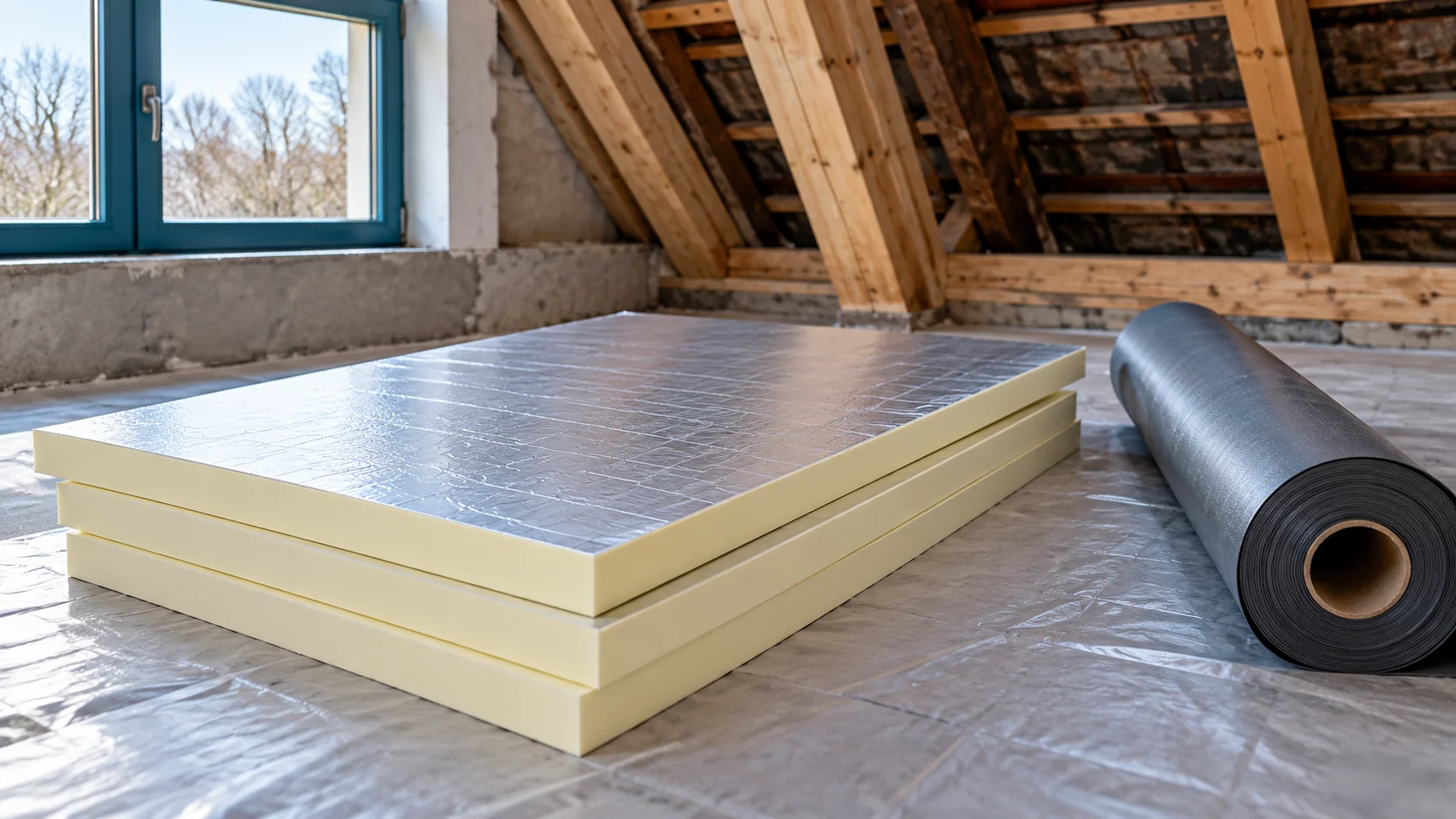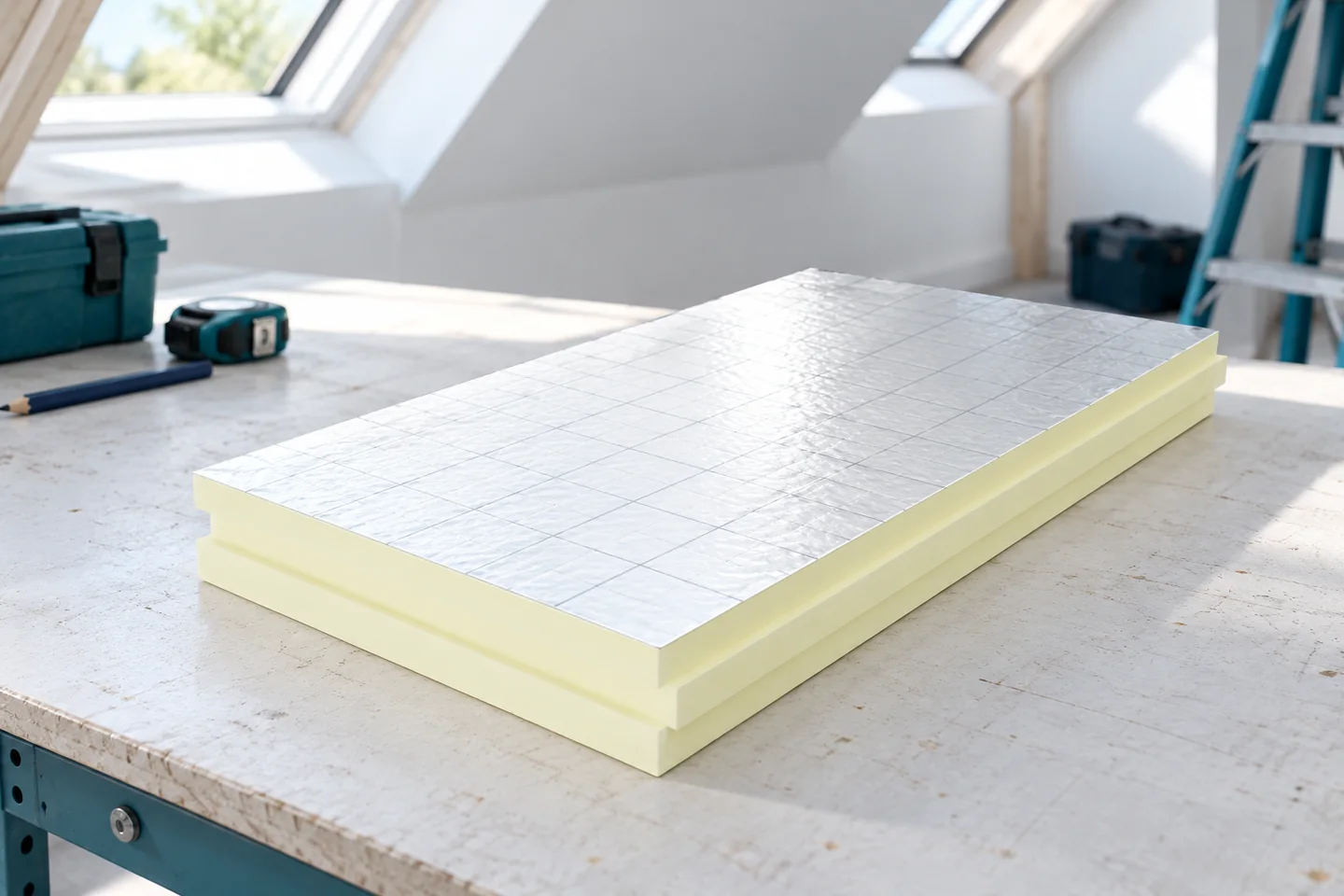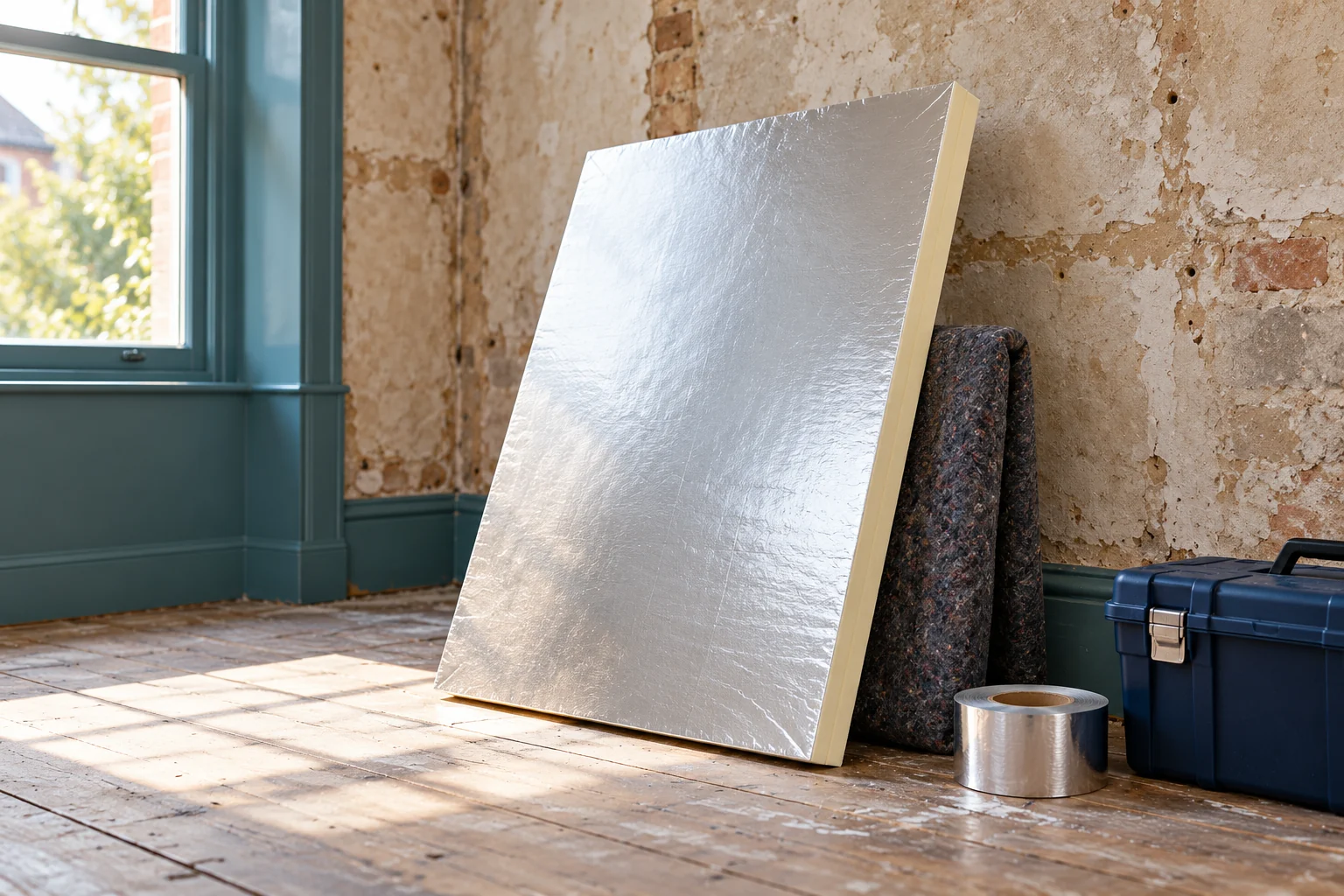
How to install internal insulation and maintain continuity of the aluminium cladding?

With internal insulation, not only the board thickness matters. The condition of the wall and the continuity of the layers at the floor, window and services also determine the outcome. Aluminium cladding can significantly restrict vapour transmission. However, it acts as part of a planned building envelope, not as a way to cover a damp wall. First establish the cause of the cold and moisture. Check the roof, gutters, plinth and water services. Assess the condition of the plaster and ventilation. Insulation on the room side reduces heat flow to the old wall. Its performance after renovation must therefore be verified in a thermal and moisture analysis.
By |2026-11-14T11:12:13+01:002024-07-27|Blog|Comments Off on How to install internal insulation and maintain continuity of the aluminium cladding?

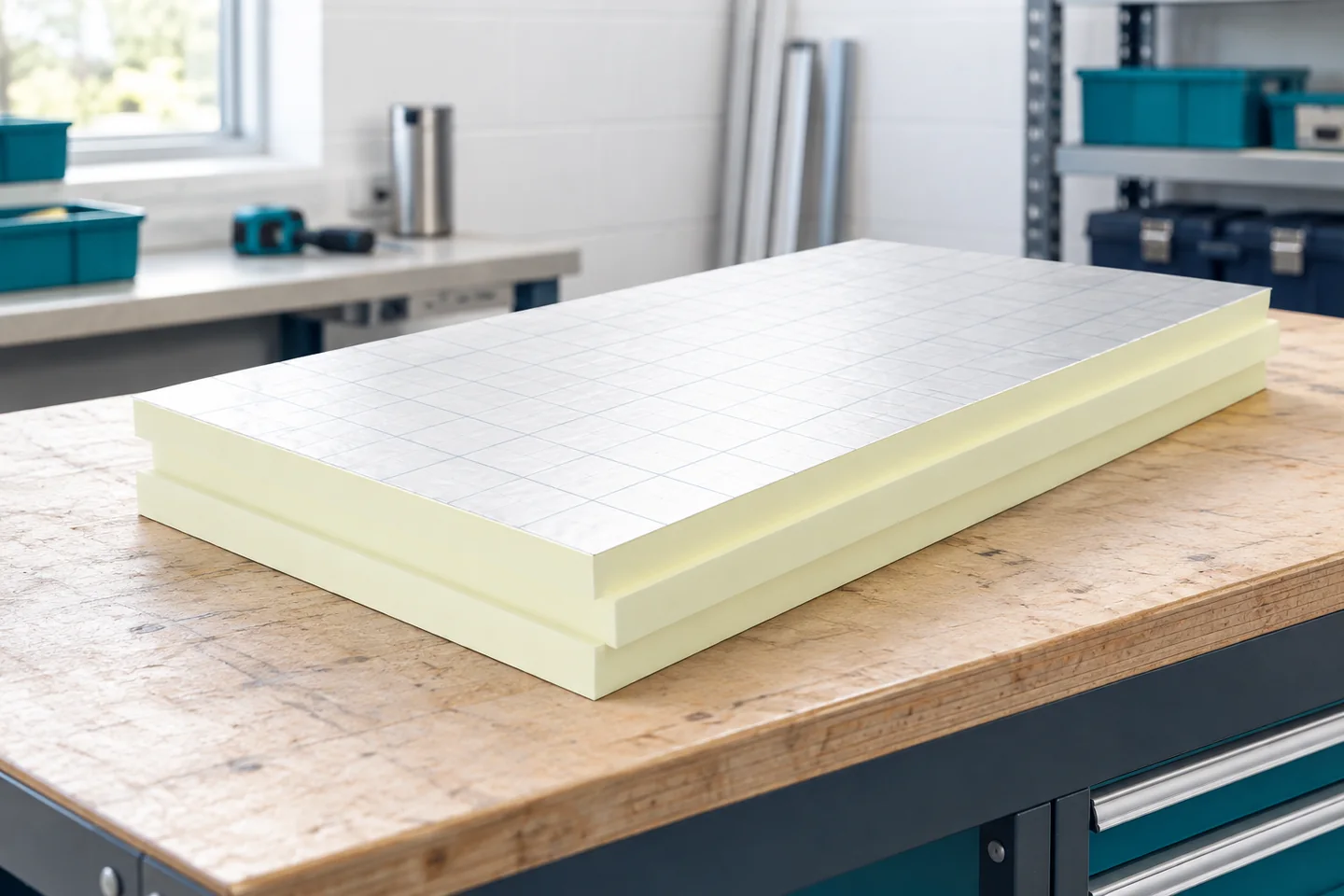
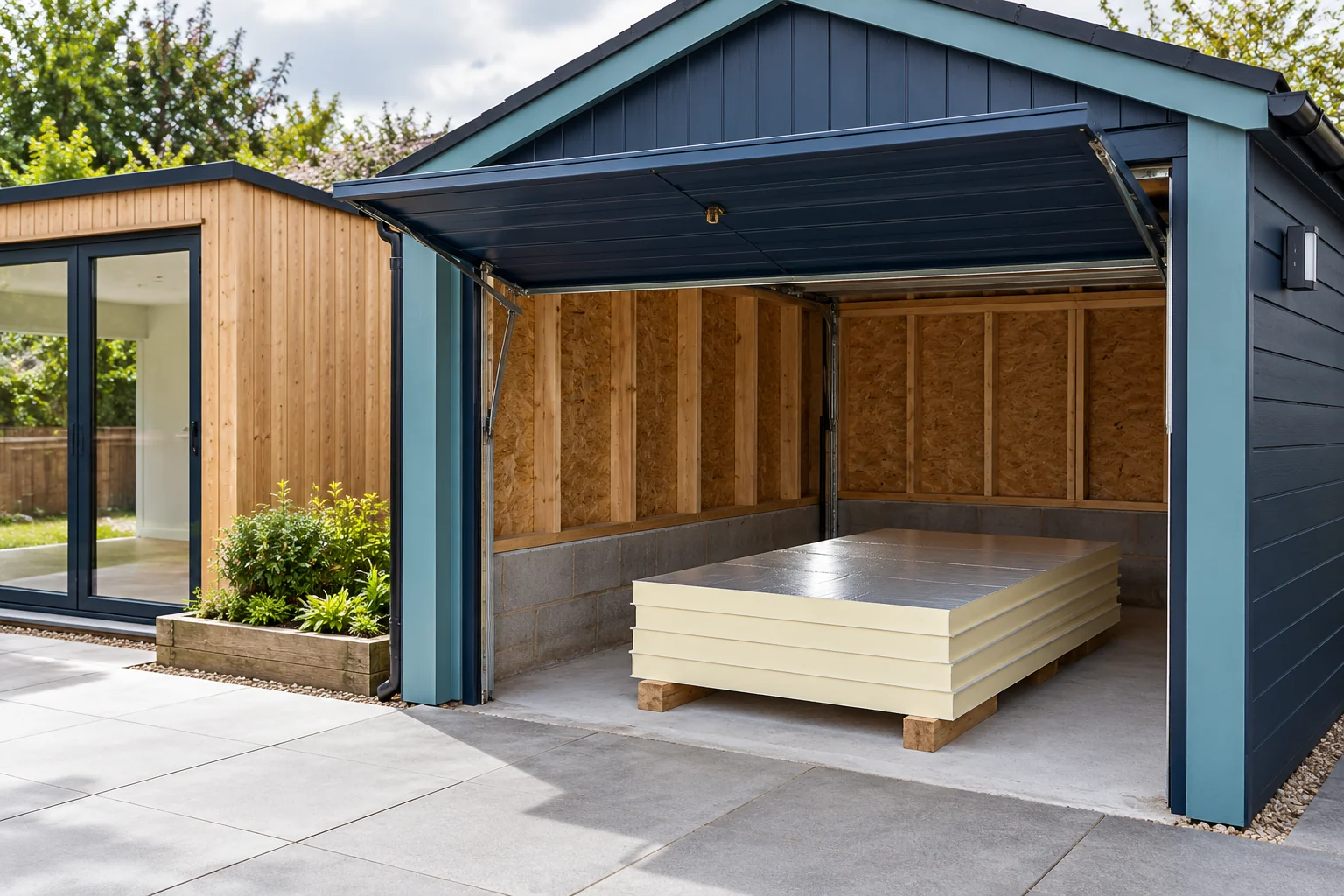
How to plan inexpensive insulation for a garage or seasonally used cabin?

A garage, storage room and summer cabin do not automatically need the same insulation. First establish when the building will be heated and what it is used for. An inexpensive renovation starts with a well-defined scope of work. A thin board bought without a plan can mean dismantling it again when the pattern of use changes a year later. In an unheated storage room, insulation alone will not generate heat. It will slow the rate of heat exchange with the surroundings but will not guarantee a temperature above freezing during frost. If you store materials that are sensitive to cold, a heat loss balance and possibly heating are needed. The name 'insulation board' alone does not settle this question.

By |2026-11-14T11:12:15+01:002024-07-26|Blog|Comments Off on How to plan inexpensive insulation for a garage or seasonally used cabin?

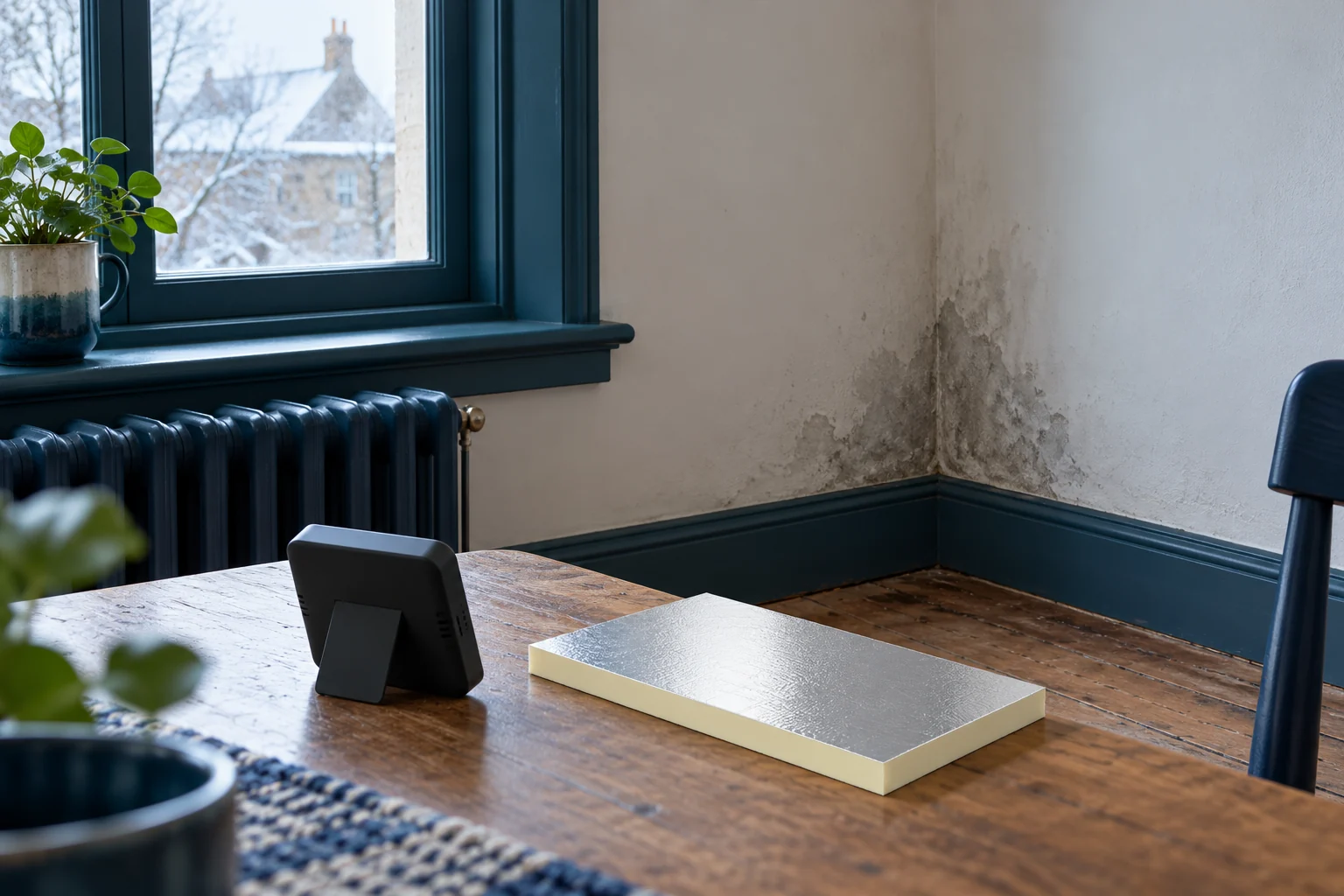
Why does the north wall get damp and what should be checked before insulating it?

A damp north wall does not always mean a lack of insulation. The cause may be a leak, moisture from the ground or an internal surface that is too cold. A north-facing elevation usually receives less sun, so it dries more slowly. A good renovation starts with identifying the path of the water, not with buying the thickest board. Note whether the patch grows after rain, after several cold nights or regardless of the weather. Inspect the wall on both sides. A stain at ceiling level may be linked to the roof or flashings. Moisture in the lower section requires checking the plinth, the ground and the insulation at ground level. The shape of the patch alone does not yet give a reliable diagnosis.

By |2026-11-14T11:12:18+01:002024-06-12|Blog|Comments Off on Why does the north wall get damp and what should be checked before insulating it?

When does a sandwich panel roof need extra insulation?

A sandwich panel already contains an insulation layer. Additional insulation is therefore not a mandatory stage of every roof. It may be needed after a change of use or when modernising an old building. First, however, the existing layers, airtightness and moisture must be checked. Only then is a solution chosen. A cold interior does not prove that the whole roof has too little insulation. Heat may escape through an open gate, a leaky joint or a poorly executed service penetration. A damp patch also does not clearly indicate the cause. Rainwater, condensation and construction moisture must be distinguished.

By |2026-11-14T14:22:30+01:002024-02-27|Blog|Comments Off on When does a sandwich panel roof need extra insulation?

Choosing insulation for the roof structure

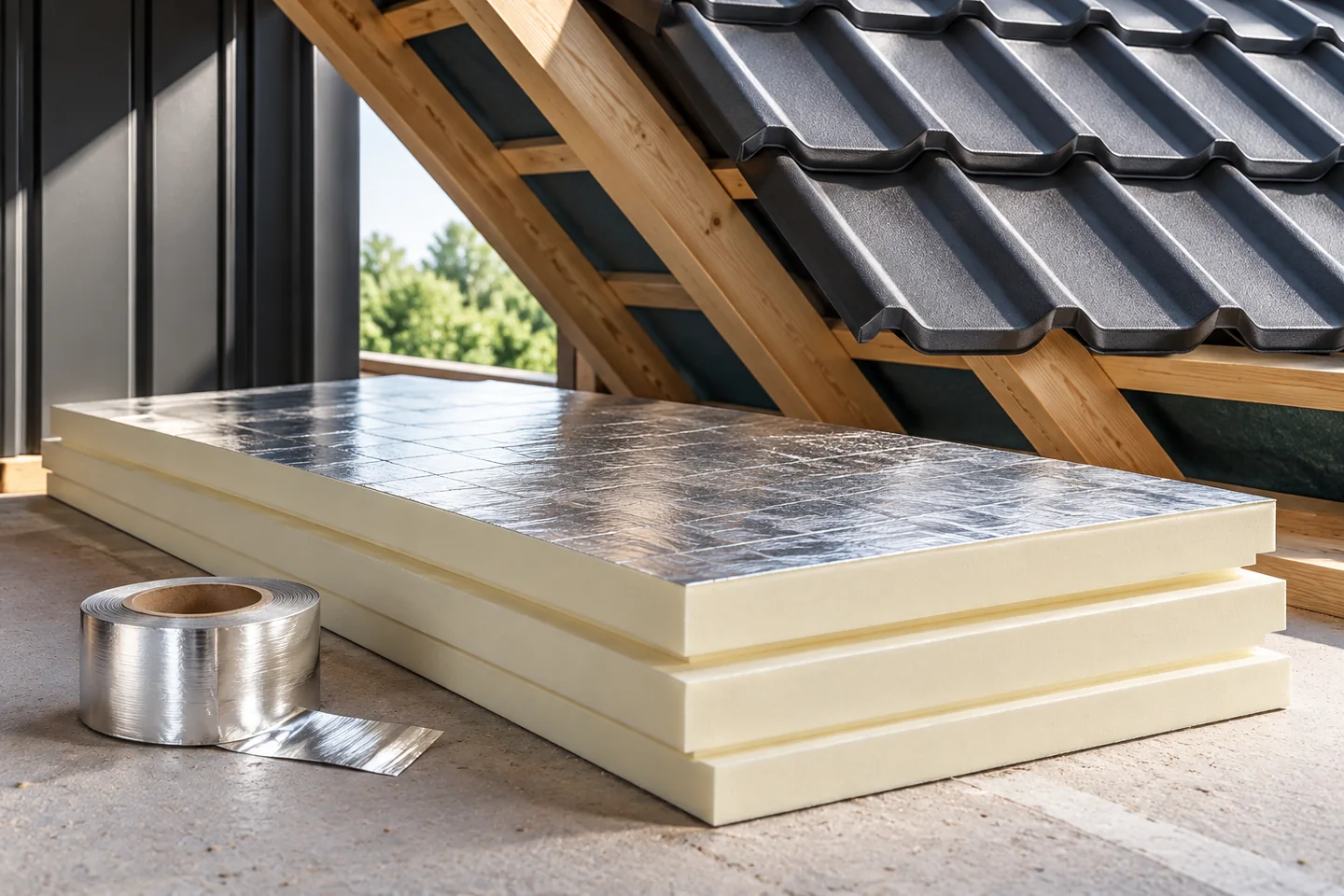
The choice of roof insulation depends mainly on where the boundary of the heated part of the building runs. Check whether the loft will be usable or remain an unheated attic, as this determines the scope of insulation. Pay attention to the continuity of the thermal layer, including the knee walls, stairs and access to the attic. When selecting a material, compare lambda, thickness, reaction to fire, acoustics and installation requirements. PIR boards are worth considering where there is insufficient space for a thicker layer. Make the decision before ordering the material.

By |2026-11-15T00:58:21+01:002024-02-11|Blog|Comments Off on Choosing insulation for the roof structure

Keeping loft insulation continuous and sealing the joints

The key decision for loft insulation concerns continuity of the layer, not material thickness alone. Before measuring, ordering or accepting delivery, establish where the boundary of the heated part runs and how the slopes, walls, windows and ceiling will connect. Also check the condition of the structure and the water-protection layers, because signs of leakage or damp timber need clarifying before being covered. The choice of system should account for ventilation and vapour control, with details left to the designer.

By |2026-11-15T04:42:42+01:002022-12-29|Blog|Comments Off on Keeping loft insulation continuous and sealing the joints

How do you choose PIR for render on an aerated concrete wall for the project’s thermal target?

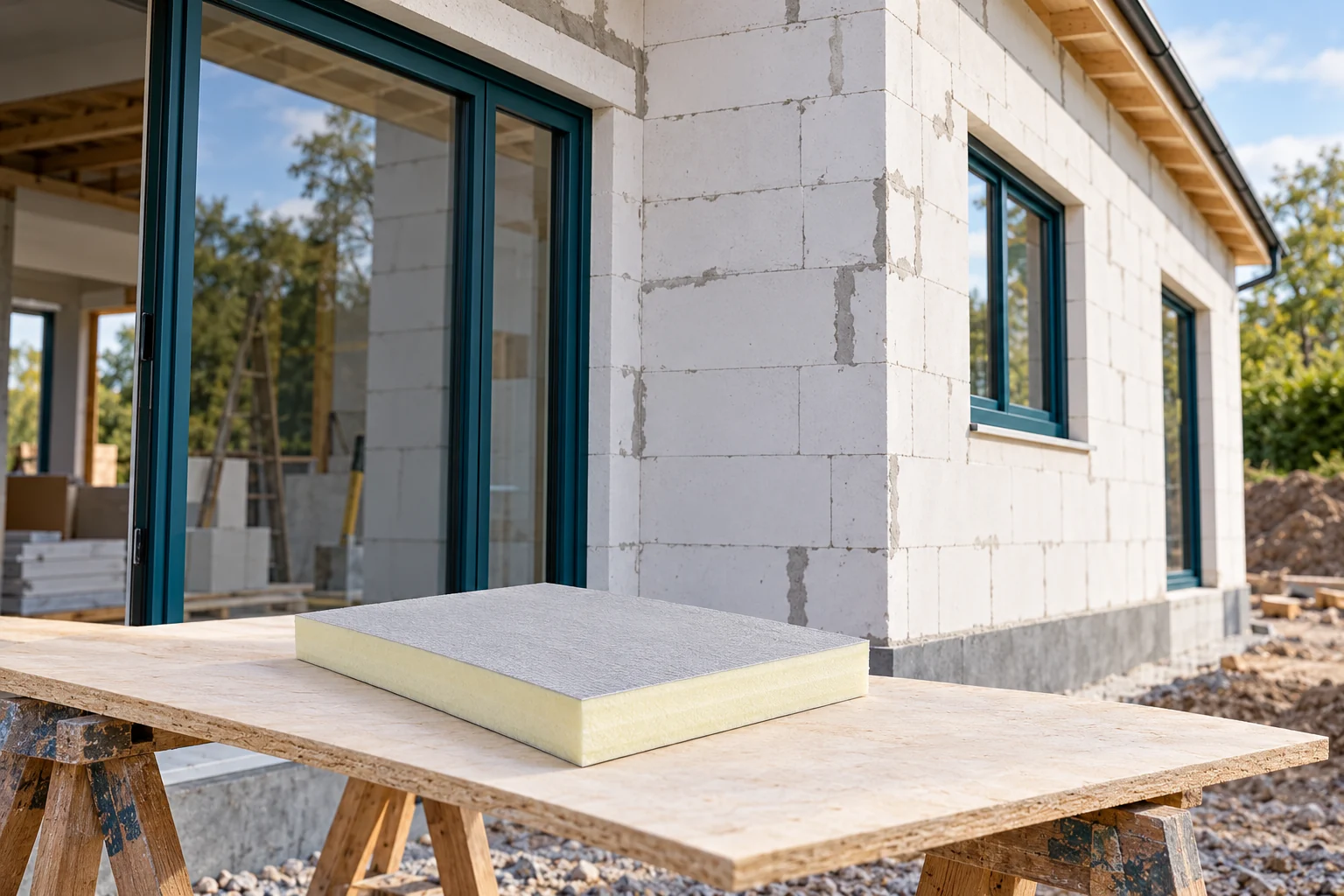
Aerated concrete helps limit heat loss, but its parameters depend on the grade and the wall thickness. Choosing PIR for render requires checking the whole building element. It is worth doing this before ordering window sills and fixings. The former slogan “compliant with WT 2021” does not replace establishing the basis appropriate for the given project. Check the block designation, the wall thickness and the mortar. Establish whether the wall was built as in the design. In an existing building, measurements and opening-up may be needed. The information “aerated concrete 24 cm” alone is not enough for an accurate calculation. Individual grades differ in their properties.

By |2026-11-14T11:12:29+01:002022-12-18|Blog|Comments Off on How do you choose PIR for render on an aerated concrete wall for the project’s thermal target?

How to insulate a flat in a tenement building when the façade is to remain unchanged?

Keeping the façade does not rule out improving comfort in a tenement building. Internal insulation, however, requires a thorough assessment of the wall and its junctions. Old masonry can conceal various materials, moisture and later repairs. The scope of work should therefore be established before buying boards and before refurbishing the whole flat. Check the wall thickness, the condition of the plaster and the type of material. Documentation may not reflect all changes. Inspections and properly executed exploratory openings are useful. Also establish whether the wall was previously insulated or covered with a layer of high diffusion resistance. Such information affects the possibility of drying out.

By |2026-11-14T11:12:34+01:002022-11-19|Blog|Comments Off on How to insulate a flat in a tenement building when the façade is to remain unchanged?

Insulating a loft to retain heat and control moisture

Begin by identifying the roof's layers and assessing their condition. Check the covering, the layer beneath it, any gaps and the timber, as well as signs of leaks and moisture. Insulation must be continuous and airtight on the inside, while moisture needs a path to escape. Choose PIR boards where thickness is limited; mineral wool offers fire and acoustic benefits. Do not cover wet structure until the cause of dampness has been removed.

By |2026-11-14T21:03:07+01:002022-01-07|Blog|Comments Off on Insulating a loft to retain heat and control moisture
Back to top