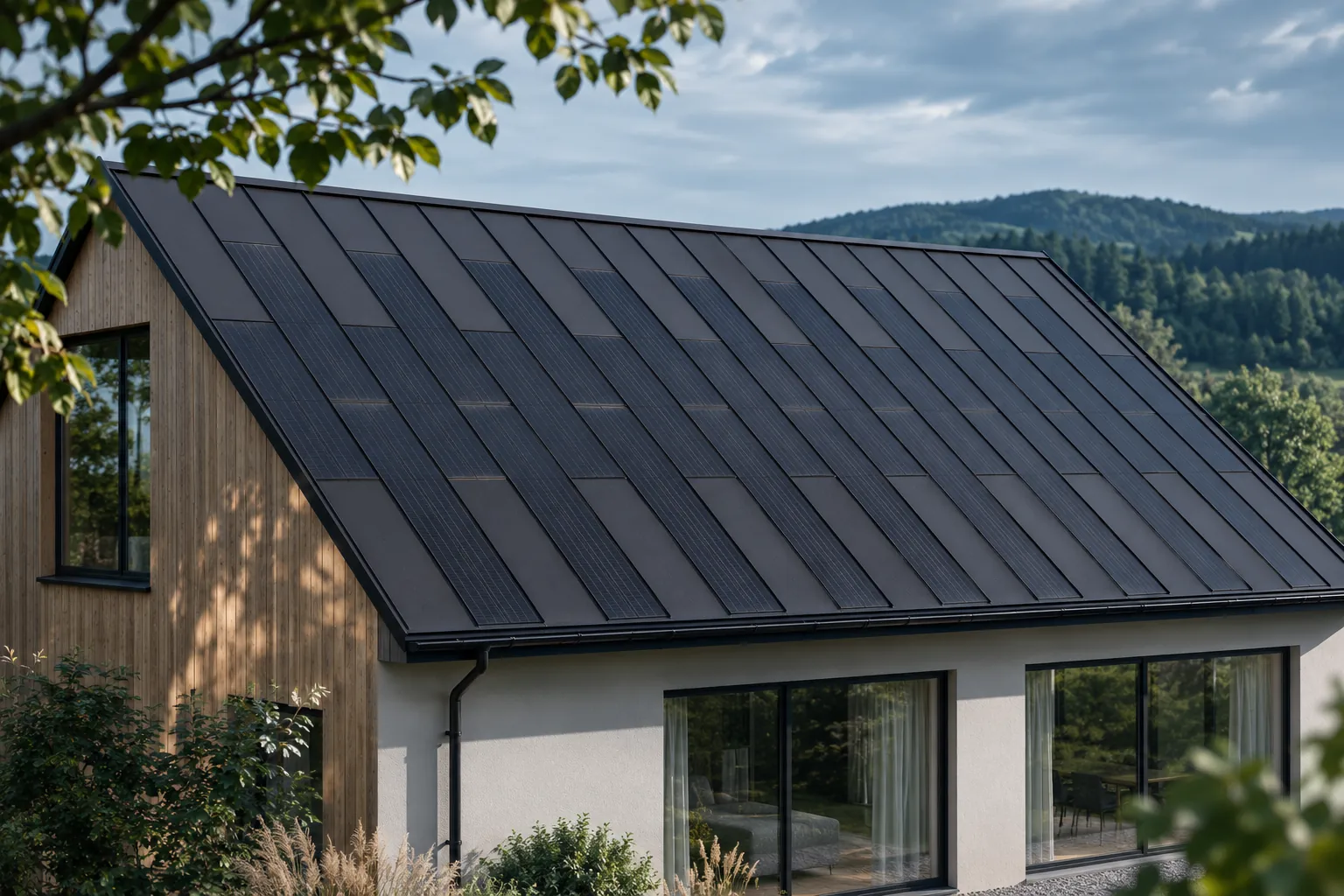
Scheduling electric car charging to use surplus rooftop solar power

Charging a car with energy from the roof requires more than simply plugging the car in on a sunny day. You need to know the home's current energy balance and have devices that can regulate consumption accordingly. The most important factors are the hours the car is parked, the minimum charging requirements and the priorities of other loads. A well-configured system helps to use surplus energy, but does not guarantee that every journey will be powered exclusively by your own energy. Surplus is the energy that remains after current demand and other planned flows have been taken into account. If the roof is producing a lot but appliances in the home are running, the power available for the car may be small. Control should therefore be based on proper measurement of the balance.

By |2026-11-15T20:22:49+01:002026-10-22|Blog|Comments Off on Scheduling electric car charging to use surplus rooftop solar power

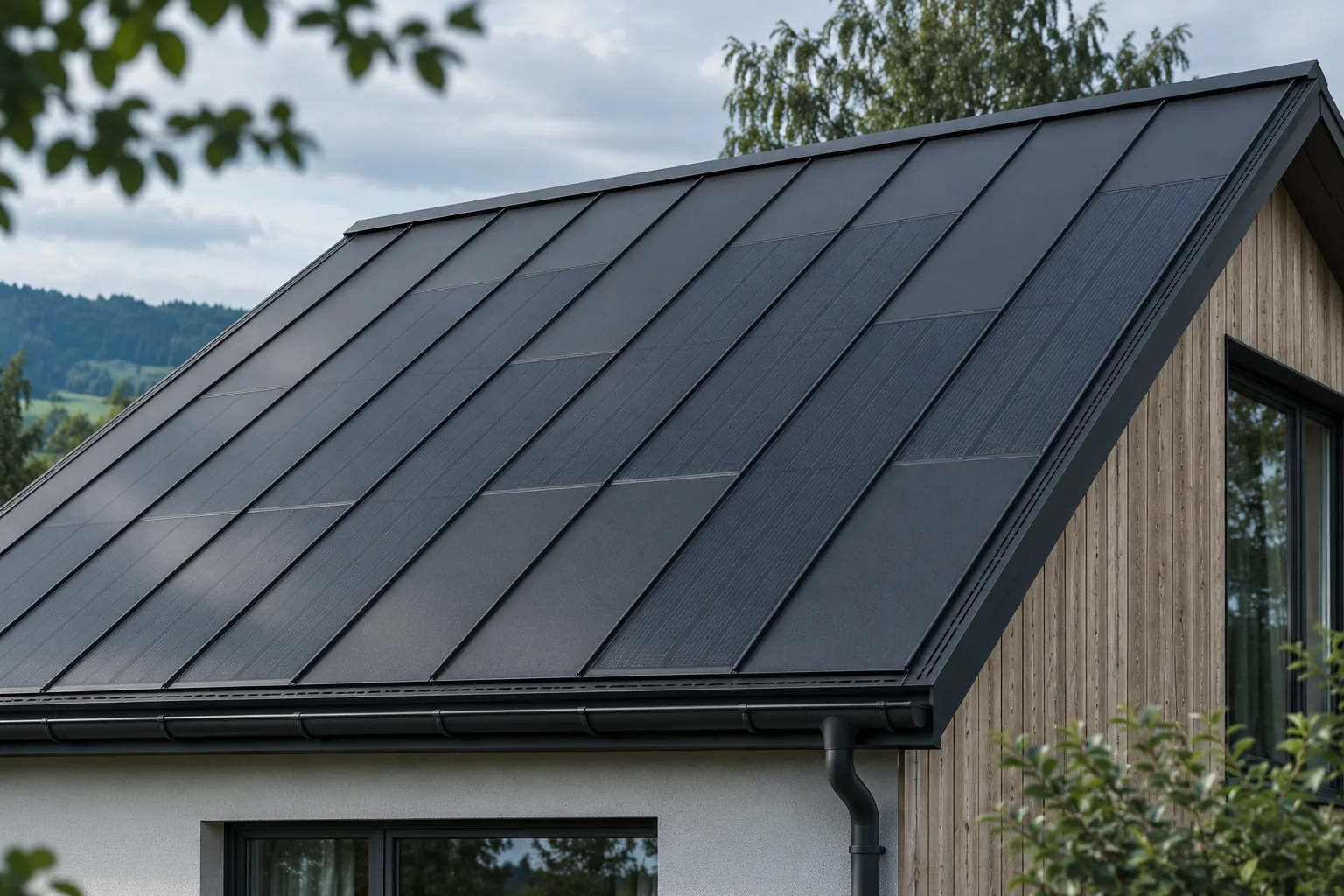
Checking ventilation beneath photovoltaic roof coverings

Ventilation under the covering should preserve the arrangement specified in the design throughout the entire service life. In practice, it may be altered by leaves, nests, later insulation or modification of the eaves. The inspection does not consist of raising active elements on one's own. First the documentation and visible symptoms are checked, and then the type of inspection is selected. In an integrated roof, both the building layers and the cables must be protected. The reference point is the design and the system instructions. They should show the required air supply, the flow path and the air discharge. Without this information it is difficult to assess whether a visible gap serves its proper purpose. One should not compare one's own roof with a random photo of another covering.

By |2026-11-15T20:22:50+01:002026-08-08|Blog|Comments Off on Checking ventilation beneath photovoltaic roof coverings

Can a photovoltaic roof power your home during a grid outage?

A roof that generates energy does not by itself guarantee that the home will have power after a grid failure. What is needed is a system designed for backup operation, with proper isolation from the grid and matching devices. Storage can extend the availability of energy, but its presence alone is not enough. Before buying, it is worth determining which loads should keep running, for how long and with what permissible interruption. A grid-tied inverter must respond to the loss of grid supply and must not accidentally feed energy into a disconnected section. That is why normal production stopping during a failure does not have to mean a roof fault. It follows from the principle of operation and the protective devices of the installation.

By |2026-11-15T20:22:31+01:002026-08-02|Blog|Comments Off on Can a photovoltaic roof power your home during a grid outage?

Replacing a single element of an integrated photovoltaic roof

Replacing a damaged section is possible in many system solutions, but its scope depends on the roof construction and the location of the fault. It does not always mean removing just one piece. Access to the fixings, connections and protective layers must be ensured. In an integrated covering, the repair should restore both energy production and correct roof performance. It is worth understanding the procedure before purchase. First, it must be confirmed what actually needs replacing. A drop in production may result from a connection, a device or operating conditions rather than from an active element. Visible damage to the covering also requires an assessment of its scope. Ordering a part on the basis of a distant photo alone may prove an unnecessary cost.

By |2026-11-15T20:22:45+01:002026-06-21|Blog|Comments Off on Replacing a single element of an integrated photovoltaic roof

Checking a photovoltaic roof after a severe storm

After a storm, it is worth distinguishing ordinary observation from a specialist inspection. People's safety and protection of the building come first. Only then should you gather information about the condition of the covering and the operation of the installation. On an integrated roof, damage may affect the building part, the electrical part, or both at once. The absence of an alarm in the app does not confirm the condition of all flashings, and lower production does not always mean damaged cells. Inspect the building from a safe place on the ground. Look out for displaced components, damaged gutters and objects lying on the roof. Inside, check for any traces of water. Do not walk on a wet roof surface and do not go near damaged cables.

By |2026-11-15T20:22:30+01:002026-01-31|Blog|Comments Off on Checking a photovoltaic roof after a severe storm

Handing over a photovoltaic roof to a new homeowner

Handing over a house with a photovoltaic roof should involve more than the gate remote and the last electricity bill. The new owner needs the roofing documentation, information about the installation and access to monitoring. They must know what works automatically, what must not be changed independently and who to report a problem to. An orderly handover preserves continuity of service and makes it easier to assess the condition of the building. Prepare the as-built design, a map of active components, the electrical schematic and the test certificates. Attach the instructions, warranty terms and documents concerning repairs carried out. A list of devices with their markings is also important. A promotional folder alone does not describe what was actually installed on a specific building.

By |2026-11-15T20:23:03+01:002026-01-17|Blog|Comments Off on Handing over a photovoltaic roof to a new homeowner

Protecting cables and connections beneath a photovoltaic roof

Cables under integrated roofing are barely visible, but their routing is crucial to how the system works. They need protection from damage, suitable environmental conditions and correct connections. Routes must be coordinated with water drainage, ventilation and service access. Roof aesthetics must not depend on hiding randomly routed cables. The most can be done at the design and installation stage. In a finished roof slope, access to the cables may require dismantling roofing elements. It is therefore worth establishing their route, connection points and building penetrations in advance. The design should account for the geometry of the active fields and the equipment requirements. Randomly shortening the route on site can conflict with roof detailing or hinder later servicing.

By |2026-11-15T20:22:34+01:002025-12-27|Blog|Comments Off on Protecting cables and connections beneath a photovoltaic roof

What to check before replacing a rooftop solar inverter

An inverter is matched to a specific installation, not merely to its approximate power rating. When replacing one, you need to check the parameters of the active strings, the wiring layout, the electronics and the planned functions. In an integrated roof, good documentation often makes it possible to carry out this assessment without disturbing the intact covering. The new device should suit the existing system and come with a clearly defined scope of commissioning and service. Two inverters of similar power may have different voltage ranges, currents and permitted configurations. The number of circuits and the way the active elements are connected both matter. If the installation uses optimisers or other electronics, their compatibility must also be confirmed.

By |2026-11-15T20:22:52+01:002025-12-25|Blog|Comments Off on What to check before replacing a rooftop solar inverter

Identifying a real drop in photovoltaic roof performance

Lower output does not always mean that the installation has deteriorated. The roof may be receiving less light, operating at a higher temperature or have a gap in data logging. To assess performance, you need to compare like with like and look for persistent deviations. The operating history, the roof-plane map and the event log are the most useful aids. A single weaker day rarely allows a reliable diagnosis. First, choose the right reference point. The maximum power read on an exceptionally good day is not the norm for every day of the year. A forecast with explicit assumptions and the history of comparable periods is better. Bear in mind that the weather also varies from one year to the next.

By |2026-11-15T20:22:17+01:002025-12-19|Blog|Comments Off on Identifying a real drop in photovoltaic roof performance

Choosing battery storage for an existing photovoltaic roof

An existing photovoltaic roof can be considered as an energy source for a battery storage system, but selecting the battery requires checking the entire installation. First, the objective must be established and the energy flows identified. Then the compatibility of the devices, the capacity, the power and the installation location are assessed. Comparing the number of kilowatt-hours with the roof output alone is too simplistic. What matters is when the surplus arises and when it will actually be needed. The most common objective is to shift part of the energy from the production hours to later consumption. Another may be a reserve in the event of a grid failure. These tasks are not identical. A battery used intensively every evening may have little reserve at the moment of a sudden interruption.

By |2026-11-15T20:22:33+01:002025-07-19|Blog|Comments Off on Choosing battery storage for an existing photovoltaic roof
Back to top