Roof and energy
Identifying a real drop in photovoltaic roof performance
In brief
Lower output does not always mean that the installation has deteriorated. The roof may be receiving less light, operating at a higher temperature or have a gap in data logging. To assess performance, you need to compare like with like and look for persistent deviations. The operating history, the roof-plane map and the event log are the most useful aids. A single weaker day rarely allows a reliable diagnosis. First, choose the right reference point. The maximum power read on an exceptionally good day is not the norm for every day of the year. A forecast with explicit assumptions and the history of comparable periods is better. Bear in mind that the weather also varies from one year to the next.
What result should the roof be compared with?
An annual difference on its own does not prove cell degradation.
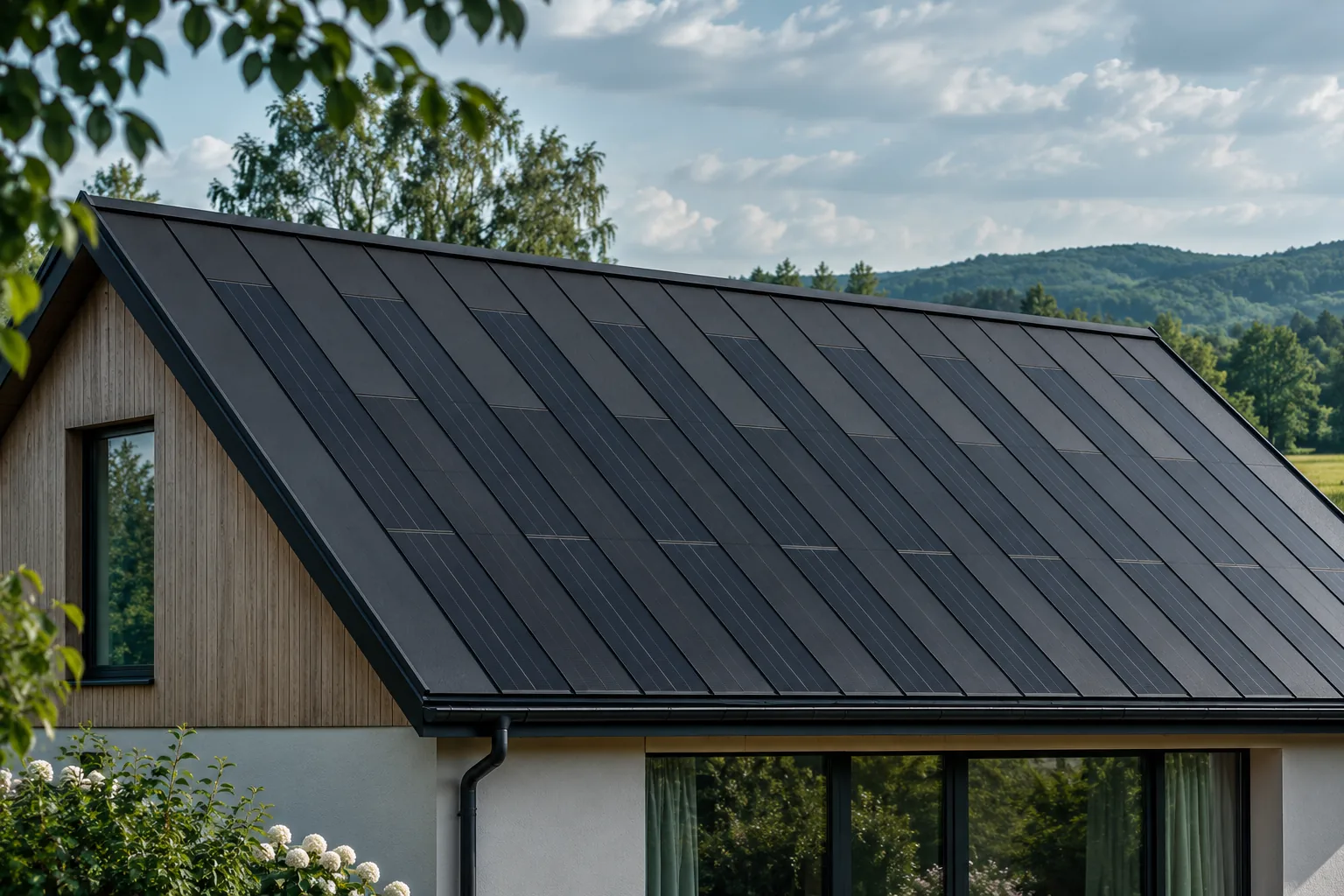
If you compare several roof slopes, take their power, orientation, pitch and shading into account. Two arrays with different orientations should not have an identical daily profile. On an integrated roof, an orderly map of the active areas makes such an analysis easier. Without it, it is easy to compare elements that have been operating under different conditions from the start.
Are the data complete and properly described?
Check whether the period under analysis contains a communication gap. Some applications backfill data with a delay, others may leave a gap. Also establish whether you are looking at production, export to the grid or self-consumption. A smaller amount of energy fed into the grid may result from greater use in the home, without any drop in production.
Before reporting, note the dates and extent of the missing readings. It is worth keeping an export if the system allows it. Do not manually correct figures to match expectations. Information about a gap is useful to the service team. Hiding it in an averaged value can make it harder to distinguish a measurement problem from a real deviation.
What changes in the surroundings are worth checking?
A growing tree, a new chimney or a rebuilt neighbouring building can change access to light. Leaves and local deposits can also affect the array’s performance. The inspection should be carried out from a safe place. You do not have to go up on the roof straight away to check whether a new obstacle has appeared in the surroundings.
It is helpful to compare photos taken at a similar time of year. Shading follows a seasonal pattern, so a summer view does not reproduce the winter situation. If the drop recurs at the same times of day, it is worth passing this observation on to the installer. It may focus the analysis on a specific area of the roof slope instead of the whole installation.
When should a device or connection problem be suspected?
A sudden change, a recurring alarm or a difference of one array relative to its own history may require an electrical check. On its own, however, it does not determine the cause. The service team should compare the data with the design and select the appropriate measurements. The owner should not experimentally rewire components to see whether the result improves.
The operating conditions of the inverter and the grid also matter. A limit on energy export may originate somewhere other than the roof surface. The report should therefore include device messages, not just a chart. With an integrated roof covering, good diagnostics help avoid unnecessary removal of functioning components.
How should slow changes over time be assessed?
The parameters of the cells may change over the operating period, but an assessment requires a sufficiently long and comparable data series. The power retention warranty has its own method and assessment conditions. It cannot automatically be equated with the annual energy read from an app. After all, that energy is also affected by the weather and the other devices.
If the suspicion concerns gradual deterioration, ask for an analysis that takes these factors into account. It is good when the contractor can identify what data is still needed. A reliable diagnosis may require measurement, not just a comparison of two invoices. The result should lead to a specific decision on further monitoring or repair.
In the analysis report, it is worth retaining the reference period adopted. This way, a future check will not be based on a different, randomly chosen baseline.
What should be done once the cause has been confirmed?
Commission the action that matches the finding. Cleaning will not repair a faulty connection, and replacing the inverter will not remove shade from a tree. After the intervention, record the scope of work and check the return to the expected behaviour. If the covering was dismantled, the inspection should also cover the reinstated roof details.
An integrated system is worth assessing as a whole, but repairing on the basis of the identified cause. This preserves the aesthetics and limits unnecessary costs. An owner with a good data history and documentation has an easier path to such a decision. They do not have to rely on intuition or on comparison with a neighbour’s random installation.
Among the manufacturers and brands of photovoltaic roofs are Electrotile, Autarq, ML System, Ennogie, MDM NT (MyRoof), SolRoof, LUMA Solar, SunRoof, Wienerberger Wevolt and BIPVco.
7 branches. Materials closer to your project.

- SEROCK — Dzierżenin 34 E
- BŁONIE — ul. Sochaczewska 138A
- RADOM — ul. Grobickiego 8
- ŁÓDŹ — Natolin 8
- OLSZTYN — Barczewo, ul. Prosta 9
- WROCŁAW — ul. Jerzmanowska 10C
- GORZÓW WLKP. — ul. Zielona 33/34