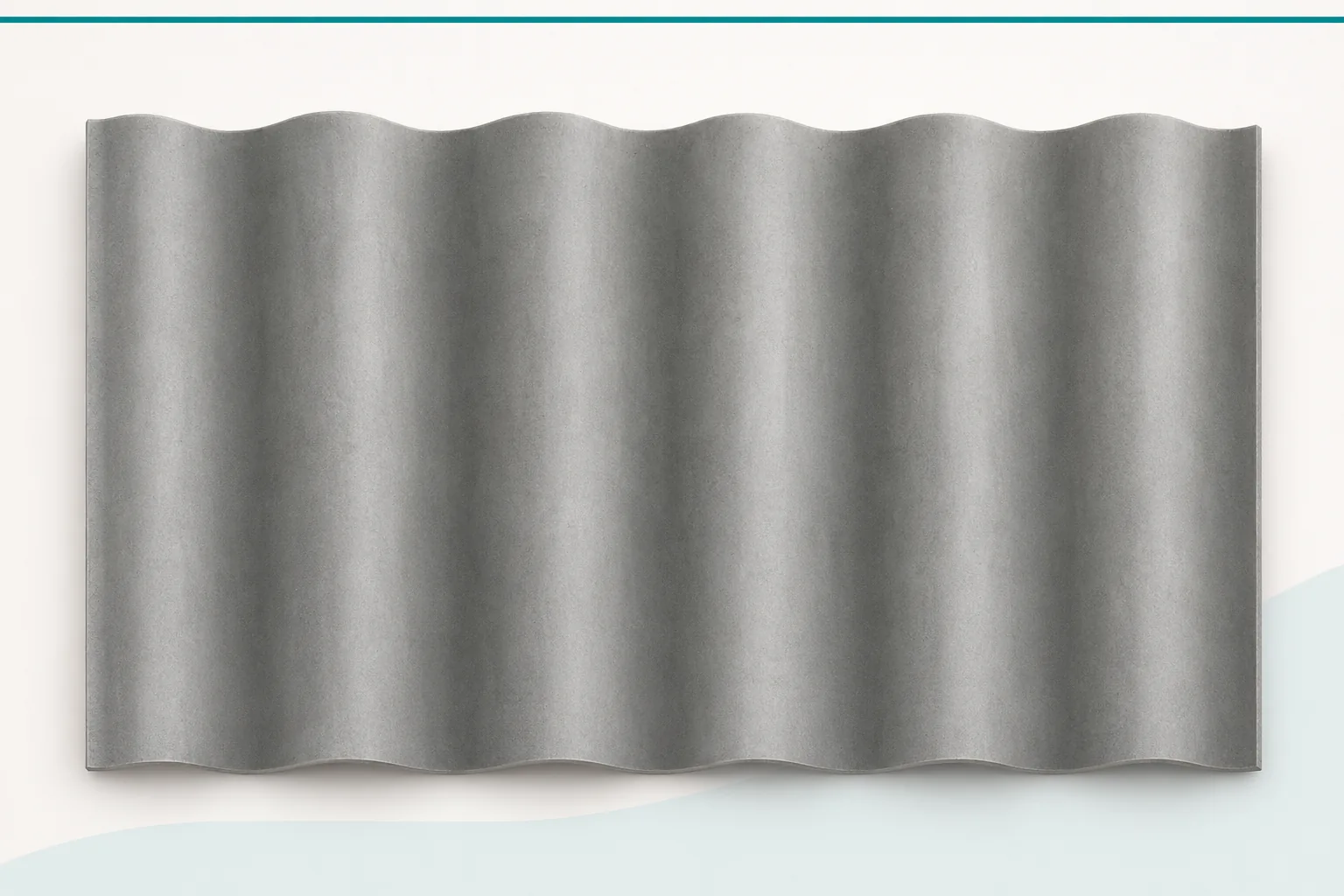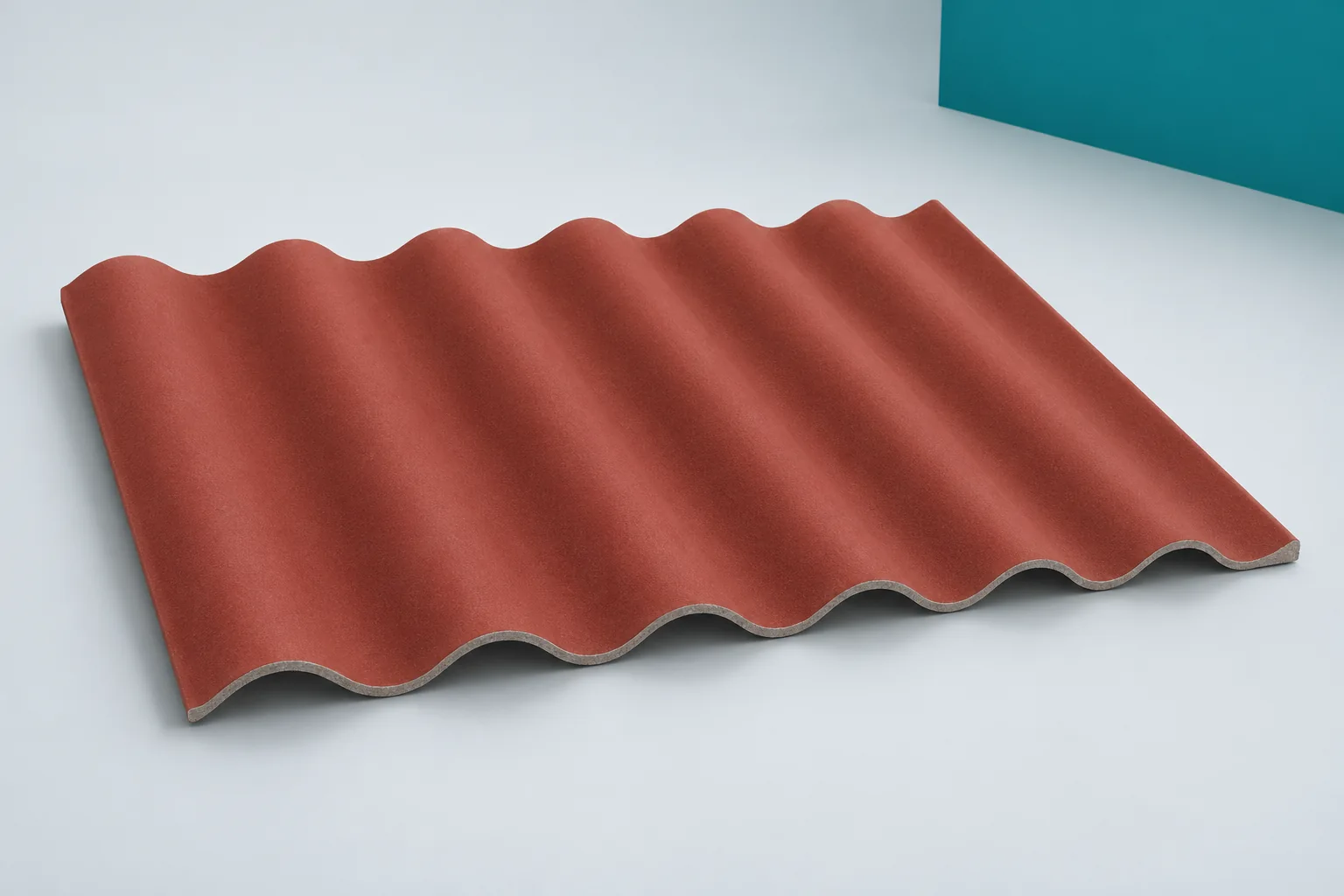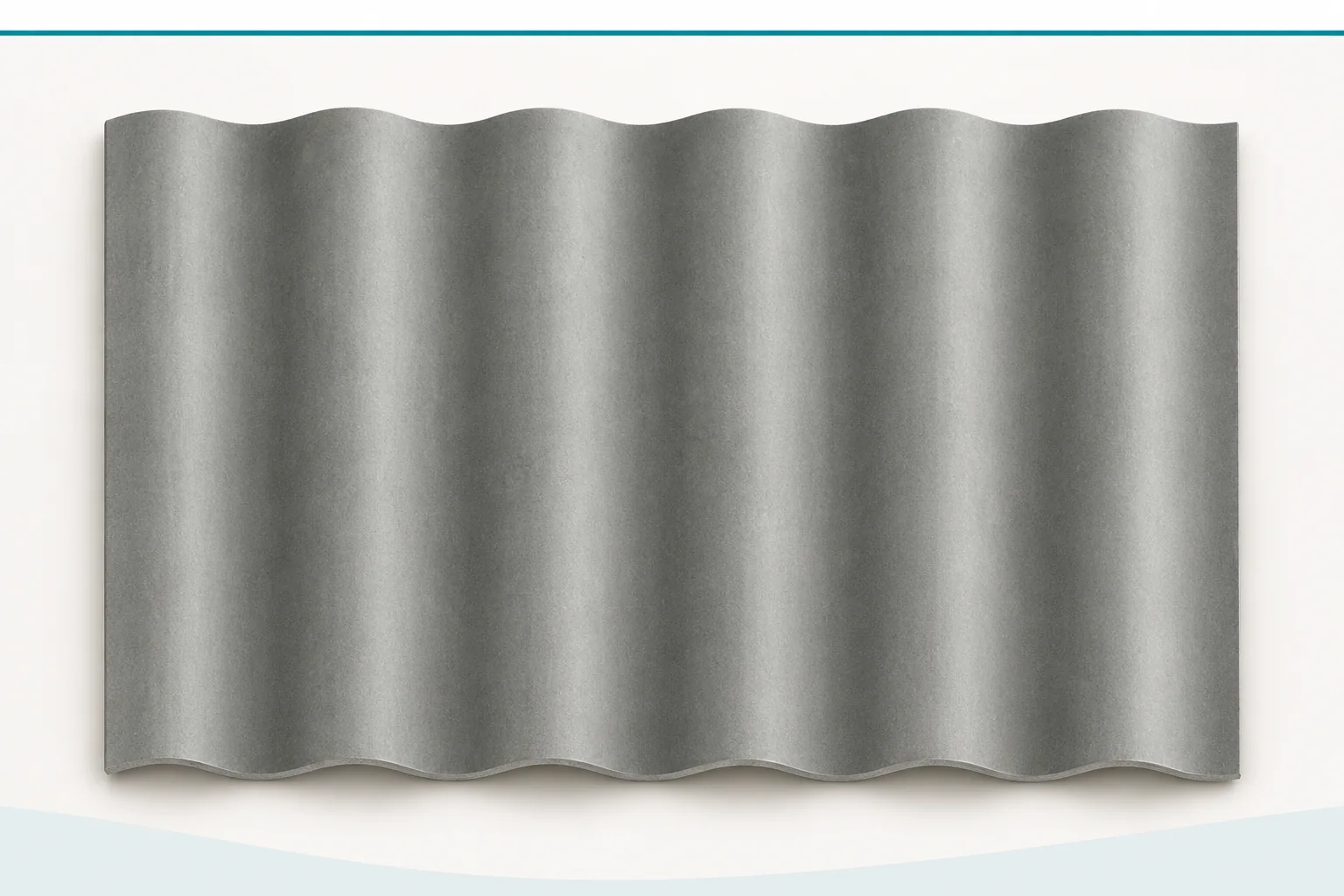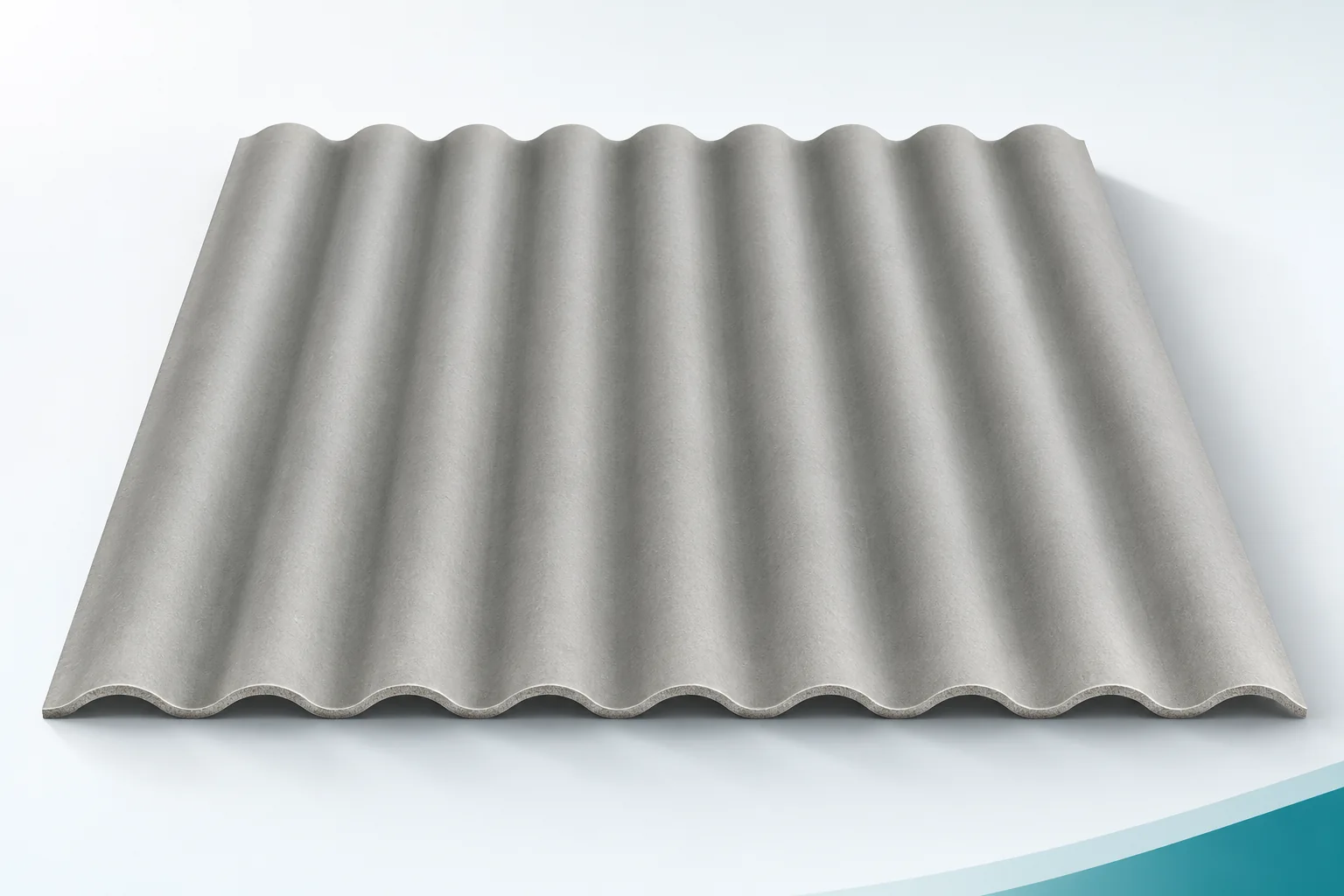
Transporting fibre cement sheets: from loading to unloading

Damage to the roofing can begin before the material even reaches the roof. Corrugated fibre cement sheets must be transported and unloaded with protection for the edges, the surface and the entire packs. Asbestos-free fibre cement is a durable building material, but it remains brittle when struck or inadequately supported. A good delivery requires preparing the receiving area. When ordering, the sizes and weights of the packs and the method of lifting them off must be established. Information is needed about the unloading equipment and the required manoeuvring space. Not every yard allows a vehicle to be positioned next to the building. It is better to check the gate, the access route and the ground before confirming the date. It is worth naming a specific person responsible for receiving the delivery.
2026-11-15T20:23:04+01:00

Lifting fibre cement sheets onto a roof without damage

Lifting the roofing onto the roof should be planned before installation begins. Fibre cement sheets are fragile under impact and do not tolerate accidental bending. Asbestos-free fibre cement requires the correct method of gripping, transporting and setting down. How this work is organised affects both the safety of the people and the condition of the sheets. Two sheets of similar material can differ considerably in size. Before choosing a lifting method, you need to know their actual weights and lengths. Do not rely on the general assumption that fibre cement is light. The place where the sheet is to be handed over to the team at height is also important. A large format reduces the number of joints on the roof slope but increases the transport requirements.

2026-11-15T20:23:07+01:00

Drilling corrugated fibre cement sheets without chips or cracks

The hole in a roof sheet is part of the fixing, not an arbitrary place for a screw. Corrugated fibre cement sheets require the correct position, diameter and method of hole formation. Asbestos-free fibre cement can crack if it is pierced or over-tightened. Well-prepared drilling helps maintain weathertightness and the ability of the covering to perform. The position of the fixings is determined for the specific profile and supports. On a roof, penetrations through the crest of the corrugation are often specified, but the exact arrangement must be read from the instructions. Do not count corrugations from a random photograph. The direction in which installation begins is also important. Before drilling, it is worth checking that the marked point aligns with the appropriate support.

2026-11-15T20:23:19+01:00

Factory-prepared fibre cement sheets: holes and corner cuts

Factory-drilled holes and cut corners can reduce the amount of work needed on site. Fibre cement sheets prepared in this way still require a proper installation plan. Asbestos-free fibre cement cannot simply be laid in any direction. The preparation helps when the sheet variant matches its position on the roof slope. The holes and corner cuts are not arbitrary finishing details. The manufacturer prepares them for a particular overlap arrangement and installation direction. Before ordering, check how each version is identified. Sheet size and colour alone do not explain its intended position within the system. Establish from the outset which elements are needed in the middle of the roof slope and which at its edges.

2026-11-15T20:23:22+01:00

Cutting fibre cement: edges, dust and tool selection

A good cut starts with the cutting plan and a prepared workstation. Fibre cement sheets must be worked in a way that does not damage the edges and keeps dust to a minimum. Asbestos-free fibre cement contains no asbestos, but fine mineral particles are still produced during cutting. The choice of tool should follow the instructions for the specific product. Rules for a new sheet with a confirmed composition must not be transferred to an old roof. Neither the wave profile nor the colour allows asbestos to be identified. If the origin of the material is unknown, do not begin with a trial cut. Documentation or proper identification is needed. An old product containing asbestos requires a suitably prepared contractor and a separate procedure.

2026-11-15T20:23:09+01:00

Storing corrugated fibre cement sheets: keeping them dry and ventilated

Once installed, a rain-resistant sheet should not have been lying in a wet pack. Corrugated fibre cement sheets require a prepared storage area and protection suited to the delivery. Asbestos-free fibre cement can remain on site until installation, but storage conditions affect the appearance, geometry and ease of subsequent work. On the roof slope, water runs off the surface and the material is in contact with the air. In a tight stack, moisture can remain trapped between the sheets. For this reason, weather resistance does not mean the material can be stored any way you like. The pack must be protected against flooding and against water remaining inside for long periods. It is not enough to check whether rain is falling directly from above.

2026-11-15T20:23:06+01:00

Fibre cement roofing on timber: checking supports and fixings

Installation on timber requires checking more than just the sheets themselves. Corrugated fibre cement sheets need supports in the right condition, at the right spacing and with the right geometry. Asbestos-free fibre cement will not compensate for an uneven or weakened roof structure. Before work begins, the covering layout must be agreed with the structure and fasteners suited to a timber substrate must be selected. When renovating, the condition of the timber, the connections and the supports must be checked. Visible damp, signs of degradation or deformation require investigation. It cannot be assumed that the structure is sound simply because it carried the old covering. The new layout may distribute loads differently and have different support requirements. If some areas are concealed, the scope of the inspection must be completed after dismantling.

2026-11-15T20:23:21+01:00

Tightening corrugated roof fixings without damaging the sheets

A tight fastening is not achieved by driving the screw in with maximum force. Corrugated fibre cement sheets require system-compliant pressure without crushing the material or restricting its movement. Asbestos-free fibre cement can crack at the fastener if the connection is made too rigidly. The seal, the hole and the support should work together. The screw holds the sheet on the support, and the washer with seal limits water access to the hole. The connection is not there to pull a warped sheet onto an uneven structure. If incorrect positioning is visible before tightening, its cause must first be established. Stress forced by the fastening may remain invisible on the day of installation. Later temperature changes or loads may reveal the problem.

2026-11-15T20:23:24+01:00

Planning safe maintenance access to a corrugated fibre cement roof

The roof should remain safely inspectable even several years after installation. Corrugated fibre cement sheets are not a walking surface, even when they have reinforcing strips. Asbestos-free fibre cement requires planned access to equipment, gutters and details. It is best to establish this before additional installations appear on the roof slope. On the roof plan, mark equipment, skylights, the ridge and other places requiring maintenance. Not every element has to be checked from the roof slope itself. Some inspections can be carried out from the ground, a platform or from inside. It is worth starting with methods that do not require loading the fragile covering. The frequency and type of work influence the access solution.

2026-11-15T20:23:25+01:00
Back to top