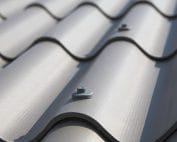
Fibre cement roofing
Transporting fibre cement sheets: from loading to unloading
In brief
Damage to the roofing can begin before the material even reaches the roof. Corrugated fibre cement sheets must be transported and unloaded with protection for the edges, the surface and the entire packs. Asbestos-free fibre cement is a durable building material, but it remains brittle when struck or inadequately supported. A good delivery requires preparing the receiving area. When ordering, the sizes and weights of the packs and the method of lifting them off must be established. Information is needed about the unloading equipment and the required manoeuvring space. Not every yard allows a vehicle to be positioned next to the building. It is better to check the gate, the access route and the ground before confirming the date. It is worth naming a specific person responsible for receiving the delivery.
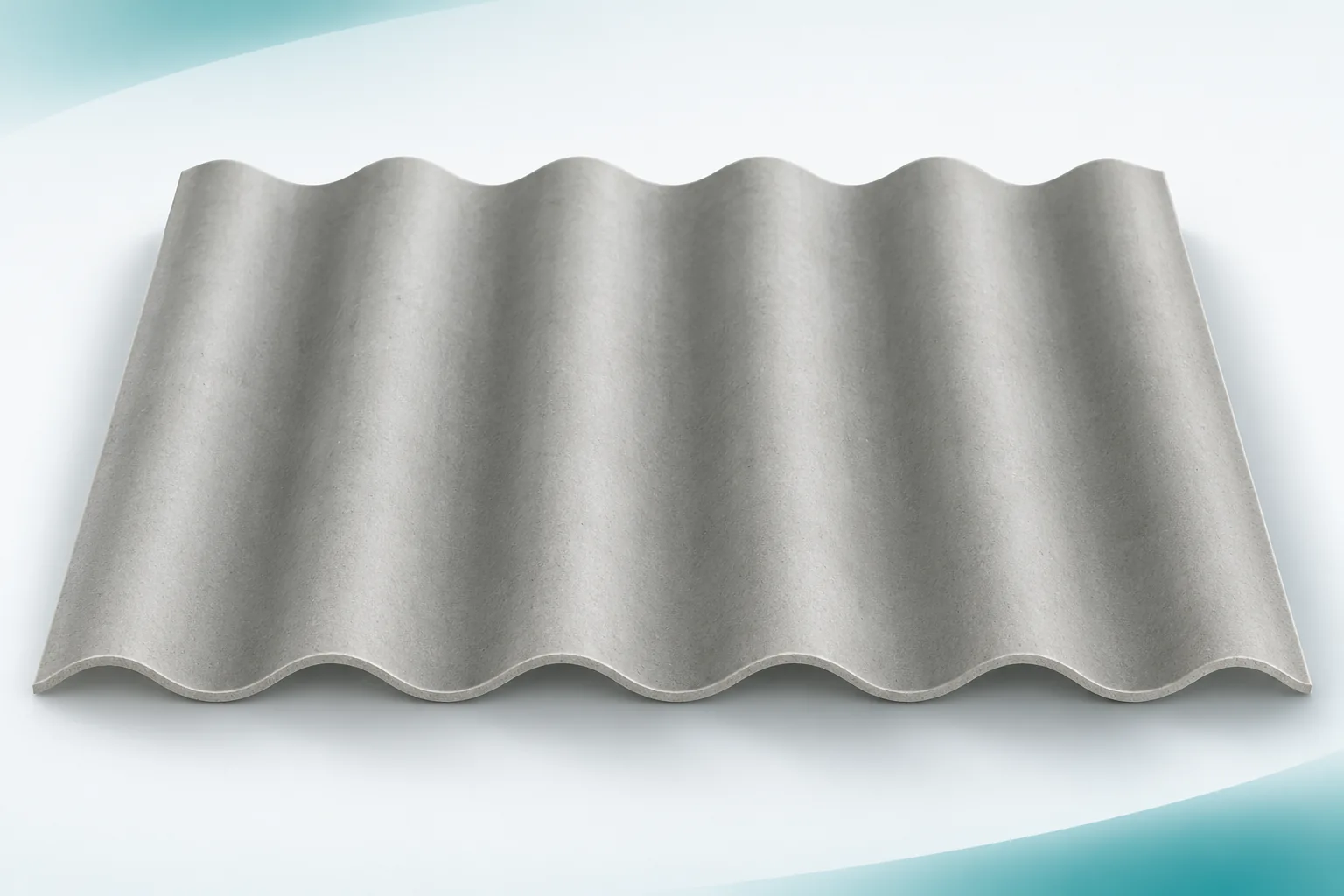
Agree the conditions before the vehicle sets off
It should have a schedule of formats and accessories and know where each pack will go. Unloading in a hurry encourages mistakes. If the prepared area has been taken over by other materials, this problem must be resolved before the transport arrives.
A pack needs stable support
Corrugated fibre cement sheets should be transported in accordance with the supplier’s requirements, on supports and in packaging intended for this purpose. An uneven base can cause unfavourable sagging of the stack. Do not improvise with point support under a random section of the corrugation. The load should be distributed as intended for the pack.
Securing the load should limit movement without damaging the surface. The pressure of transport fastenings must not act directly on an unprotected edge. The method of securing and lifting the entire pack should be agreed with the carrier. The film alone is not an element by which the goods can be safely lifted.
Protect against water even while stationary
A finished sheet working on the roof and sheets tightly stacked together have different drying conditions. Water between them can remain for considerably longer. Corrugated fibre cement sheets therefore require proper protection in transport. It must also be checked whether the packaging has been torn open previously.
Asbestos-free fibre cement does not become insensitive to a wet pack. Trapped moisture encourages stains and efflorescence, and improper storage can affect the geometry. However, a random decision should not be taken to wrap the entire pack tightly in additional film. Further protection is selected according to the instructions for the specific delivery.
Unloading requires equipment matched to the pack
The load capacity of the equipment is assessed for the actual lifting conditions, not just the machine’s name. The weight of the load, the reach and the way it is taken up all matter. Unloading should be carried out by persons trained to operate the equipment. An unstable pack must not be saved by supporting it with hands during the manoeuvre.
The route from the vehicle to the storage area must be free of obstacles. Corrugated fibre cement sheets should not pass over an area in use without proper organisation. It is worth limiting the number of times the pack is moved. Every additional transfer increases the risk of impact, scratching or damage to the corner.
Inspect the goods before stacking
On receipt, the markings, formats, quantity and visible condition of the material are compared with the order. The packaging and accessible edges are checked. Damage is documented with photographs, preferably showing its position in the pack. This makes it easier to clarify when and where it may have occurred.
Sheets from different deliveries should not be mixed straight away, nor should all labels be removed. If any doubt arises, it is worth separating the batch in question for assessment. A cracked sheet is not laid on the assumption that the overlap will cover the defect. A later replacement on the roof will be more difficult than stopping it at the receipt stage.
Lift individual sheets rather than dragging them
Sliding one sheet over another can scratch the surface and damage the edges. The sheet should be lifted in accordance with the recommended handling method. The number of persons and the equipment depend on its size and weight. A long element should not sag excessively during manual transport.
Corrugated fibre cement sheets require particular care at the corners. Even a minor chip can make it difficult to form the joint at a given point. A sheet is not carried by a fitting or by an accidentally drilled hole. The grip should correspond to the instructions, and the work area should remain free of dust and debris.
Prepare the storage area before delivery
The ground must be level, stable and protect the pack from water from the ground. It is not worth choosing a spot under a gutter outlet or on the route of heavy machinery. The cover should protect against precipitation and allow the required air circulation. The unpacking rules may depend on the type of sheet surface.
Asbestos-free fibre cement should be laid so that the labels can be read and the material can be removed safely. Accessories are stored in a way that protects their shape and coatings. Random weights should not be placed on the pack. The stacking limit results from the pack documentation, not from the free height of the warehouse.
Organise receiving as the first stage of quality
Good delivery inspection saves time on the roof. The installer should know where sheets of different formats and preparation variants are located. Material that has been checked goes to installation, not one pulled out at the last moment from an unlabelled pack. This allows the correct direction of work and arrangement of rows to be maintained.
It is worth keeping photos of the condition after unloading and the batch markings. They do not prove every future defect, but they keep the documentation in order. When a colour difference or damage needs to be clarified, it is clear which material the matter concerns. Transport then becomes a controlled start to the works.
Before delivery, confirm the weight of the packs, the unloading equipment and a dry place for setting them down. These three arrangements limit most improvisation on site.
7 branches. Materials closer to your project.

- SEROCK — Dzierżenin 34 E
- BŁONIE — ul. Sochaczewska 138A
- RADOM — ul. Grobickiego 8
- ŁÓDŹ — Natolin 8
- OLSZTYN — Barczewo, ul. Prosta 9
- WROCŁAW — ul. Jerzmanowska 10C
- GORZÓW WLKP. — ul. Zielona 33/34