






Blog
The Izoprofil.net blog answers practical questions about renovation, extensions and the sequence of work. Find out where to start looking for a leak, when to order roofing sheets, how to prepare a delivery area and what to establish before installing insulation. The articles cover measurements, the condition of existing components and order details for roofing, sandwich panels and PIR insulation. They explain which information to collect and when an on-site assessment by a professional is needed. Choose the article that matches the current task so you can prepare a more accurate materials enquiry and reduce rework.
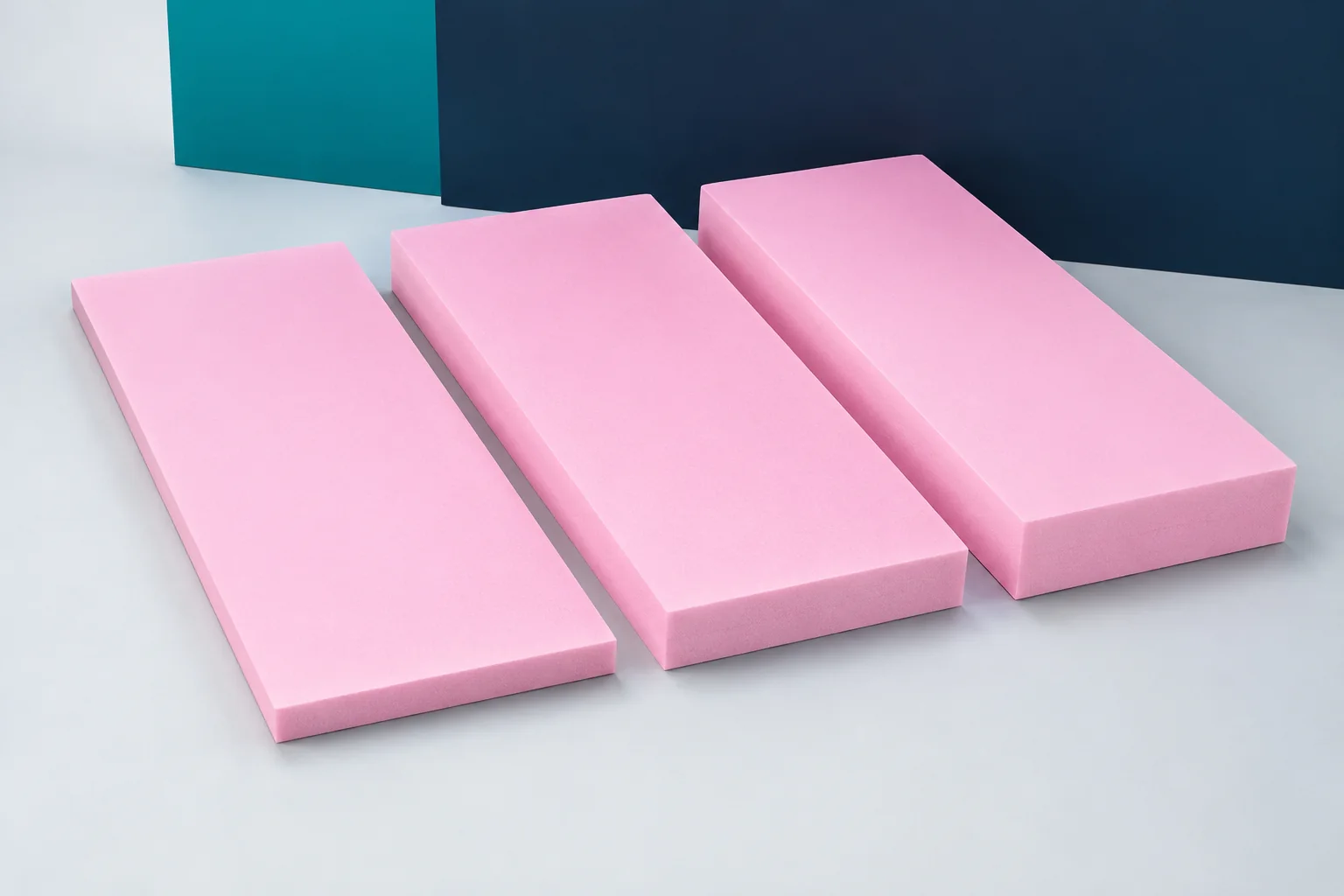
Gaps between XPS boards: planning the insulation layout
Careful XPS installation begins before the first cut. The boards must be laid out, the direction of the rebated edges established and the locations of cut pieces anticipated. Extruded polystyrene provides good insulation performance in a continuous layer, but wide gaps can weaken the effect. The colloquial term styrodur does not indicate what edge profile the supplied material has. It is precisely the geometry that helps in choosing the correct laying method. Starting the laying from a random wall can leave a very narrow strip at the end. It is worth checking the dimensions of the surface and the covering size of the XPS boards in advance. This is not always equal to the external dimension, particularly with a rebated edge. A good plan reduces the number of small fragments and makes it easier to form the edges.
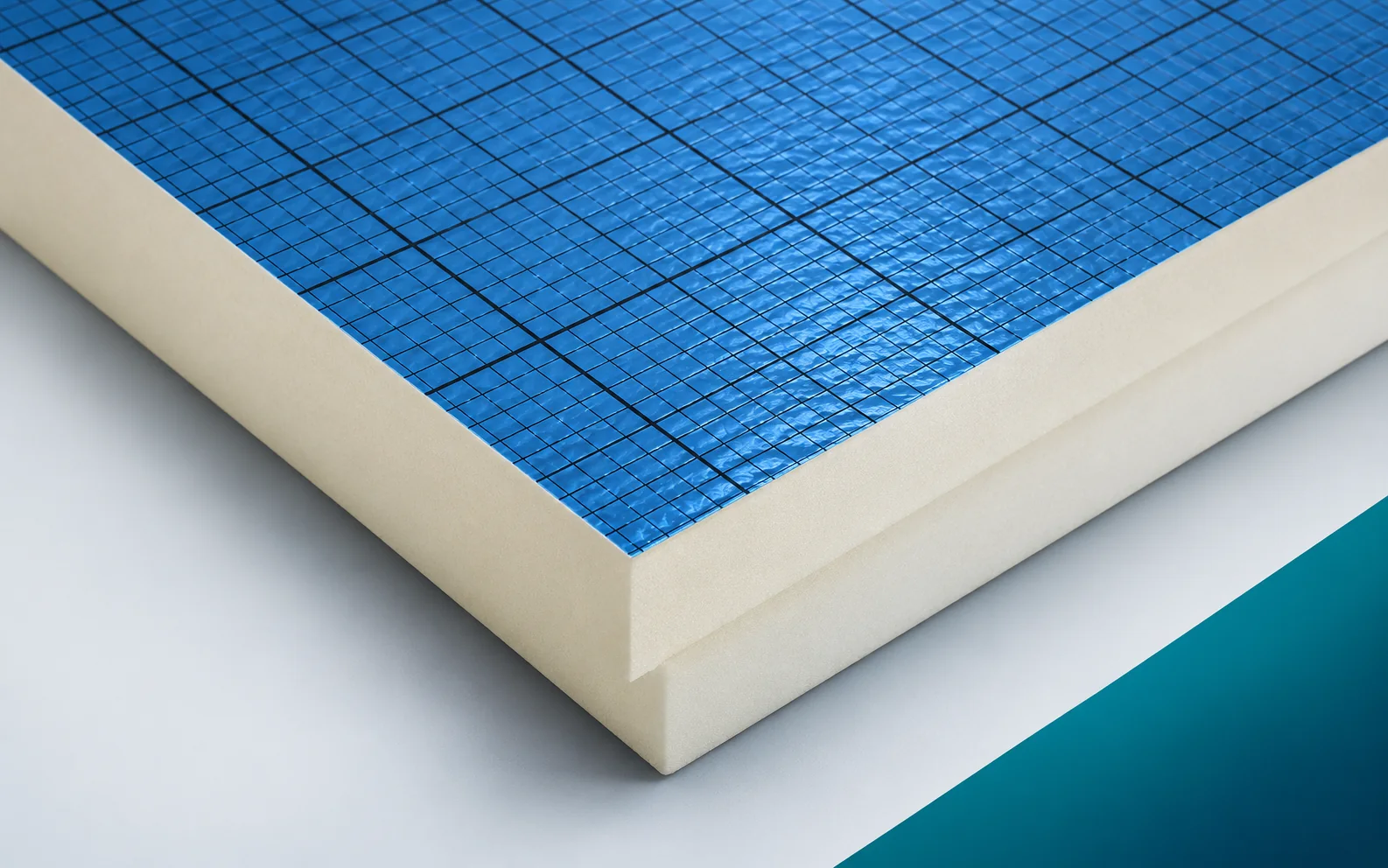
SOPREMA EFYOS BLUE A on site: delivery checks, cuts and laying
The BLUE A section starts at the termination of the insulation at the parapet, not with a full board in the field. Before unloading, the crew should have a parapet cross-section with the levels of all layers, because this is what determines the working sequence and the storage location. The first strip laid at the parapet sets the edge variant and the levels for the rest of the run. Checking the actual termination at the start lets you catch a discrepancy before it is repeated across the whole scope of the flat roof insulation under the waterproofing.
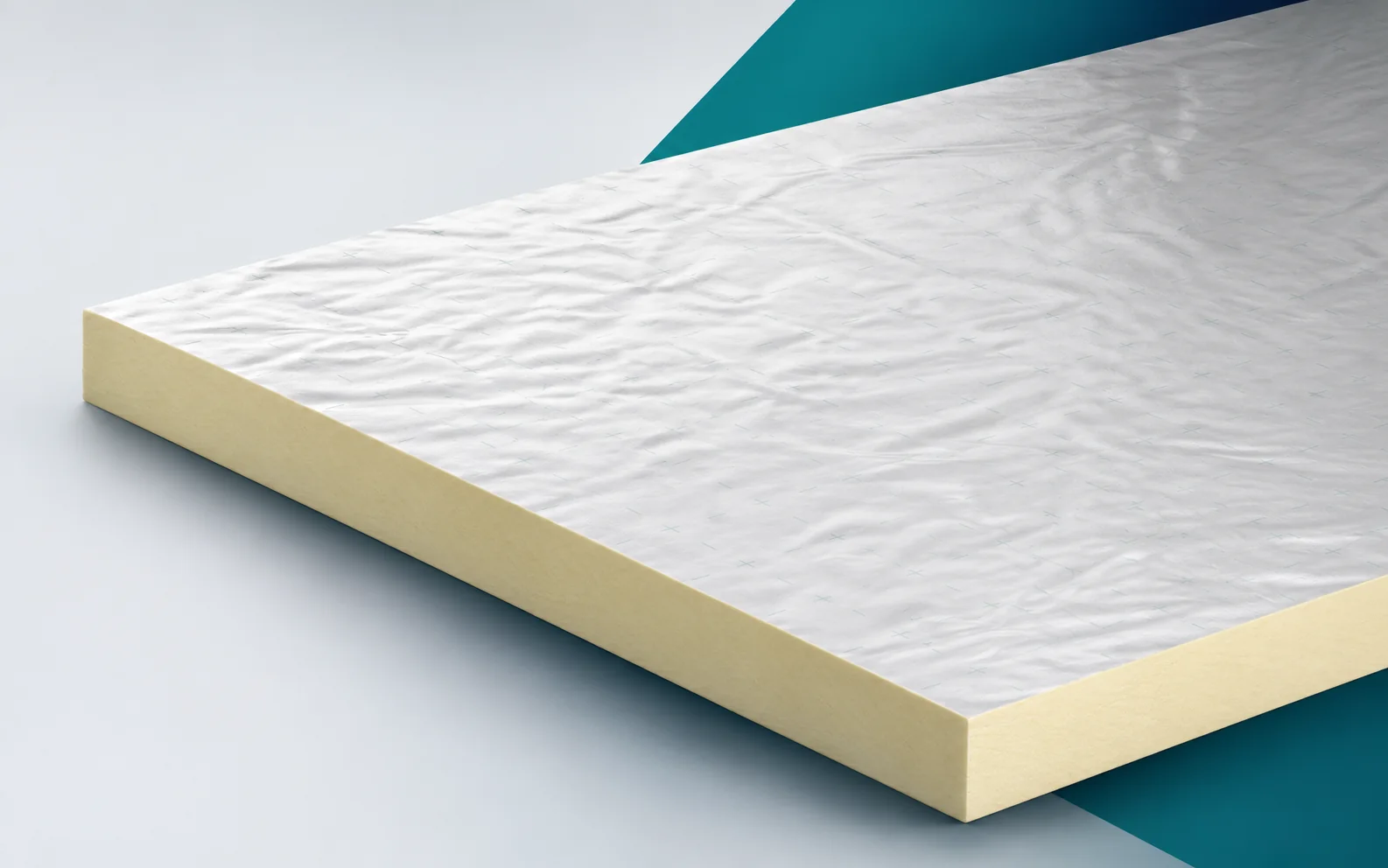
Kingspan board delivery: how to check compliance with the documentation
Kingspan Therma TR26 and Therma TR27 have a PIR core, whereas the Kooltherm family is based on phenolic foam, so the brand name alone does not indicate the type of insulation. At the check-in before the material is split between the workstations, the team establishes the core, the facing and the place of application, because a project description limited to the manufacturer's name does not allow the delivery to be assigned to the correct section of the building envelope. Clear labelling of the packaging makes it easier to spot discrepancies before installation, before a similar facing is taken to be the same product.
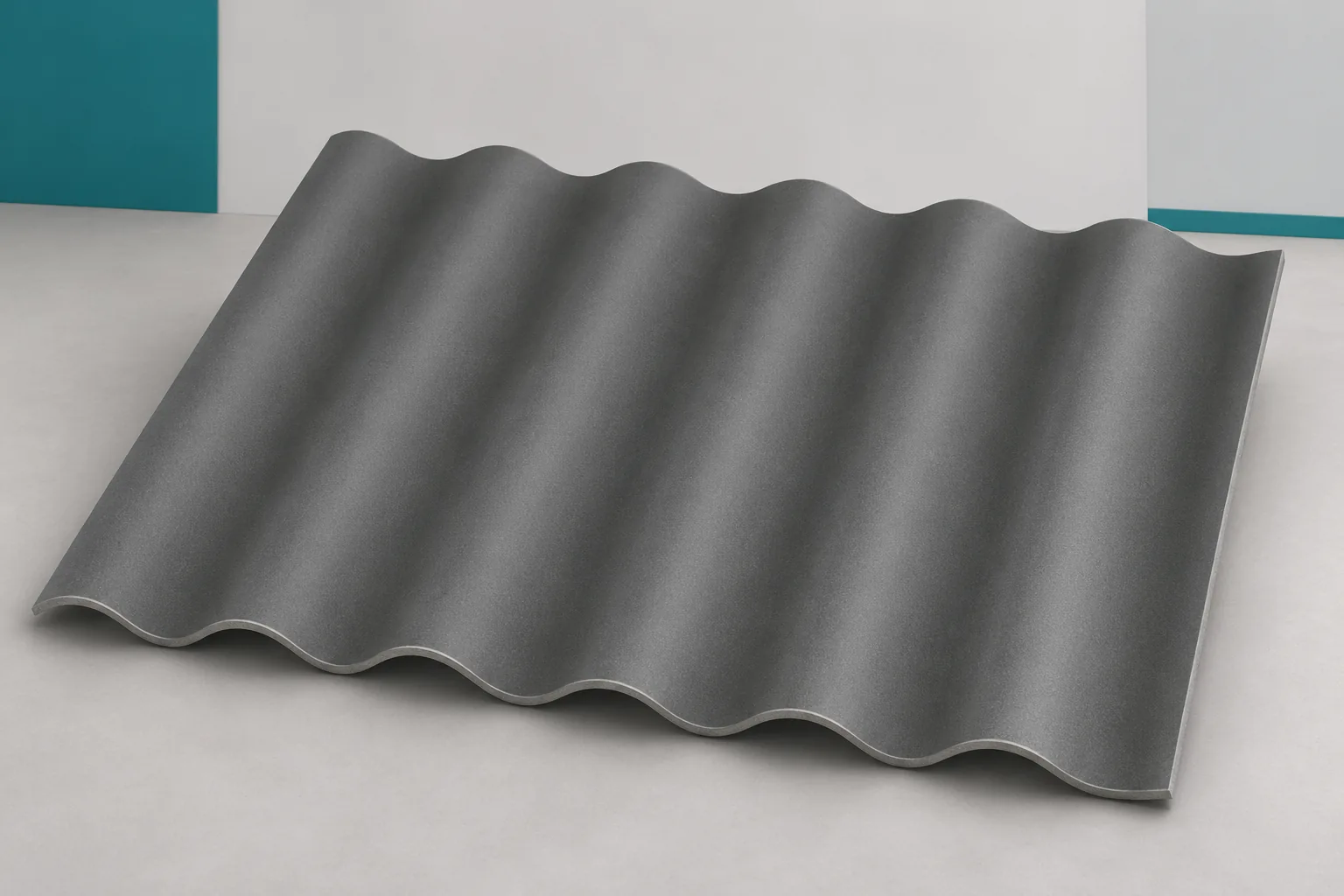
Why fibre cement sheets crack during fixing
A crack at the screw usually means the whole connection needs to be checked. Fibre cement sheets are brittle and can react to localised stress. Asbestos-free fibre cement should not be repaired simply by tightening the fastener harder. First it must be established whether the problem comes from the hole, the contact pressure, the support or some other effect. The correct diameter allows the sheet's intended movement relative to the fastener to be maintained. A hole that is too tight can restrict this. The way the hole is made is equally important. Punching through the sheet or chipping the edge of the hole leaves a spot prone to further damage. No single clearance dimension should be given for all profiles. The requirements depend on the product and the fastener.
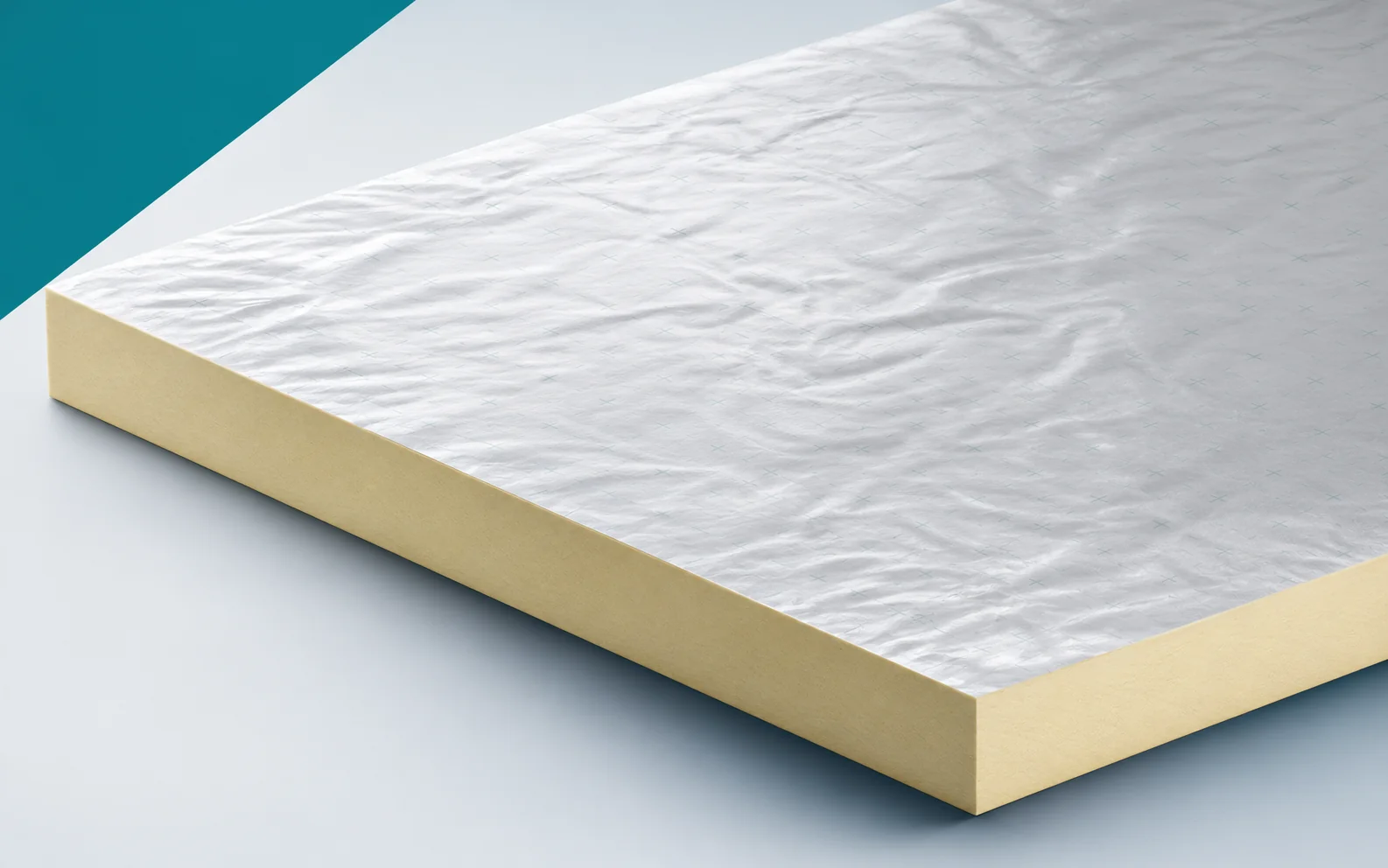
Installing Therma TT46: reading the plan and laying tapered boards
Therma TT46 is a variable-thickness PIR board with aluminium-containing facings on both sides, used to create falls on flat roofs and able to complement a build-up with Therma TR26 boards. At the pre-installation briefing, the team discusses the roof area containing this element, where the thermal insulation must be coordinated with the direction of drainage. The tapered boards must be arranged according to the position of the outlets and obstacles on the roof surface before the material is distributed among the work stations. A correct board turned round or laid in the wrong place can change the drainage geometry, so the delivery plan should support the installation sequence resulting from the roof plan.
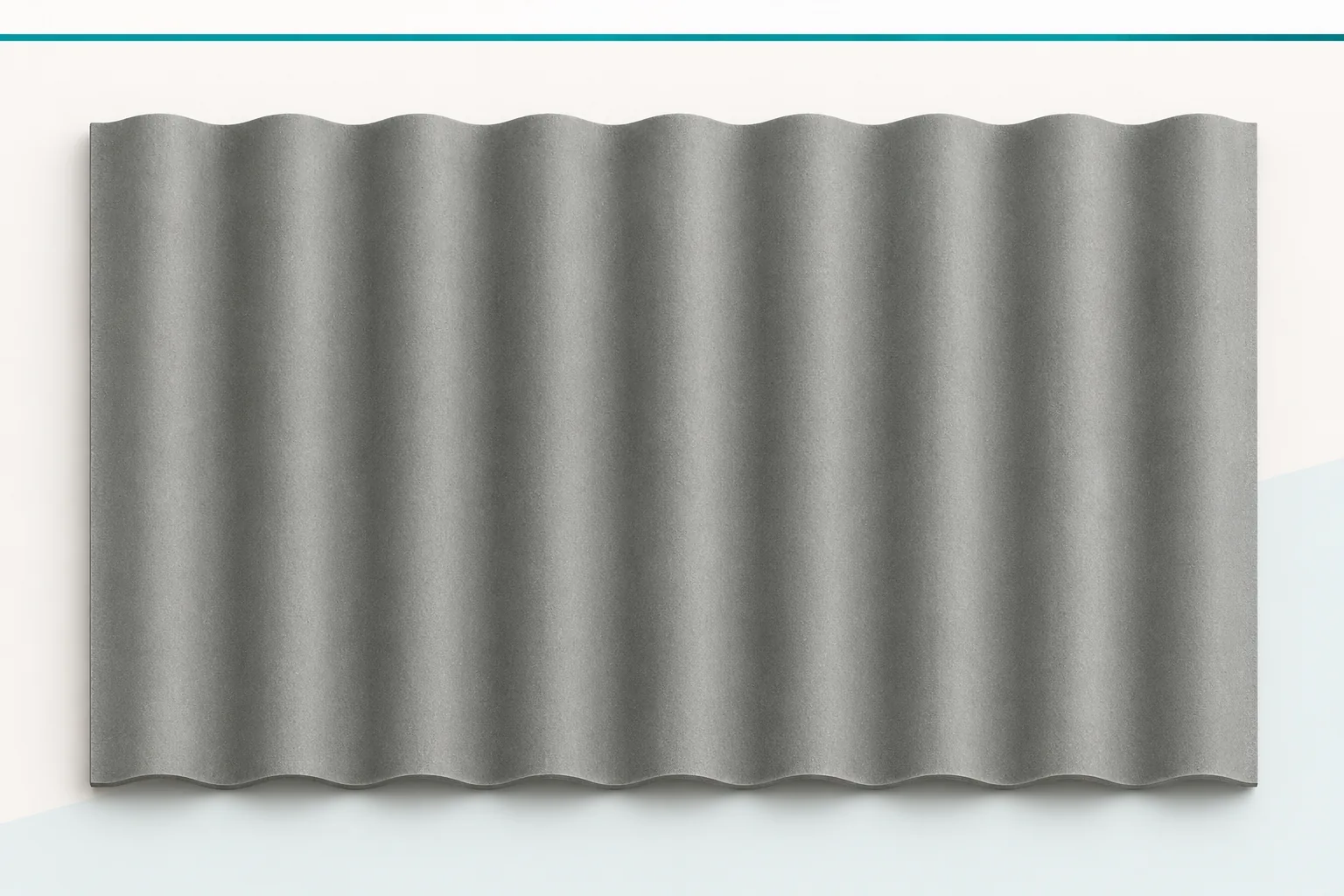
Moss on corrugated roofing: cleaning without surface damage
Green growth on a roof does not always mean that the covering has stopped working. Fibre cement sheets can become overgrown with moss, algae or lichen over time. The location and scale of the phenomenon matter. Asbestos-free fibre cement should be cleaned using a method suited to the material, without damaging the surface and without walking on the sheets. Moss, lichen, deposits from the surroundings and mineral efflorescence have different causes. Colour alone is not enough to choose a preparation. It is worth checking whether the change forms a thicker layer or is merely a discolouration. In cases of doubt, an assessment by a contractor familiar with the material is helpful. A white bloom may be associated with the movement of calcium compounds during dampening and drying.