






Blog
The Izoprofil.net blog answers practical questions about renovation, extensions and the sequence of work. Find out where to start looking for a leak, when to order roofing sheets, how to prepare a delivery area and what to establish before installing insulation. The articles cover measurements, the condition of existing components and order details for roofing, sandwich panels and PIR insulation. They explain which information to collect and when an on-site assessment by a professional is needed. Choose the article that matches the current task so you can prepare a more accurate materials enquiry and reduce rework.
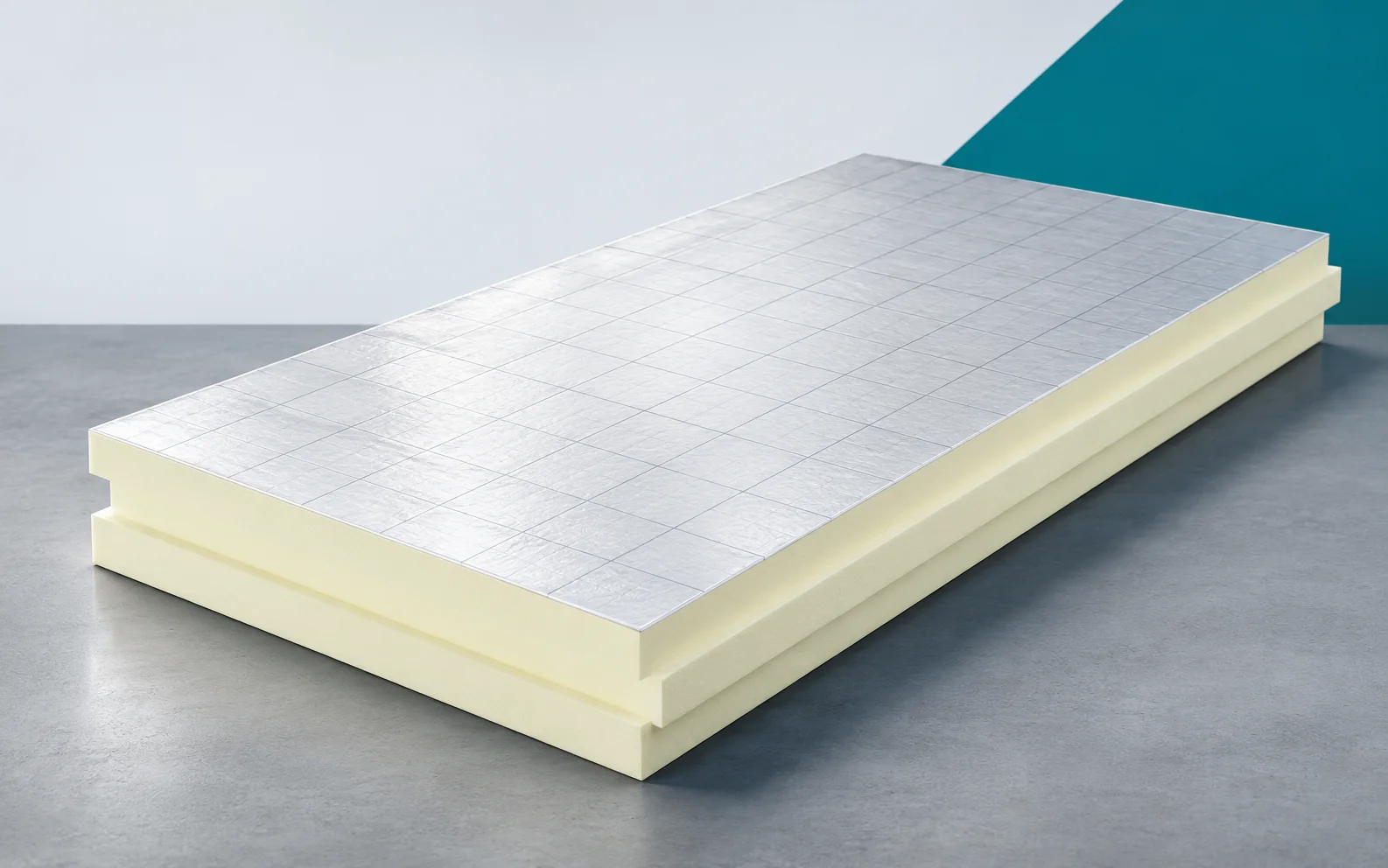
Laying PIR under screed: substrate, services and handover
A good PIR floor starts with even support and established levels. The boards must be matched to the services and the layers above them. Acceptance before the screed allows the joints, edges and required separations to be checked before they are permanently covered. PIR boards are useful in a floor when the available height is limited. Low thermal conductivity allows an effective insulation layer to fit under the screed. Before laying, the level of the finished floor must be marked. This makes it easier to check whether the supplied thickness fits together with the other layers. Before laying out the boards, it is worth checking the height at several points in the room. It must be referenced to the level of the finished floor, not to an arbitrary edge of the substrate.
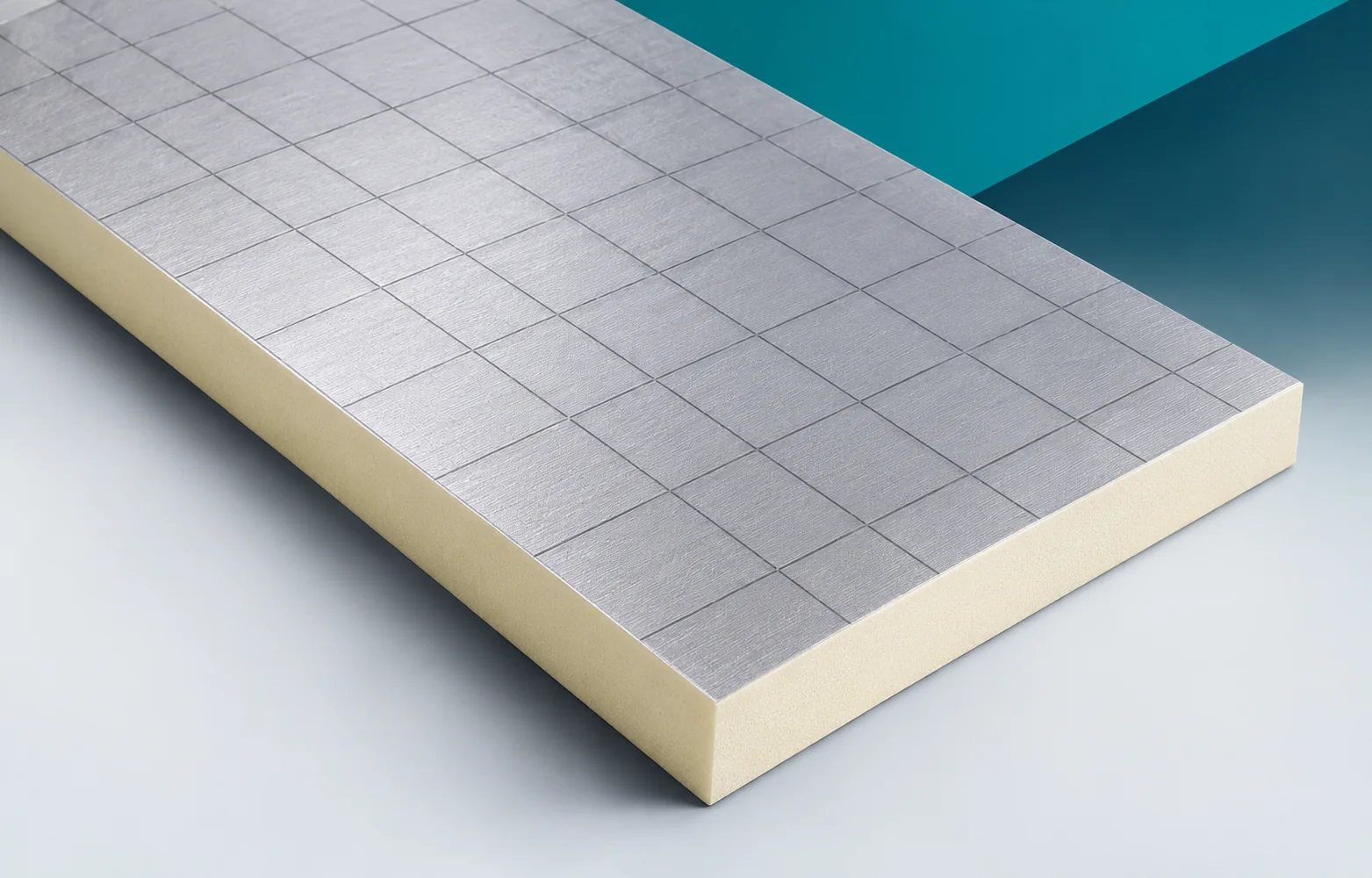
Laying Eurothane Silver: board handling and joint checks
Eurothane Silver is a PIR board with multi-layer gas-tight foil on both sides and a printed grid, intended in the current data sheet for flat roofs in a classic layout. Practical laying begins with establishing the cutting plan and the order in which pallets are opened, because the format and the edge determine the number of joints and the pace of work. On the roof, the support, the fixing and the protection of the insulation against water are checked in parallel. Before the material is divided between the work stations, the board must be assigned to a specific system: mechanical fixing, bonding or ballast.
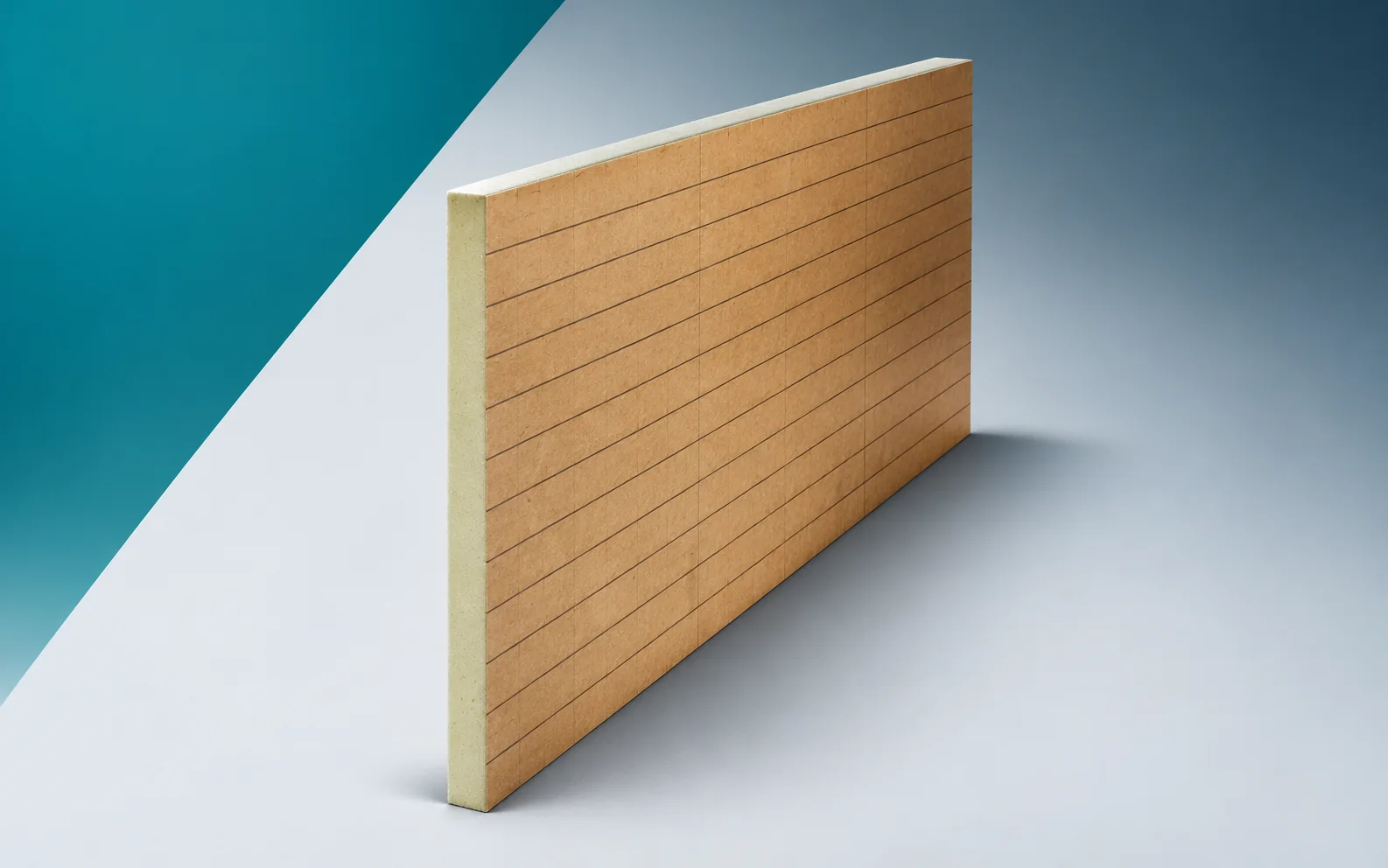
IKO enertherm KR ALU: checking the substrate before floor construction
Before laying IKO enertherm KR ALU beneath underfloor heating and screed, the substrate must be cleared and conflicting installation work completed; the board should not bear at isolated points on leftover debris or a pipe. Continuity at walls and thresholds must also be checked. Acceptance of the insulation and of the installation runs should take place before wet trades begin. It is worth establishing the unloading point and the sequence of works in advance. The first checkpoint for KR ALU is the threshold between rooms and the installation penetration; the team should have a section drawing through the threshold that identifies the thickness of each floor layer, not just a list of materials.
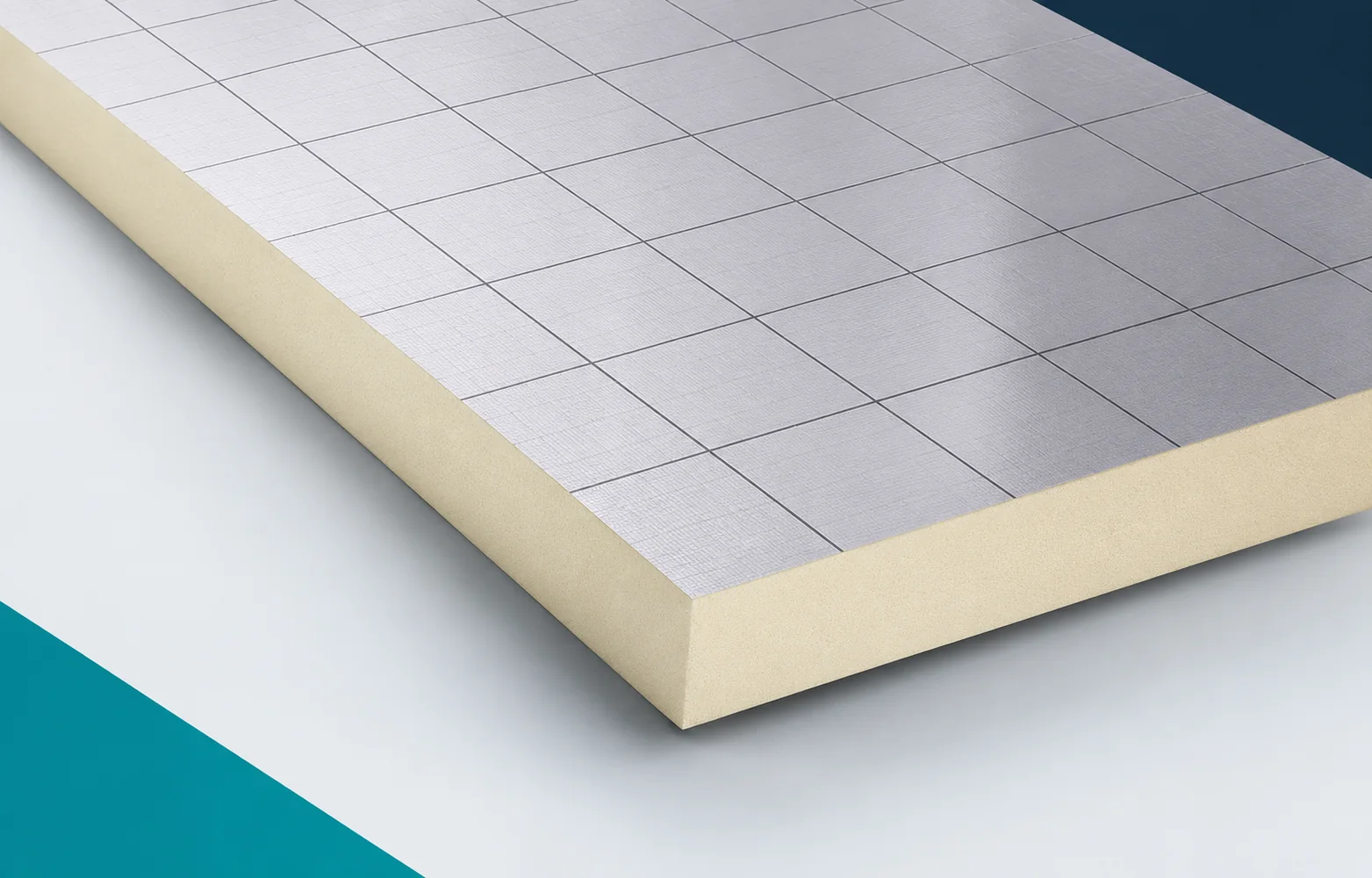
Laying Recticel Eurofloor: level substrate, cuts and board protection
Eurofloor is thermal insulation for floors, including those with underfloor heating, so the result depends on a level substrate, precise cut-outs around services and protection of the surface during subsequent works. The boards have a rigid PIR foam core and a multi-layer gas-tight foil on both sides with a printed grid. Before distributing the material between work stations, establish at the briefing where the insulation will sit within the floor build-up relative to the heating installation located above it.