






Blog
The Izoprofil.net blog answers practical questions about renovation, extensions and the sequence of work. Find out where to start looking for a leak, when to order roofing sheets, how to prepare a delivery area and what to establish before installing insulation. The articles cover measurements, the condition of existing components and order details for roofing, sandwich panels and PIR insulation. They explain which information to collect and when an on-site assessment by a professional is needed. Choose the article that matches the current task so you can prepare a more accurate materials enquiry and reduce rework.
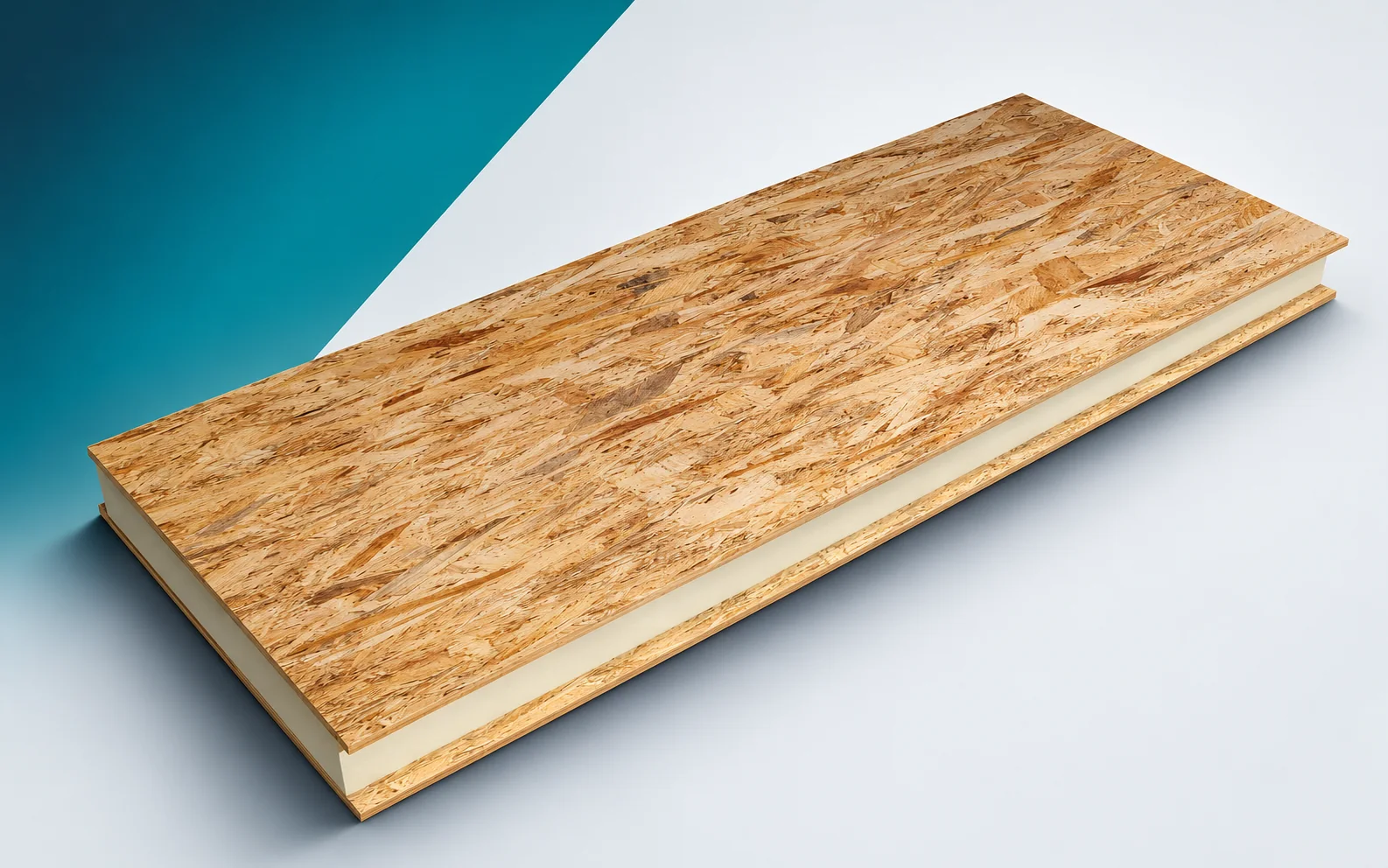
IDELCO SIP on site: preparing for the installation of prefabricated elements
Installation of IDELCO α-therm SIP begins with matching the element markings to the design and checking the prepared substrate. PIR insulation boards and α-therm SIP in the Smartbuild system are separate categories: a structural panel must not be treated like an ordinary offcut of insulation. The crew establishes the function of the core and facings, the opening plan and the sequence for making the connections. The delivery check covers the condition of the panels after transport and the conformity of the batch with the place of installation. Openings and connections should not arise through incidental adjustments on site. Their impact must be agreed before cutting. Organising these activities makes it possible to keep to the installation plan and to inspect the joints before they are covered by subsequent layers.
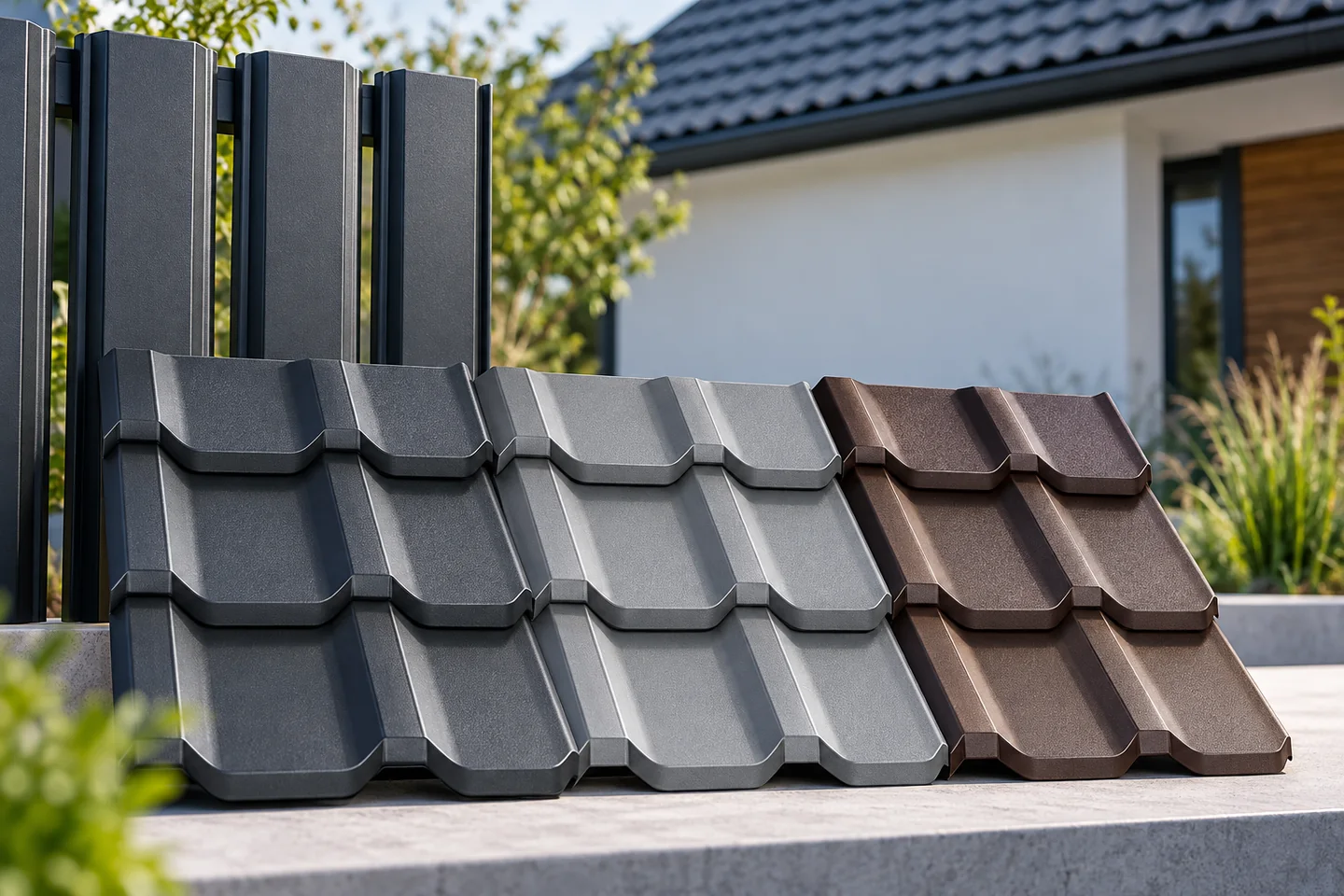
What to check when specifying the coating on steel roofing sheets
The choice of protective coating for roof sheeting depends on how its parameters match the conditions around the building, not on colour alone. Before measuring, ordering or accepting delivery, check which layers protect the steel and how their properties relate to the location and use of the property. Compare corrosion resistance, sunlight performance and warranty scope, then ask for confirmation of the variant for the specific profile and steel thickness. This way any extra cost reflects a real change in protection rather than a trade name alone.
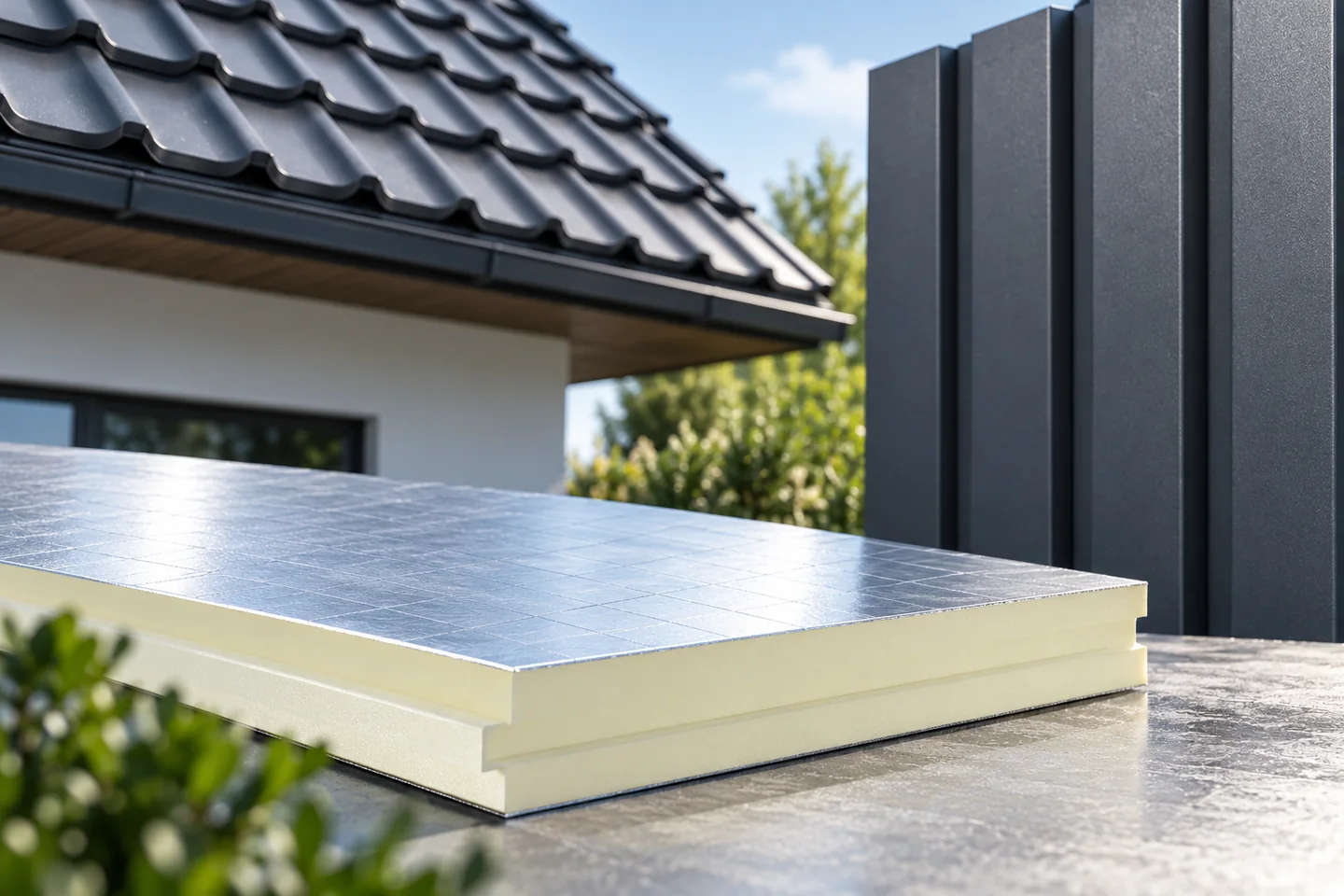
PIR boards compared with EPS, XPS and mineral wool
PIR boards stand out for achieving high thermal resistance at a relatively small thickness, which matters in attics, at thresholds and in renovated roofs. This does not mean they are superior in every application, so the comparison should begin with the declared thermal conductivity, lambda. Check whether the value applies to the specific board variant rather than the whole material group. Where space is limited, calculate the full scope of works, not just the insulation cost, and compare materials with similar thermal resistance that are suitable for the same location.
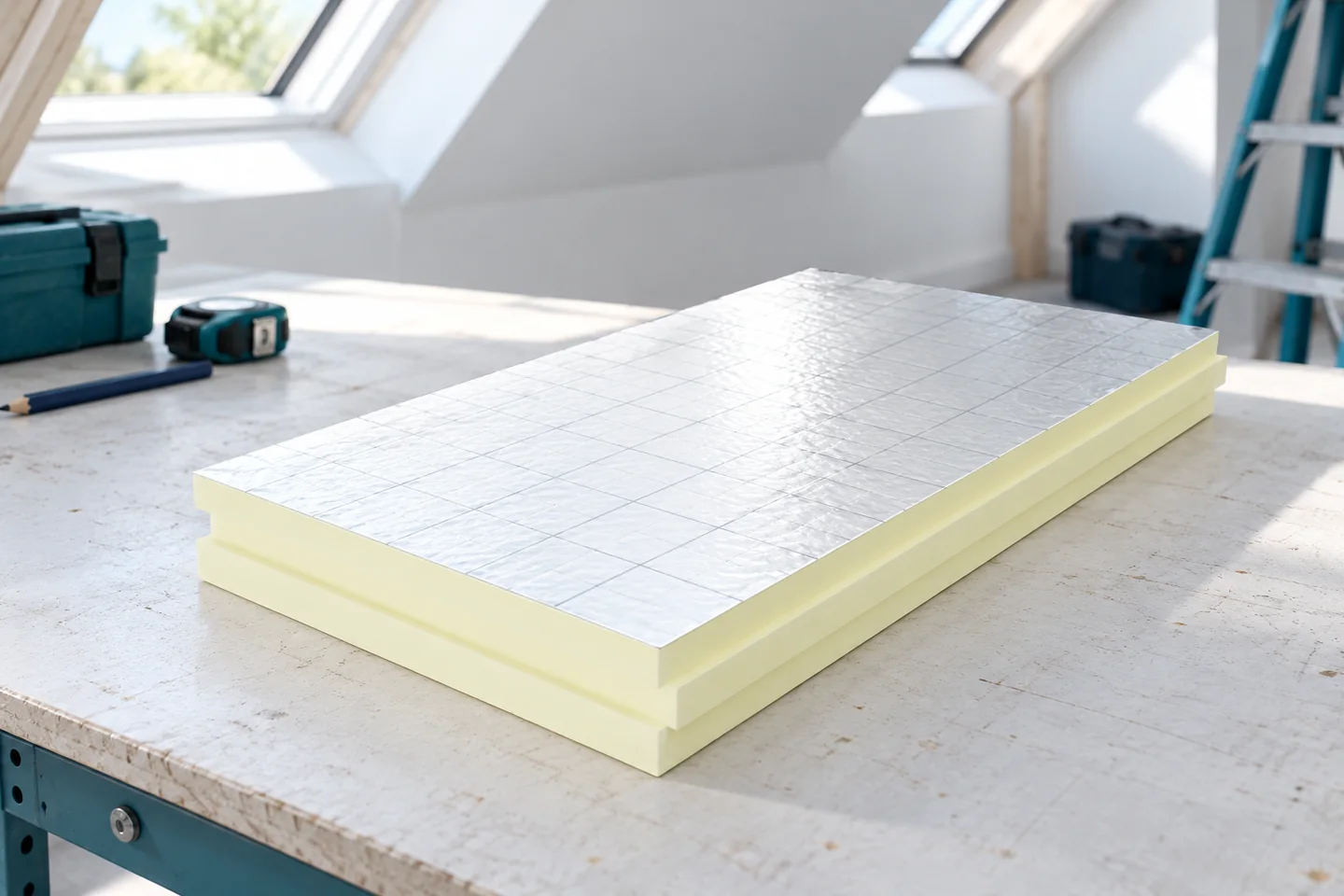
Insulating a loft to retain heat and control moisture
Begin by identifying the roof's layers and assessing their condition. Check the covering, the layer beneath it, any gaps and the timber, as well as signs of leaks and moisture. Insulation must be continuous and airtight on the inside, while moisture needs a path to escape. Choose PIR boards where thickness is limited; mineral wool offers fire and acoustic benefits. Do not cover wet structure until the cause of dampness has been removed.
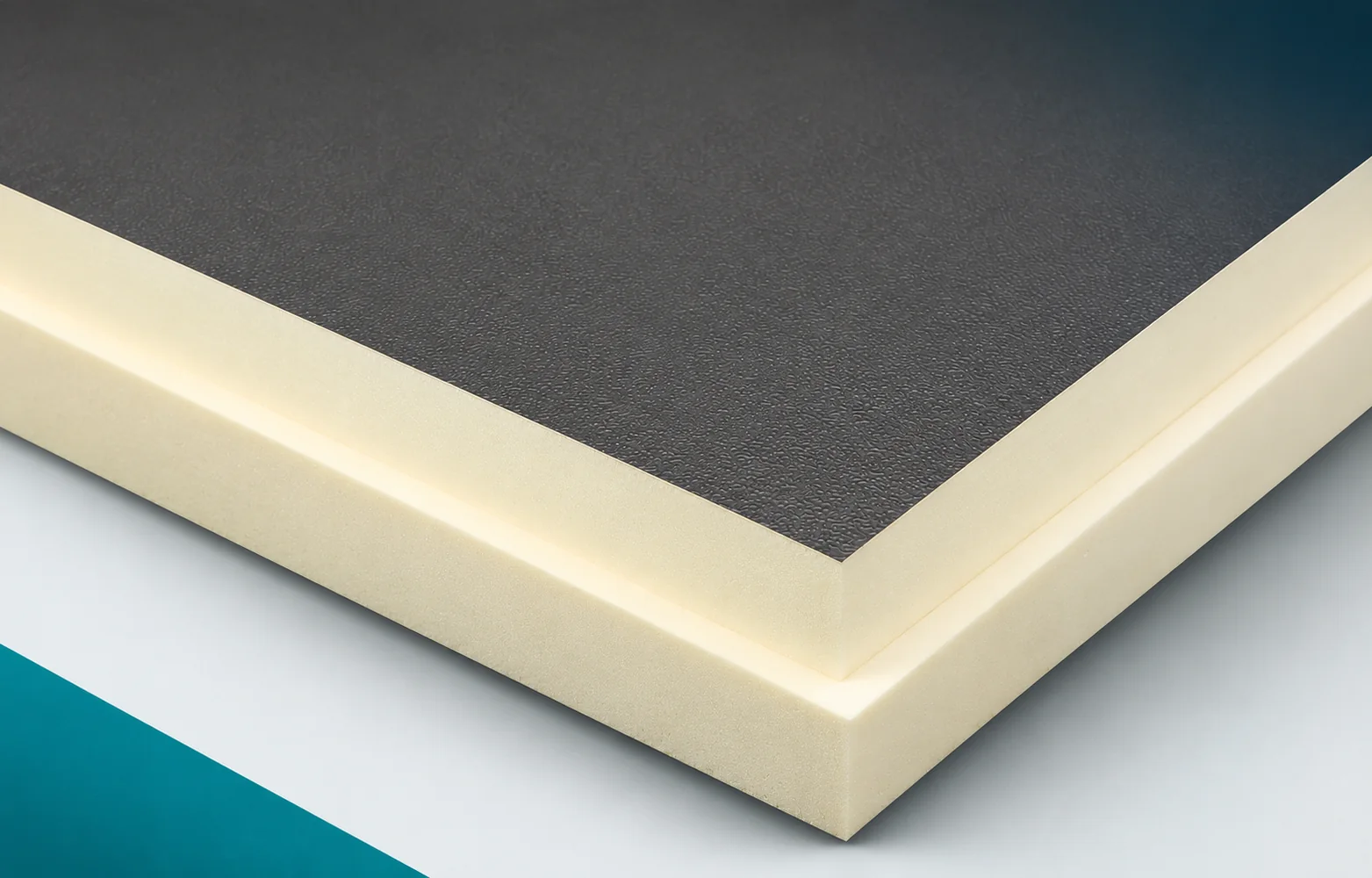
BauderPIR FA: handling large boards on the roof
Before work begins on a large, regular roof field, the unloading point and the sequence in which the rows are to be laid must be established. With BauderPIR FA, the first working point is the rebated edge of the large-format board, so the row plan should be based on the effective covering dimension, not merely on the list of purchased materials. The actual covering area and the widths of the strips at the perimeter are measured in advance, because a discrepancy discovered after cutting increases waste. Large FA boards should be arranged in line with the laying sequence, without blocking working access routes. The board must be carried in such a way that the corners and the lap are not damaged. Inspect the condition of the rebate before pushing the next row into place. Place offcuts separately from full boards intended for the next area.
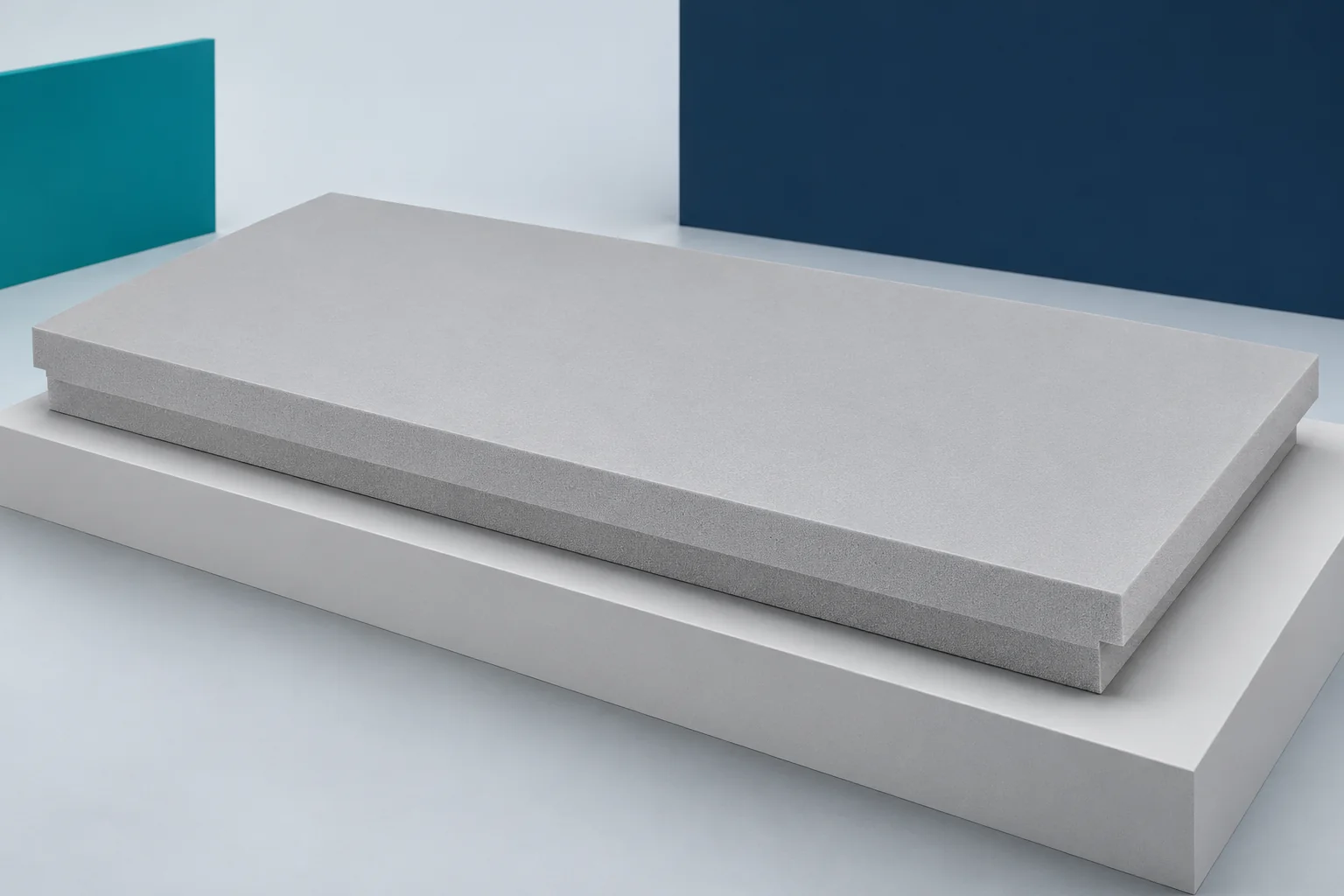
Water absorption of XPS. What do the different test results mean?
Low water absorption is one of the important advantages of XPS. It helps explain its use at foundations and in inverted roofs. However, several different water-related designations can be found in the documentation. Extruded polystyrene is not described by one universal number. The colloquial term Styrodur also settles nothing in this respect. First, it must be established what was tested and under what conditions. The structure of XPS differs from a fibrous material and from a foam built from expanded granules. Low water absorption is useful where the insulation may come into contact with moisture. This is why XPS is sometimes chosen for assemblies in which a simple dry thermal assessment is insufficient.