Why fibre cement sheets crack during fixing

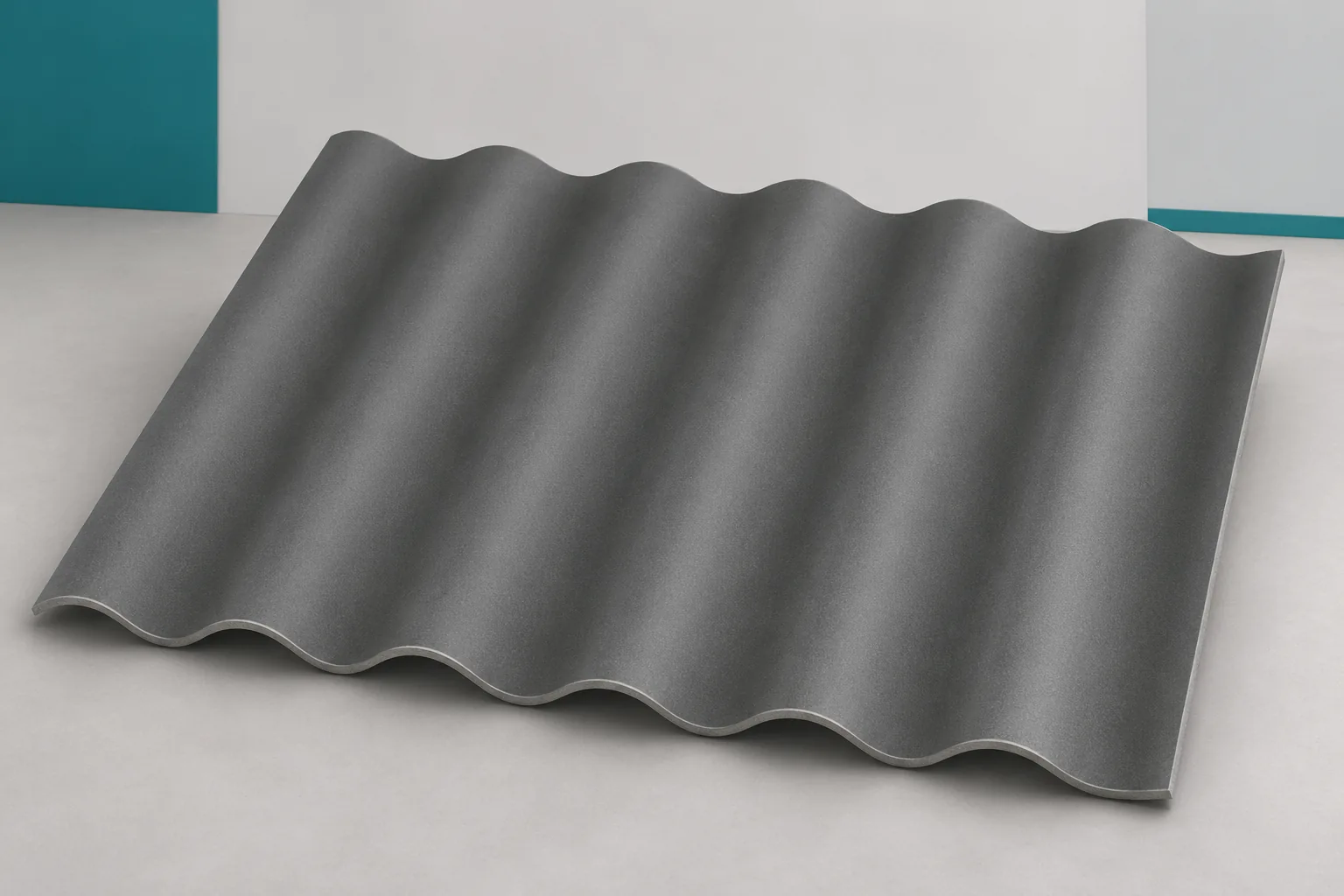
A crack at the screw usually means the whole connection needs to be checked. Fibre cement sheets are brittle and can react to localised stress. Asbestos-free fibre cement should not be repaired simply by tightening the fastener harder. First it must be established whether the problem comes from the hole, the contact pressure, the support or some other effect. The correct diameter allows the sheet's intended movement relative to the fastener to be maintained. A hole that is too tight can restrict this. The way the hole is made is equally important. Punching through the sheet or chipping the edge of the hole leaves a spot prone to further damage. No single clearance dimension should be given for all profiles. The requirements depend on the product and the fastener.
2026-11-16T04:05:25+01:00

Moss on corrugated roofing: cleaning without surface damage

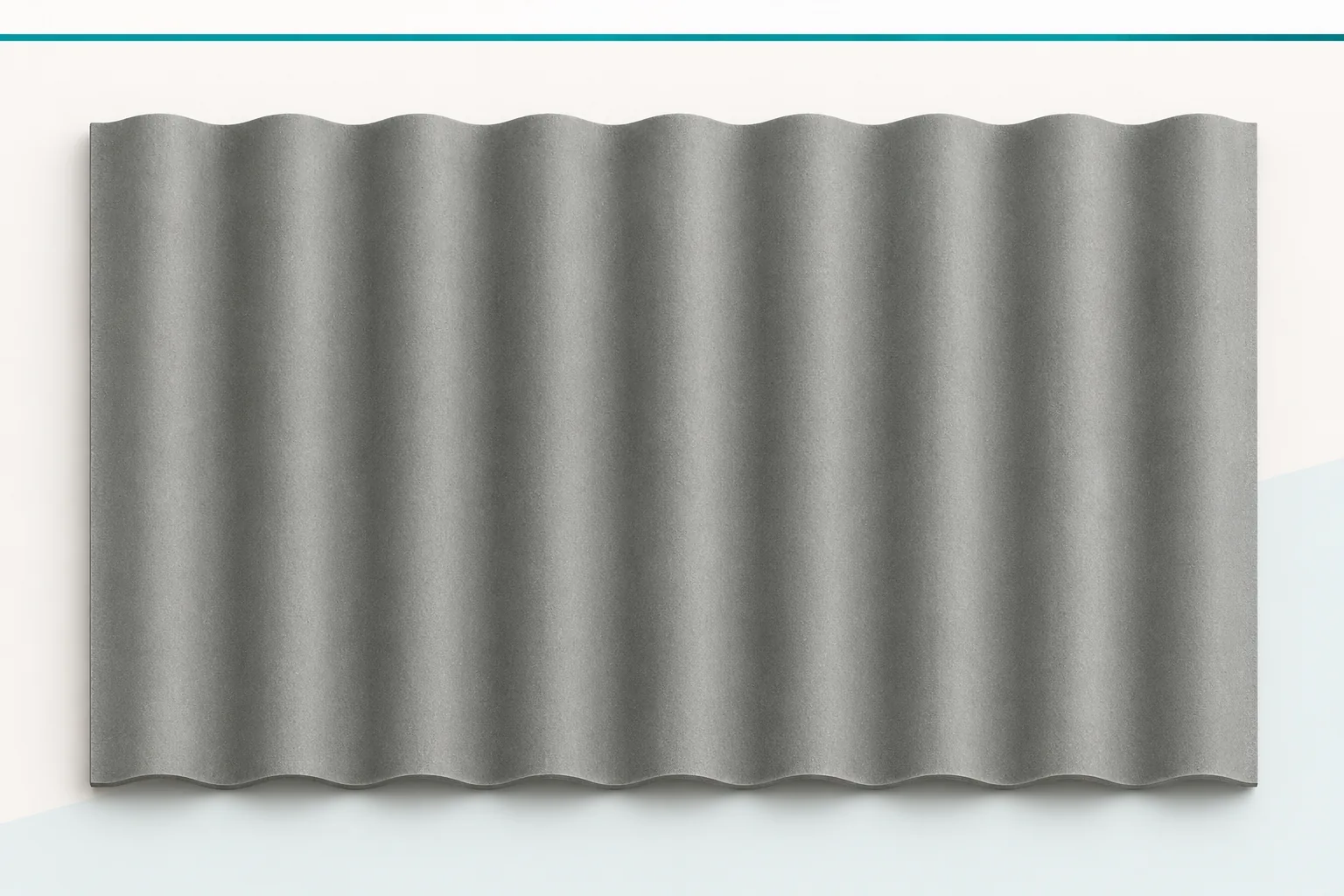
Green growth on a roof does not always mean that the covering has stopped working. Fibre cement sheets can become overgrown with moss, algae or lichen over time. The location and scale of the phenomenon matter. Asbestos-free fibre cement should be cleaned using a method suited to the material, without damaging the surface and without walking on the sheets. Moss, lichen, deposits from the surroundings and mineral efflorescence have different causes. Colour alone is not enough to choose a preparation. It is worth checking whether the change forms a thicker layer or is merely a discolouration. In cases of doubt, an assessment by a contractor familiar with the material is helpful. A white bloom may be associated with the movement of calcium compounds during dampening and drying.

2026-11-16T04:05:23+01:00

Laying PIR under screed: substrate, services and handover

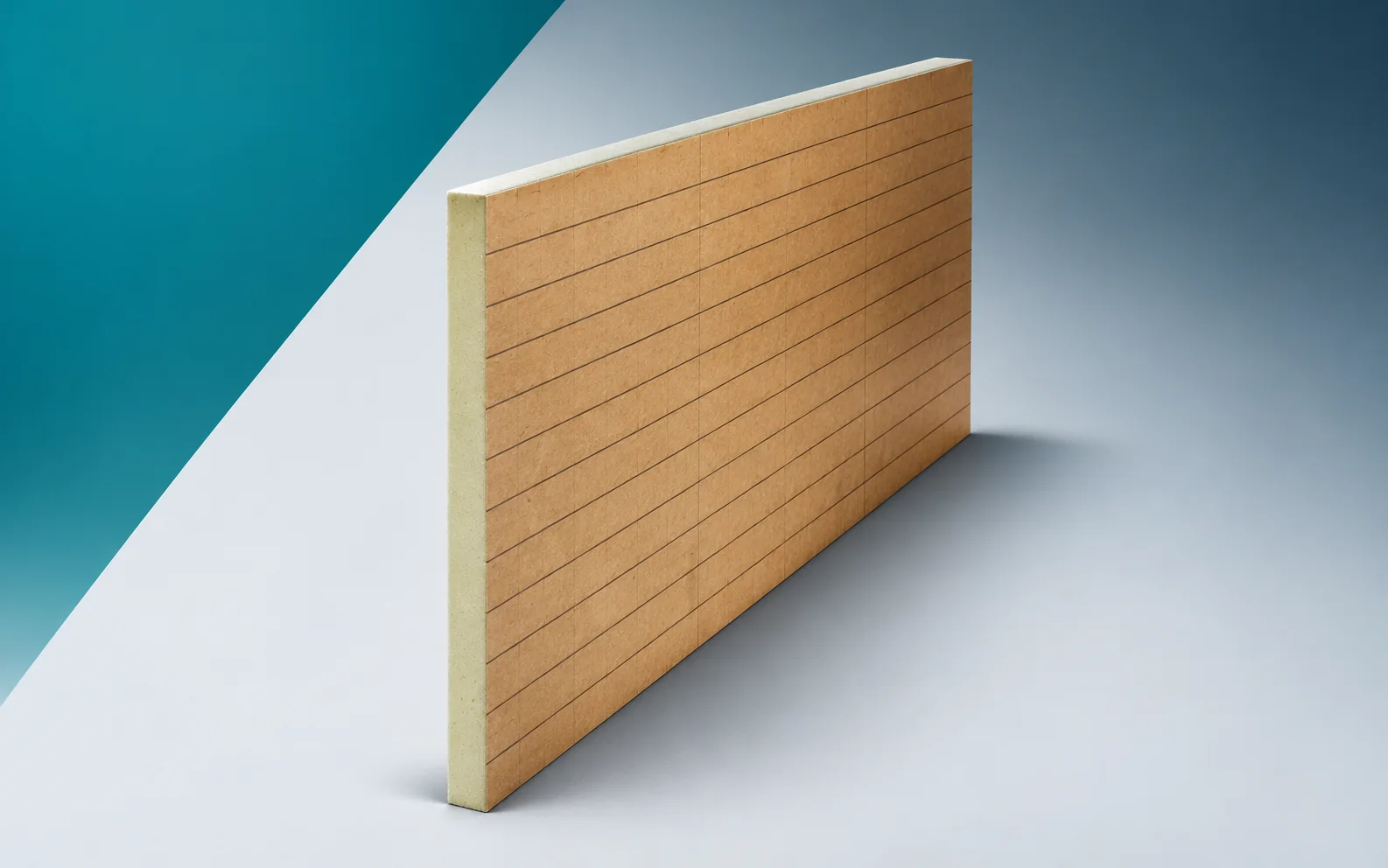
A good PIR floor starts with even support and established levels. The boards must be matched to the services and the layers above them. Acceptance before the screed allows the joints, edges and required separations to be checked before they are permanently covered. PIR boards are useful in a floor when the available height is limited. Low thermal conductivity allows an effective insulation layer to fit under the screed. Before laying, the level of the finished floor must be marked. This makes it easier to check whether the supplied thickness fits together with the other layers. Before laying out the boards, it is worth checking the height at several points in the room. It must be referenced to the level of the finished floor, not to an arbitrary edge of the substrate.

2026-11-16T04:07:02+01:00

Laying Eurothane Silver: board handling and joint checks

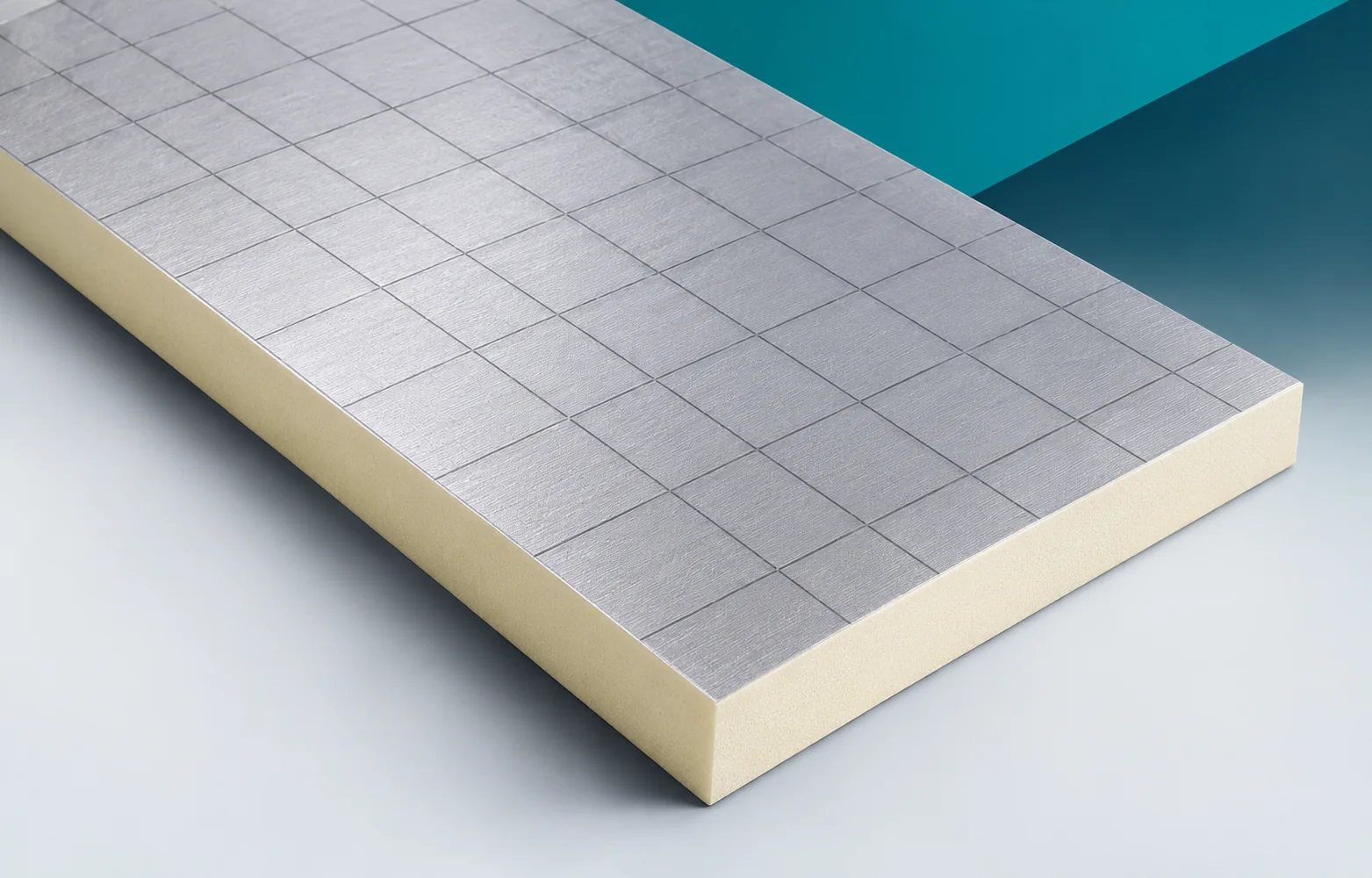
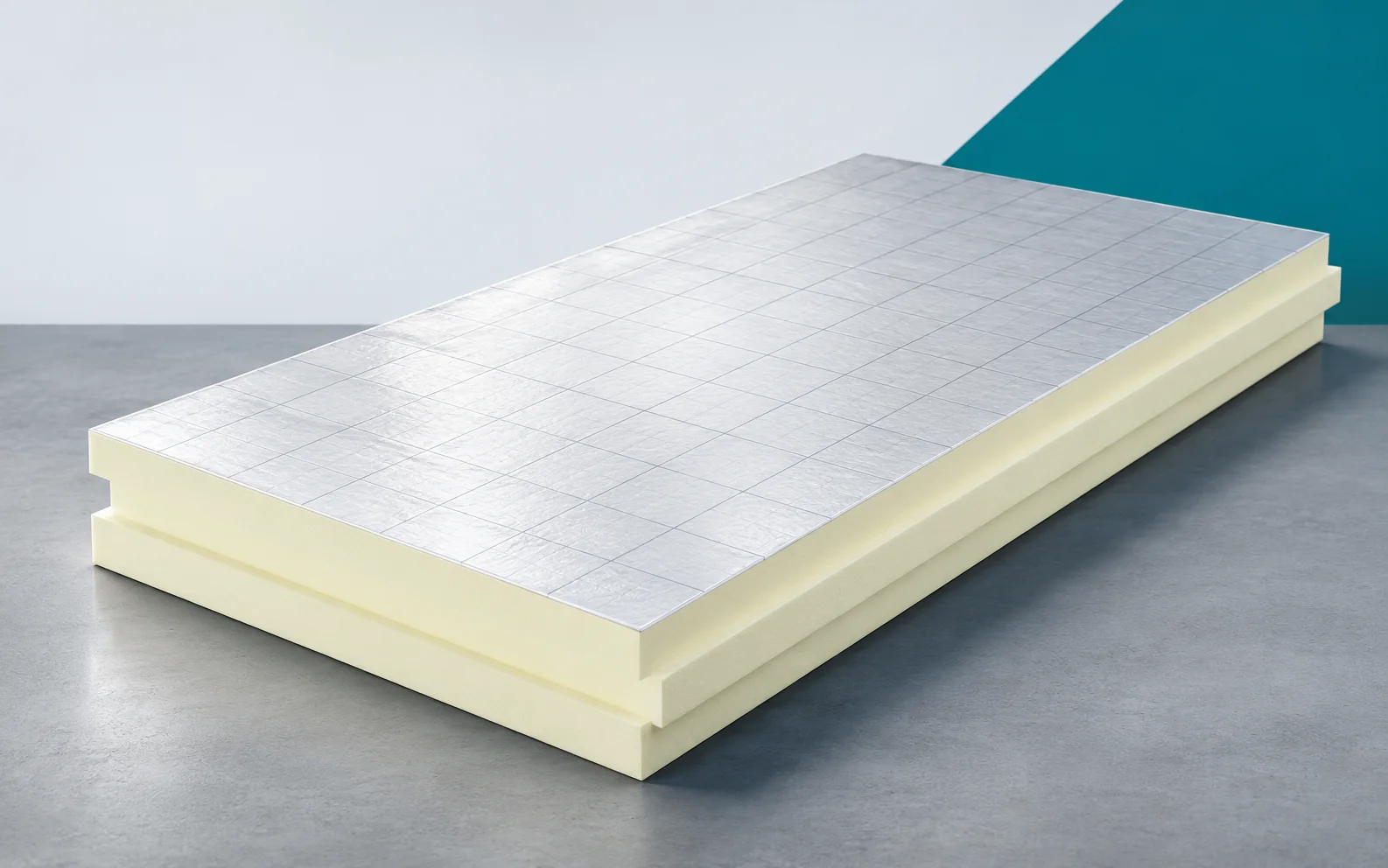
Eurothane Silver is a PIR board with multi-layer gas-tight foil on both sides and a printed grid, intended in the current data sheet for flat roofs in a classic layout. Practical laying begins with establishing the cutting plan and the order in which pallets are opened, because the format and the edge determine the number of joints and the pace of work. On the roof, the support, the fixing and the protection of the insulation against water are checked in parallel. Before the material is divided between the work stations, the board must be assigned to a specific system: mechanical fixing, bonding or ballast.

2026-11-16T04:07:45+01:00

IKO enertherm KR ALU: checking the substrate before floor construction

Before laying IKO enertherm KR ALU beneath underfloor heating and screed, the substrate must be cleared and conflicting installation work completed; the board should not bear at isolated points on leftover debris or a pipe. Continuity at walls and thresholds must also be checked. Acceptance of the insulation and of the installation runs should take place before wet trades begin. It is worth establishing the unloading point and the sequence of works in advance. The first checkpoint for KR ALU is the threshold between rooms and the installation penetration; the team should have a section drawing through the threshold that identifies the thickness of each floor layer, not just a list of materials.

2026-11-16T04:08:32+01:00

Laying Recticel Eurofloor: level substrate, cuts and board protection

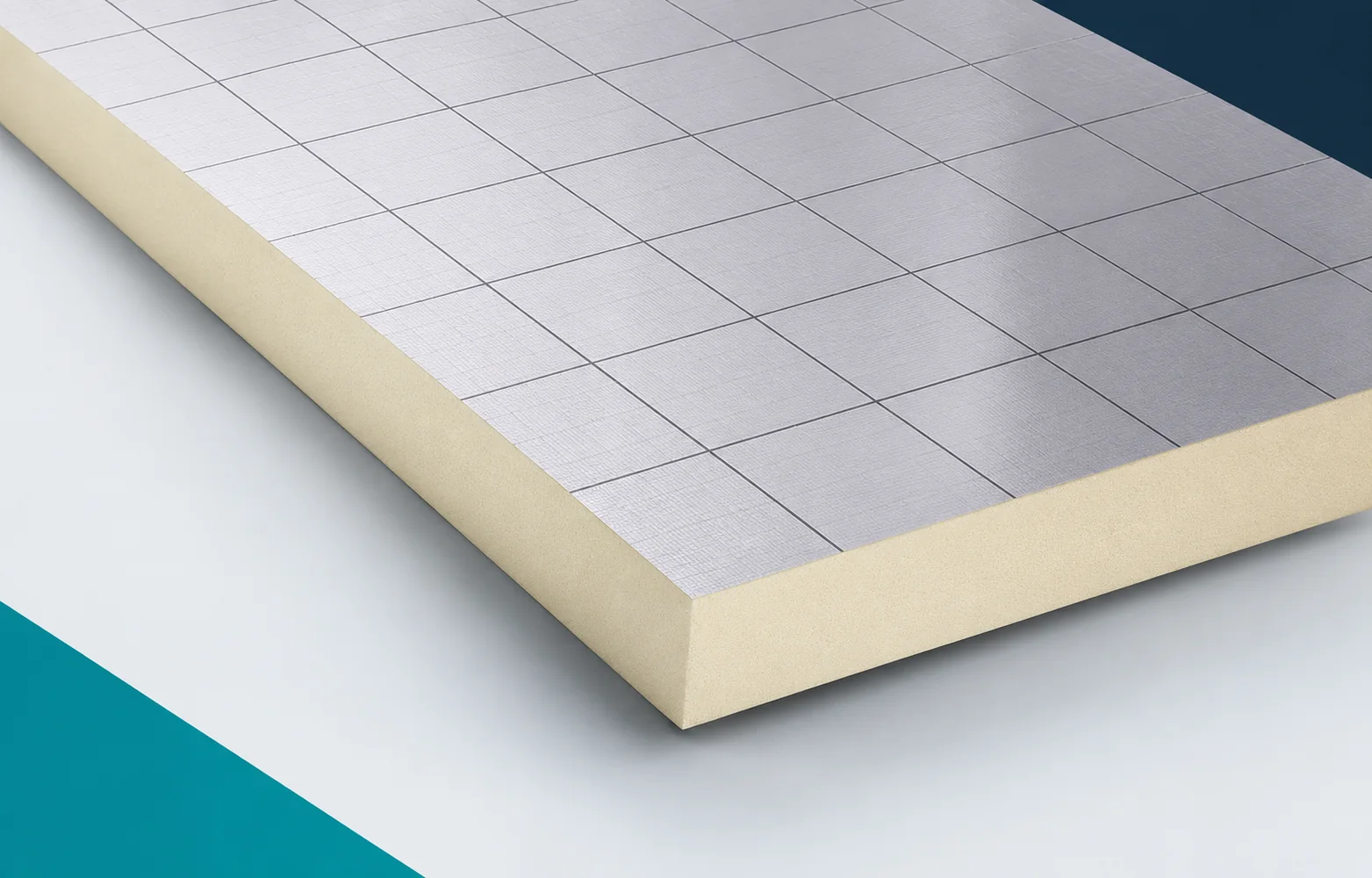
Eurofloor is thermal insulation for floors, including those with underfloor heating, so the result depends on a level substrate, precise cut-outs around services and protection of the surface during subsequent works. The boards have a rigid PIR foam core and a multi-layer gas-tight foil on both sides with a printed grid. Before distributing the material between work stations, establish at the briefing where the insulation will sit within the floor build-up relative to the heating installation located above it.

2026-11-16T04:07:43+01:00
Back to top