What work is T12 suitable for and what should be checked before installation?

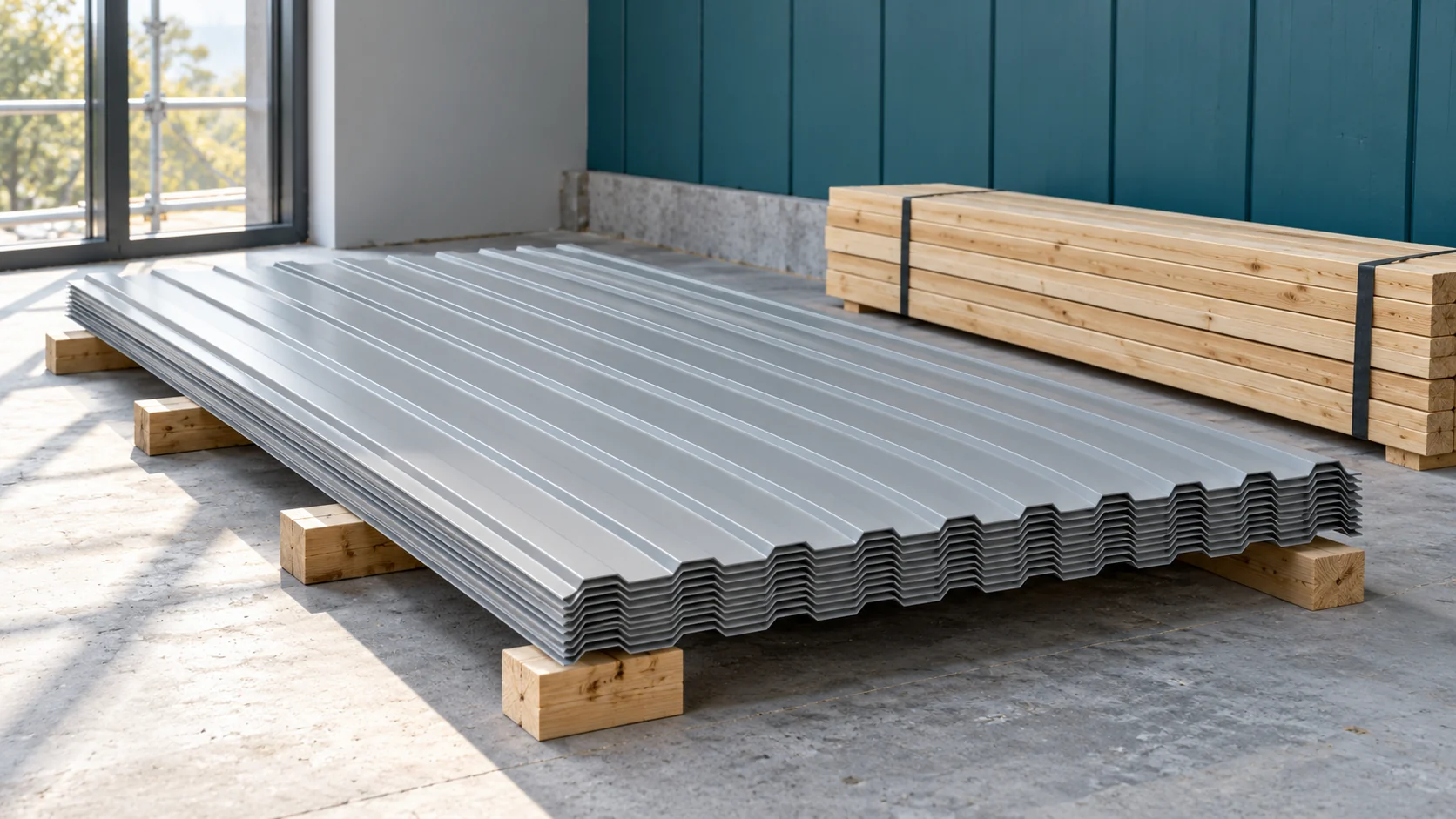
T12 is a low profile that should be assessed in relation to the specific task. It may be considered for light cladding and finishes. Suitability for a roof is determined by the documentation for the selected variant. Before purchase, the cross-section, thickness and support must be checked. The designation alone does not describe the entire sheet. The number in the designation indicates the profile family but does not replace a technical drawing. Two sheets of similar height may differ in the arrangement of the ribs and in width. They may also have a different lap position. This is particularly important when a new section is to connect to existing cladding.
2026-11-14T11:10:32+01:00

Why consider a metal covering for your roof?

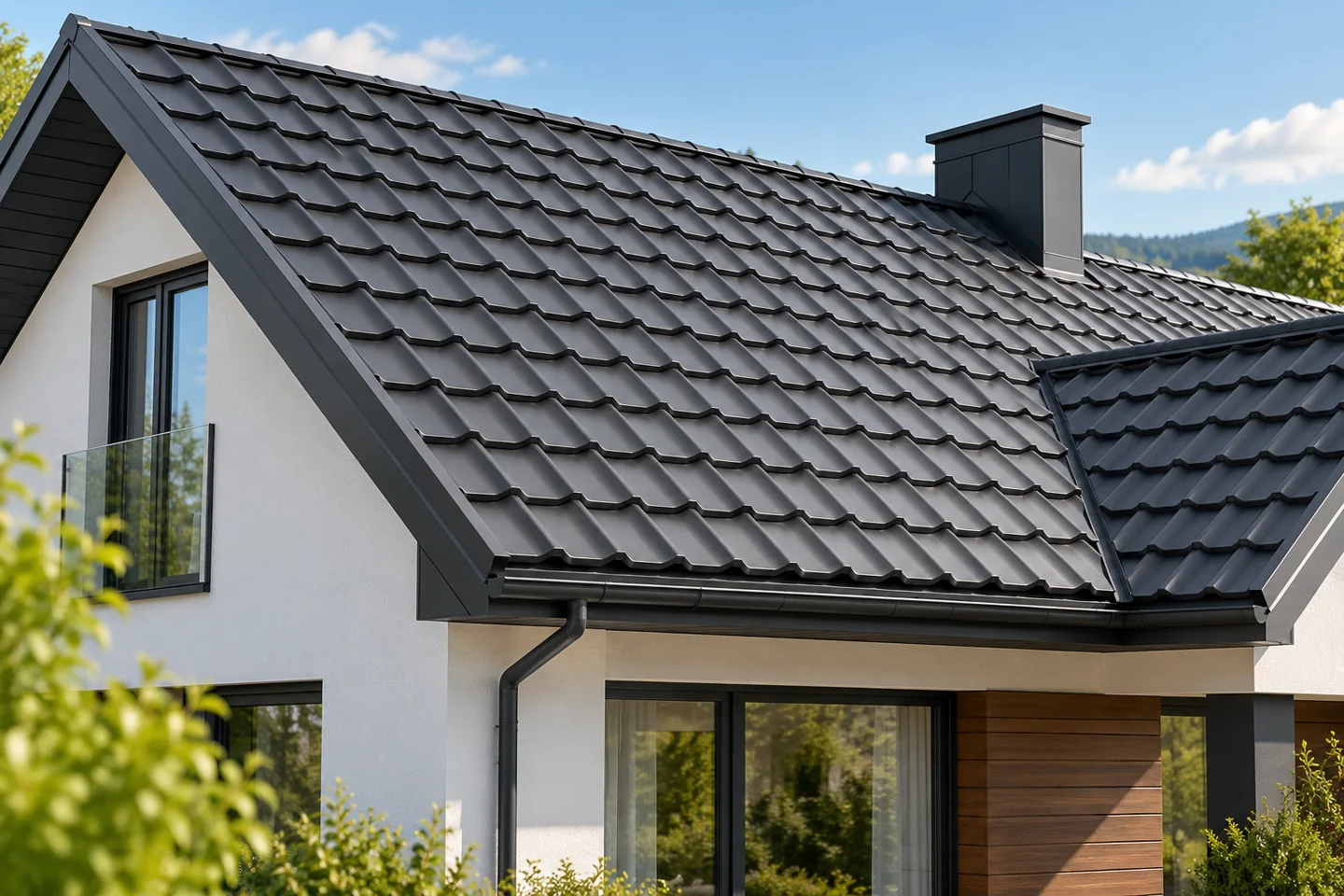
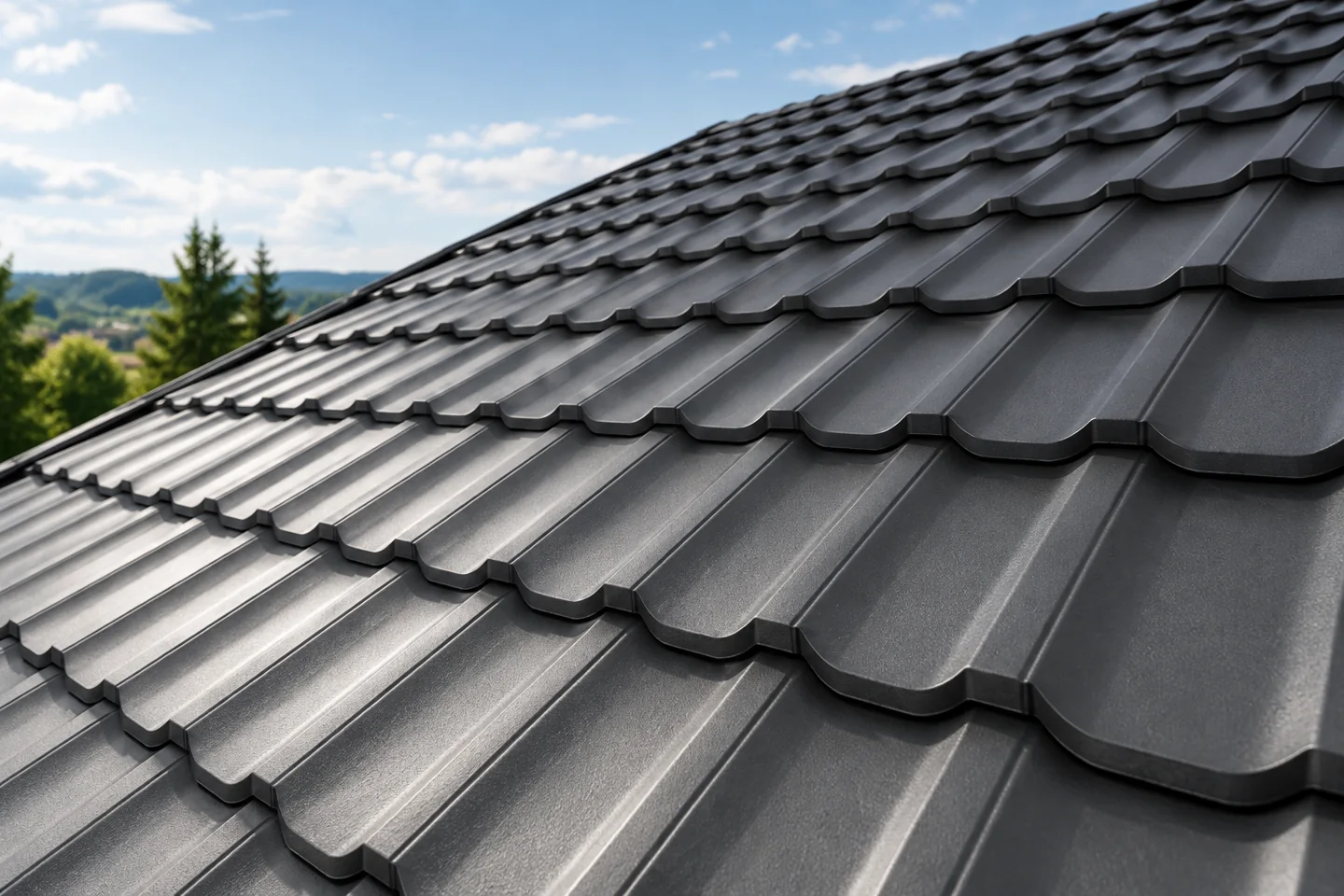
In Poland, metal roof covering is worth considering primarily because of its low weight, wide choice of profiles and adaptability to different buildings. It is not, however, a single product with fixed parameters: T18, T35, metal roof tiles and sandwich panels serve different functions. Before choosing, check which layers make up the complete roof assembly, whether the structure can carry loads from snow, wind and planned equipment, and what minimum pitch applies to the specific product. The weight of the sheet alone does not describe the assembly or confirm the good condition of an old roof truss.

2026-11-14T17:32:30+01:00

How to insulate around a wall plate and limit thermal bridging

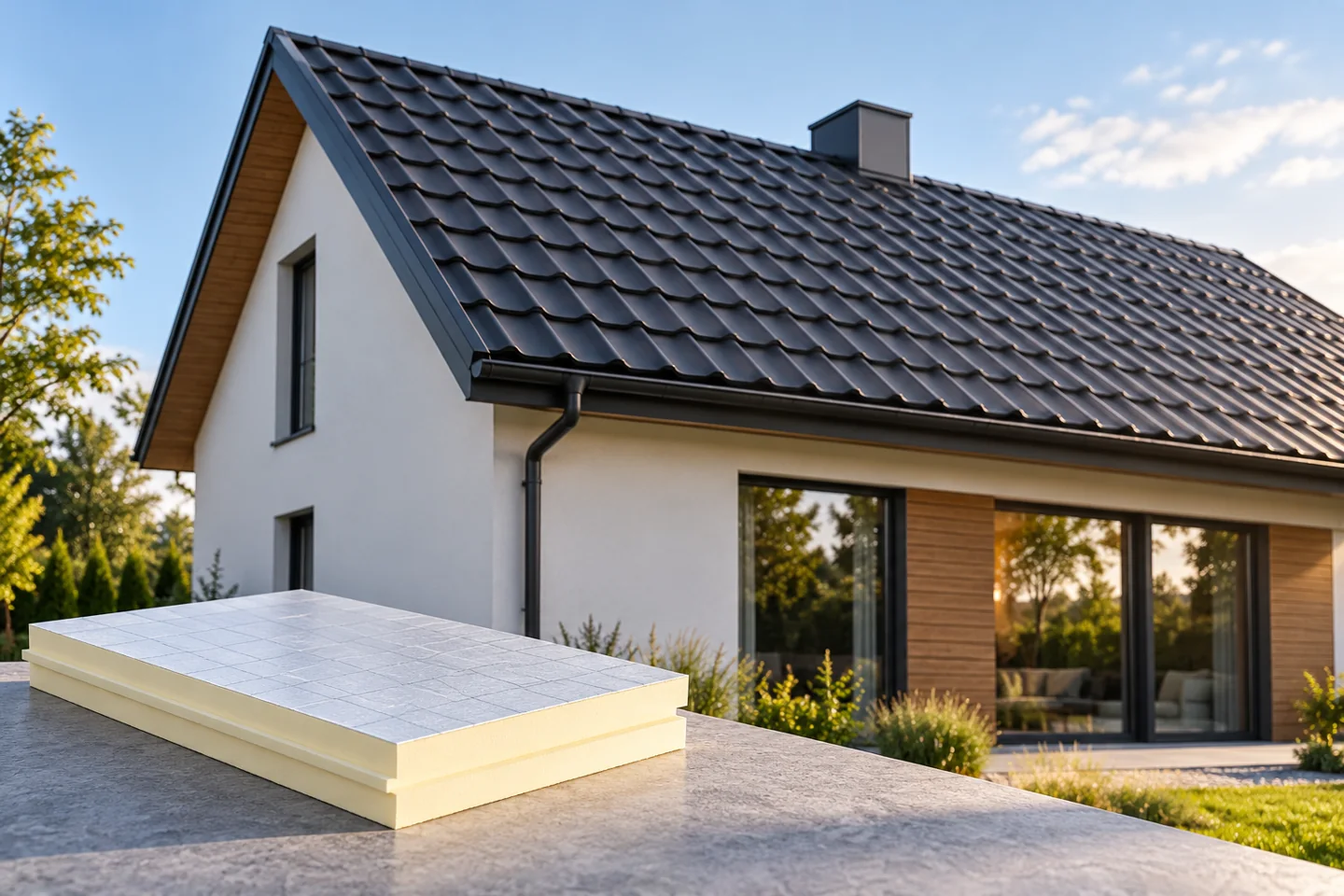
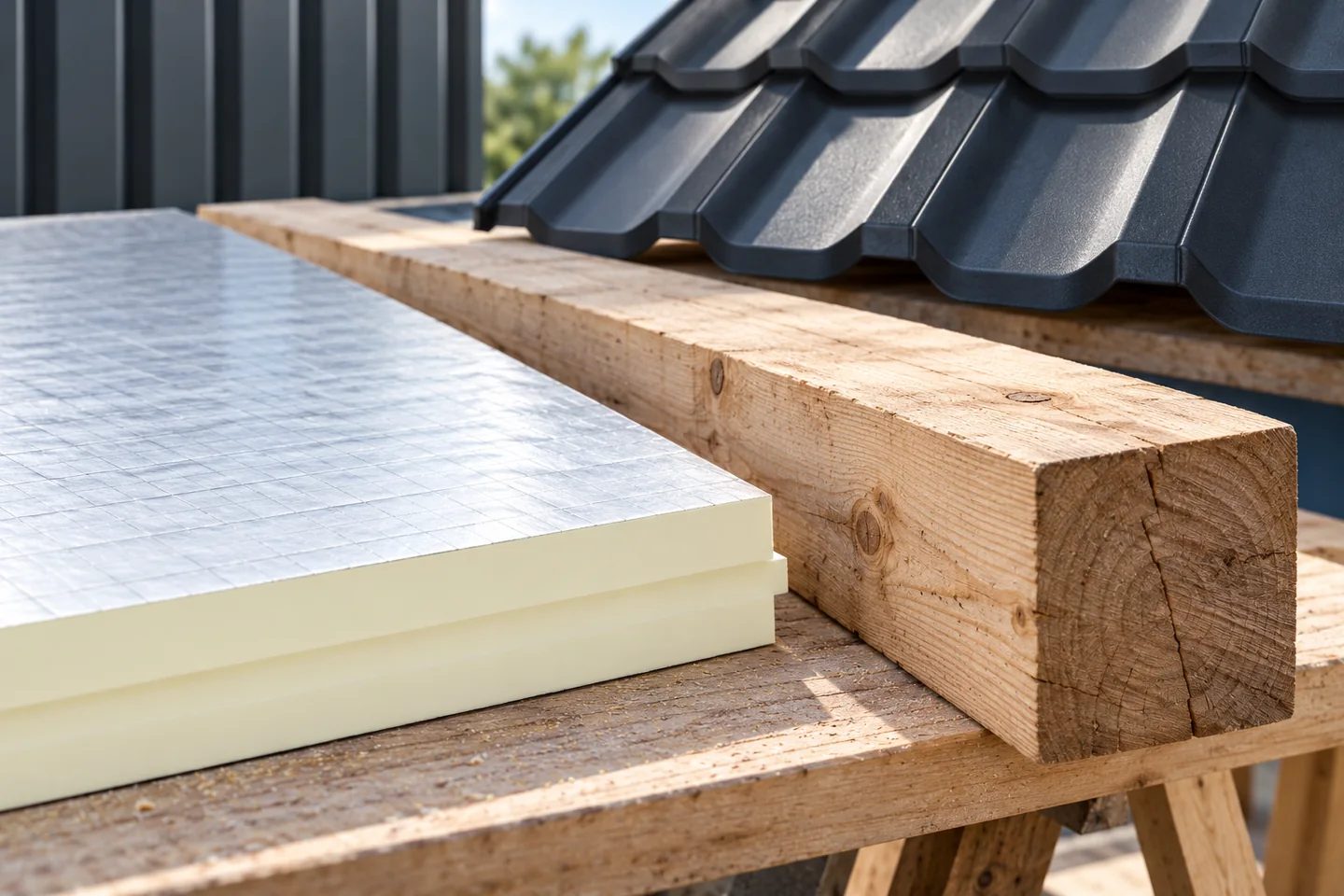
The wall plate is where the roof, wall and multiple building layers meet, so it demands care. Insulating only between the rafters is often insufficient, as heat can pass through the assembly when layers are not properly connected. Ensure continuity of insulation around the wall plate, correct fit of components and an unobstructed ventilation inlet. A thermal bridge and an air leak are separate issues – thick insulation will not close an open gap. A good detail combines thermal and structural requirements.

2026-11-15T00:56:34+01:00

The elements of a complete roof and how to budget for them

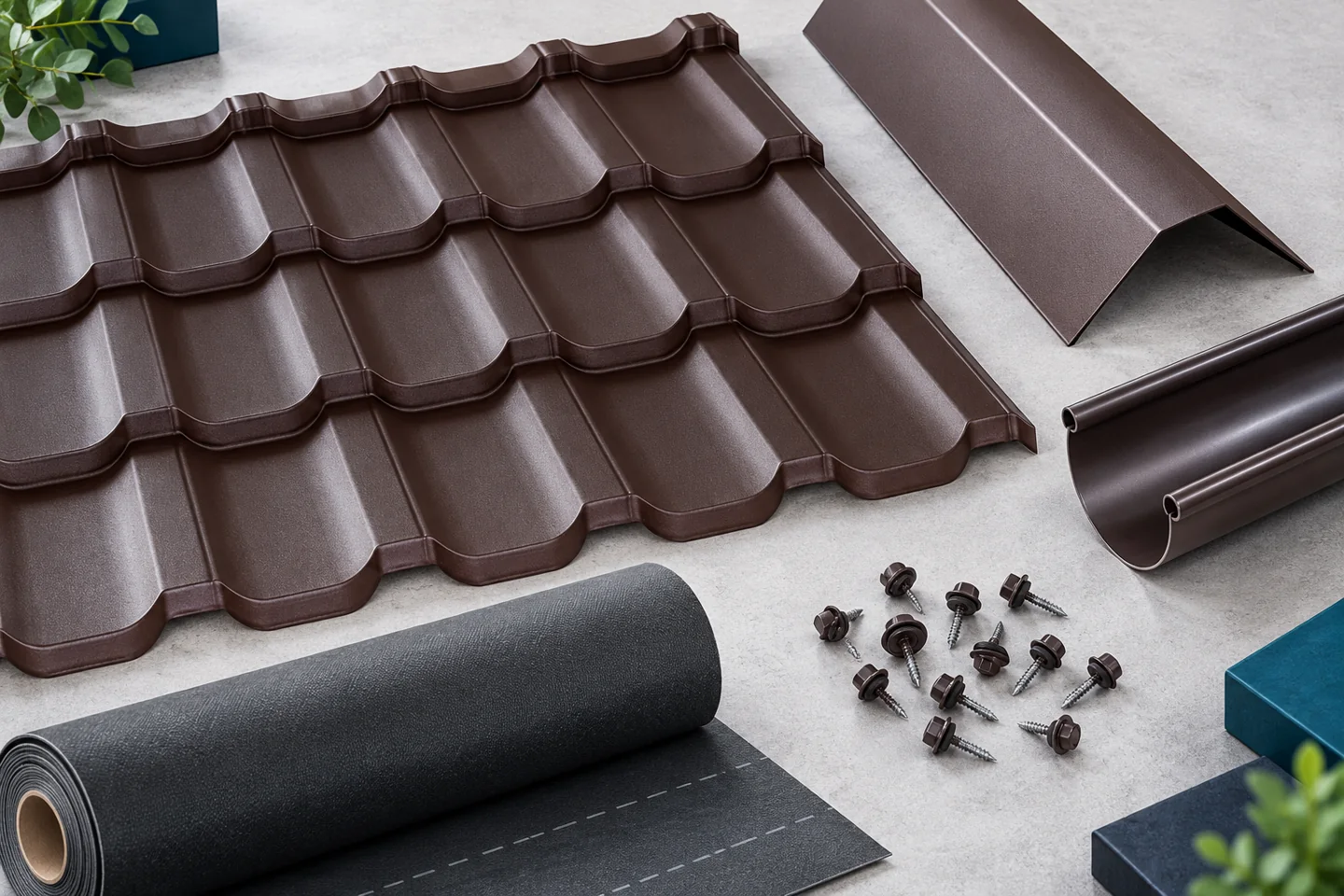
In Poland, a complete roof means not just the covering but the whole arrangement of layers and details, the number of which depends on the design. Before buying, check whether you are comparing the covering alone or the entire assembly, including insulation and the initial weatherproof layer. Establish the area, material variants and flashing lengths, and count the gutters as a full system. Remember roof access equipment and accessories that must be fitted earlier. Such an itemised list lets you plan expenditure reliably and avoid omitting important elements.

2026-11-14T17:30:38+01:00

New metal pickets on an old frame: when is refurbishment worthwhile?

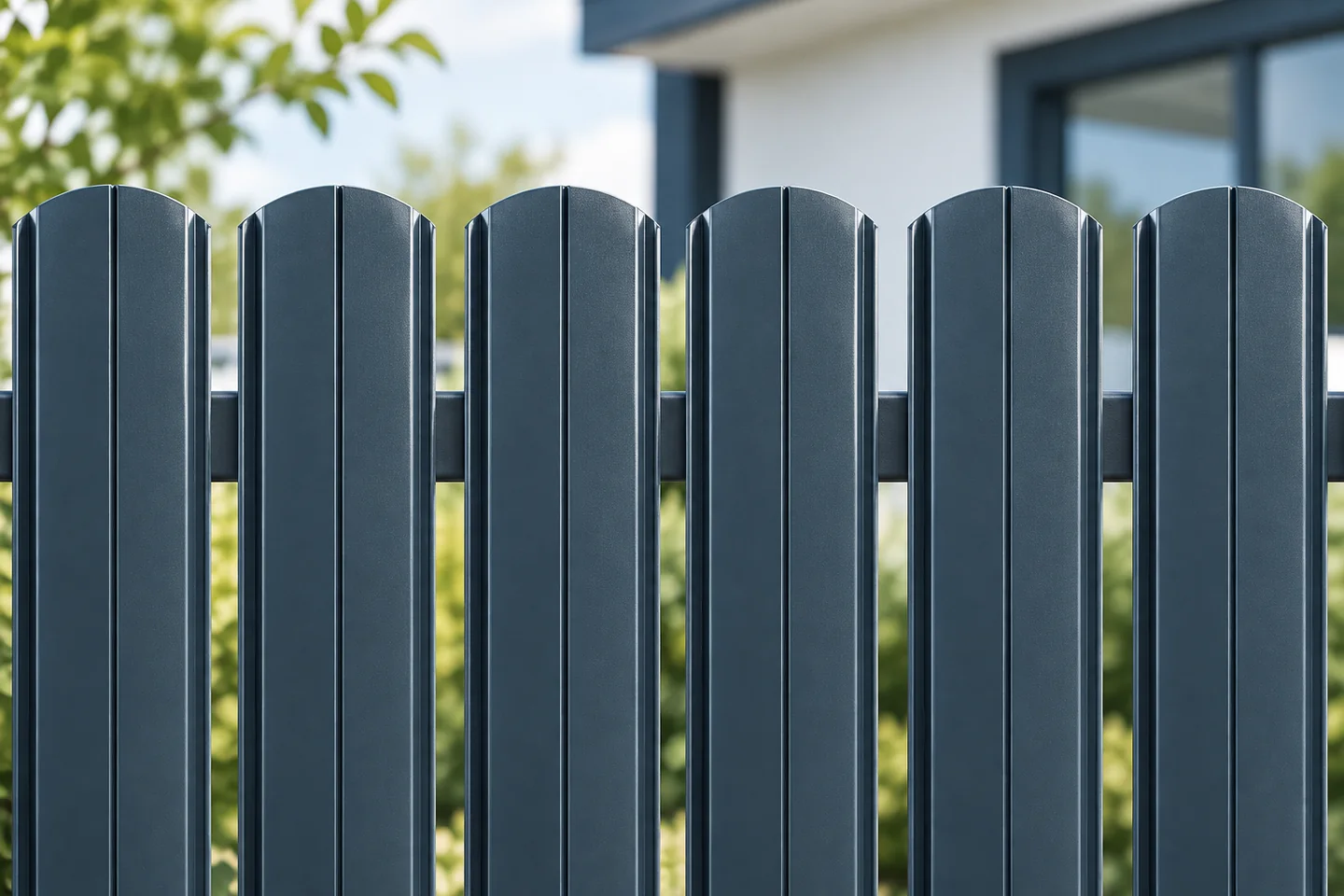
Retaining the existing structure can limit the scope of the fence renovation. New sheet metal pickets then give the property a different look without building everything from scratch. The condition, however, is that the old frame is suitable. It is not worth assessing it solely on the basis that it still stands straight. Before ordering the infill, the connections, the support and the compatibility of the new layout with the structure must be checked. Make a list of sections and mark the posts, rails and leaves intended to be retained. Check whether all bays have the same dimension. In an older fence, the spacings can vary. A measurement of one bay should not be the basis for ordering an entire batch of pickets. Each bay needs its own identification.

2026-11-15T20:21:38+01:00

Six reasons to consider a metal fence

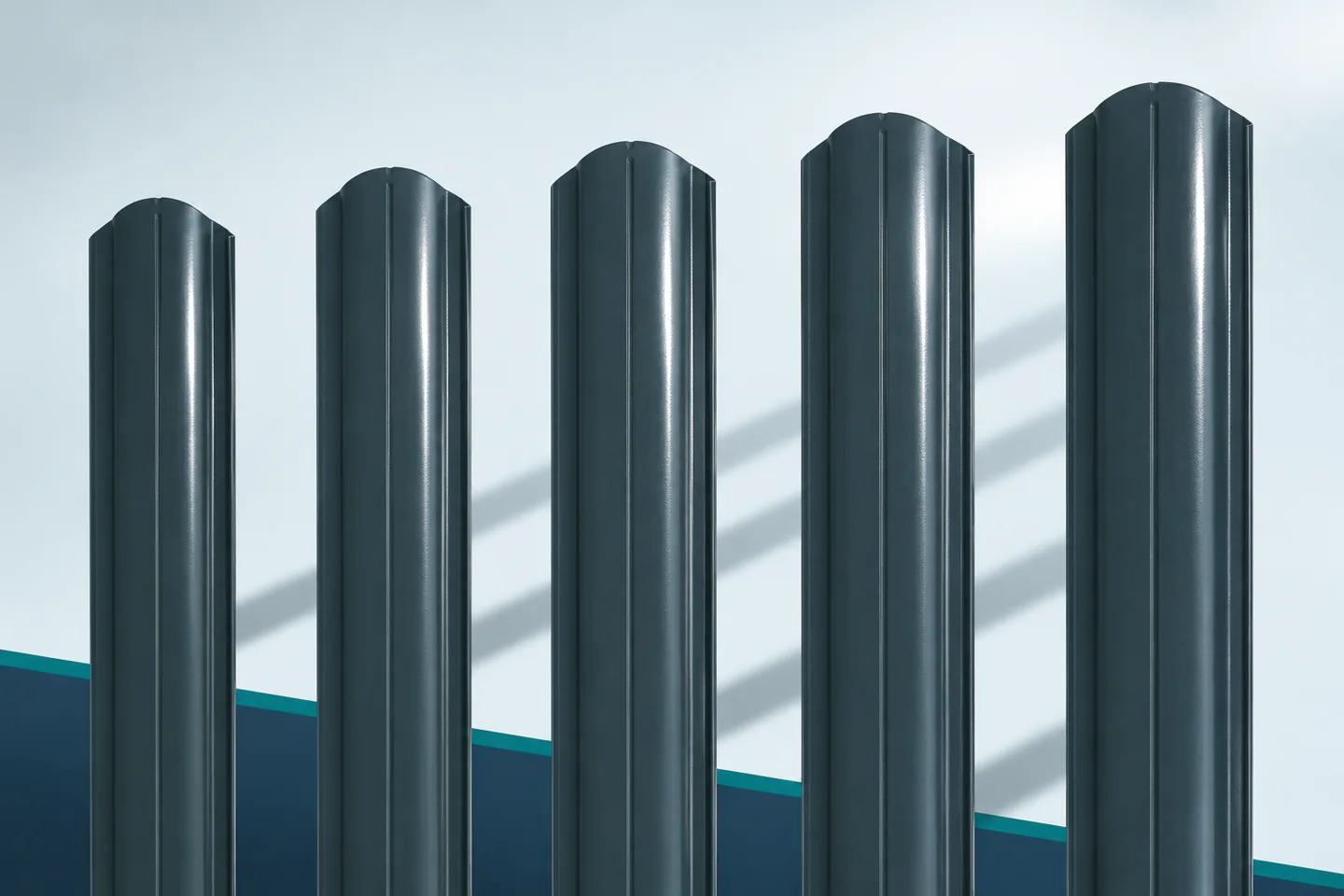
A metal fence is worth considering because pales and sheet infill can be matched to the house, budget and privacy needs. Before deciding, however, check the stiffness of the structure, the fixings and the wind load. These parameters determine whether the coating's advantages and layout freedom translate into durability in practice. Factory-coated steel does not require the same renewal cycle as bare wood, but it is not resistant to every damage or every chemical agent. Regular inspection and coating-appropriate washing suffice under proper use.

2026-11-14T21:01:00+01:00

When and how to maintain a sheet metal roof

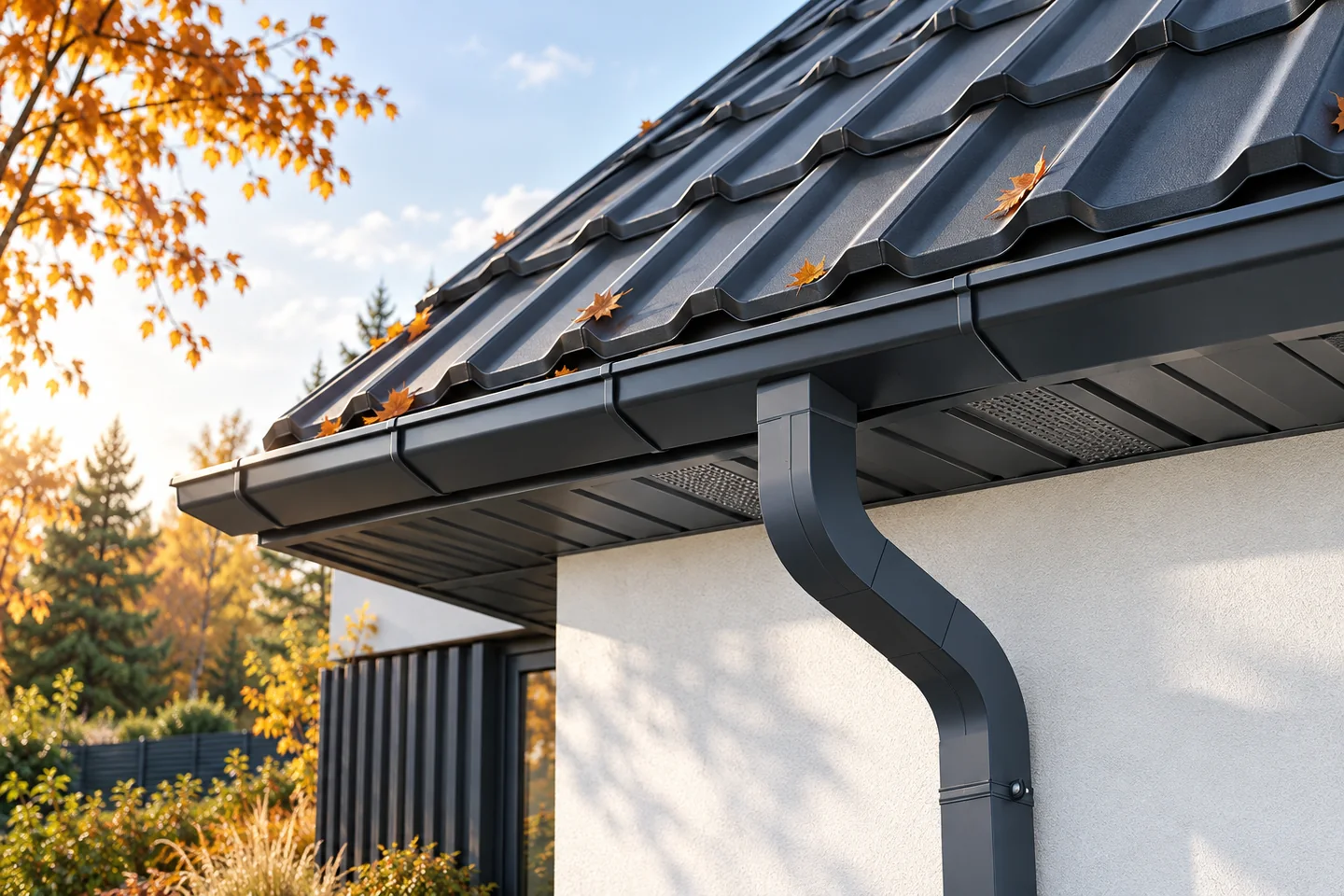
Plan tin roof maintenance according to the covering instructions and warranty terms, not a single date for every roof. Check the building surroundings: leaves and needles from trees, deposits from a chimney, road or industrial plant can accelerate soiling. It is worth linking inspections to winter preparation and the post-winter assessment, with an extra check after a gale, heavy hail or installation work. From a safe place, inspect the eaves line, ridge and flashings, and from inside the accessible attic. Look for loose elements, new stains and damp insulation before a leak appears.

2026-11-14T21:02:44+01:00

Why sheet metal roofing can suit an energy-efficient home

In Poland, a sheet metal roof covering can work well as part of an energy-efficient home, but on its own it does not guarantee low energy use. The overall roof assembly determines the outcome, so readers should check the properties and continuity of the insulation layer, airtightness and the avoidance of thermal bridges. The metal sheet itself is a thin covering and does not provide insulation, so the roof’s heat transfer value must be calculated for the whole assembly, including structure, gaps and joints. The choice of insulation material should be linked to the building design, not the name of the covering.

2026-11-14T17:31:31+01:00

When does it make sense to buy tile-effect metal roofing?

In Poland, buying a metal roof tile is reasonable when you need a lightweight covering with a regular appearance and your roof meets the requirements of the chosen profile. Rather than being guided by the year of purchase or a temporary promotion, check the roof geometry, pitch and substrate, and compare cut-to-size and modular variants for the same dimensions. Account for cutting losses, transport, accessories and labour, as well as coating quality and the full installation cost. Remember that metal roof tiles do not share identical parameters and application possibilities.

2026-11-14T17:32:11+01:00

Sheet thickness and developed width: reading a flashing order

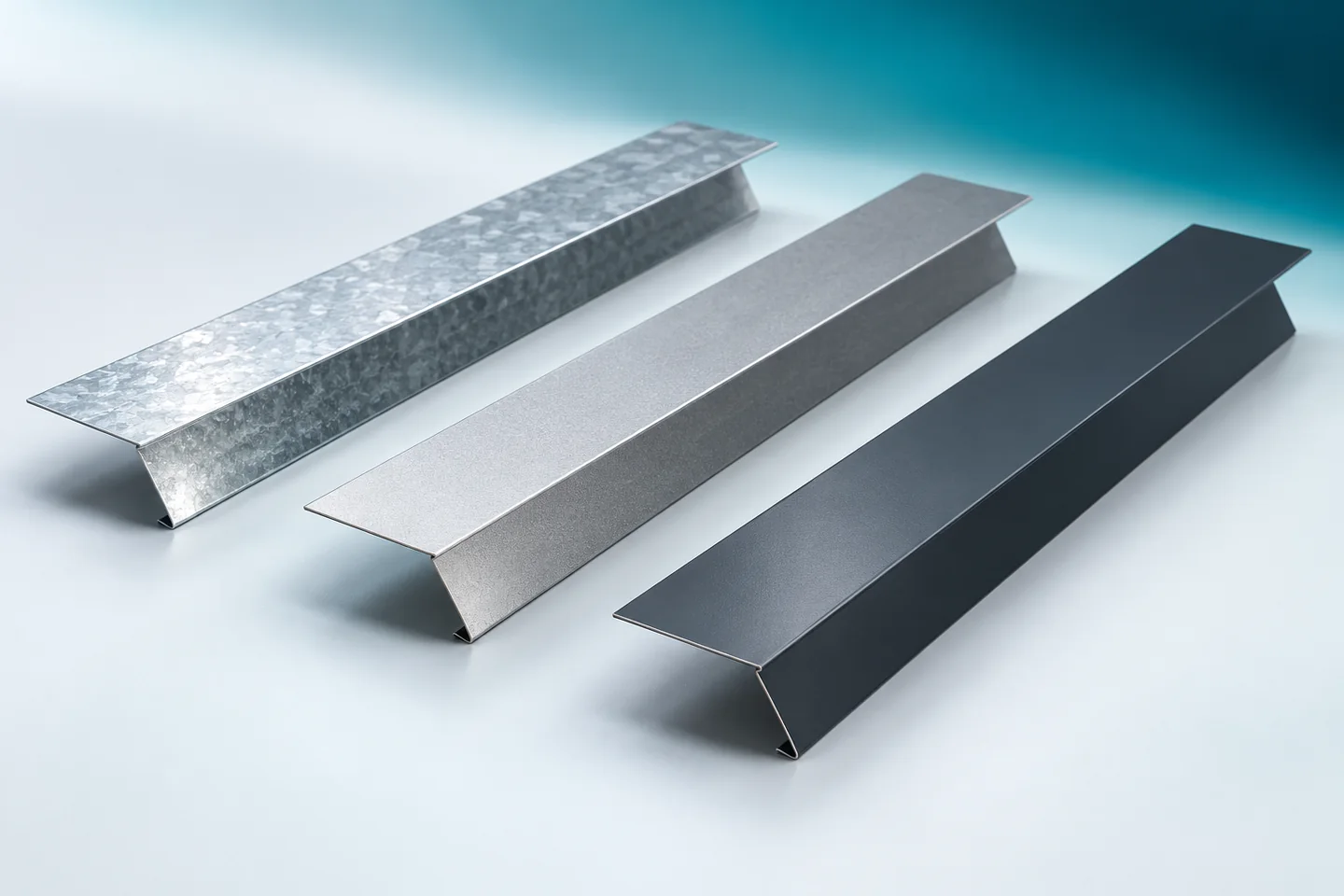
The description of a flashing includes millimetres, linear metres and square metres. Each of these units answers a different question. Thickness refers to the dimension of the sheet in the material cross-section. The developed width describes the width of the strip required before bending. Length defines the section of the finished profile. If these figures are mixed up, two similar quotes may relate to completely different products. It is worth organising them before ordering. A finished flashing has a defined cross-section and length. Its legs are formed from a strip of sheet whose width is the developed width. Thickness remains a separate parameter. A wide profile does not have to be thick, and a narrow strip can be made from a thicker sheet.

2026-11-15T04:43:44+01:00
Back to top