






Blog
The Izoprofil.net blog answers practical questions about renovation, extensions and the sequence of work. Find out where to start looking for a leak, when to order roofing sheets, how to prepare a delivery area and what to establish before installing insulation. The articles cover measurements, the condition of existing components and order details for roofing, sandwich panels and PIR insulation. They explain which information to collect and when an on-site assessment by a professional is needed. Choose the article that matches the current task so you can prepare a more accurate materials enquiry and reduce rework.
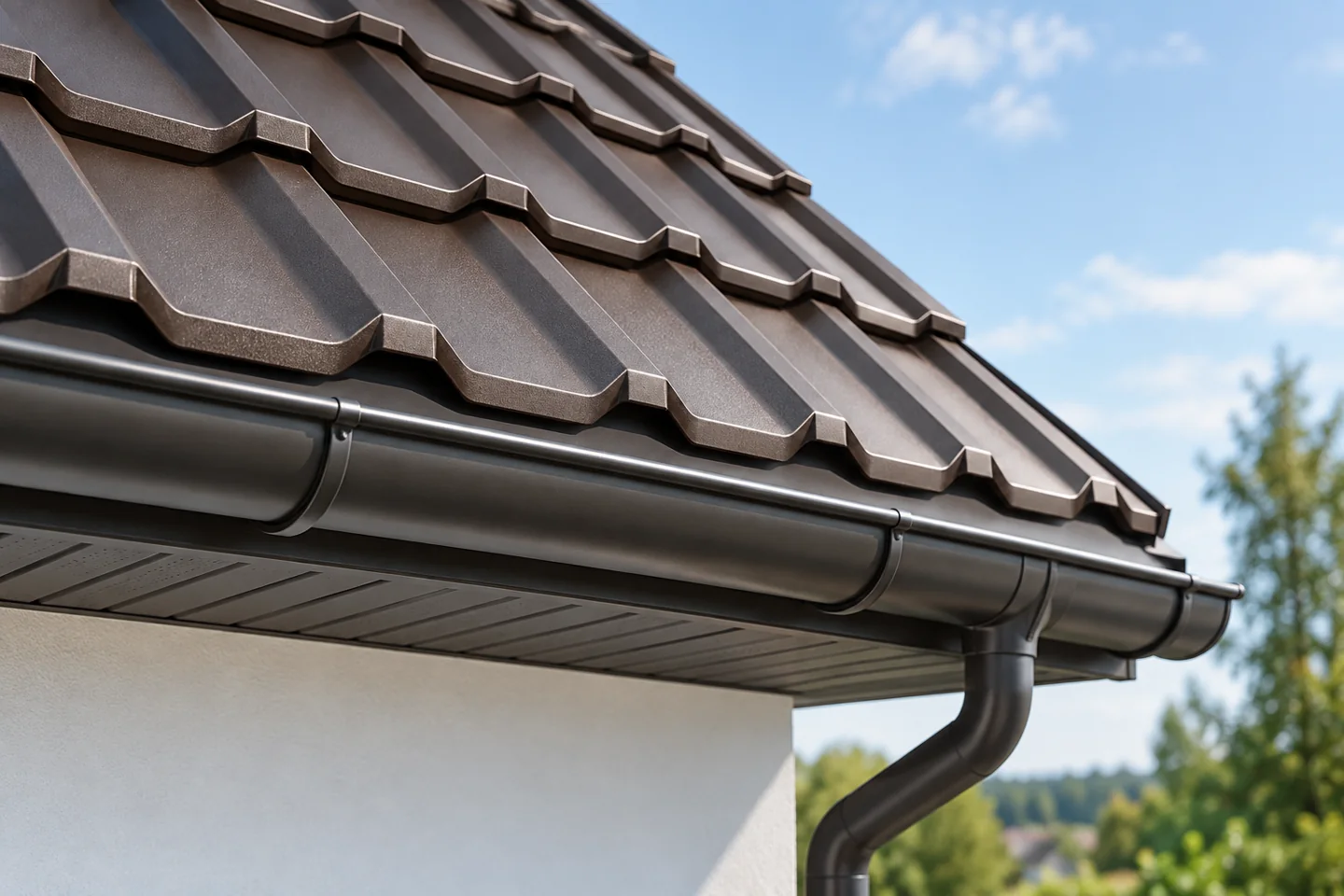
Checking a roofer’s work before signing a contract
In Poland, a good roofer stands out already when preparing the order: they ask about the design, the type of covering and the condition of the substrate, and for a renovation they want to see the building and establish what can only be checked after removal. Rather than promising a single price without knowing the scope, they can explain what data are needed for a sensible estimate. Before signing the contract, it is worth checking whether the conversation covers difficult areas — chimneys, valleys, windows and unusual eaves — and who is responsible for flashings and coordination with other teams.
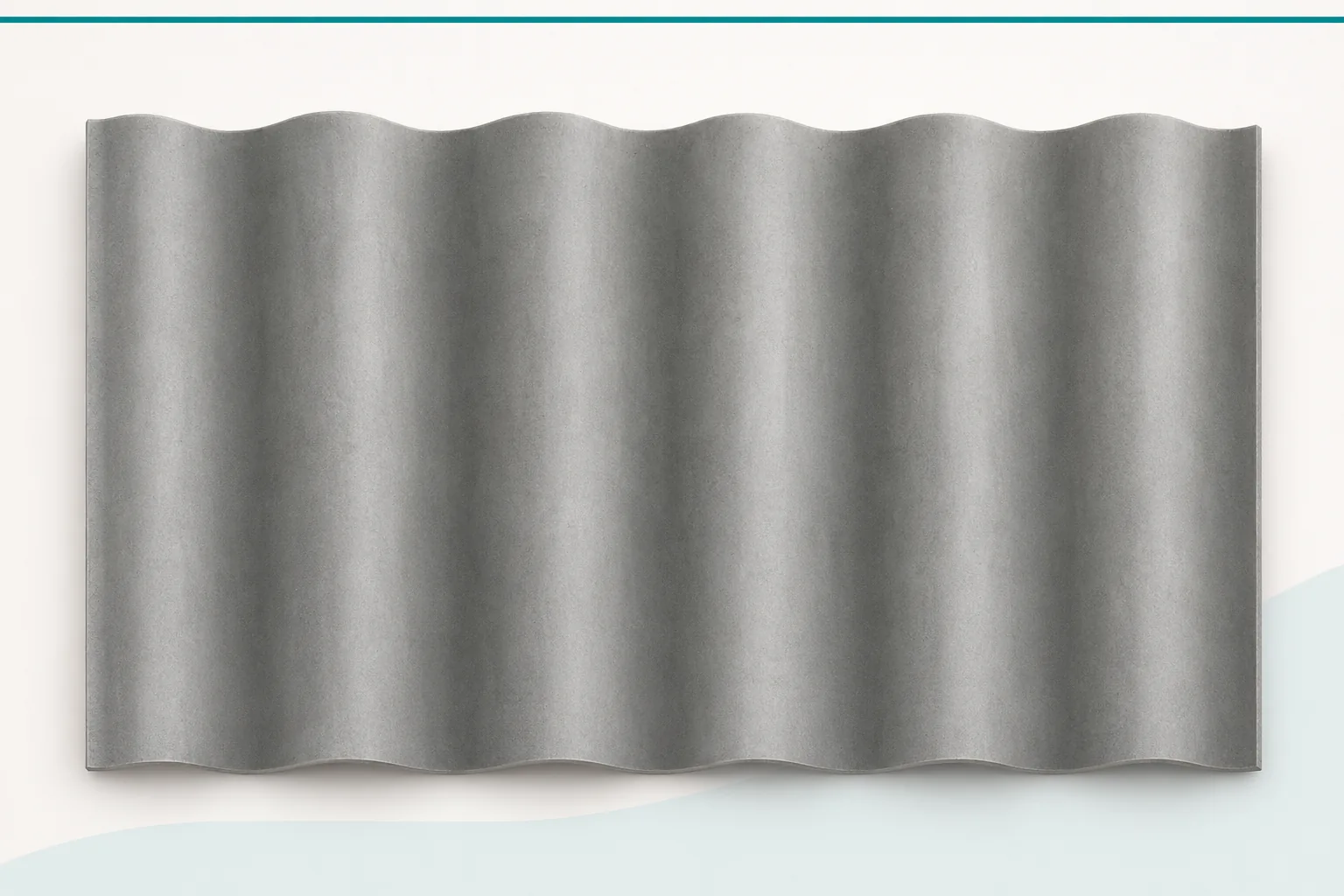
Factory-prepared fibre cement sheets: holes and corner cuts
Factory-drilled holes and cut corners can reduce the amount of work needed on site. Fibre cement sheets prepared in this way still require a proper installation plan. Asbestos-free fibre cement cannot simply be laid in any direction. The preparation helps when the sheet variant matches its position on the roof slope. The holes and corner cuts are not arbitrary finishing details. The manufacturer prepares them for a particular overlap arrangement and installation direction. Before ordering, check how each version is identified. Sheet size and colour alone do not explain its intended position within the system. Establish from the outset which elements are needed in the middle of the roof slope and which at its edges.
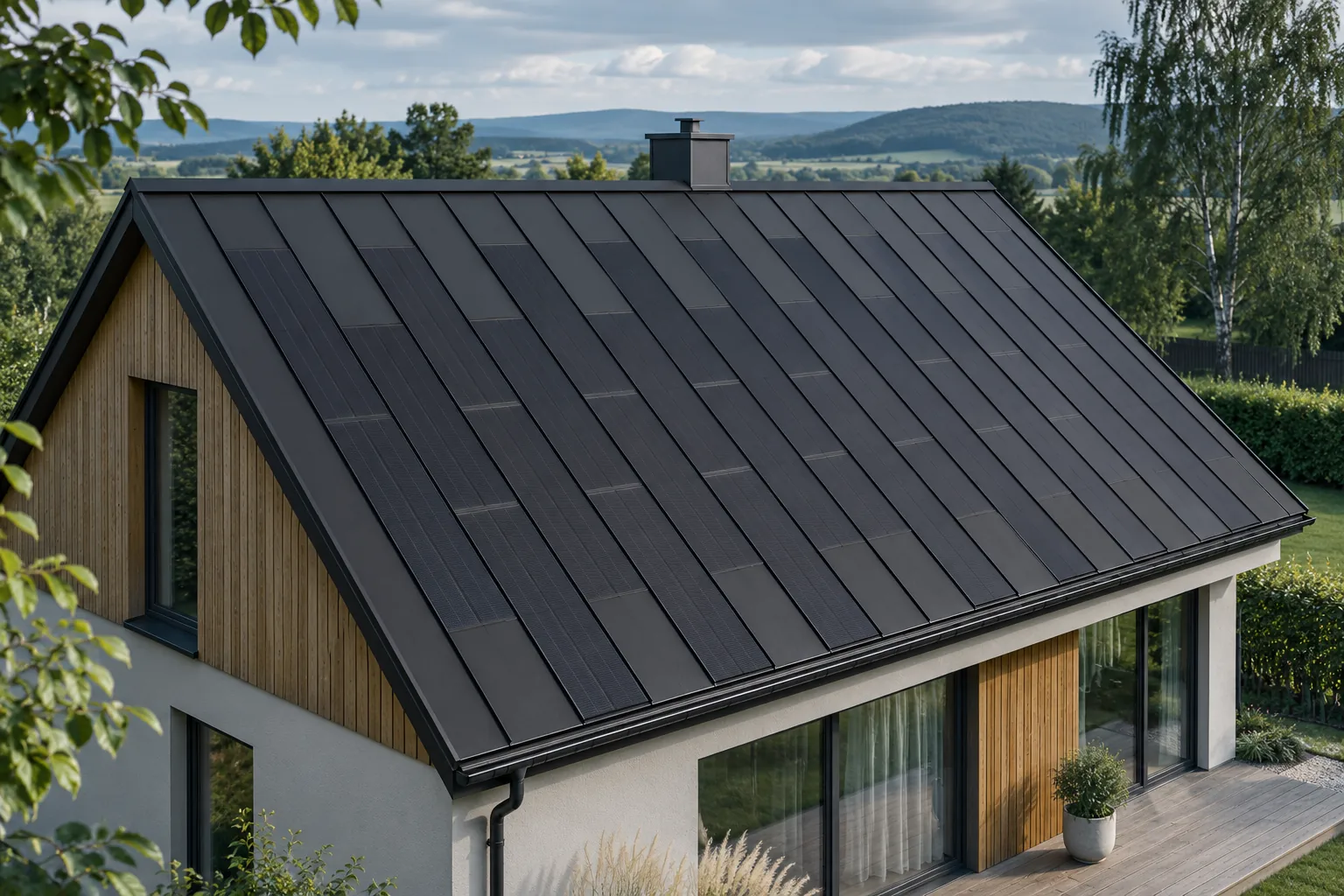
When and how to clean an integrated photovoltaic roof
Cleaning makes sense when it responds to a real need and is carried out in accordance with the covering's instructions. Not every deposit requires immediate washing, and rain does not remove all soiling. On an integrated roof, the active surface, the steel coating and the connections must all be protected at the same time. It is worth first assessing the condition of the roof and the access conditions. Only then should the method and timing of the work be chosen. Visible local soiling, accumulated leaves or deposits hindering water drainage may require action. A prolonged drop in production is a signal to check the cause, but does not in itself prove dirt. Weather conditions and device messages should be taken into account.
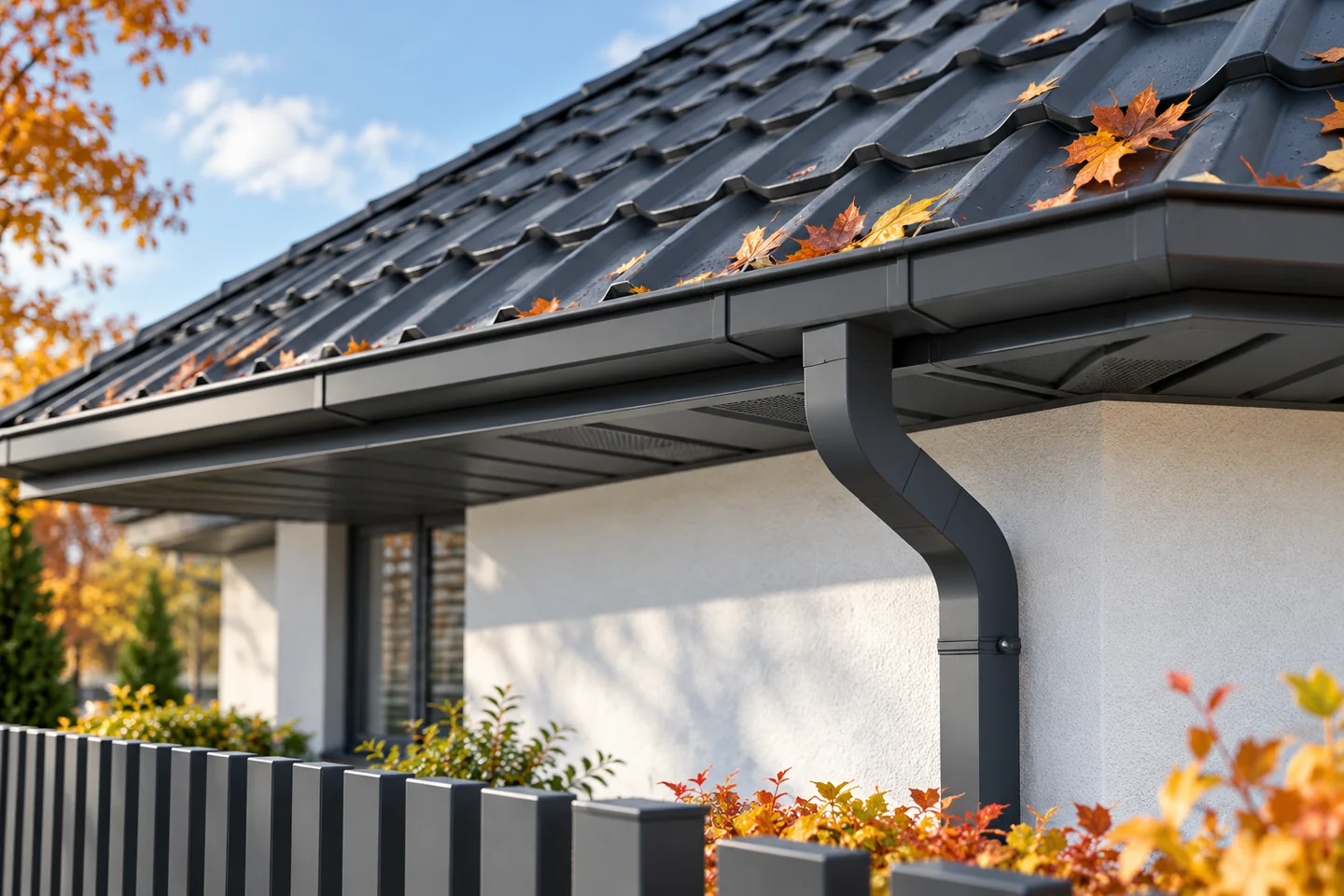
The autumn roof check: what to look for before temperatures drop
An autumn roof inspection is best planned before the first frost makes its condition harder to assess. Begin by viewing the building from the ground and from safely accessible places, and only then commission a more detailed check by a contractor. The key decision is which signals — shifted flashings, damaged gutters or marks on the façade — call for immediate action and which can simply be noted for the next inspection. Photographs from the previous check make it easier to point out changed areas. On that basis, set the scope of work and the order of repairs before winter.
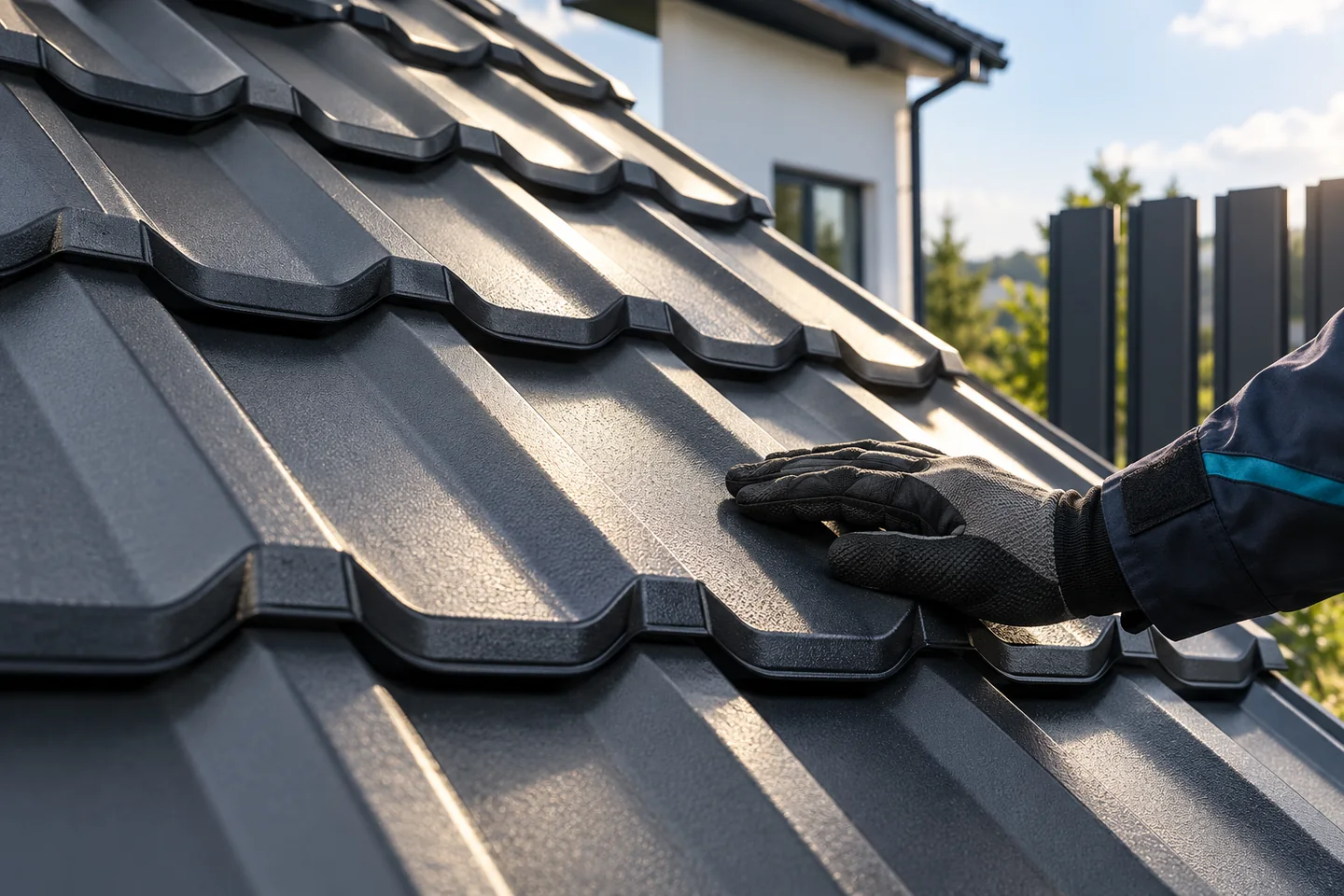
Sheet metal roofing complaints: tracing damage to its cause
Most complaints about sheet-metal roofing rarely stem from a single cause – they may originate in the material, transport, storage, installation or later use of the roof. Before reporting a problem, it is therefore worth establishing whether it concerns a specific detail or the entire slope, and gathering documents and installation photos. The key variable is the location of the mark and the roof's history: a rusty spot is assessed differently from a discolouration, and differently again from an unevenness. A close-up alone is often insufficient, so a general view and the date the symptom was noticed are needed.
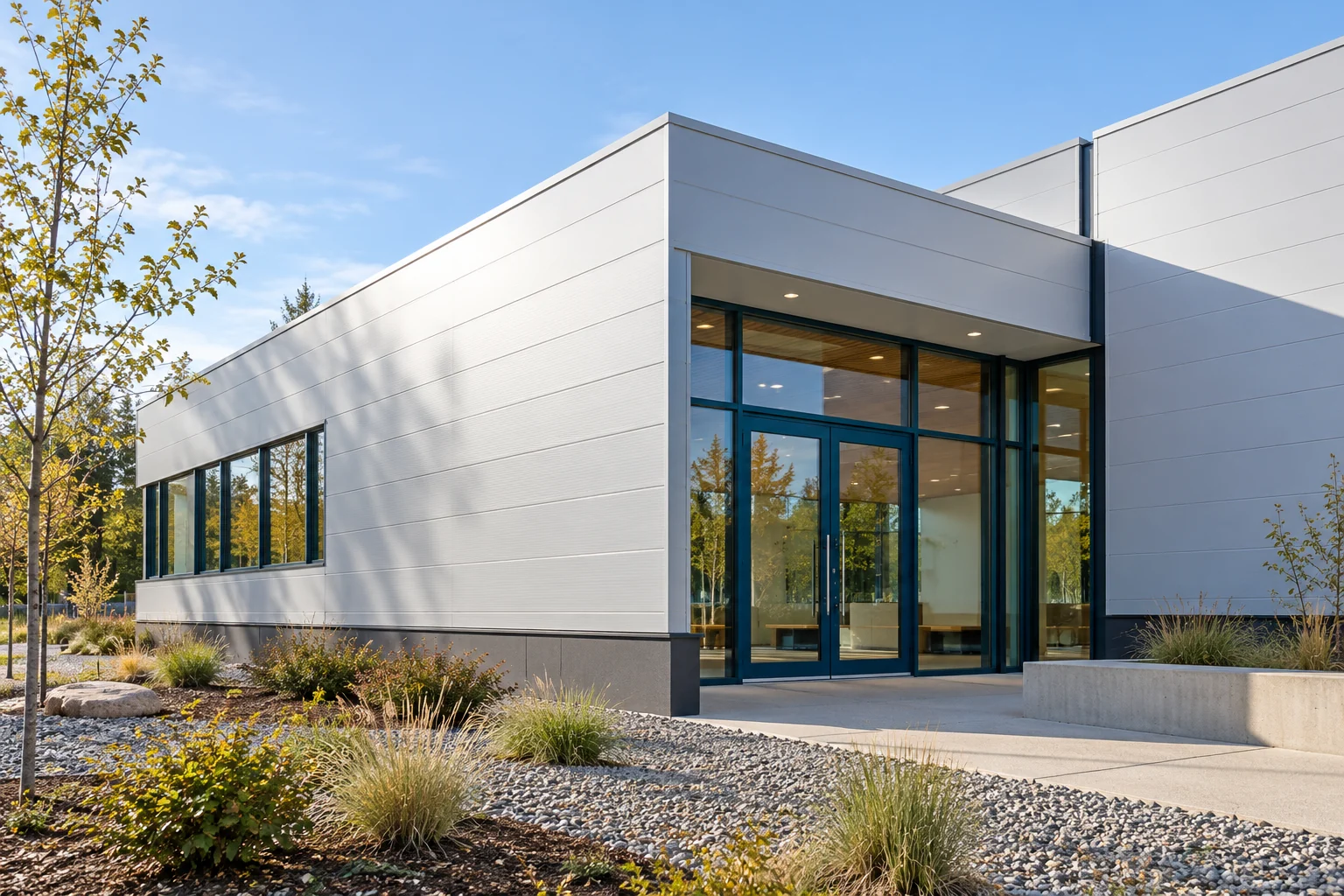
Where do insulated wall panels with a mineral wool core help meet building requirements?
Insulated wall panels with a mineral wool core are used where cladding with specific thermal, fire or acoustic properties is required. They may appear in industrial halls and public buildings. However, the suitability is not determined by the name of the core alone. The entire wall assembly, including openings and connections, is important. One of the reasons is the requirements relating to the behaviour of the wall during a fire. Panels with a mineral core can have appropriate reaction-to-fire classes and fire resistance classifications. However, the specific product and the method of installation must be checked. Not every thickness and span gives the same result.