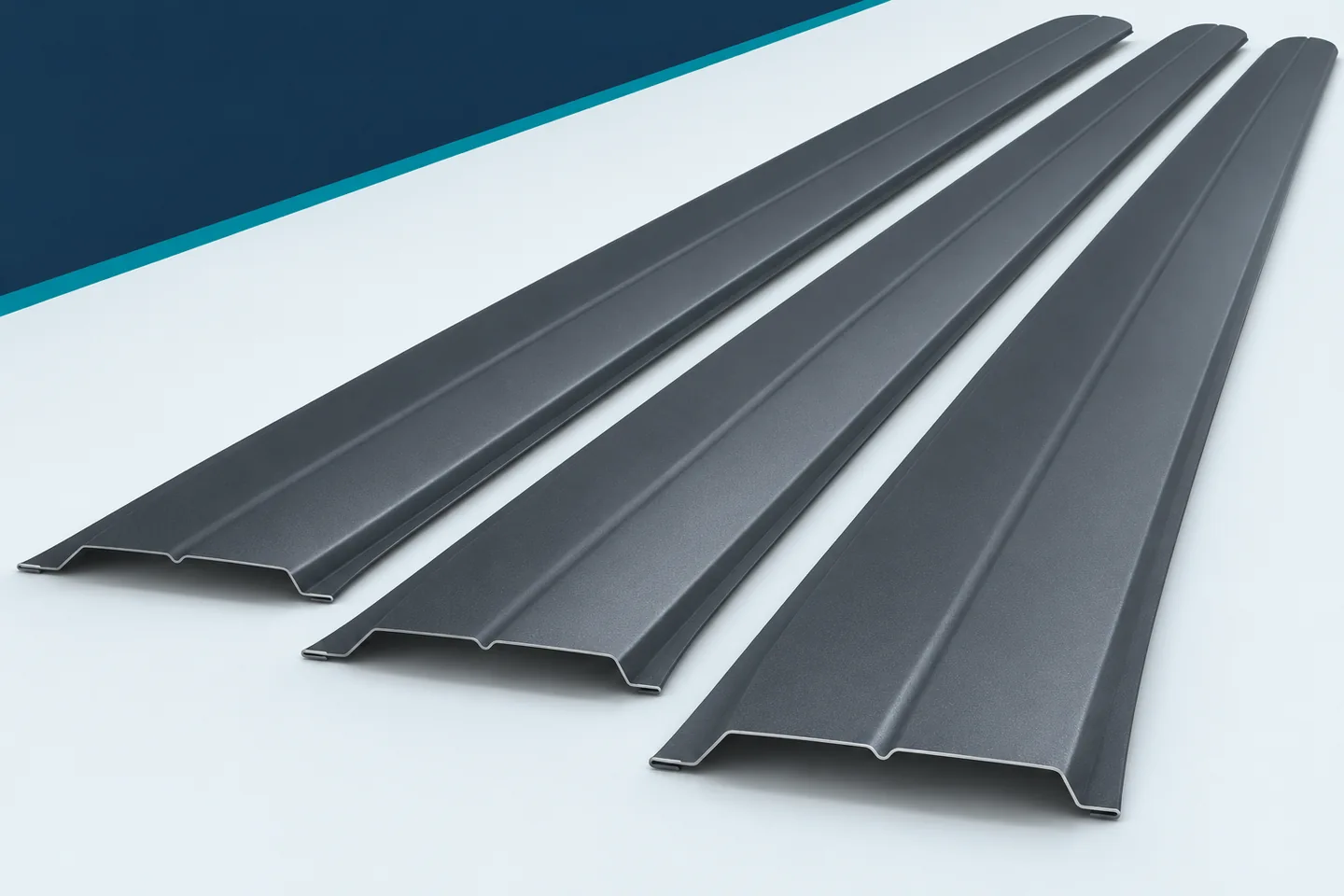
Fencing with metal panels and pickets: how do the options differ?

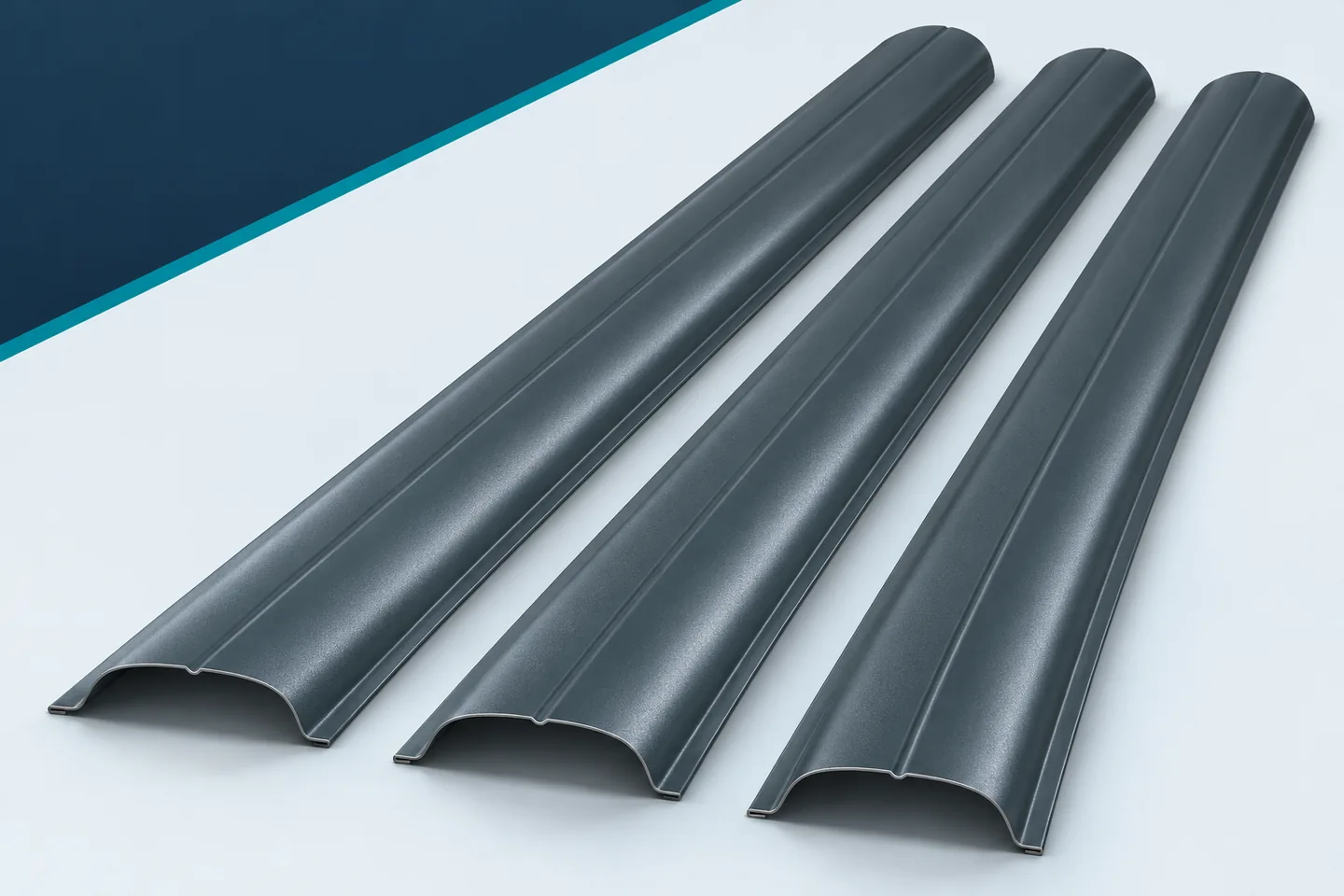
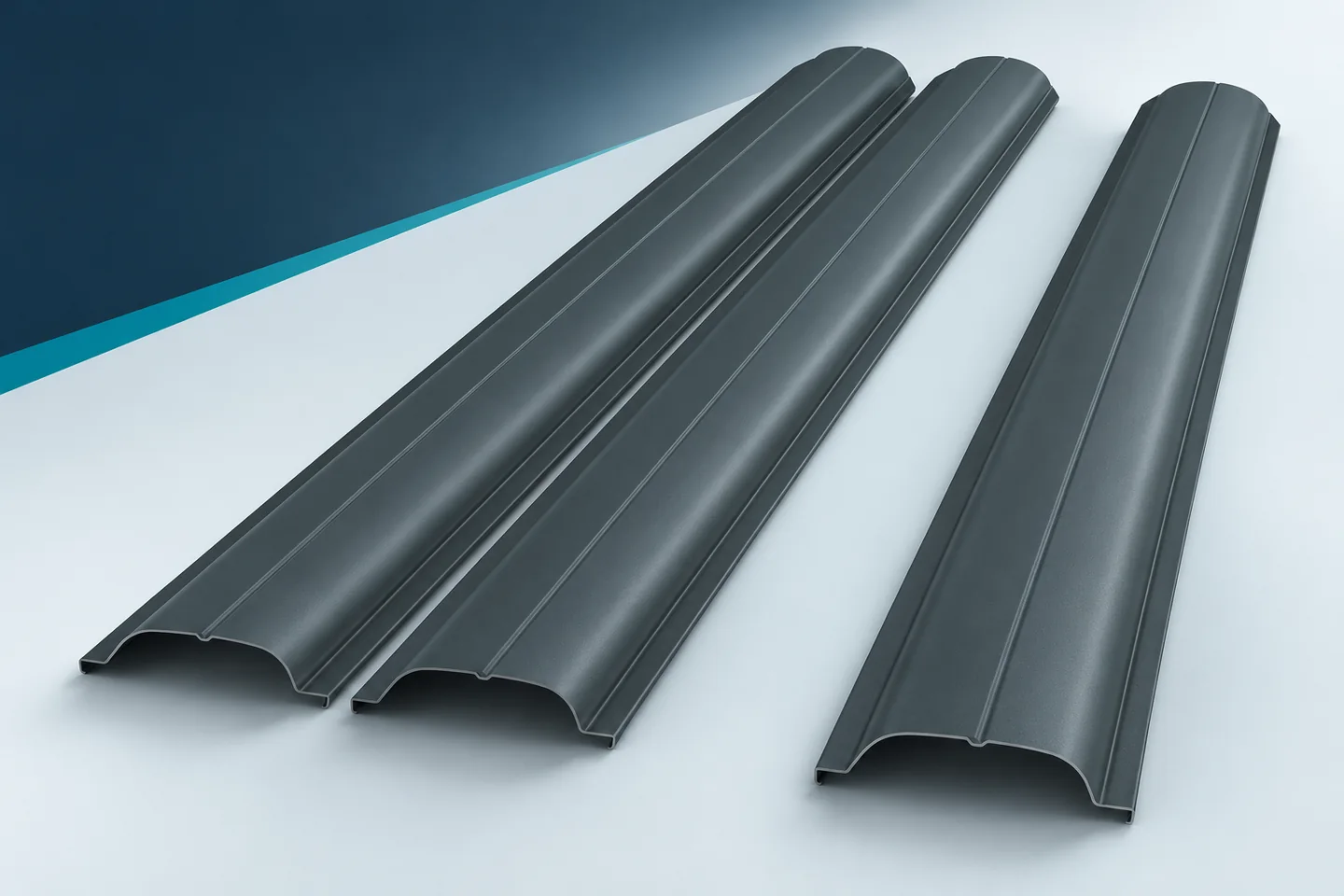
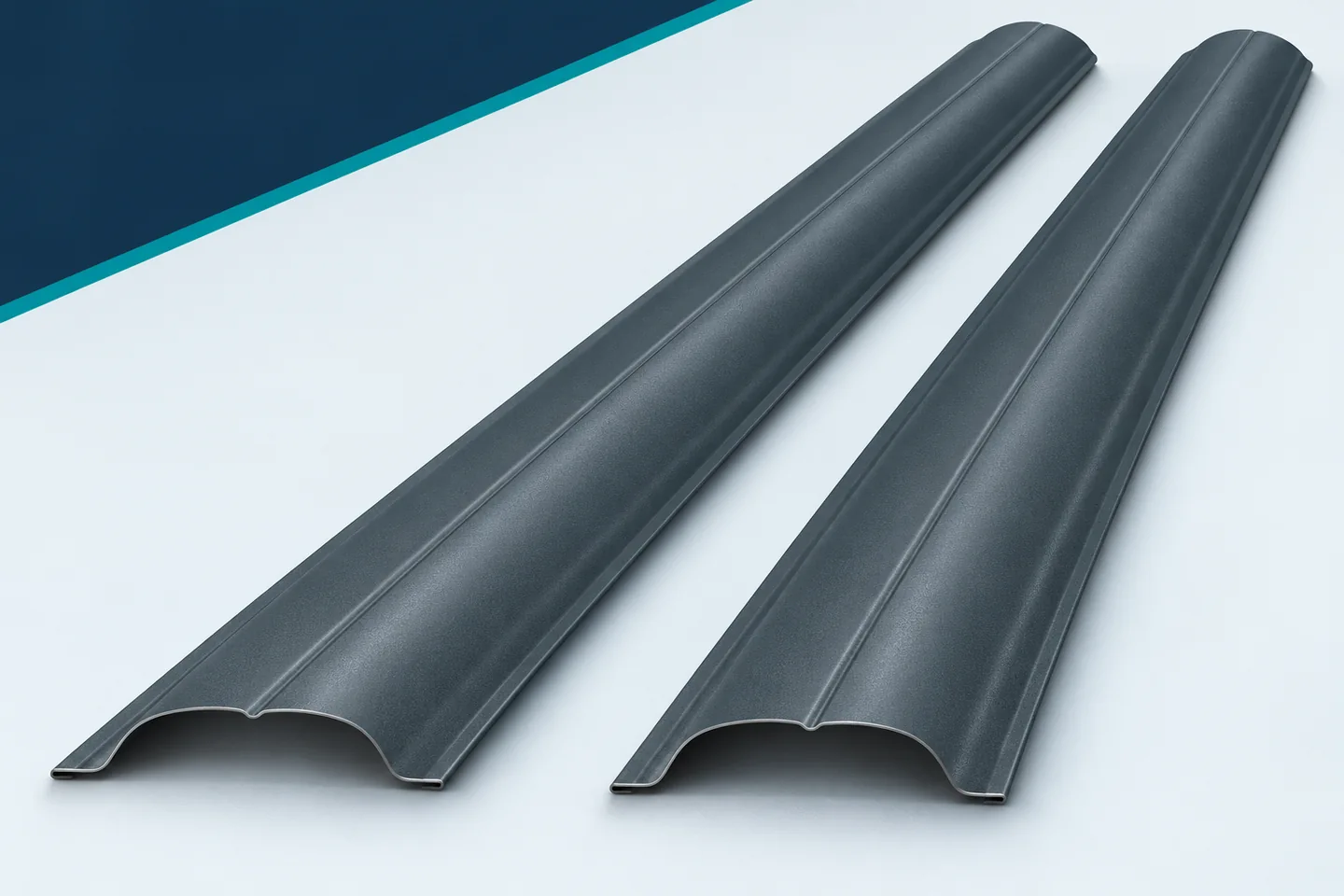
A fence made of metal panels and pickets first requires clarifying which product you are choosing. The name covers ready-made picket bays, profiled sheet panels and infills fixed between posts. This is not the same as the popular welded mesh. A solid infill provides privacy but increases the load, while a picket layout allows airflow. Durability depends on the coating, fixings and foundation. Before buying, check what the set includes and ask for a drawing of the whole system.
By |2026-11-14T21:01:45+01:002026-02-18|Blog|Comments Off on Fencing with metal panels and pickets: how do the options differ?

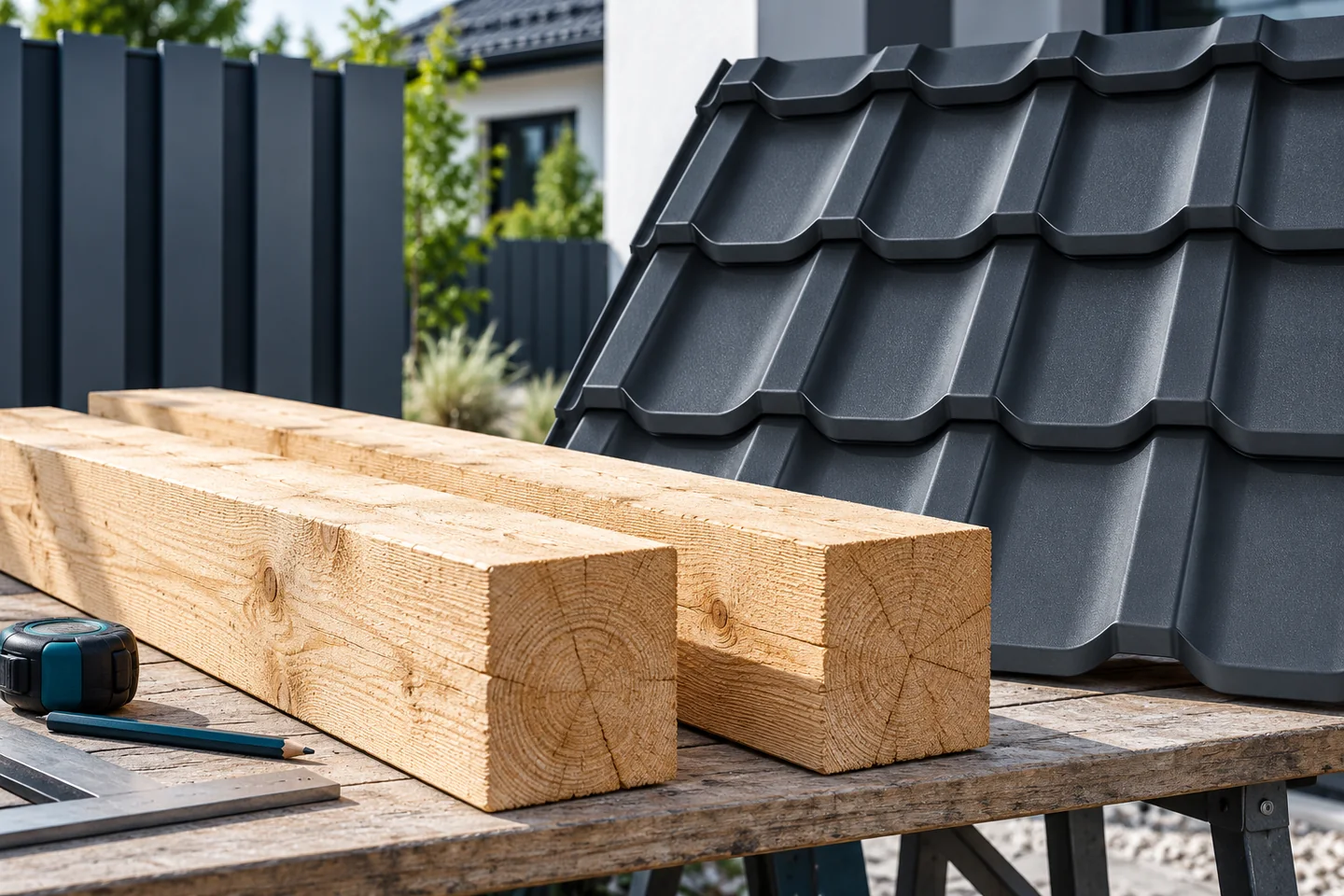
How timber members are joined in a roof frame

What decides how timber roof beams are joined is chiefly the direction of the forces, where the supports sit and whether the detail can actually be built. Before choosing a connector, work out which loads pass between the beams, whether the joint is compressed, tensioned or acts in several directions, and whether it falls over a support or within a span. Two similar-looking details may behave quite differently. Check the cross-sections, grade and condition of the timber, the surrounding conditions, and real access to the fixings for inspection.

By |2026-11-15T00:56:38+01:002025-09-01|Blog|Comments Off on How timber members are joined in a roof frame

Metal filings on newly installed fence pickets: dealing with small spots

After installation, small metal particles may remain on the fence pickets. Some are so small that they are not noticeable when the whole fence is inspected. Later, pinpoint surface rust may appear. It should not immediately be treated as corrosion of the entire picket, nor dismissed as harmless dirt. Careful inspection and cleaning suited to the coating are needed. It is worth knowing where to start. Recall where holes were drilled and what work was carried out next to the fence. The source of the particles may be the installation of the pickets, but also later cutting of other metal. Marks that appear mainly at connections may have a different origin than deposits on the entire side from the workshop. This information helps plan the inspection.

By |2026-11-15T20:21:25+01:002025-06-04|Blog|Comments Off on Metal filings on newly installed fence pickets: dealing with small spots

Inspecting metal fence pickets after winter, step by step

After winter, it is worth walking around the fence before plants obscure its lower part. This is not about automatically painting the whole fence. First, you need to check what actually requires attention. Metal fence pickets are best inspected together with their fixings and structure. A few orderly actions allow you to separate ordinary deposits from damage that needs to be clarified or repaired. Choose a day that allows you to walk around the fence safely. Look at it from a distance and check whether individual sections have kept their alignment. Pay attention to tilts, changes in the top line and contact between the leaves and adjacent elements. Such a view reveals problems that are not visible when focusing on a single scratch.

By |2026-11-15T20:21:11+01:002025-05-05|Blog|Comments Off on Inspecting metal fence pickets after winter, step by step

Bolts, splice plates and bracing: preparing a steel section installation list

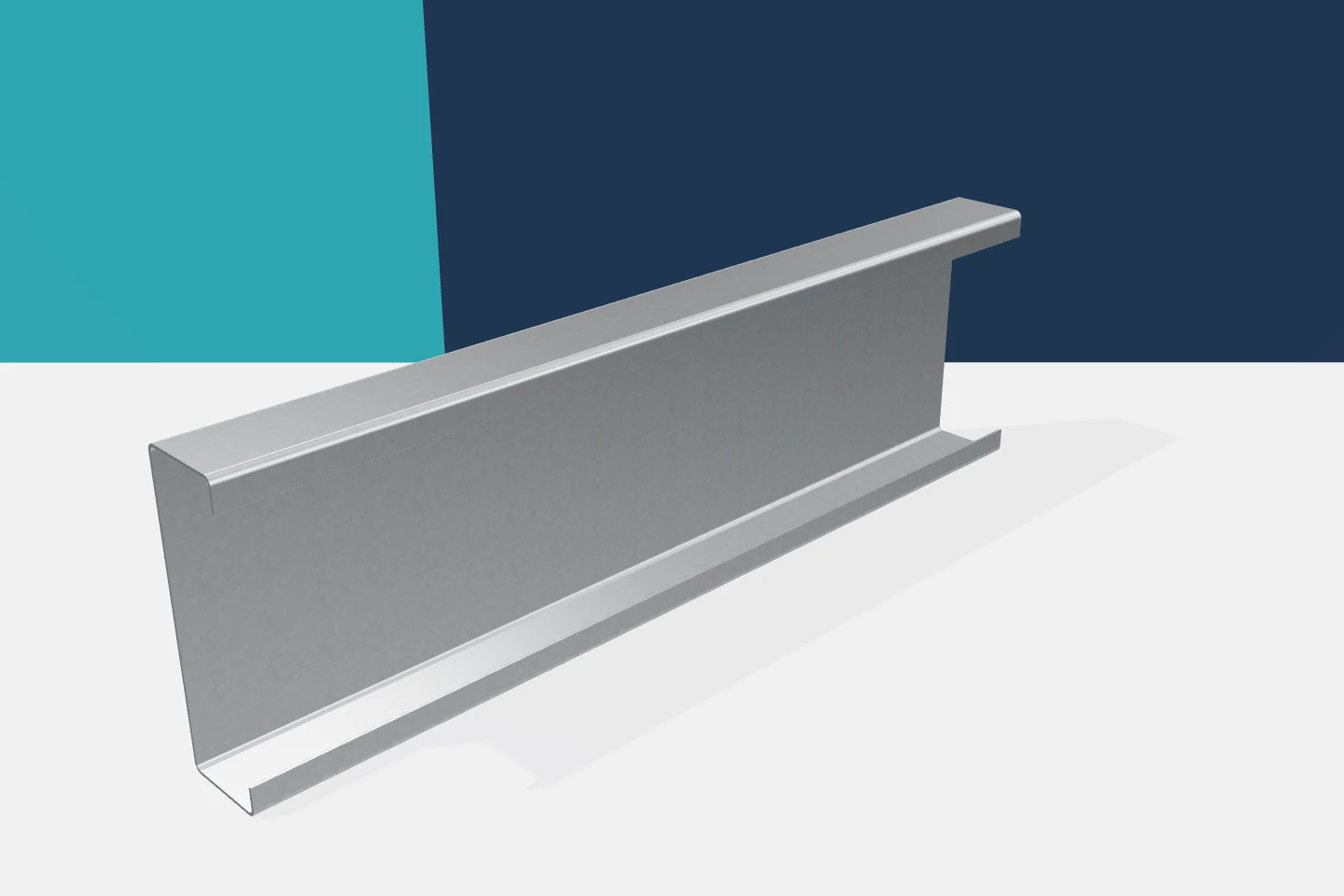
The absence of a single type of connector can bring the installation of an entire purlin line to a halt. That is why it is worth treating the steel order as a set of parts for building specific connections. Cold-formed profiles are its main component, but not the only one. Z-sections, C-sections and sigmas need the right connections. Omegas require matching fixings. A good installation list combines all these elements with the work plan. A schedule of profile metres alone does not show the scope of work. Details of supports, span connections and bracing are also needed. Each detail should have defined component parts. It is worth assigning them to drawing numbers and building zones. Then it can be checked whether the material list covers everything needed for installation.

By |2026-11-15T20:05:16+01:002025-03-25|Blog|Comments Off on Bolts, splice plates and bracing: preparing a steel section installation list

Storing metal fence pickets delivered before installation

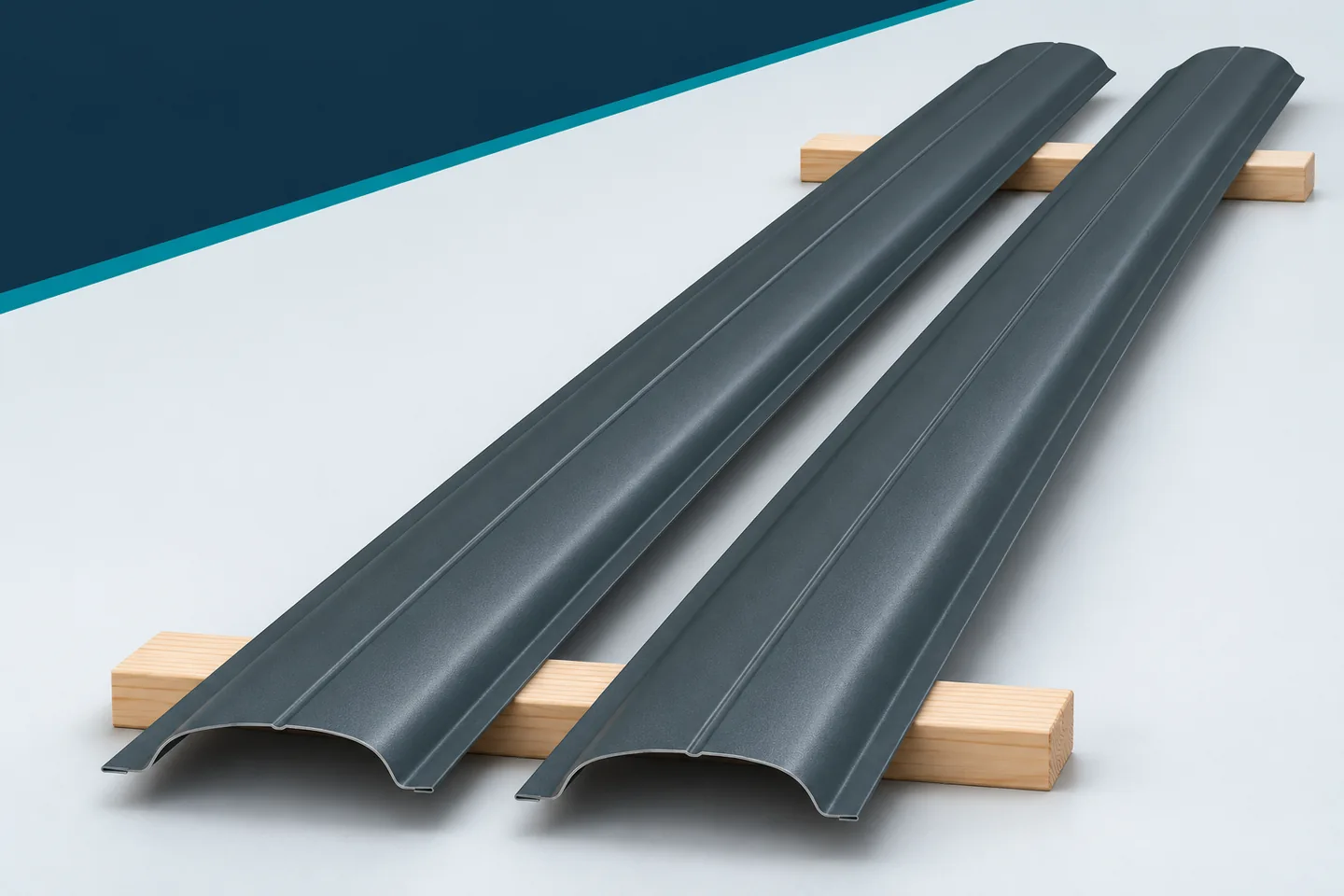
The delivery date does not always coincide with the structure being ready. Metal fence pickets must then wait for installation. This is an important stage, because the finished coating can be damaged before use. Packaging secured for transport is not automatically prepared for long-term storage. It is worth planning the storage location before the vehicle arrives. Check how the elements have been packed and what equipment or how many people are needed to move them safely. Long pickets should not hang unsupported or strike the ground with their ends. The unloading arrangements must match the delivery. A lack of prepared space often leads to the material being put down where it can easily be damaged.

By |2026-11-15T20:21:24+01:002024-03-26|Blog|Comments Off on Storing metal fence pickets delivered before installation

Replacing one metal picket in an existing fence

A damaged picket does not always require replacing the entire bay. In many fences, the elements are fixed separately, which allows the repair to be focused on one place. However, this does not mean that every similar picket will fit. Profile data, an assessment of the connections and a dismantling plan are needed. A well-prepared replacement reduces the risk of damaging adjacent surfaces. Locate the specification or marking from the original delivery. Check the width, the depth of the section, the run of the grooves and the edge finish. Two metal pickets of similar width may have different bends. Once fitted side by side, the difference can be obvious, even when the colour is similar.

By |2026-11-15T20:21:29+01:002024-02-24|Blog|Comments Off on Replacing one metal picket in an existing fence

A year-round maintenance plan for a metal picket fence

A fence is easier to maintain when you know what to check and when. No elaborate system is needed. Documentation of the material, a few fixed inspection points and a record of the work carried out are enough. Metal fence pickets have a factory-applied coating, but they require attention depending on where they are used. A good plan combines regular inspections with a response to specific events. Keep the specification of the metal fence pickets, the user instructions, the coating data and the installation information. Add the documents for the structure and the gate fittings if they relate to the fence. This way you do not have to search for cleaning rules in random advice each time. It is also clear which material to choose for a later replacement.

By |2026-11-15T20:21:57+01:002023-12-06|Blog|Comments Off on A year-round maintenance plan for a metal picket fence

Plants beside a metal picket fence: protecting the coating and access

A metal fence and a garden do not have to compete with each other. Metal fence pickets can form a calm backdrop for greenery. However, plant growth and access to the surface must be taken into account. A shrub that is small on the day of planting may in time obscure the fixings or rub against the profile. It is worth planning this relationship in advance, rather than reacting only to marks on the paint. When choosing a planting position, take into account the recommendations for the specific plant and the way the garden is managed. There is no single distance suitable for all species. For the fence, it is important to preserve the possibility of inspection and care. A section that is completely obscured is difficult to wash and to check after winter.

By |2026-11-15T20:21:42+01:002023-11-05|Blog|Comments Off on Plants beside a metal picket fence: protecting the coating and access

Metal fence pickets rattling in the wind: tracing loose connections

A single picket rattling or vibrating does not necessarily mean that the entire fence was made from sheet metal that is too thin. The cause may lie in the connection, the support or contact with another component. A diagnosis is needed before anything is tightened. Sheet metal pickets and their fastenings have specific operating conditions. A repair should restore these rather than mask the symptom. Note which section the sound comes from and under what conditions it occurs. If possible, a recording will help show the problem to the installer. Carry out the mechanical inspection under safe conditions, however. Do not try to stop a moving bay with your body or climb on the fence during wind.

By |2026-11-15T20:21:40+01:002023-09-23|Blog|Comments Off on Metal fence pickets rattling in the wind: tracing loose connections
Back to top