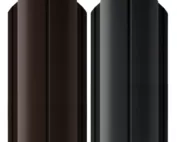
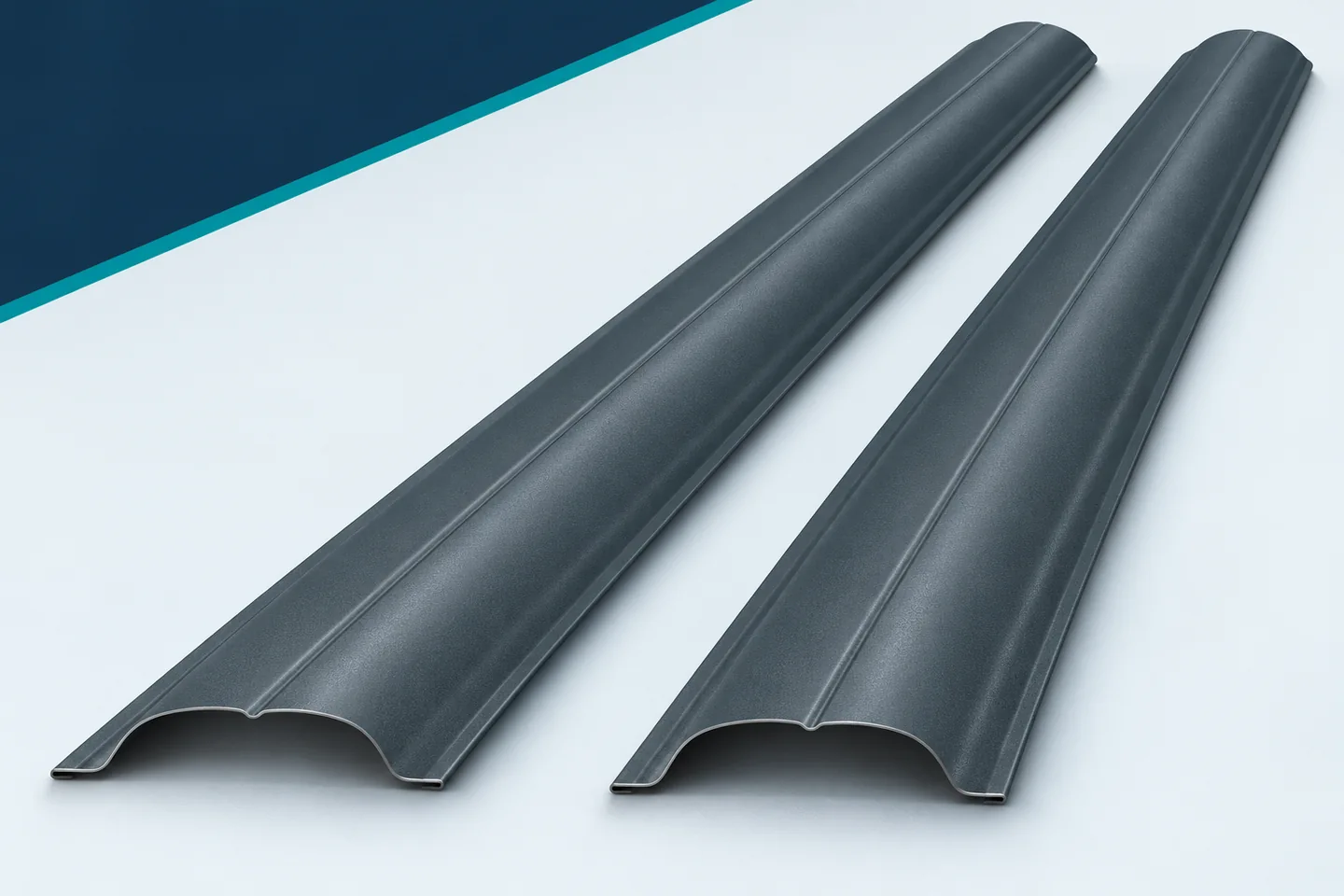
Metal fence pickets and fences
Metal filings on newly installed fence pickets: dealing with small spots
In brief
After installation, small metal particles may remain on the fence pickets. Some are so small that they are not noticeable when the whole fence is inspected. Later, pinpoint surface rust may appear. It should not immediately be treated as corrosion of the entire picket, nor dismissed as harmless dirt. Careful inspection and cleaning suited to the coating are needed. It is worth knowing where to start. Recall where holes were drilled and what work was carried out next to the fence. The source of the particles may be the installation of the pickets, but also later cutting of other metal. Marks that appear mainly at connections may have a different origin than deposits on the entire side from the workshop. This information helps plan the inspection.
Check the circumstances in which the marks arose
Photograph a section of the bay and a close-up of several spots. Note when they were noticed. Do not immediately wipe the whole surface with a dry, rough cloth. Loose particles could then be dragged across the paint. Metal fence pickets should be cleaned in a way that does not turn a small deposit into a long scratch.
A brown spot does not determine what is corroding
A foreign particle of swarf can rust on the surface even though the picket’s main coating is not the cause of the deposit. This does not mean, however, that the mark can simply be ignored. The residue must be removed by an approved method and the condition beneath it checked. Only then can it be assessed whether a deposit, discolouration or damage remains.
If the spot is near a deep scratch or a hole, particular care is needed. Different phenomena can occur at the same time. It is not worth giving a diagnosis based on the colour in the photo alone. Also give the supplier information about the coating and the sequence of work so that the assessment relates to the actual material.
Use the cleaning method specified for the product
The instructions may recommend removing particles after installation and a specific method of washing. For some pickets only water is permitted, for others mild agents are also indicated. Do not use a rust remover intended for bare steel on your own initiative. Its effect on the decorative coating may be undesirable.
Avoid sharp scrapers and wire brushes. Do not try to pick off a stuck spot with the tip of a knife. If the deposit does not come off with approved cleaning, ask for further recommendations. Metal fence pickets have a thin system of protective layers. Mechanical damage to the paint is not a proper price for quickly removing a small mark.
Also inspect places not visible from the front
Particles may lodge in the recesses of the profile, around fastener heads and on the crossbars. It is worth checking the reverse side and the upper surfaces of the structure. If you clean only the front, the remaining material may still be a source of marks. The inspection should cover the area where the work was carried out, not only the place of the first stain.
Do not dismantle a correct connection unnecessarily. If you suspect a problem beneath the fastener, agree on a method of inspection. Dismantling may require a new fixing element and an assessment of the hole. The aim is to remove the source of contamination while maintaining correct installation, not to accidentally loosen the entire bay.

After cleaning, assess the surface in good light
Check whether any paint damage remains. Compare the area with a photograph taken before cleaning. If the substrate is exposed, the procedure may include a touch-up matching the coating. Not every discolouration justifies painting the entire picket. The scope of repair should follow the actual condition and the recommendations.
With a larger number of spots, it is worth consulting on the entire section. Do not multiply different preparations on successive parts of the fence. This makes assessment difficult and can produce an uneven appearance. It is better to establish one suitable method for the identified problem and then check its effect before working on a larger area.
Change how the subsequent work is organised
When drilling and fitting elements, remove residues as you go in accordance with the instructions. After completion, carry out a final cleaning. Do not leave loose screws on supports or in recesses. Steel pickets should be handed over as ready, cleaned infill, not as a surface covered with installation residues.
If a canopy is being built nearby or a gate is being renovated, protect the fence from particles from these works. The protection must not scratch the paint itself or retain moisture for long. Choose it to suit the type of task. A finished coating needs protection even when the pickets were installed many months earlier.
Include the check in the fence acceptance
Acceptance should include the cleanliness of the front, the back and the structure. Inspect the connections closely, not only from the driveway. Ask the contractor to confirm that processing residues have been removed. It is worth keeping photographs after completion as a reference point for later inspections.
Metal fence pickets look good thanks to their uniform surface. A minor oversight during installation can unnecessarily disturb this effect. Swarf must be removed early and carefully. If a film appears, the most important things are correct identification and a suitable method of action, rather than a hasty diagnosis or aggressive scrubbing.
7 branches. Materials closer to your project.

- SEROCK — Dzierżenin 34 E
- BŁONIE — ul. Sochaczewska 138A
- RADOM — ul. Grobickiego 8
- ŁÓDŹ — Natolin 8
- OLSZTYN — Barczewo, ul. Prosta 9
- WROCŁAW — ul. Jerzmanowska 10C
- GORZÓW WLKP. — ul. Zielona 33/34