






Blog
The Izoprofil.net blog answers practical questions about renovation, extensions and the sequence of work. Find out where to start looking for a leak, when to order roofing sheets, how to prepare a delivery area and what to establish before installing insulation. The articles cover measurements, the condition of existing components and order details for roofing, sandwich panels and PIR insulation. They explain which information to collect and when an on-site assessment by a professional is needed. Choose the article that matches the current task so you can prepare a more accurate materials enquiry and reduce rework.
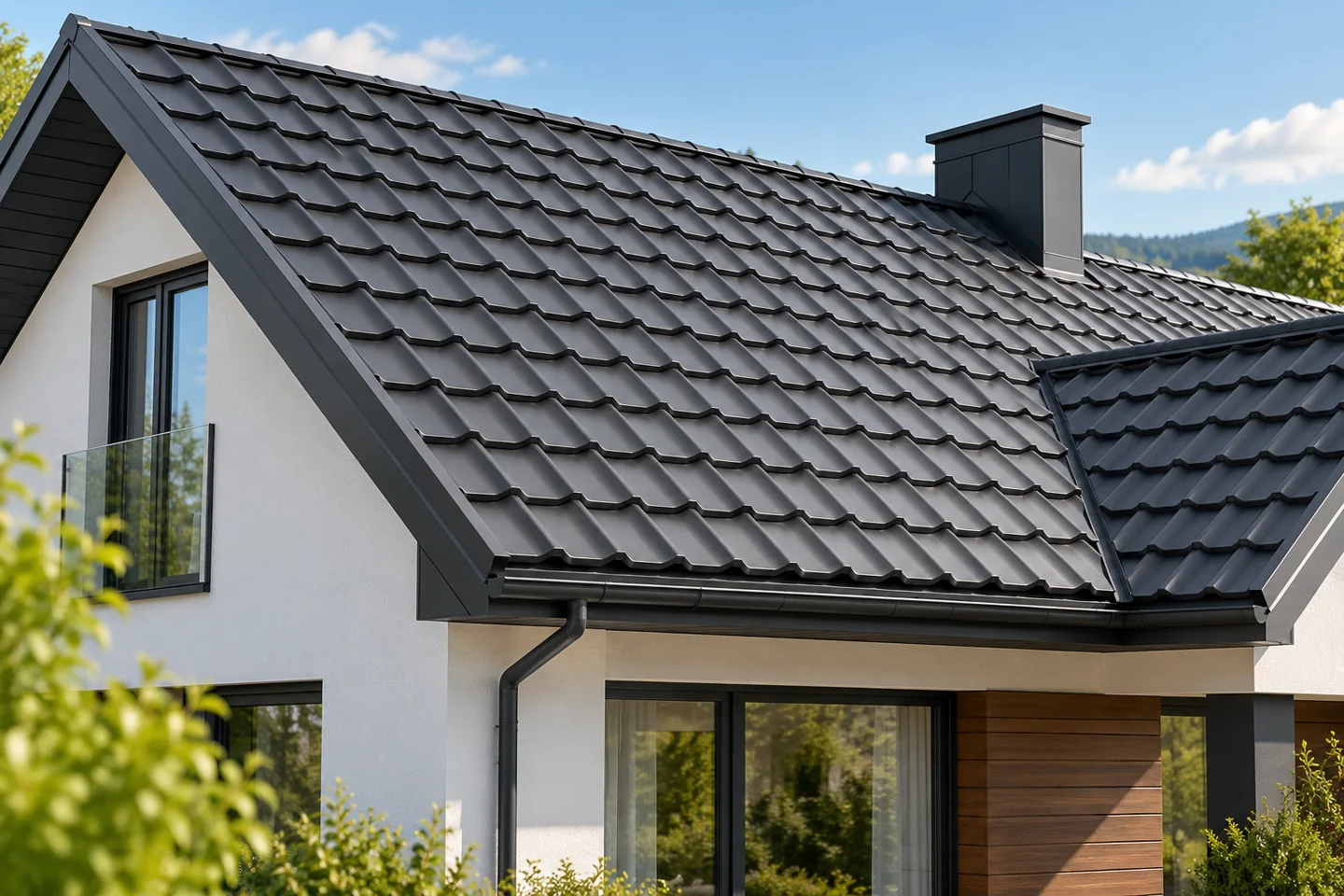
When does it make sense to buy tile-effect metal roofing?
In Poland, buying a metal roof tile is reasonable when you need a lightweight covering with a regular appearance and your roof meets the requirements of the chosen profile. Rather than being guided by the year of purchase or a temporary promotion, check the roof geometry, pitch and substrate, and compare cut-to-size and modular variants for the same dimensions. Account for cutting losses, transport, accessories and labour, as well as coating quality and the full installation cost. Remember that metal roof tiles do not share identical parameters and application possibilities.
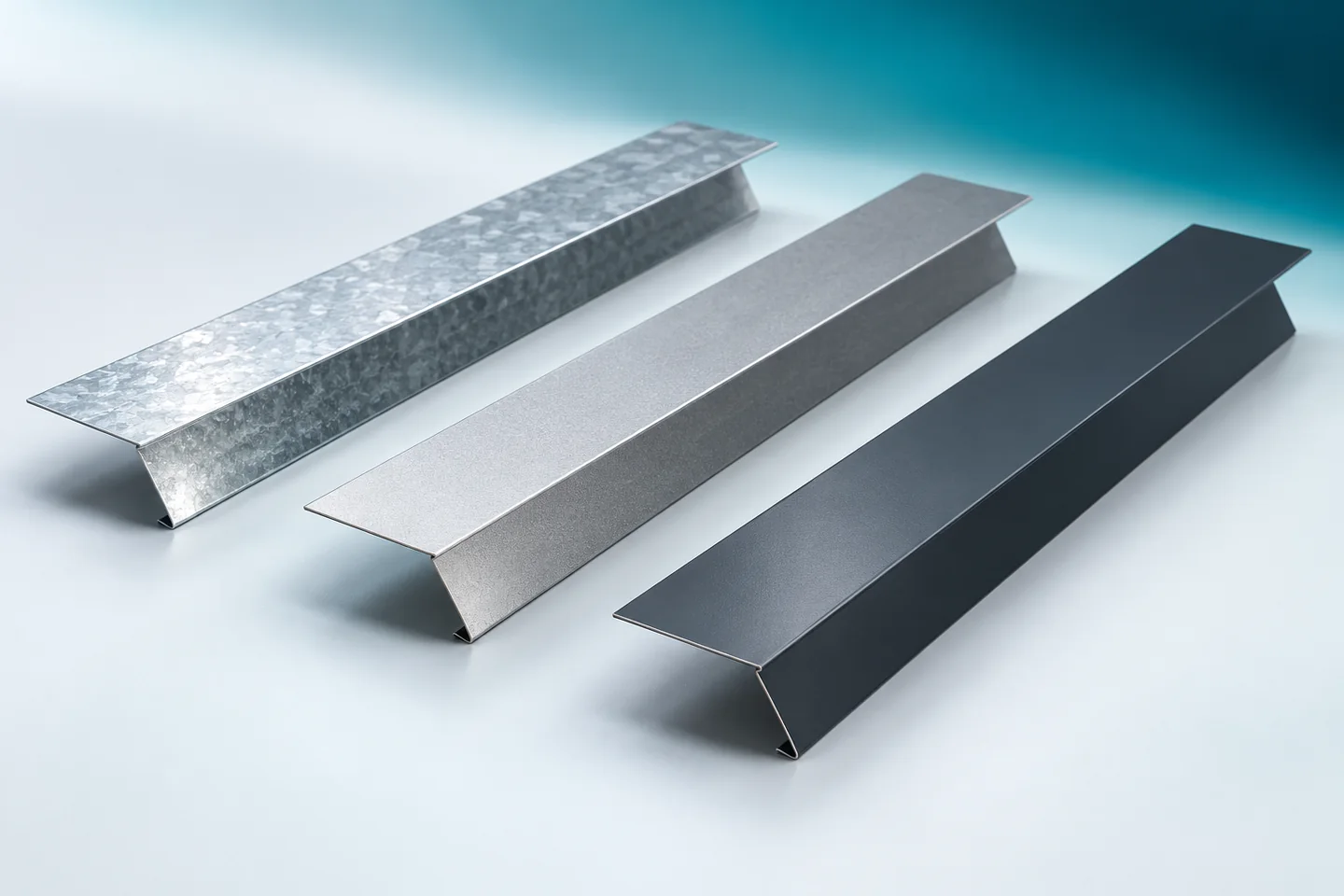
Sheet thickness and developed width: reading a flashing order
The description of a flashing includes millimetres, linear metres and square metres. Each of these units answers a different question. Thickness refers to the dimension of the sheet in the material cross-section. The developed width describes the width of the strip required before bending. Length defines the section of the finished profile. If these figures are mixed up, two similar quotes may relate to completely different products. It is worth organising them before ordering. A finished flashing has a defined cross-section and length. Its legs are formed from a strip of sheet whose width is the developed width. Thickness remains a separate parameter. A wide profile does not have to be thick, and a narrow strip can be made from a thicker sheet.
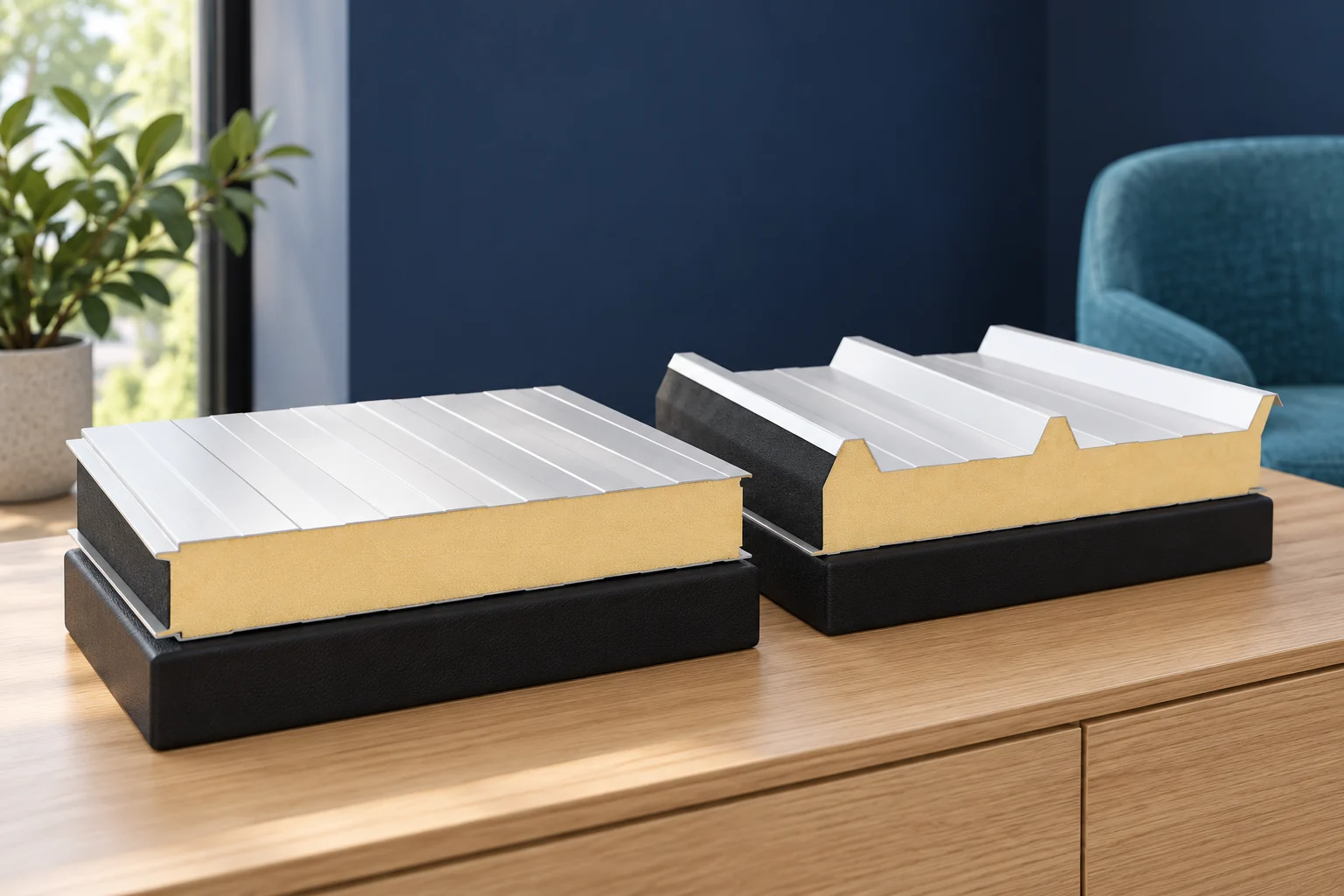
What does “Oborniki panel” mean, and how do you check the price?
The term płyta obornicka is sometimes used as a general name for sandwich panels. However, it does not describe the core, thickness or fixing method. When buying, you need to move from the colloquial name to specific parameters. This is particularly important when the new material is to match an existing wall or roof. A sandwich panel for cladding consists of a core bonded to facings. In typical variants, both facings are steel. There are also solutions with a special layer on the interior side. These should not be confused with a PIR insulation board in foil alone, which requires a separate layer build-up.
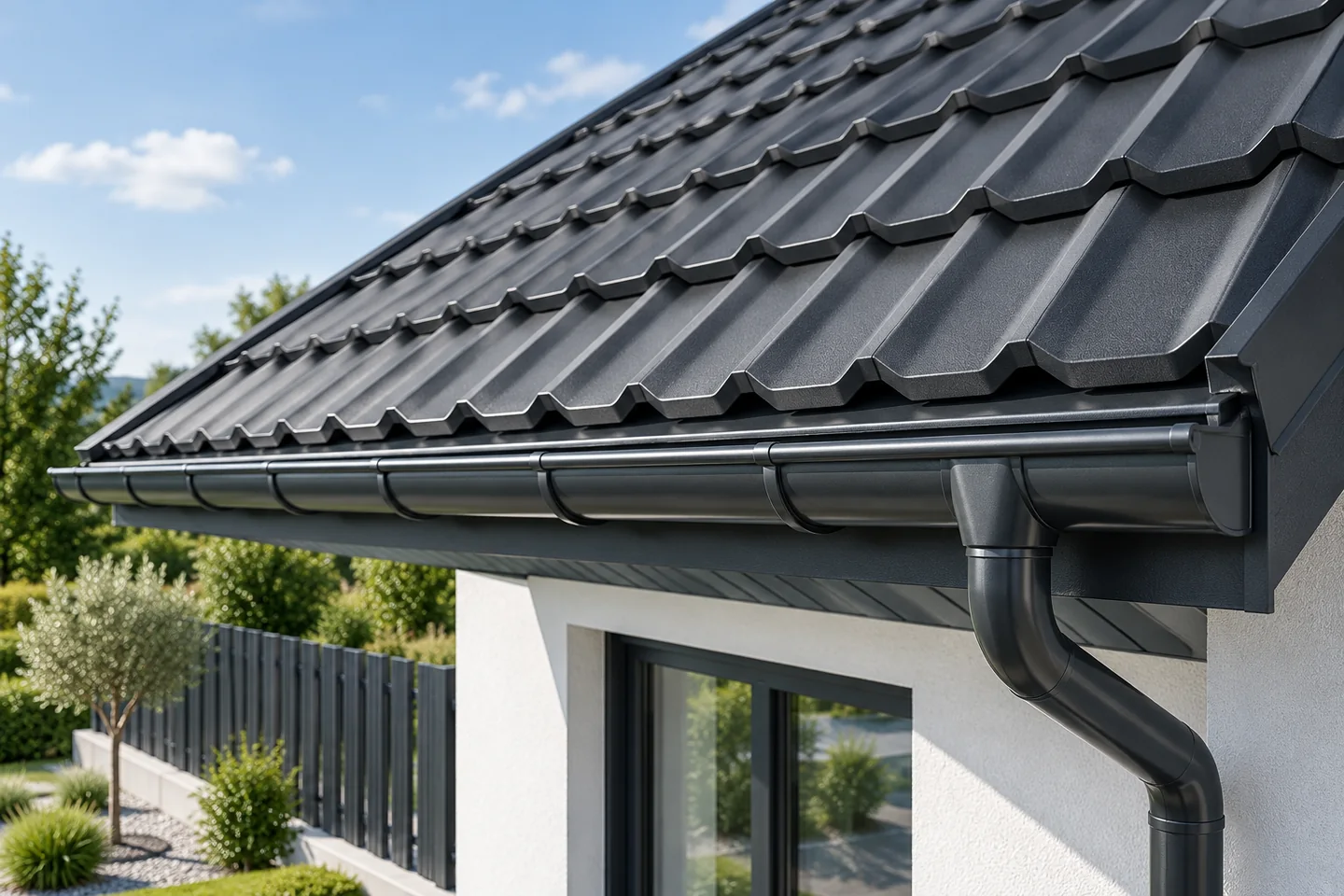
How to plan each stage of a roof covering replacement
Start by checking the structure and deciding what needs repairing before you think about the material. Look at the roof from outside and, where possible, at its framework in the attic. Search for signs of water ingress, sagging, damaged timber and worn connections. A new top layer will not remove old faults. If load-bearing capacity is uncertain, ask a structural engineer for an opinion. Where asbestos is suspected, identify what will be removed.
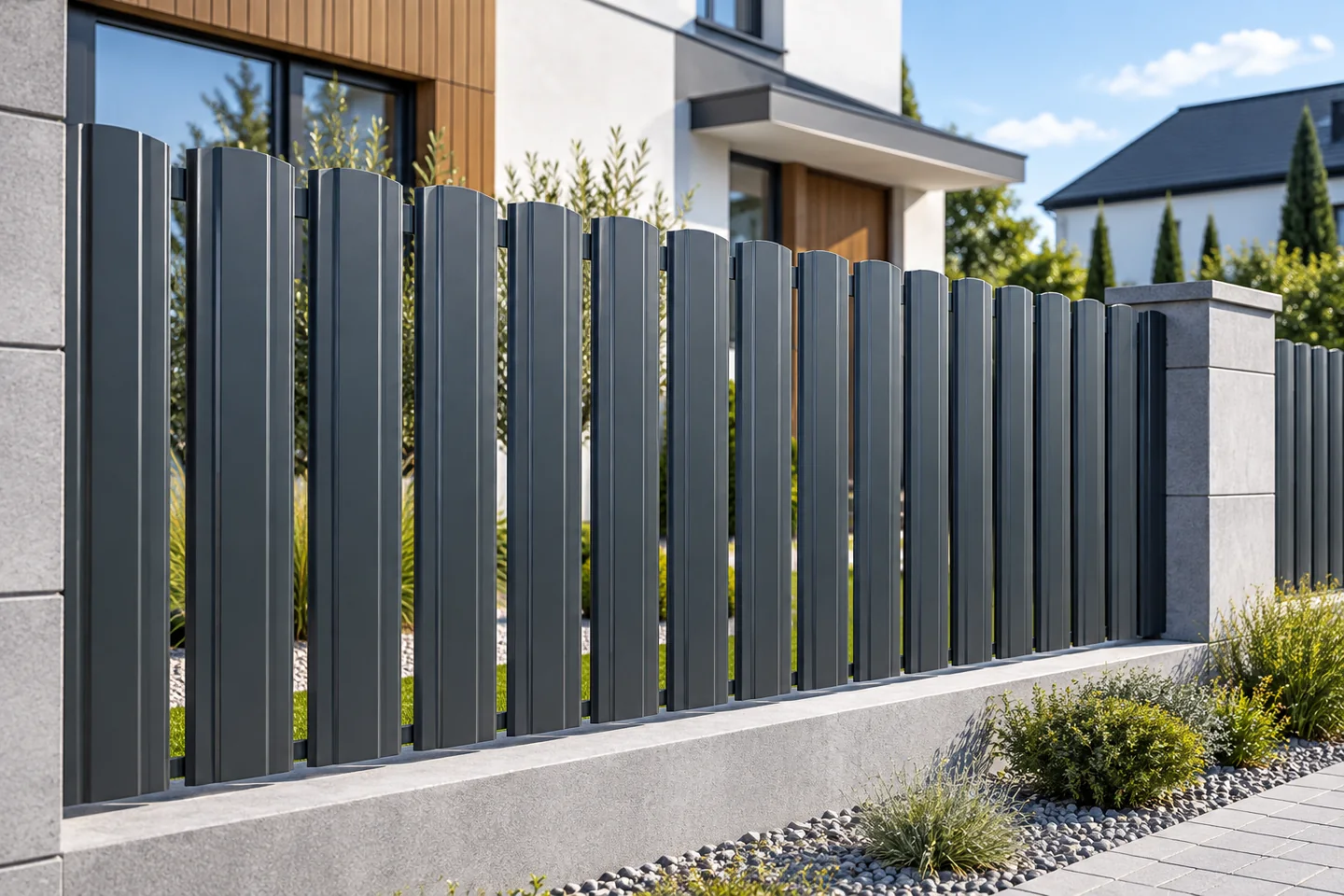
Fencing with metal panels and pickets: how do the options differ?
A fence made of metal panels and pickets first requires clarifying which product you are choosing. The name covers ready-made picket bays, profiled sheet panels and infills fixed between posts. This is not the same as the popular welded mesh. A solid infill provides privacy but increases the load, while a picket layout allows airflow. Durability depends on the coating, fixings and foundation. Before buying, check what the set includes and ask for a drawing of the whole system.
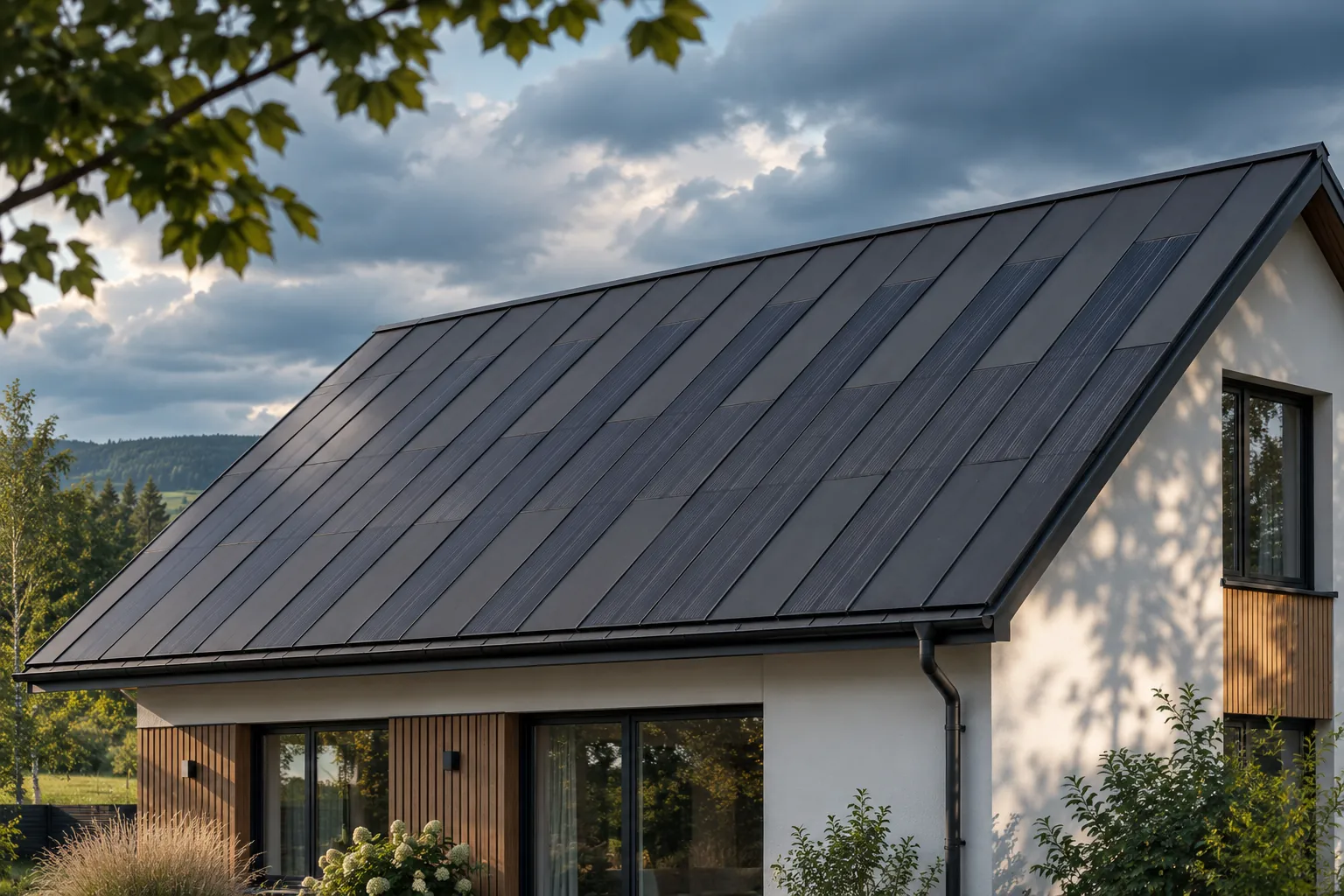
Checking a photovoltaic roof after a severe storm
After a storm, it is worth distinguishing ordinary observation from a specialist inspection. People's safety and protection of the building come first. Only then should you gather information about the condition of the covering and the operation of the installation. On an integrated roof, damage may affect the building part, the electrical part, or both at once. The absence of an alarm in the app does not confirm the condition of all flashings, and lower production does not always mean damaged cells. Inspect the building from a safe place on the ground. Look out for displaced components, damaged gutters and objects lying on the roof. Inside, check for any traces of water. Do not walk on a wet roof surface and do not go near damaged cables.