
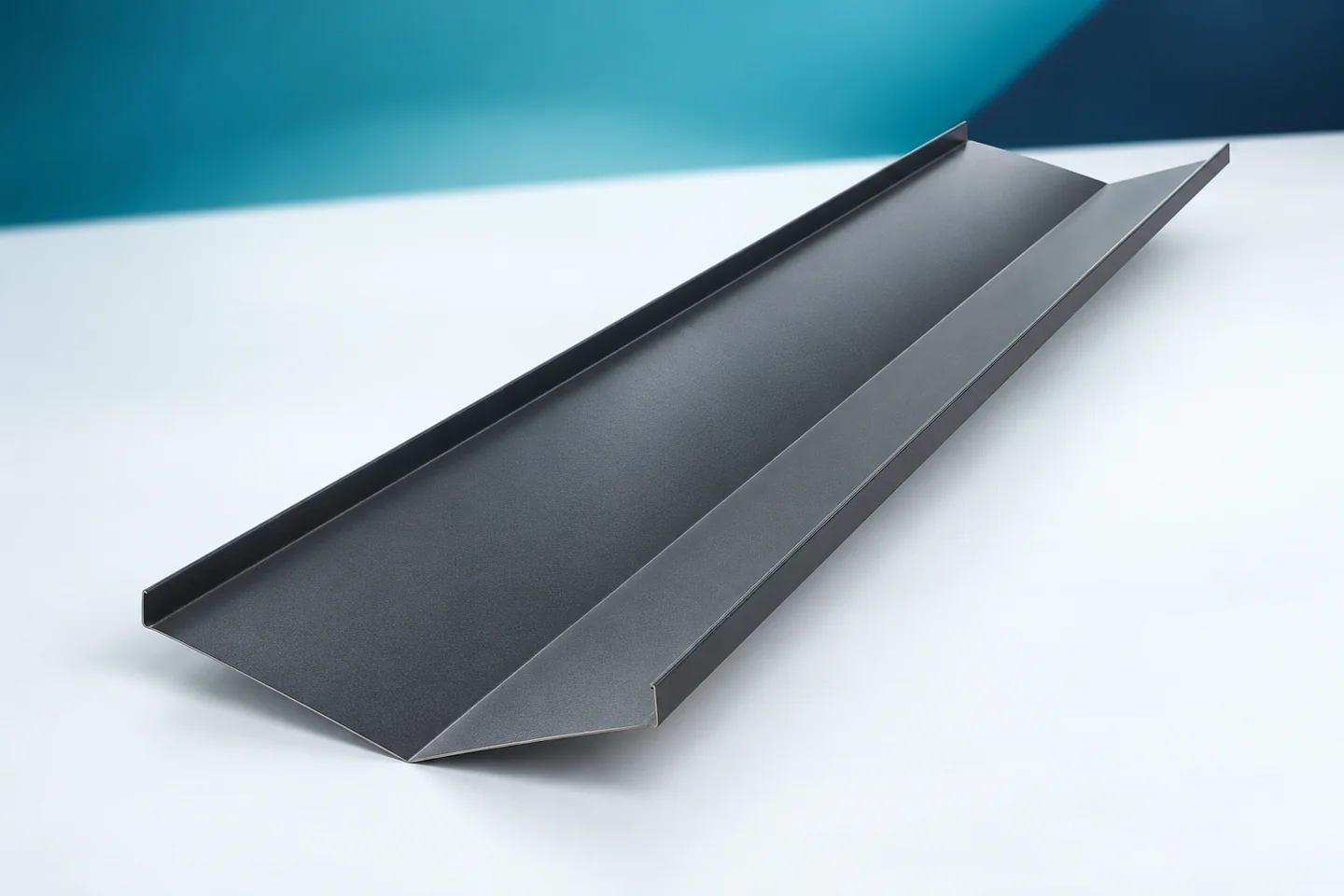
Measuring a roof valley: where the two roof slopes meet

The valley gutter works at the point where water from two parts of the roof arrives. Measuring its length is only the beginning of the preparation. You need to identify the layout of the slopes, the line of their intersection and how the covering is finished. The area from which the water flows also matters. Not every pair of slopes forms the same angle and the same detail. A well-described valley allows the flashing to be selected without accidentally narrowing the channel during installation. On the plan, mark both slopes and the line of their intersection. Add the flow directions and any obstacles that may change the path of the water. A dormer, chimney or roof break affects the local layout. The length of the valley alone does not show how much of the slopes the flashing has to serve.
By |2026-11-15T04:43:53+01:002022-06-05|Blog|Comments Off on Measuring a roof valley: where the two roof slopes meet

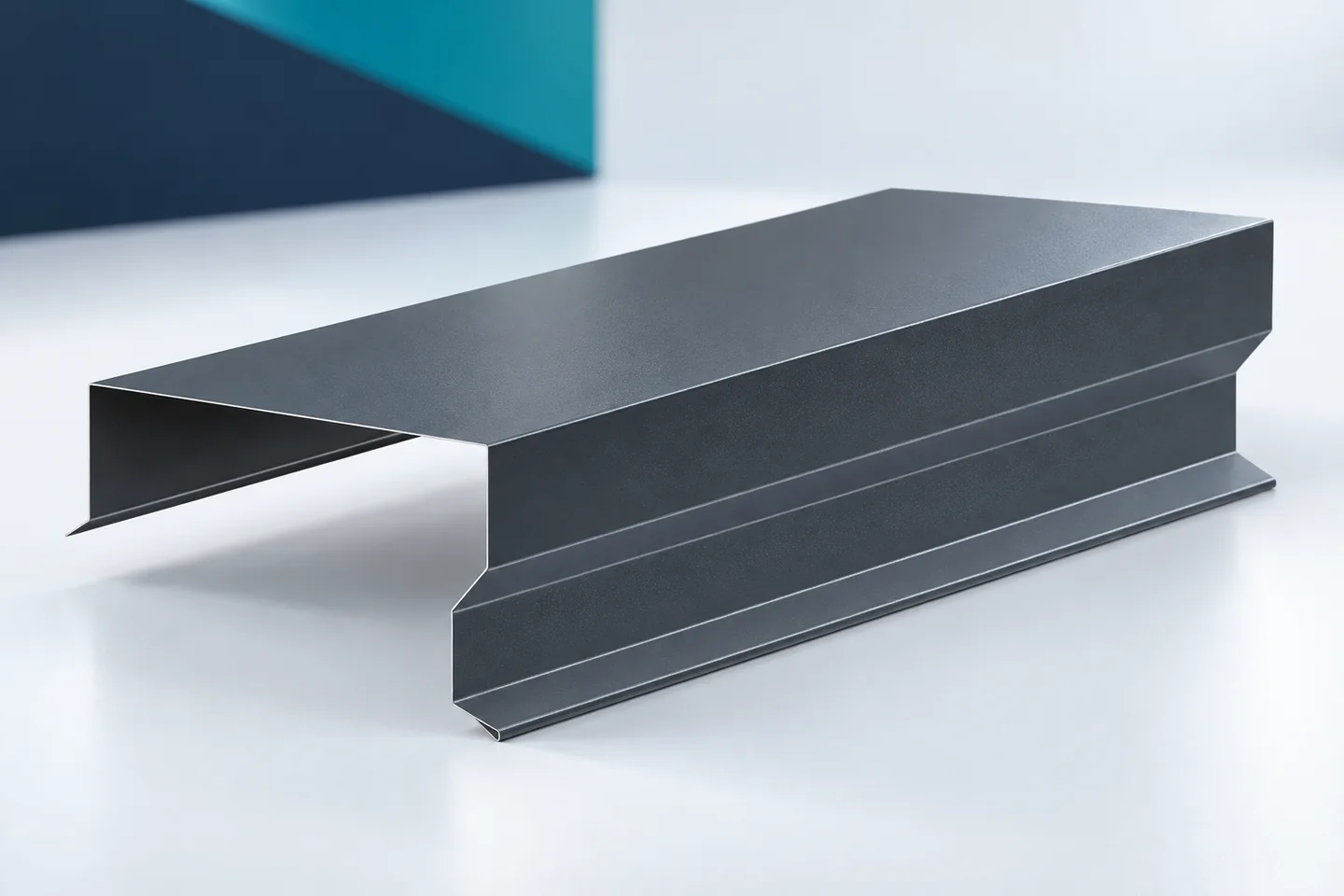
Ordering parapet coping: measuring width, fall and corner details

The parapet flashing must cover the top of the wall and drain water in the intended manner. Its width follows from the finished wall cross-section including all layers. The order also requires the leg heights, the direction of fall and the geometry of the corners. A part that fits on a straight run may not resolve the termination at a higher wall. It is therefore worth preparing the measurement as a set of related details. Include the masonry, insulation and finishing layers on both sides. If measuring in advance, the intended thicknesses must be entered on the drawing. The dimension of the base or raw parapet alone is not sufficient. A cap that is too narrow may not ensure the correct position of the side edges.

By |2026-11-15T04:43:54+01:002022-04-03|Blog|Comments Off on Ordering parapet coping: measuring width, fall and corner details

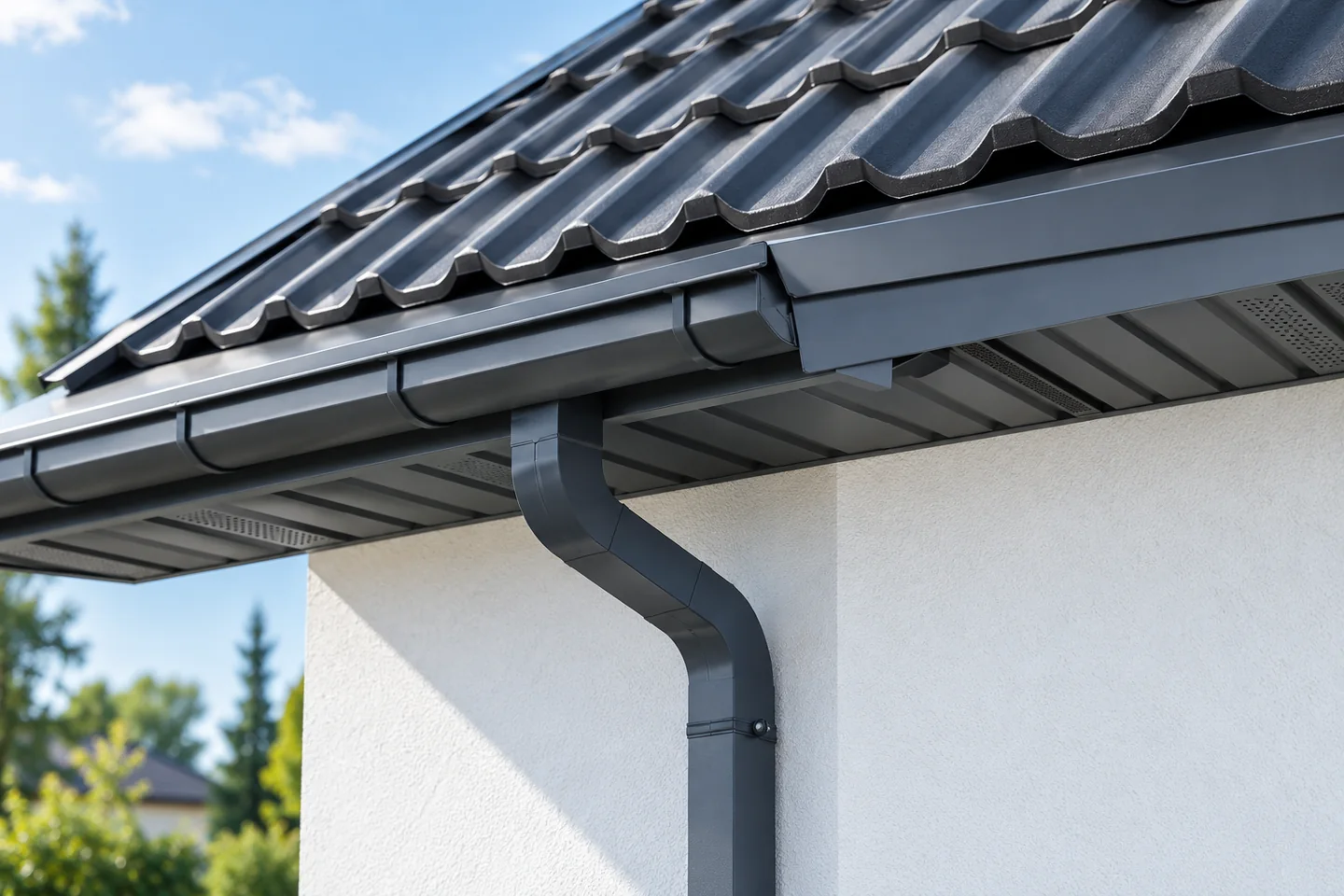
What an eaves flashing does where the roof meets the gutter

The gutter flashing takes rainwater from the roof slope straight into the gutter and shields the eaves area from backflow. Its edge and drip should guide the stream to the intended point, not underneath the sheeting. The whole detail must work with the covering, membrane, brackets and roof ventilation. Also trace the water path from the underlay — with no pooling and no moisture directed onto the fascia board. Before buying, compare the cross-section drawing, as the name alone can mislead.

By |2026-11-15T00:57:48+01:002022-01-26|Blog|Comments Off on What an eaves flashing does where the roof meets the gutter
Back to top