Sheet thickness and developed width: reading a flashing order

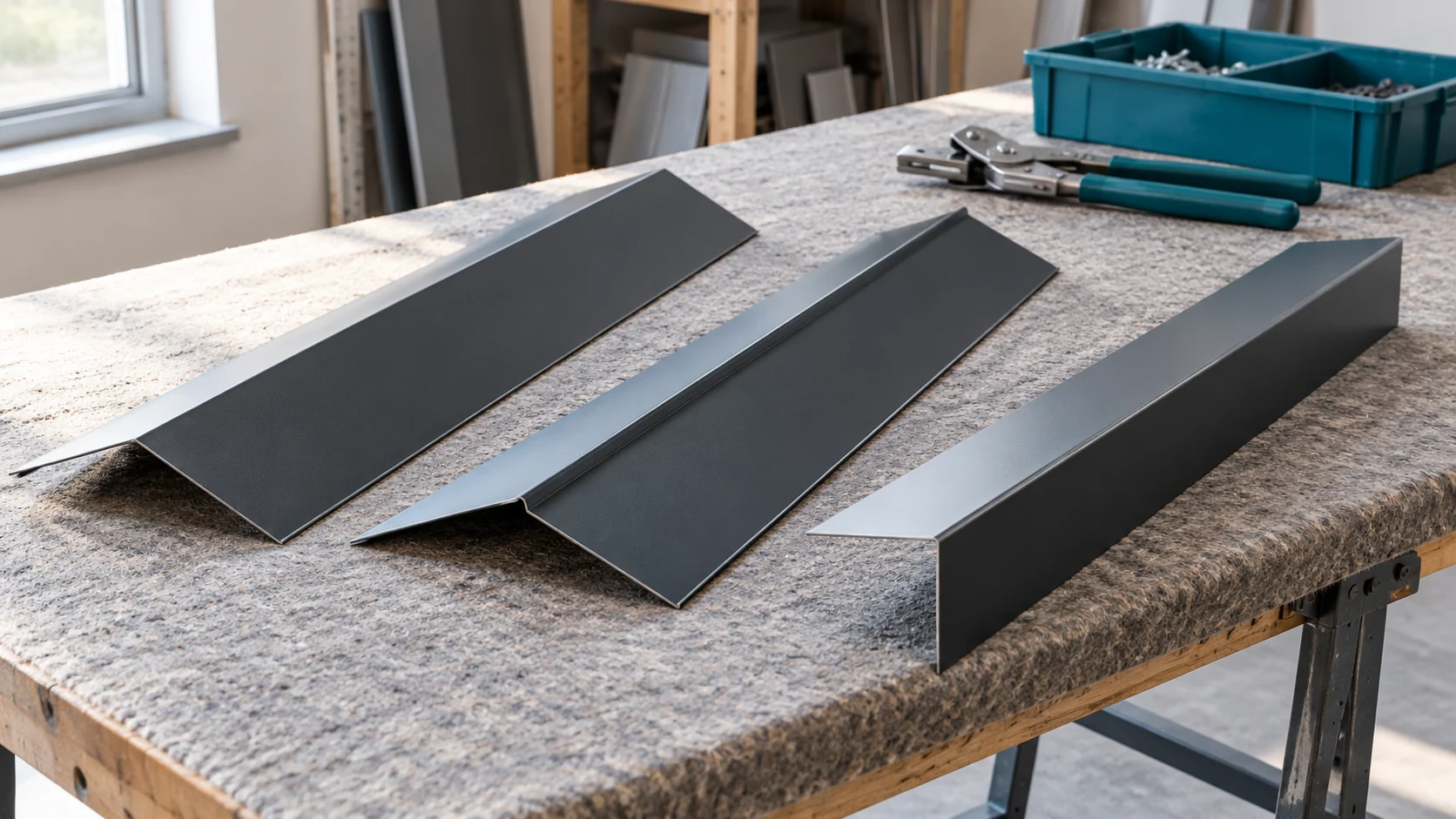
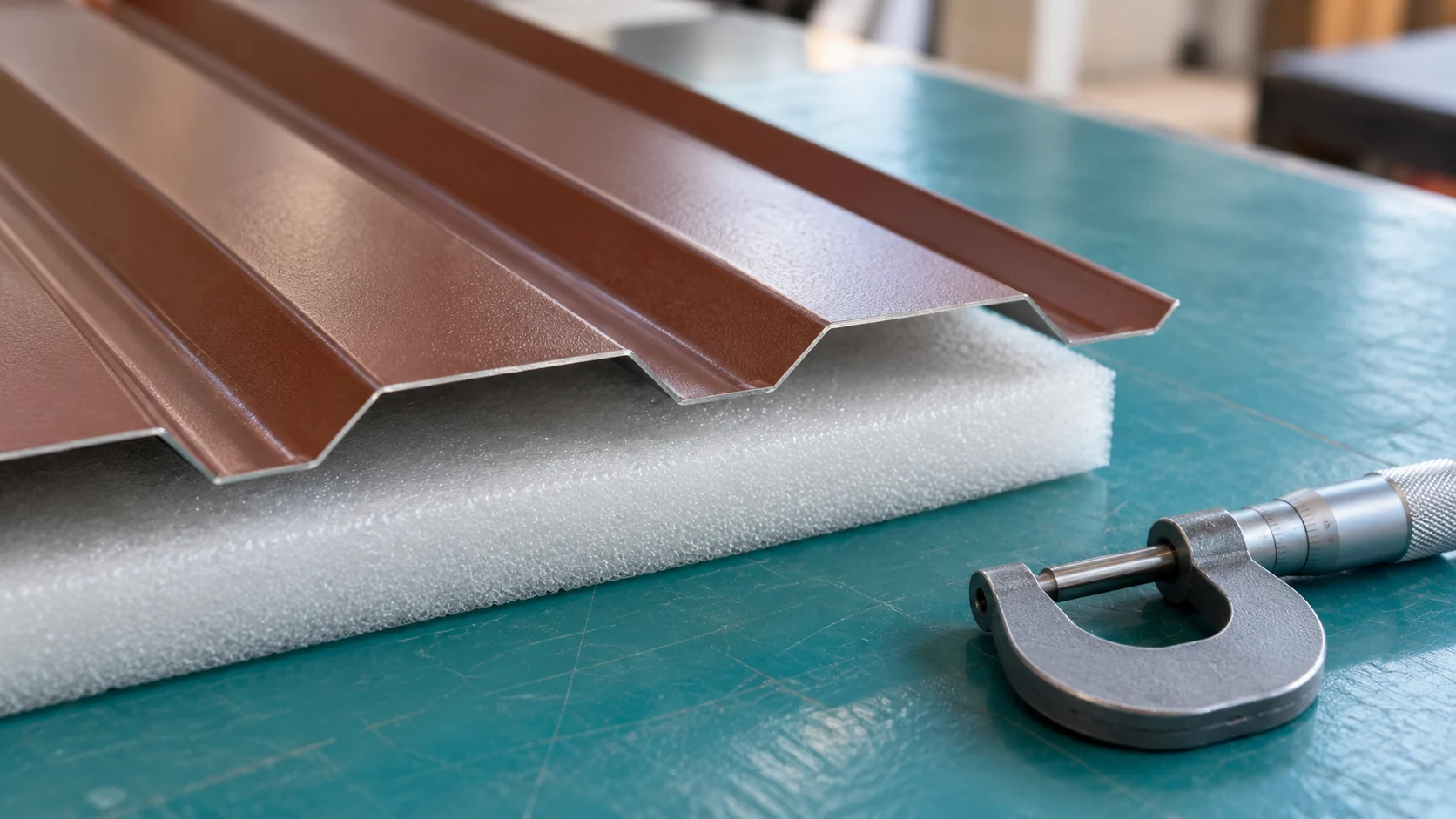
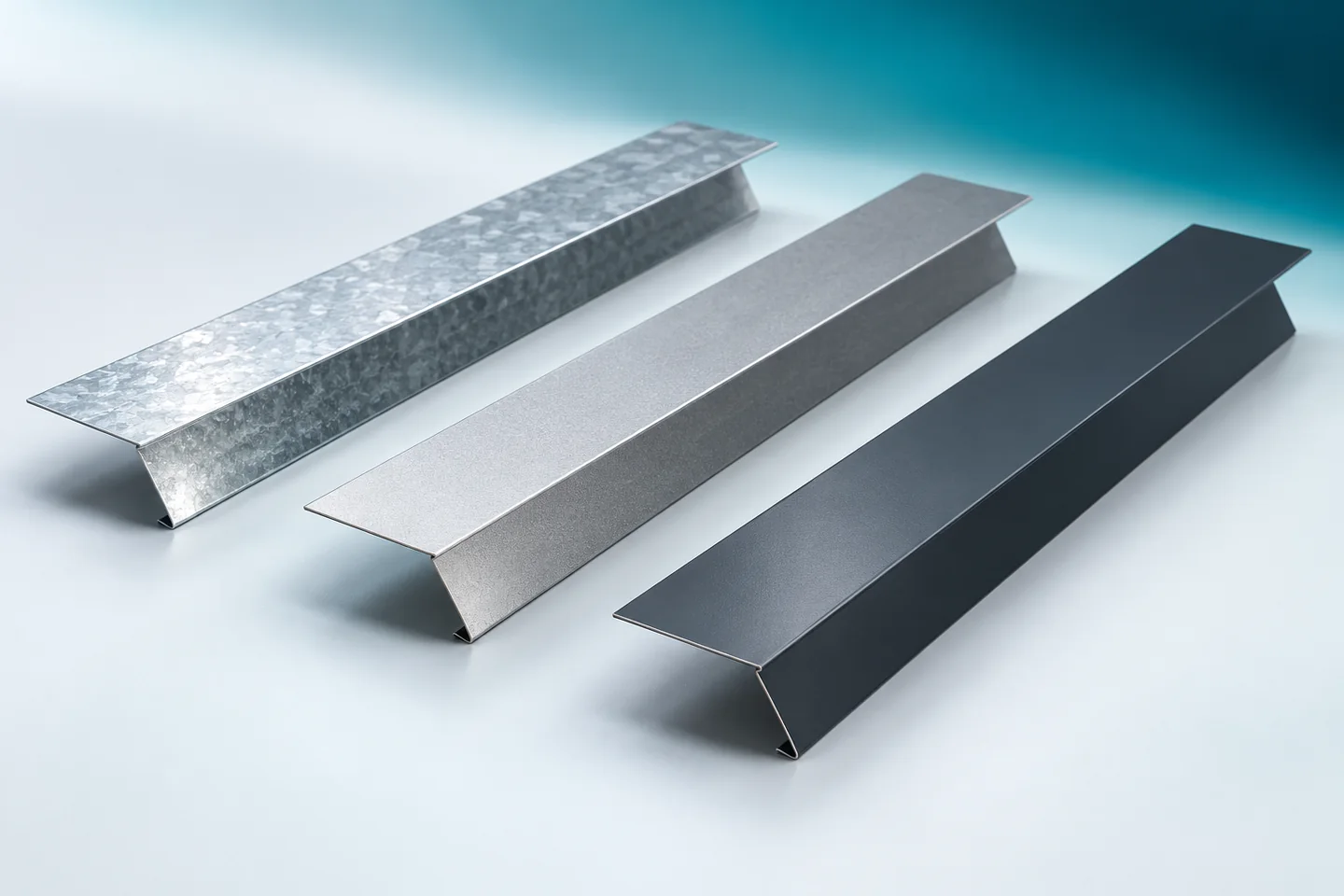
The description of a flashing includes millimetres, linear metres and square metres. Each of these units answers a different question. Thickness refers to the dimension of the sheet in the material cross-section. The developed width describes the width of the strip required before bending. Length defines the section of the finished profile. If these figures are mixed up, two similar quotes may relate to completely different products. It is worth organising them before ordering. A finished flashing has a defined cross-section and length. Its legs are formed from a strip of sheet whose width is the developed width. Thickness remains a separate parameter. A wide profile does not have to be thick, and a narrow strip can be made from a thicker sheet.
By |2026-11-15T04:43:44+01:002026-03-01|Blog|Comments Off on Sheet thickness and developed width: reading a flashing order

How to plan each stage of a roof covering replacement

Start by checking the structure and deciding what needs repairing before you think about the material. Look at the roof from outside and, where possible, at its framework in the attic. Search for signs of water ingress, sagging, damaged timber and worn connections. A new top layer will not remove old faults. If load-bearing capacity is uncertain, ask a structural engineer for an opinion. Where asbestos is suspected, identify what will be removed.

By |2026-11-14T21:02:03+01:002026-02-18|Blog|Comments Off on How to plan each stage of a roof covering replacement

Where should you start looking for a leak in a metal roof?

A wet patch under the roof does not pinpoint the exact location of the damage. Water can run down the sheet, the membrane or a structural element. It is therefore worth starting the repair by observing the weather and inspecting from inside. Only then should you check the screws, laps and flashings. This order limits unnecessary stripping of the roof. Note whether the problem occurs during rain, after snow melt or on a cold morning without precipitation. This is the first clue. A leak in strong wind may be associated with water being forced under a joint. Droplets spread over a larger area of the underside of the sheet more often suggest condensation. However, both phenomena can occur simultaneously.

By |2026-11-14T11:09:35+01:002026-01-09|Blog|Comments Off on Where should you start looking for a leak in a metal roof?

How to plan chimney flashing before laying trapezoidal steel sheet?

Chimney flashings should not be left until the last day of installation. Their shape affects the division of sheets, the support and the method of water drainage. The side facing the ridge requires the most attention. That is where run-off from the roof slope collects. A well-agreed detail allows the mason's and roofer's work to be combined without later dismantling the covering. First, the condition of the chimney, its dimensions and planned finish are checked. A flashing fixed to fragile render will not be a secure connection. If the masonry is still to be rendered or clad, the sequence of work must be established. The finished roof should not be accidentally soiled with mortar or damaged during masonry work.

By |2026-11-14T11:09:36+01:002026-01-04|Blog|Comments Off on How to plan chimney flashing before laying trapezoidal steel sheet?

Will concealed gutters work with a metal-clad house roof?

In Poland, concealed gutters can suit a house with a metal roof, but only if the entire eaves detail is designed, not just the gutter hidden behind a fascia. Before deciding, check the system cross-section and establish which parts will remain accessible for cleaning and where water will leave the building. Pay attention to the sheet ending, flashings and gutter position relative to insulation. Also consider emergency overflow and whether the cover can be removed. The solution makes sense when the building form and design allow for it from the start and the contractor knows the details.

By |2026-11-14T17:31:54+01:002025-12-16|Blog|Comments Off on Will concealed gutters work with a metal-clad house roof?

Refreshing the appearance of a metal roof without unnecessary work

Before deciding on a full repaint of a metal roof, check whether the problem is merely dirt and natural ageing rather than damage to the coating. From the ground, dust, chimney deposits and a change in paint colour can look similar, so assess the cause up close by comparing a sheltered section with one exposed to the sun. Pay attention to the eaves line, ridge caps and side flashings, as well as to tightness and fixing. If the coating is continuous, cleaning matched to the paint may be enough. Leave local repair to the judgement of the renovation contractor.

By |2026-11-14T21:01:41+01:002025-11-22|Blog|Comments Off on Refreshing the appearance of a metal roof without unnecessary work

Choosing trapezoidal steel sheet thickness for a replacement roof

The sheet thickness is selected together with the profile and the support spacing. The roof area alone does not answer whether the sheet will be suitable. When replacing, the condition of the old structure is also a factor. First, therefore, the working conditions of the covering must be established, and then variants with confirmed parameters compared. Measure the support spacing and check their alignment. Note the bearing width and the locations of sheet joints. An assessment of the structure's condition is also needed. A new covering will not repair a weakened purlin or a connection that requires replacement.

By |2026-11-14T14:21:31+01:002025-11-18|Blog|Comments Off on Choosing trapezoidal steel sheet thickness for a replacement roof

Clay tiles or tile-effect metal roofing for a house?

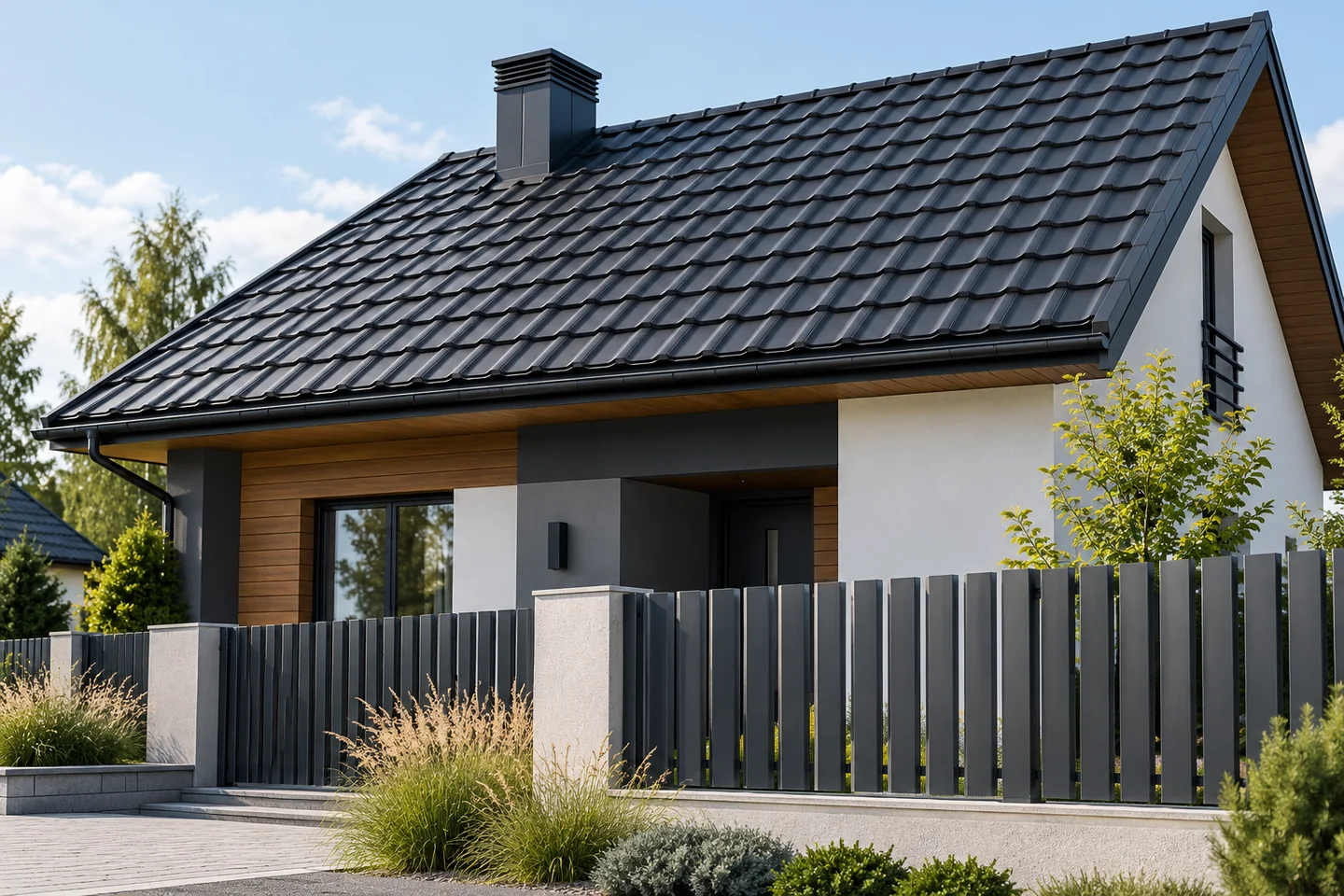
The choice between ceramic tiles and metal roofing depends on the design, roof geometry and condition of the roof structure, not on appearance alone. Check which covering and layers the designer has specified, because changing the material can affect loads and detailing. Compare complete systems including the underlay and insulation, not the weight of a single element. For a renovation, verify the condition of the roof structure, as a lighter covering does not confirm the safety of the whole structure. Consider the roof pitch and local plan requirements, and leave the final decision to the designer.

By |2026-11-15T00:57:42+01:002025-11-13|Blog|Comments Off on Clay tiles or tile-effect metal roofing for a house?

When does a T35 trapezoidal roof sheet suit the job?

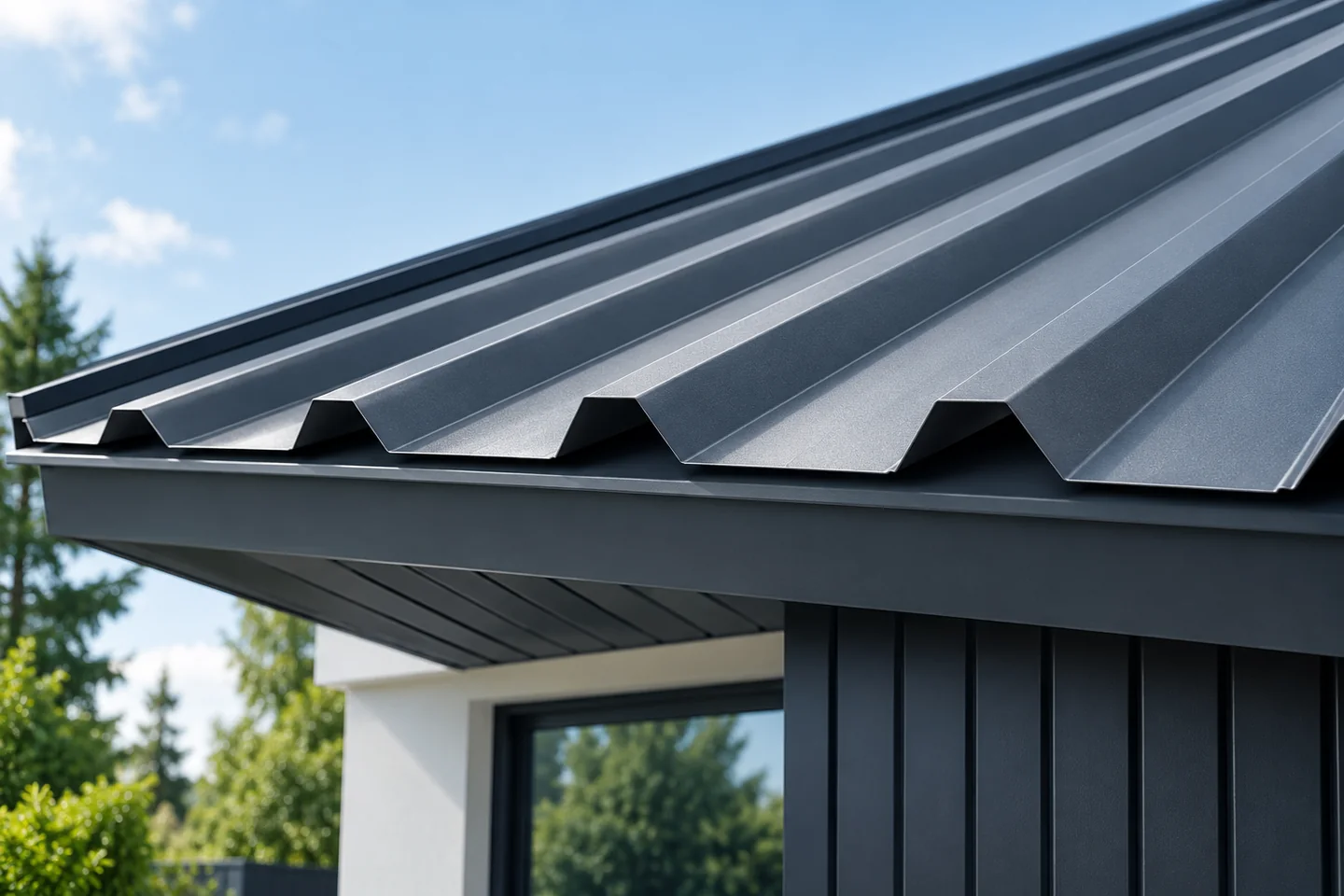
T35 is worth considering where a simple profile, efficient installation and parameters confirmed by load tables matter. Before measuring, ordering or accepting delivery, check the datasheet for the specific sheet: section geometry, overall and effective cover widths, available thicknesses and steel properties. Also establish whether the variant is intended for a roof or a façade. Two products labelled T35 may differ in their lap design and accessories, so their interchangeability should not be assumed without confirmation in the documentation.

By |2026-11-15T04:42:08+01:002025-11-13|Blog|Comments Off on When does a T35 trapezoidal roof sheet suit the job?

Choosing a metal roof for business premises

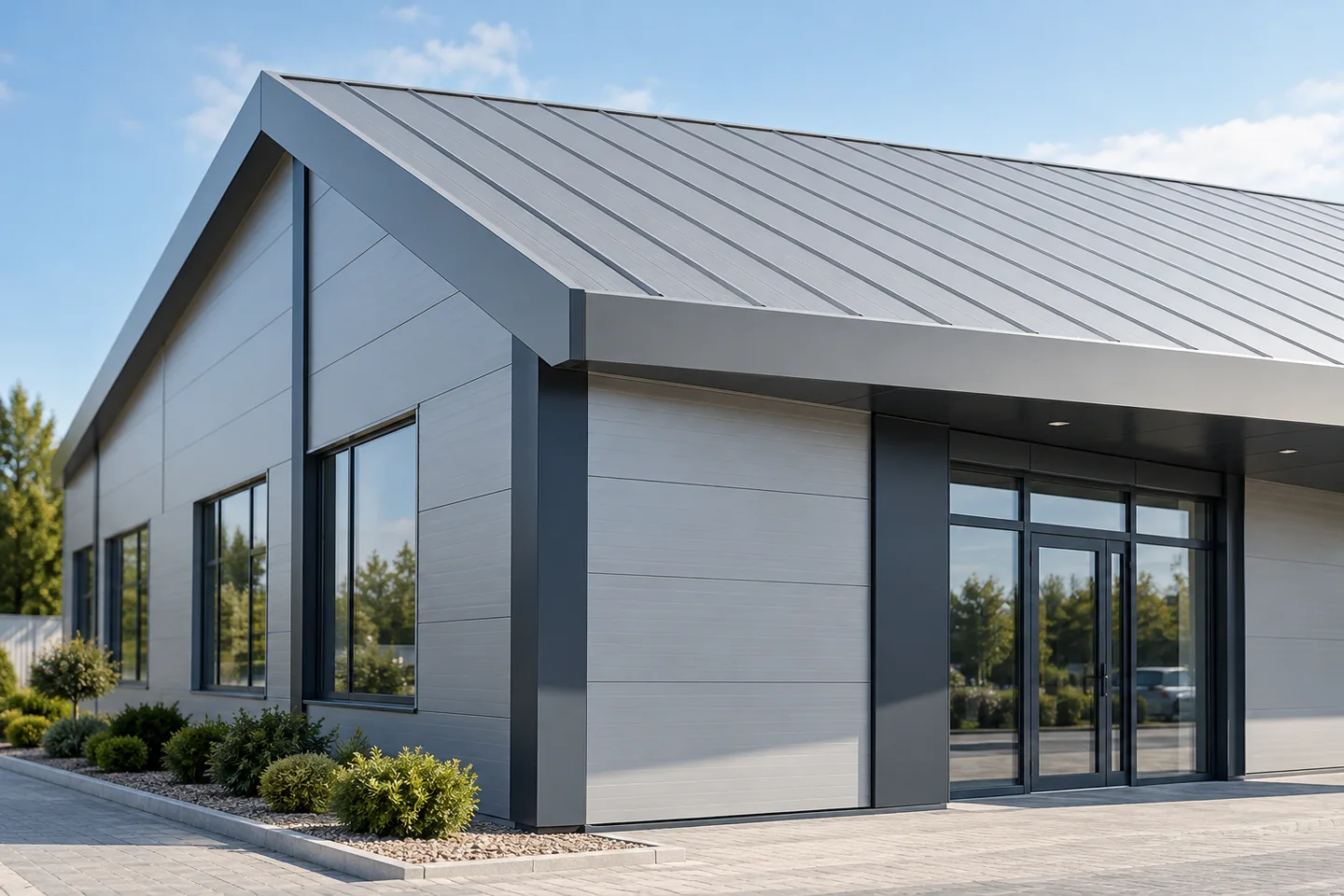
Choosing a metal roof for a company building starts with describing how the interior will be used, not with comparing materials. Check the heating, humidity, number of employees and type of stored materials, because an unheated warehouse has different needs from a workshop, shop or hall with a wet process. Tell the designer if you plan to change the building's function, since later insulation may require rebuilding details. The choice should cover the roof, walls and ventilation, not just the covering.

By |2026-11-14T21:00:17+01:002025-11-12|Blog|Comments Off on Choosing a metal roof for business premises
Back to top