






Blog
The Izoprofil.net blog answers practical questions about renovation, extensions and the sequence of work. Find out where to start looking for a leak, when to order roofing sheets, how to prepare a delivery area and what to establish before installing insulation. The articles cover measurements, the condition of existing components and order details for roofing, sandwich panels and PIR insulation. They explain which information to collect and when an on-site assessment by a professional is needed. Choose the article that matches the current task so you can prepare a more accurate materials enquiry and reduce rework.
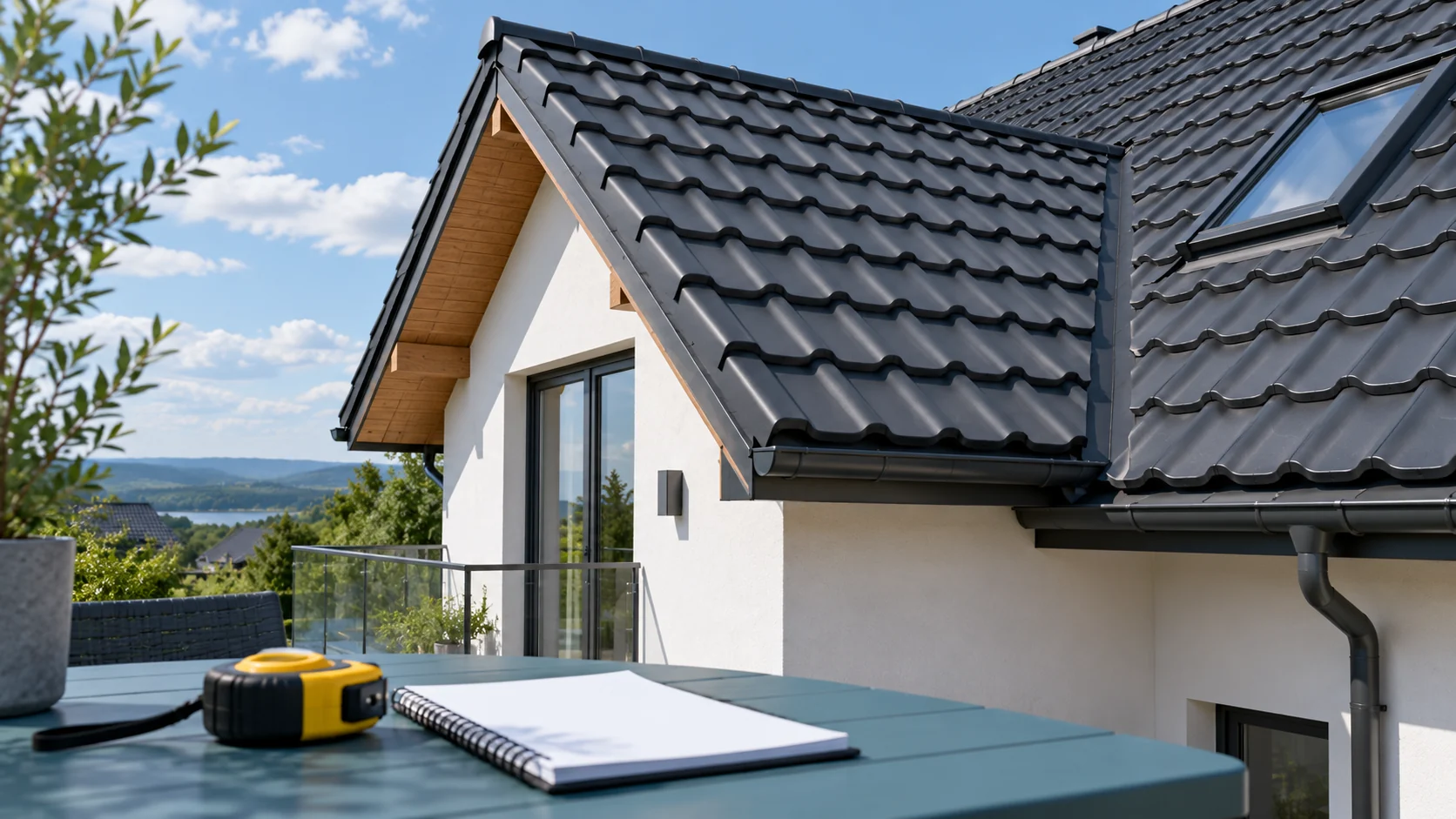
How do I order made-to-measure tile-effect metal roofing after measuring the roof truss?
An order for made-to-measure tile-effect metal roofing should follow from measuring the completed structure. You need the rafter lengths, widths and positions of obstacles. Add the profile and coating data. A good schedule combines the roof geometry with the installation plan. This means the material arrives in the order the crew needs it. It is safest once the final truss geometry and the support for the covering have been established. The design is the starting point, but the built structure may have deviations. Check the lengths at both edges of the slope and the diagonals. This reveals differences that will affect the layout of the sheets.
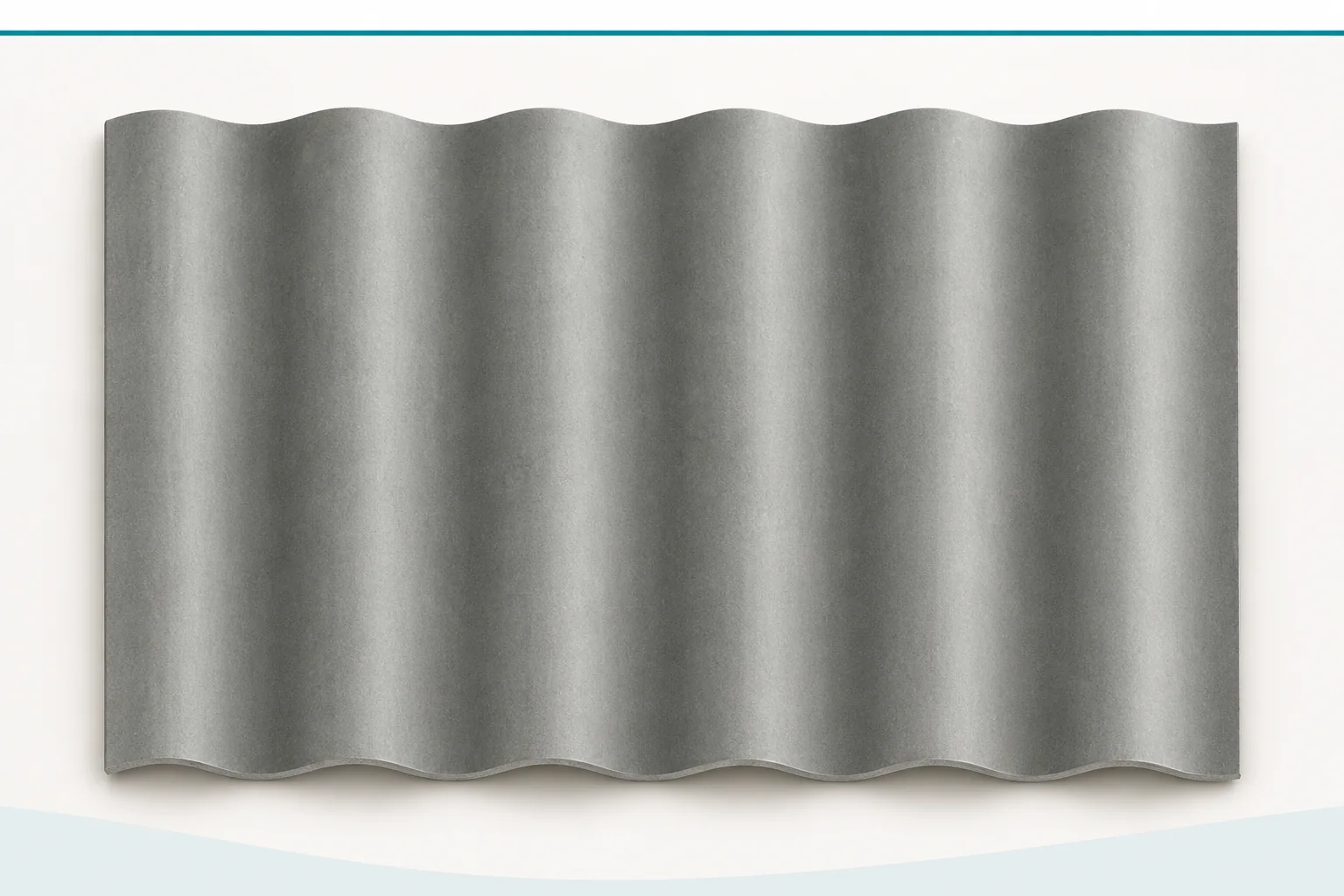
Storing corrugated fibre cement sheets: keeping them dry and ventilated
Once installed, a rain-resistant sheet should not have been lying in a wet pack. Corrugated fibre cement sheets require a prepared storage area and protection suited to the delivery. Asbestos-free fibre cement can remain on site until installation, but storage conditions affect the appearance, geometry and ease of subsequent work. On the roof slope, water runs off the surface and the material is in contact with the air. In a tight stack, moisture can remain trapped between the sheets. For this reason, weather resistance does not mean the material can be stored any way you like. The pack must be protected against flooding and against water remaining inside for long periods. It is not enough to check whether rain is falling directly from above.
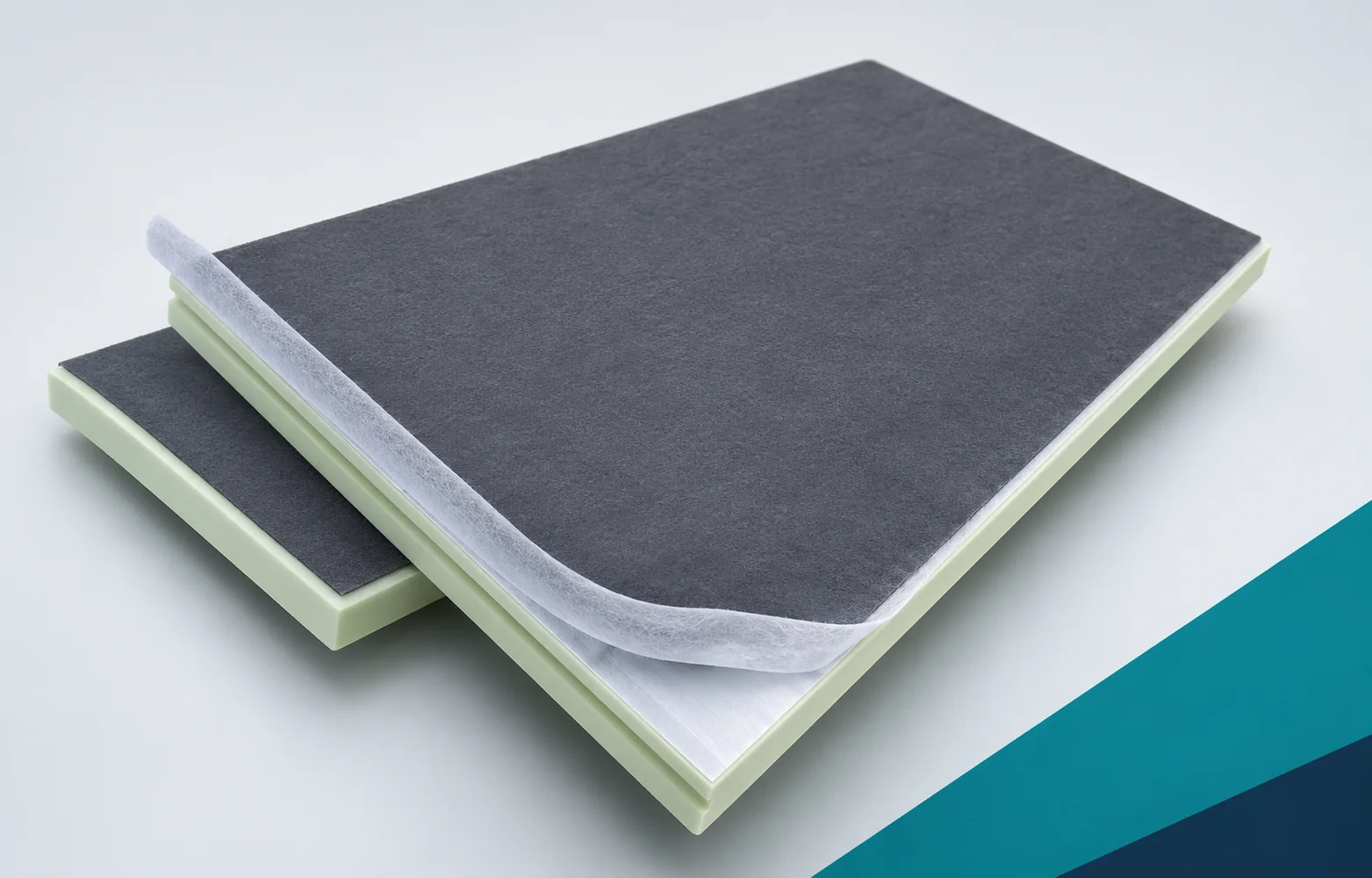
Laying Utherm Sarking LE Plus: preparing each stage of the work
Utherm Sarking LE Plus is a PIR board intended for pitched roofs, with a multi-layer gas-tight laminate on both sides. Preparing the work begins with establishing whether the crew distinguishes the LE variant from the LE Plus variant with the additional membrane, and with discussing the sequence of the section, the overnight protection and the points to be inspected before covering. The order of operations must leave access to the membrane laps, because closing the detail too early makes it difficult to join them accurately. The terms “polyurethane boards” and “polyurethane foam” are broader than the PIR designation, so at the briefing the full name of the Sarking variant is established before additional membranes are selected.
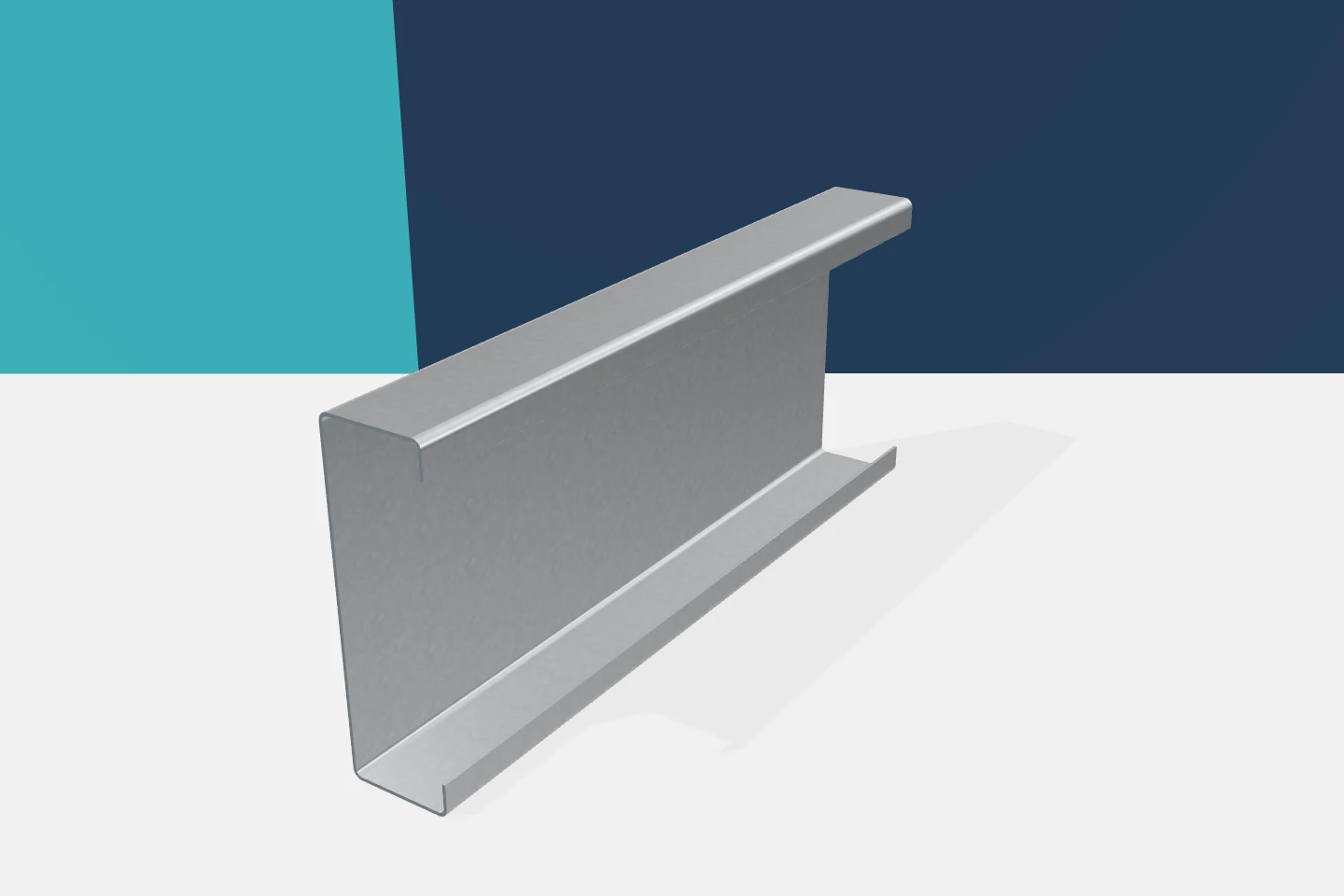
Storing galvanised steel sections before installation
A profile can arrive on site in good condition and still be damaged before it becomes part of the structure. Poorly prepared storage is a common cause. Moisture, uneven support and repeated handling are bad for thin components. Galvanised profiles need protection from water and from deformation. The storage plan does not have to be complicated. It must, however, match the material lengths and the actual sequence of work. The ground should allow packs to be laid down stably and equipment to be accessed safely. Water traps and places exposed to accidental impacts must be ruled out. Distance from the ground is also important. Cold-formed profiles should not lie directly on a wet surface. It is worth planning the bearers and their layout rather than looking for random boards during unloading.
Choosing insulation for the roof structure
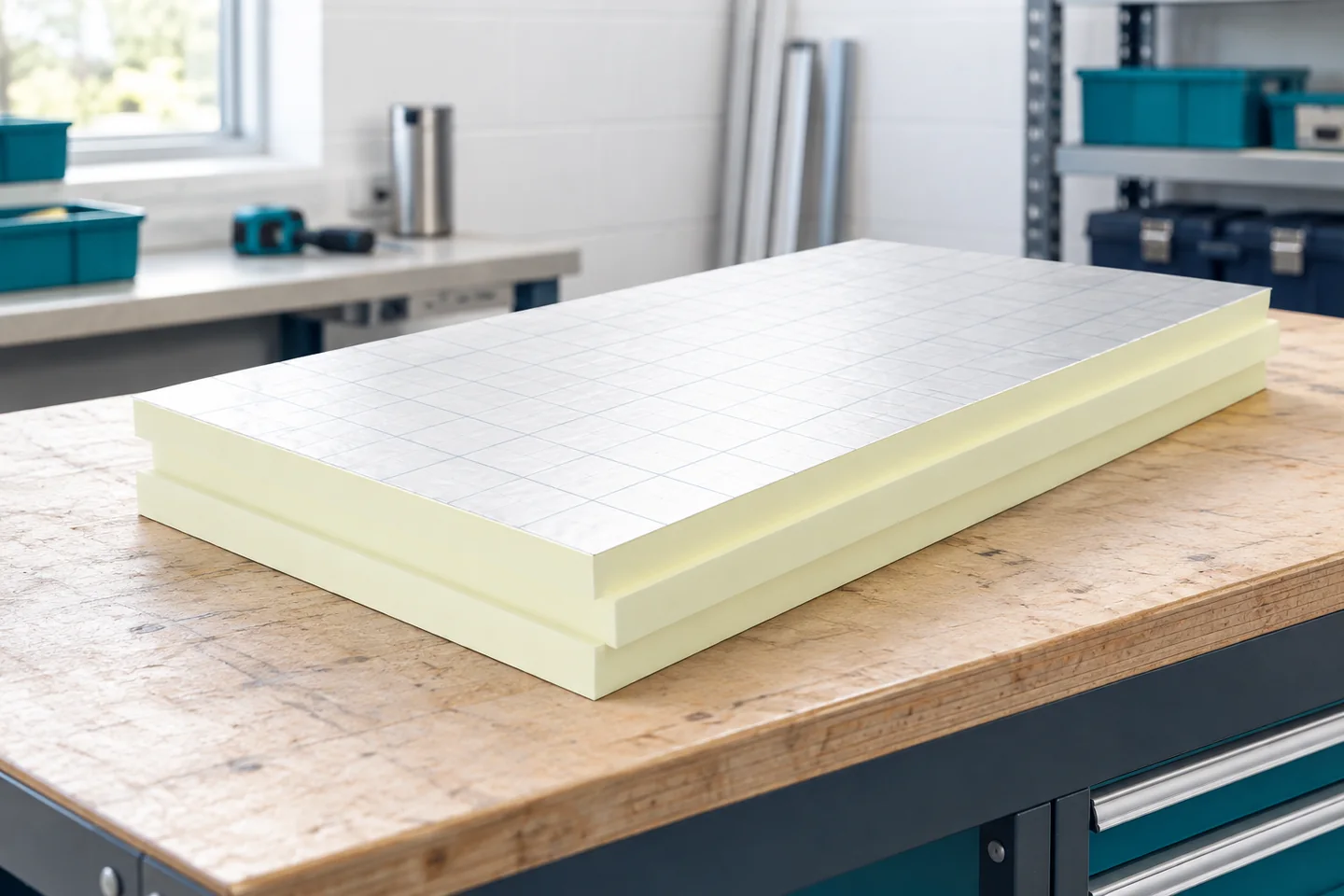
The choice of roof insulation depends mainly on where the boundary of the heated part of the building runs. Check whether the loft will be usable or remain an unheated attic, as this determines the scope of insulation. Pay attention to the continuity of the thermal layer, including the knee walls, stairs and access to the attic. When selecting a material, compare lambda, thickness, reaction to fire, acoustics and installation requirements. PIR boards are worth considering where there is insufficient space for a thicker layer. Make the decision before ordering the material.
Selecting roof panel lengths from the stock actually available
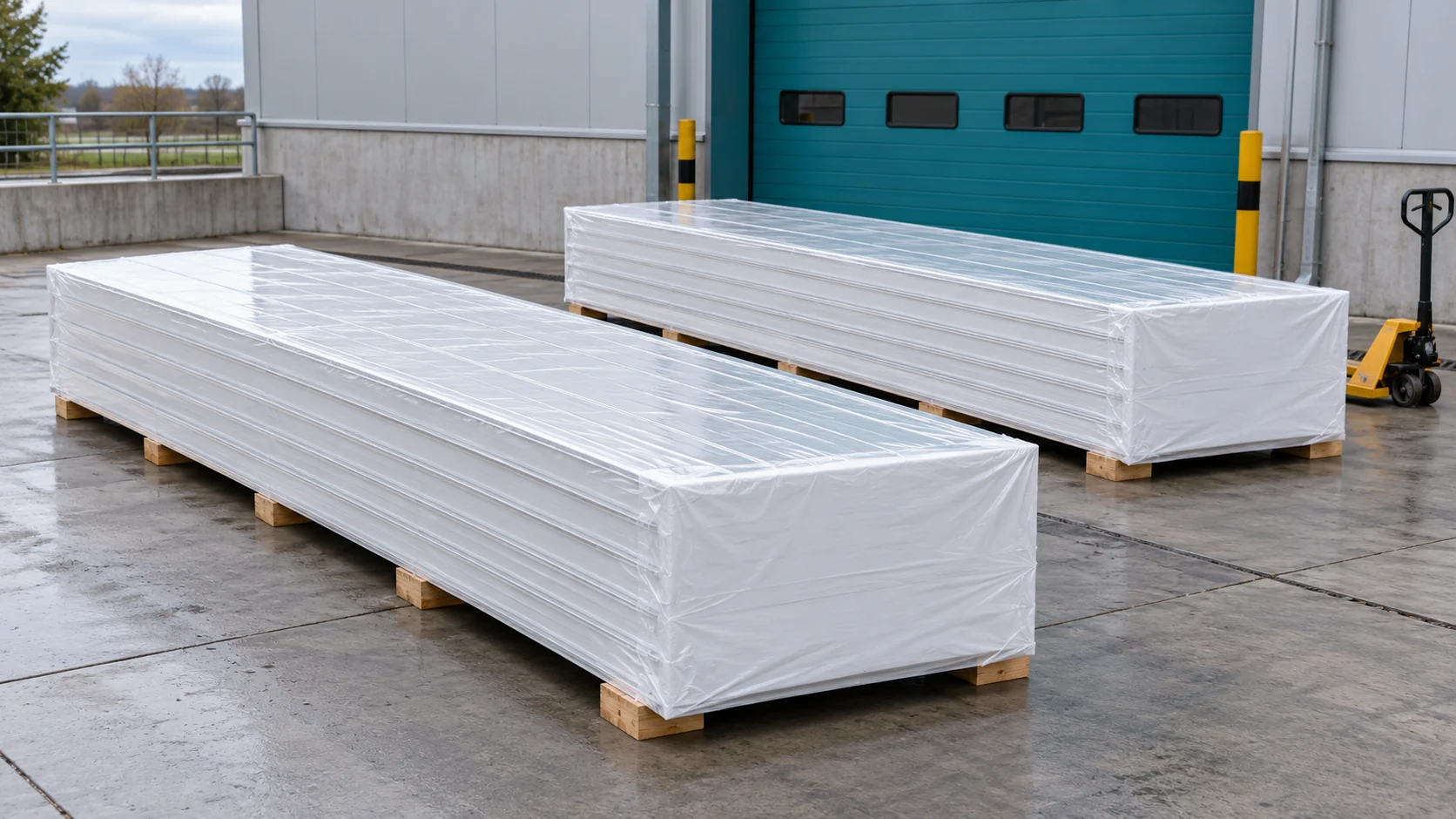
An urgent renovation often starts with the question of what is in stock. A ready-made length can speed up delivery, but it must fit the roof geometry and the method of support. There is no single list of lengths permanently available from every supplier. You need to check the specific batch, calculate the cutting plan and confirm its completeness. Availability information should relate to a specific number of sheets, length and variant. Stock levels can change between the first phone call and placing the order. Ask for confirmation of quantity and collection date. Link the reservation to an exact material schedule.