






Blog
The Izoprofil.net blog answers practical questions about renovation, extensions and the sequence of work. Find out where to start looking for a leak, when to order roofing sheets, how to prepare a delivery area and what to establish before installing insulation. The articles cover measurements, the condition of existing components and order details for roofing, sandwich panels and PIR insulation. They explain which information to collect and when an on-site assessment by a professional is needed. Choose the article that matches the current task so you can prepare a more accurate materials enquiry and reduce rework.
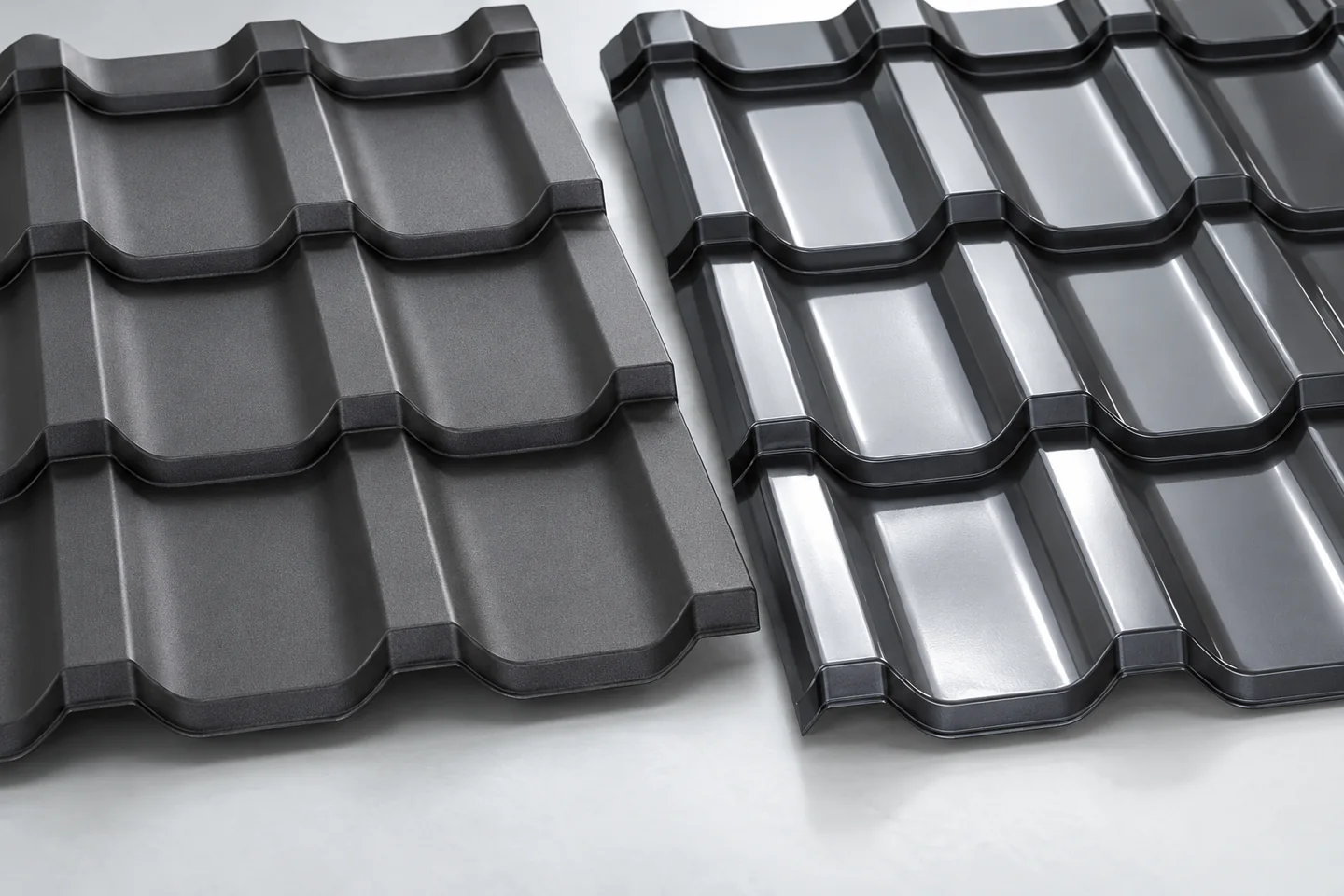
Choosing the finish of a tile-effect metal roof: matt or gloss?
In Poland, choosing between matt and gloss is primarily a decision about how light is reflected, not about the durability of the metal roof tile itself. Before ordering, compare real samples in morning and afternoon light, next to the façade, joinery and flashings. Check the full coating specification, the declared resistance and the warranty terms for the specific variant, not just the colour description. Bear in mind that a matt surface will not replace corrosion protection if the whole product does not suit the environment. Also confirm the availability of accessories in the chosen finish.
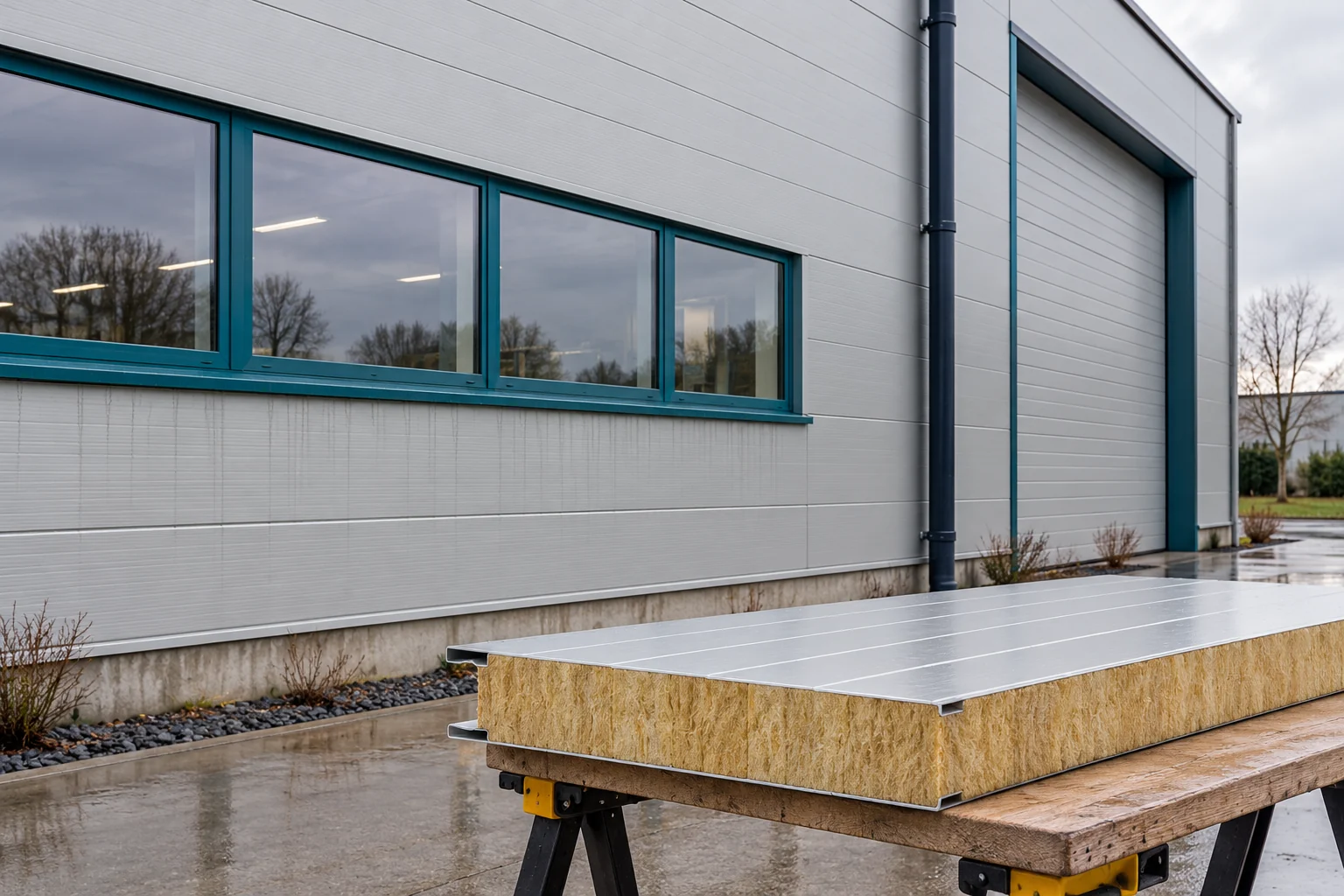
What extends the life of a wall made from mineral wool panels?
There is no single number of years common to all mineral wool panels. The durability of the wall is determined by the facings, the surroundings and the quality of the details. The way the building is used also matters. Later openings, extensions and fixings must be planned with particular care. A small change can compromise a well-functioning envelope. The panel acts as a composite element. The steel facings, the bonding layers and the core work together. The condition of the mineral wool alone is therefore not enough to assess the whole panel. The joints, coatings and fixing points also matter. Damage to the surface can open the way to corrosion, even if the core looks sound.
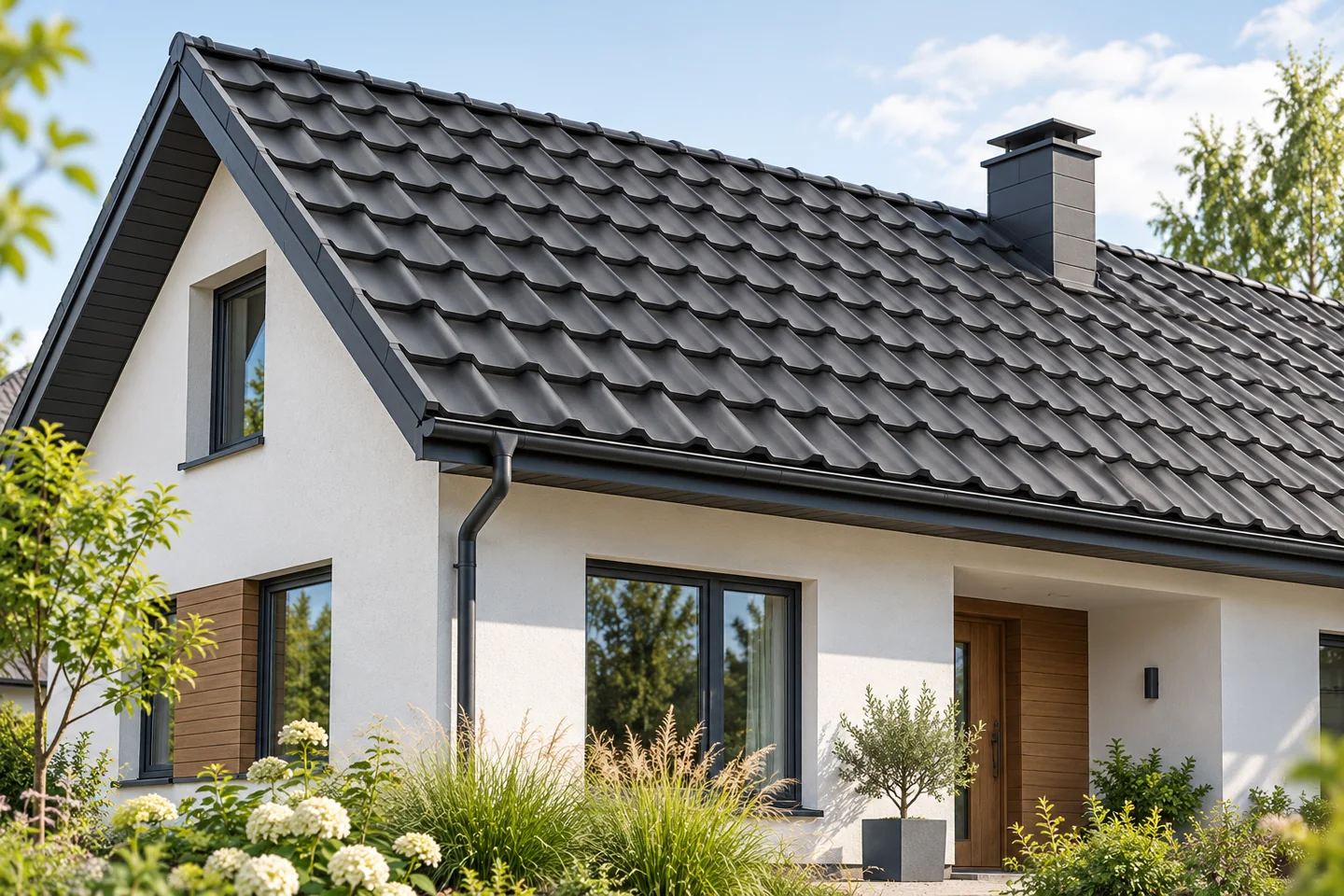
Choosing a traditional or modern tile-effect profile to suit the roof
Judge a tile-effect profile against the shape of the whole house. A close-up shows the texture of the steel but gives little sense of how the pattern repeats between eaves and ridge. Look at photographs of larger roof areas in different light and compare the profile with the façade, windows and flashings. Traditional and contemporary describe an appearance, not a technical class. Once you have settled on the look, check the sheet specification against the design before placing the order.
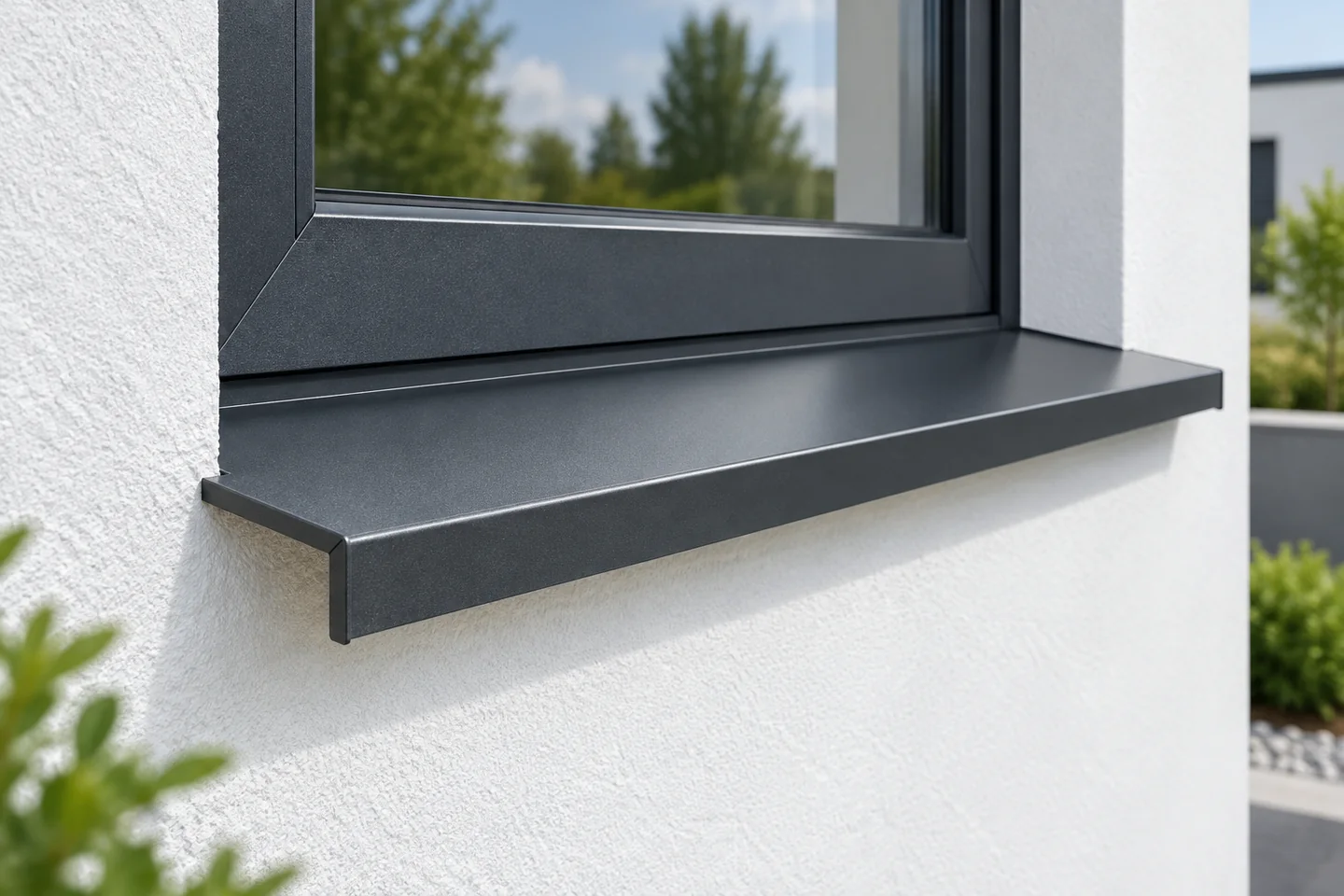
Choosing exterior window sills for a house
An external window sill must direct water away from the façade and shield the lower part of the window. Effectiveness depends on the slope, drip edge, side terminations and the connection to the frame, not just on material and colour. Coated steel is a popular choice, but other materials are available too. Water from the window should reach the sill and break away from its front edge beyond the façade line. If it returns underneath, it can dampen the plaster and insulation.
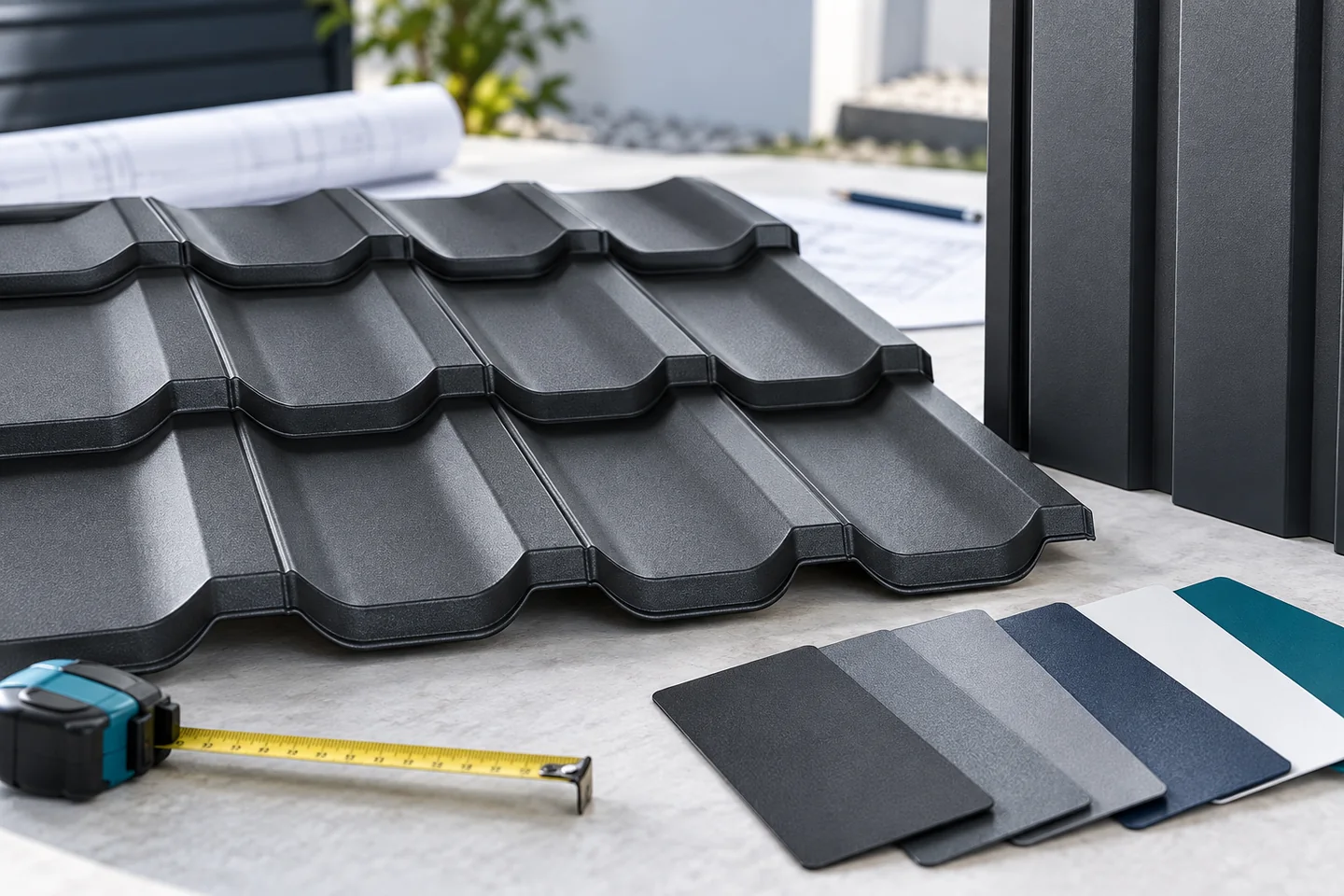
Four comparisons to make before ordering tile-effect roofing sheets
Before measuring the roof, compare four elements: how the product fits the slope, the core and coating material, the sheet format, and the full cost of the covering. These determine whether a metal roof tile is suitable, not the appearance of the sample alone. A reliable quote requires a plan, the pitch and the dimensions of the slopes, as well as details of chimneys, windows, valleys and planned installations. Without this data it is hard to assess the cutting layout, the number of flashings and the scope of work. It is also worth agreeing with the designer or contractor which items every quote must include so the comparison is complete.
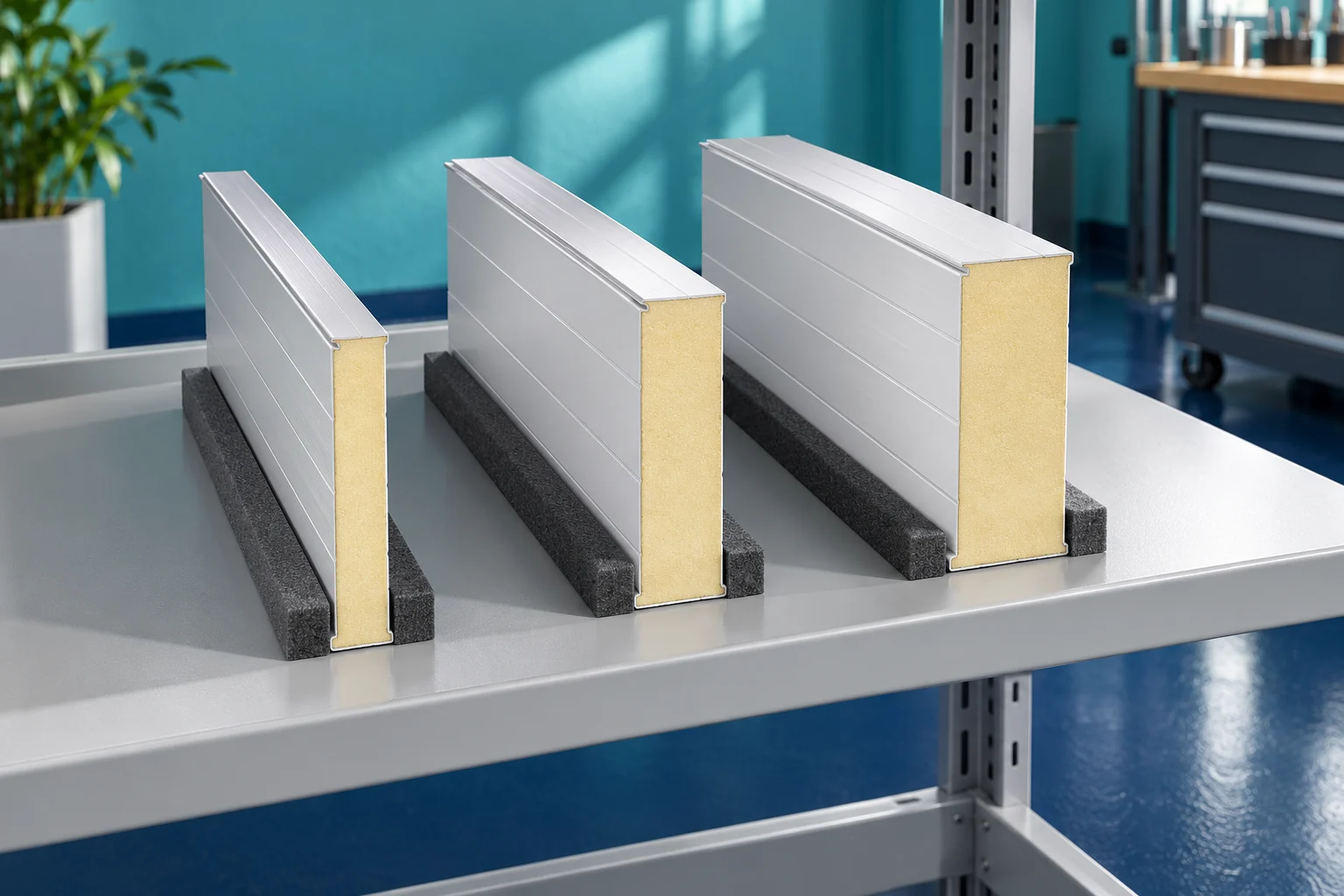
Choosing PIR wall panel thickness for a planned extension
The thickness of a wall PIR panel should follow from the conditions in the room and the project requirements. In an extension, matching the existing cladding is added. A thinner panel may make the connection easier, but it does not always meet the thermal objective. A thicker one will in turn change the details of openings, the plinth and fixings. Note whether the room will be heated continuously, periodically or not at all. Humidity and the method of ventilation are also important. Extending a dry warehouse with a production area may change the requirements, even though from the outside both parts look similar.