






Blog
The Izoprofil.net blog answers practical questions about renovation, extensions and the sequence of work. Find out where to start looking for a leak, when to order roofing sheets, how to prepare a delivery area and what to establish before installing insulation. The articles cover measurements, the condition of existing components and order details for roofing, sandwich panels and PIR insulation. They explain which information to collect and when an on-site assessment by a professional is needed. Choose the article that matches the current task so you can prepare a more accurate materials enquiry and reduce rework.
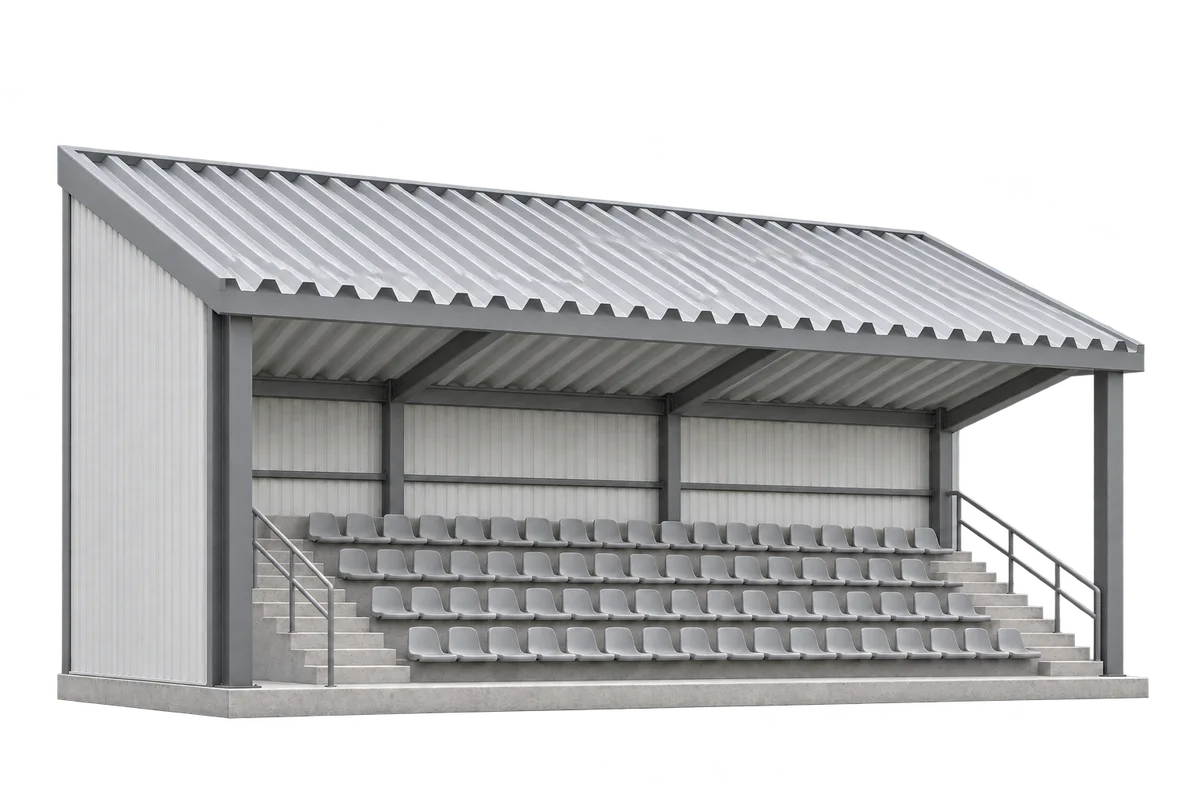
Water dripping onto seats below a steel canopy. How do you trace the cause?
A wet seat under a grandstand canopy tells you where the water landed. Its source may be several ribs away. Before a repair is specified, record the weather when dripping begins, where the first drop appears and how water travels along the underside of the sheeting. These observations help distinguish water entering through a detail, an overflowing gutter, wind-driven rain and condensation on cold metal. This guide shows how a venue manager can gather the evidence from the seating area and give the roof inspector a starting point for the investigation.
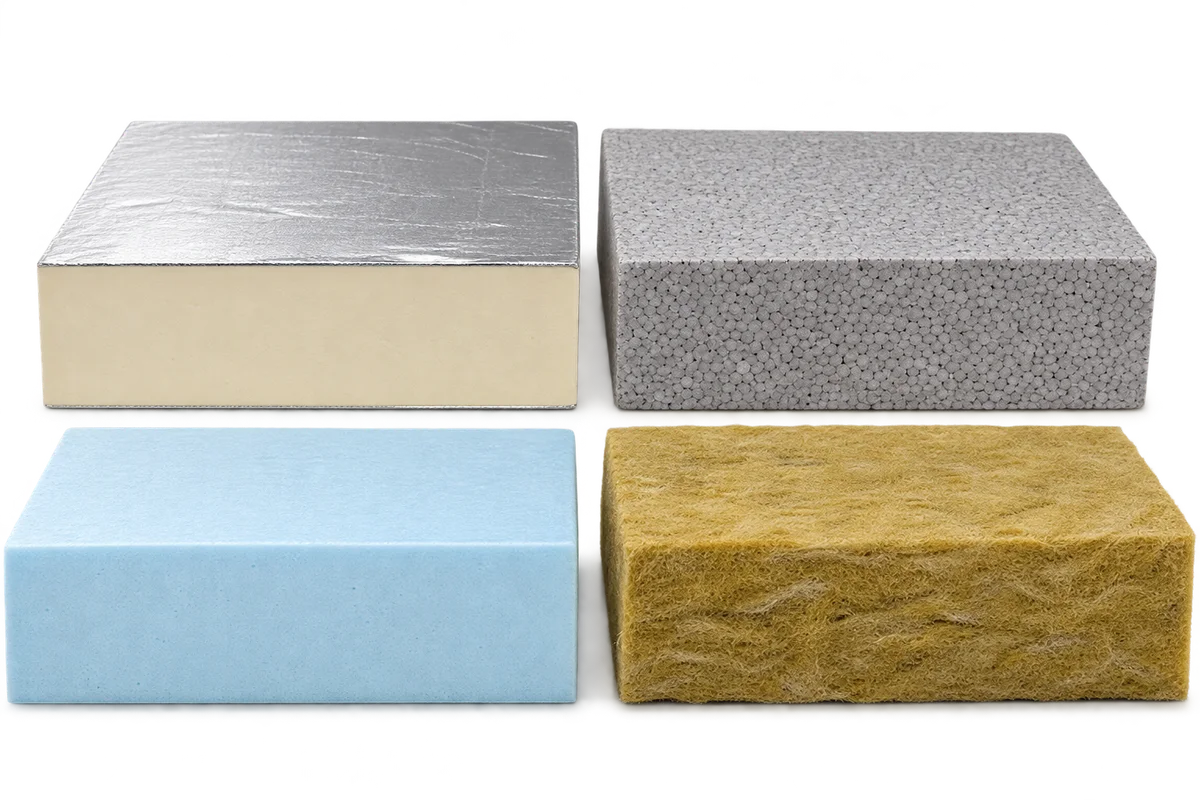
Insulation and water exposure: comparing PIR, EPS, XPS and mineral wool documentation
Comparing PIR, EPS, XPS and mineral wool for moisture exposure starts with identifying what the insulation will encounter. Rain during storage, water at a building element and water vapour inside a building call for different questions. Neither a material name nor a single absorption percentage is enough to select a product. You need the exact product’s data, the test description and the requirements of its proposed application. This guide helps organise documents before purchase: separate service conditions from site incidents, identify results that cannot be compared directly and prepare questions for the designer or supplier. It does not replace waterproofing design or assessment of boards that have already become wet.
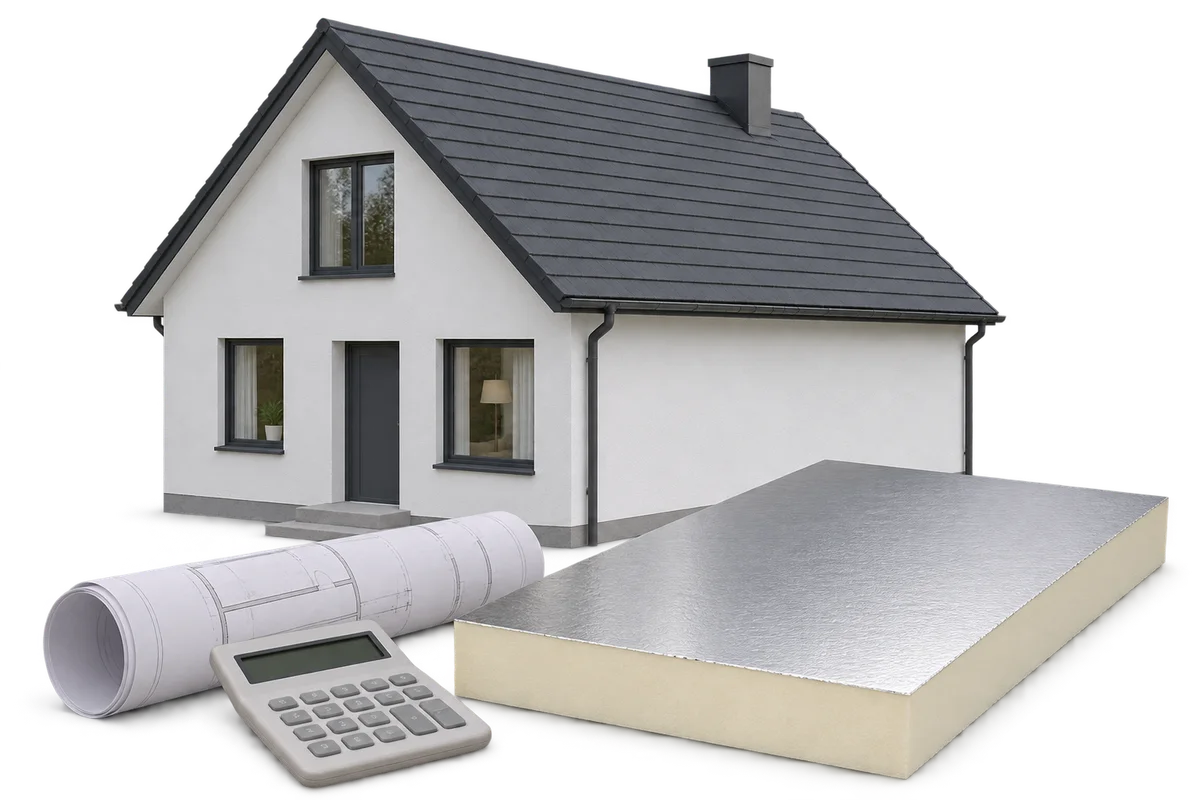
Home insulation without a single payback promise: test several scenarios
An assessment of home insulation costs depends on assumptions about the work, the expected reduction in energy consumption and the price paid for that energy. A single payback period hides these relationships. Before choosing a renovation scope, test what happens when the most important inputs change. This guide explains how to define a reference case, examine cost and savings separately, and construct consistent scenarios. It also helps identify information worth obtaining before ordering. It does not forecast energy prices or guarantee the financial performance of a particular material. A scenario is a calculation based on stated assumptions; calling it the base case does not make it a probable description of the future.
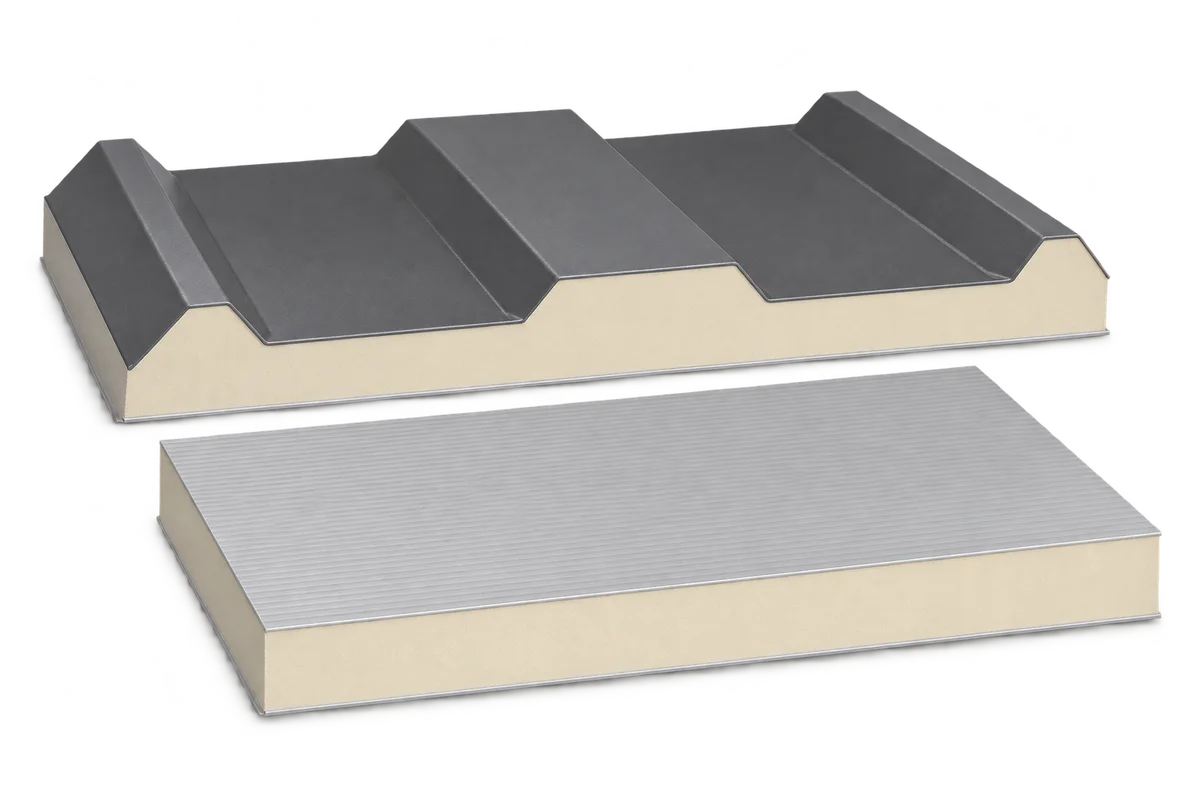
Sandwich panel documents: checking performance before purchase
Sandwich panel documentation is useful when it can be linked to the exact product being supplied. A family name, section illustration or table for a similar thickness cannot confirm every required characteristic. Before purchase, work from panel identification to the relevant data sheet, stated performance and conditions of use. This guide explains how to review that information without copying unrelated numbers into an order. It distinguishes product information from whole-assembly performance, examines units and checks the scope of tables. It also explains how to handle discrepancies. The result is a set of questions and confirmations for a specific item, rather than an attempt to replace the design with a catalogue.
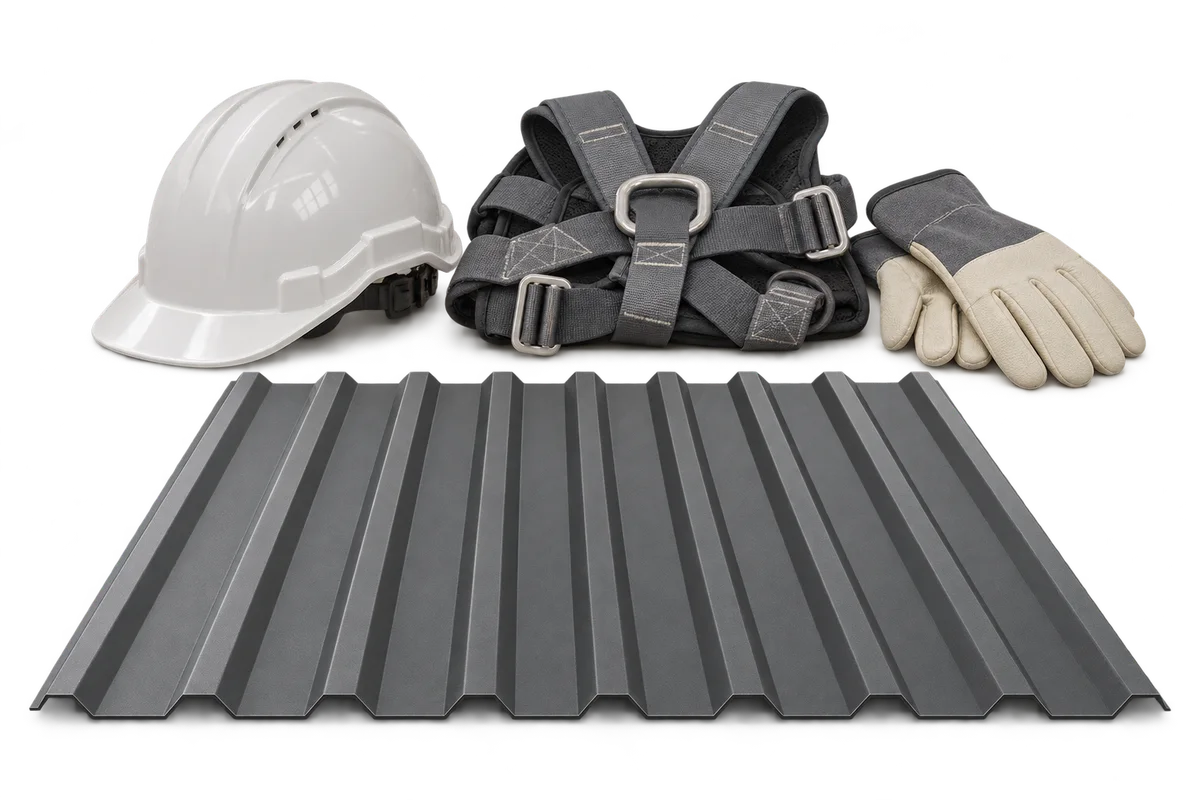
Roof work interrupted: what must be checked before restarting?
Restarting roof work after rain, a team change or an extended break requires current conditions to be checked. Yesterday's assessment does not automatically confirm today's access, protective arrangements or ability to handle materials. This guide organises the information passed between stopping work and deciding to return: the reason for interruption, unfinished tasks, site changes and people responsible for assessment. It does not provide a universal permissible wind speed or a method for accessing a roof. Competent people determine the criteria for the particular task, equipment and local requirements. The aim is to avoid restarting merely because the planned interval has elapsed or the sky looks clearer.
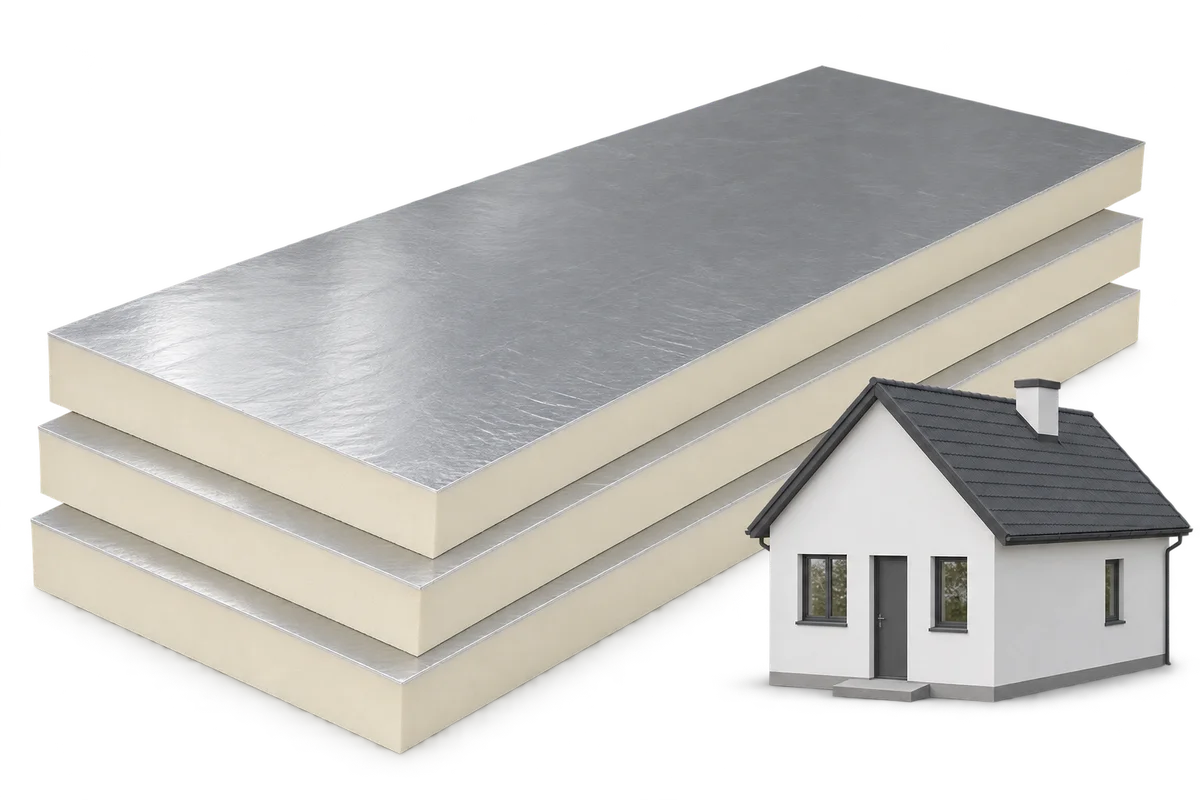
PIR and comfort at home: what matters beyond air temperature?
PIR insulation boards can improve room comfort, but air temperature alone does not describe everything occupants experience. Surrounding surfaces, air movement, humidity and room use also matter. Before renovation, record where and when discomfort occurs; afterwards, revisit those locations under comparable conditions. This guide helps organise that record and distinguish observations from a diagnosis. It is not a method for designing a building element yourself or calculating savings from a single measurement. It explains how to discuss a chilly seat near a window, draughts, uneven heating and an overheating loft room with a designer or contractor, keeping each problem linked to its actual location.