Metal roofing
Water dripping onto seats below a steel canopy. How do you trace the cause?
At a glance
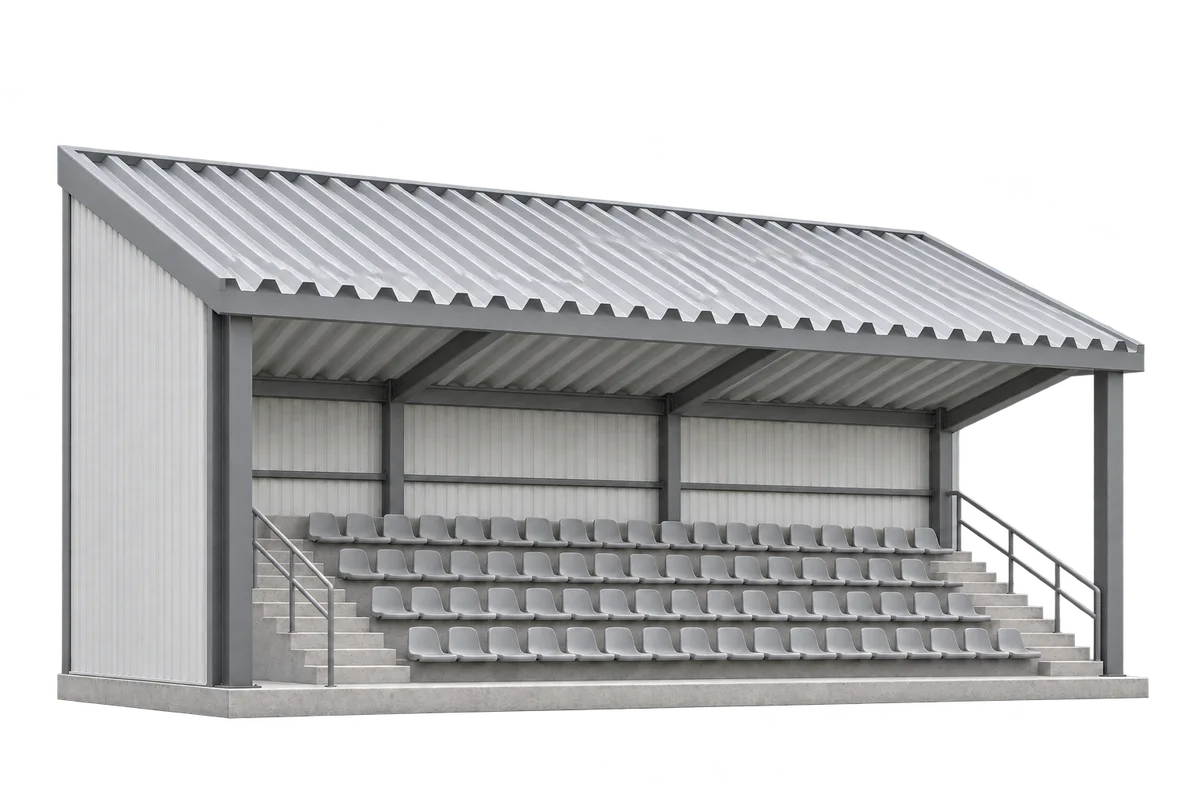
A wet seat under a grandstand canopy tells you where the water landed. Its source may be several ribs away. Before a repair is specified, record the weather when dripping begins, where the first drop appears and how water travels along the underside of the sheeting. These observations help distinguish water entering through a detail, an overflowing gutter, wind-driven rain and condensation on cold metal. This guide shows how a venue manager can gather the evidence from the seating area and give the roof inspector a starting point for the investigation.
Pinpoint where the water appears
Mark the section, row and seat number on a seating plan. Take a wide photograph of the canopy underside from that position and mark the point where the drop falls on a copy. Include a column or beam in a second view so the crew can find the location once the sheet is dry.
Record the weather and when dripping starts
Note when rain began, when the first drops reached the stand and when they stopped. Approximate times are useful if identified as such. “Only when rain blows from the pitch towards the seats” points the inspector towards different locations from “early morning after a dry night”.
From the stand, look for wet seat edges and wet vertical surfaces facing the pitch. At open sides, wind can carry rain beneath the eaves. Mark the wind direction on the plan so the extent of wetting can be compared with the next event.
Trace the visible water path
Water can run along a rib or beam before it drips off. Sketch the furthest visible wet section and the point where the trace disappears behind a flashing. That gives the roofer an area to investigate beyond the spot immediately above the seat.
If water can be seen spilling over the gutter, photograph the overflow point and show the nearest outlet. A short recording made during rain can document the drainage behaviour. The subsequent inspection can establish whether there is an obstruction, damage or another cause.
When is condensation a possibility?
Moisture in the air can condense on the underside when the sheet surface falls below the dew point of the surrounding air. Fine droplets spread over a wide area on a rain-free morning are a reason to investigate this possibility.
Include dry and wet sheeting in the same photograph. Record whether droplets are forming across the sheet or water is arriving from a single joint. Both patterns can occur at the same venue, so keep a separate entry for each location.
What information does the roofer need?
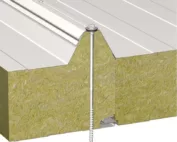
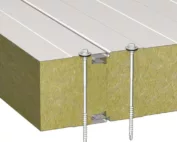
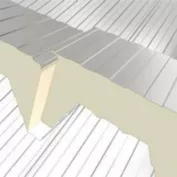
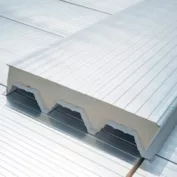
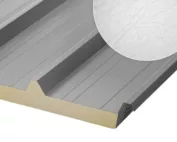
Attach the roof section if it is available. Where a separate waterproof layer is present, the visible sheets may serve as structural decking. In that case the inspector also needs information about the layer carrying rainwater above the profile.
List recent work near the trace, such as a light replacement or a new sign, with dates. Have a crew with suitable access inspect the top surface and connections. Report wet steps or affected electrical equipment to the venue team immediately so they can secure the area.
How to check the repair afterwards
After repair, note which detail was changed and which points on the plan it relates to. Observe the same location in weather similar to the original event. A dry seat during light drizzle says little about a complaint that arose in driving rain.
If the original droplets appeared after a dry night, also record a follow-up morning inspection. Dated photographs from both observations, the repair record and the seating plan give the venue a reference for any future report.
7 branches. Materials closer to your project.

- SEROCK — Dzierżenin 34 E
- BŁONIE — ul. Sochaczewska 138A
- RADOM — ul. Grobickiego 8
- ŁÓDŹ — Natolin 8
- OLSZTYN — Barczewo, ul. Prosta 9
- WROCŁAW — ul. Jerzmanowska 10C
- GORZÓW WLKP. — ul. Zielona 33/34