About PiVi

This author has not yet filled in any details.
So far PiVi has created 1504 blog entries.

Comparing roof shapes when planning a detached house

The choice of roof shape starts with the planning rules for the plot. They may limit the pitch, shape or appearance of the covering. Within those limits, decide what the space below the roof will be used for and compare the cost and layout of the alternatives. A cold loft, heated rooms in the roof and a full upper storey have different requirements. Identify chimneys, roof windows and equipment early, since each affects the detailing and drainage. The designer must also check the snow and wind loads for the site.

By |2026-11-15T04:41:50+01:002022-03-02|Blog|Comments Off on Comparing roof shapes when planning a detached house

Caring for metal fence pickets beside a road

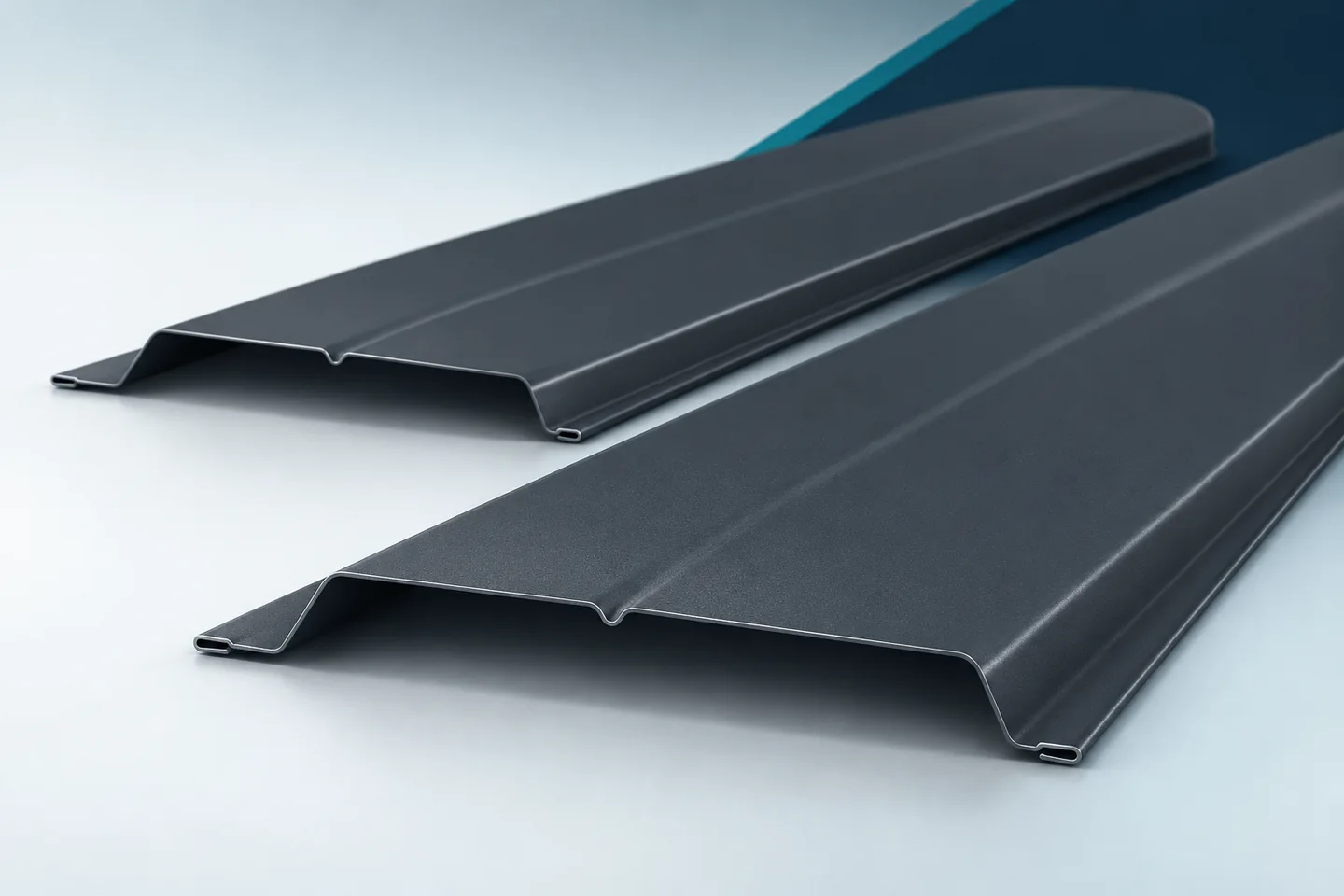
The front of a property facing the road performs under different conditions than a sheltered section of the garden fence. Dirt from vehicle traffic and splashes can settle on the pickets. In winter, substances applied to the road surface are added to this. This does not mean that every profile is suitable for such conditions. Care should begin with confirming the material's intended use, and then include checking the actual deposits. Check whether the product's conditions of use refer to salinity, contamination and aggressive environments. Some applications may be excluded. If the data is not clear, describe the situation to the supplier and ask them to recommend a suitable material. More frequent washing does not replace confirming the suitability of the coating.

By |2026-11-15T20:21:43+01:002022-02-19|Blog|Comments Off on Caring for metal fence pickets beside a road

Trapezoidal façade sheets for houses, garages and halls

The choice of trapezoidal sheet for the façade of a house, garage or hall is based on the building's appearance, the spacing of the substructure and the wind load. Check whether the profile suits the proportions of the whole façade, especially on a small garage and a large hall. Durability also depends on thickness, coating, fixings and water drainage. Distinguish between roof and façade versions and plan trims around windows, at the plinth and at corners. Colour alone is not enough; perception also depends on the width of the ribs and their rhythm.

By |2026-11-14T21:01:43+01:002022-02-03|Blog|Comments Off on Trapezoidal façade sheets for houses, garages and halls

Choosing a trapezoidal sheet profile for the conditions on your roof

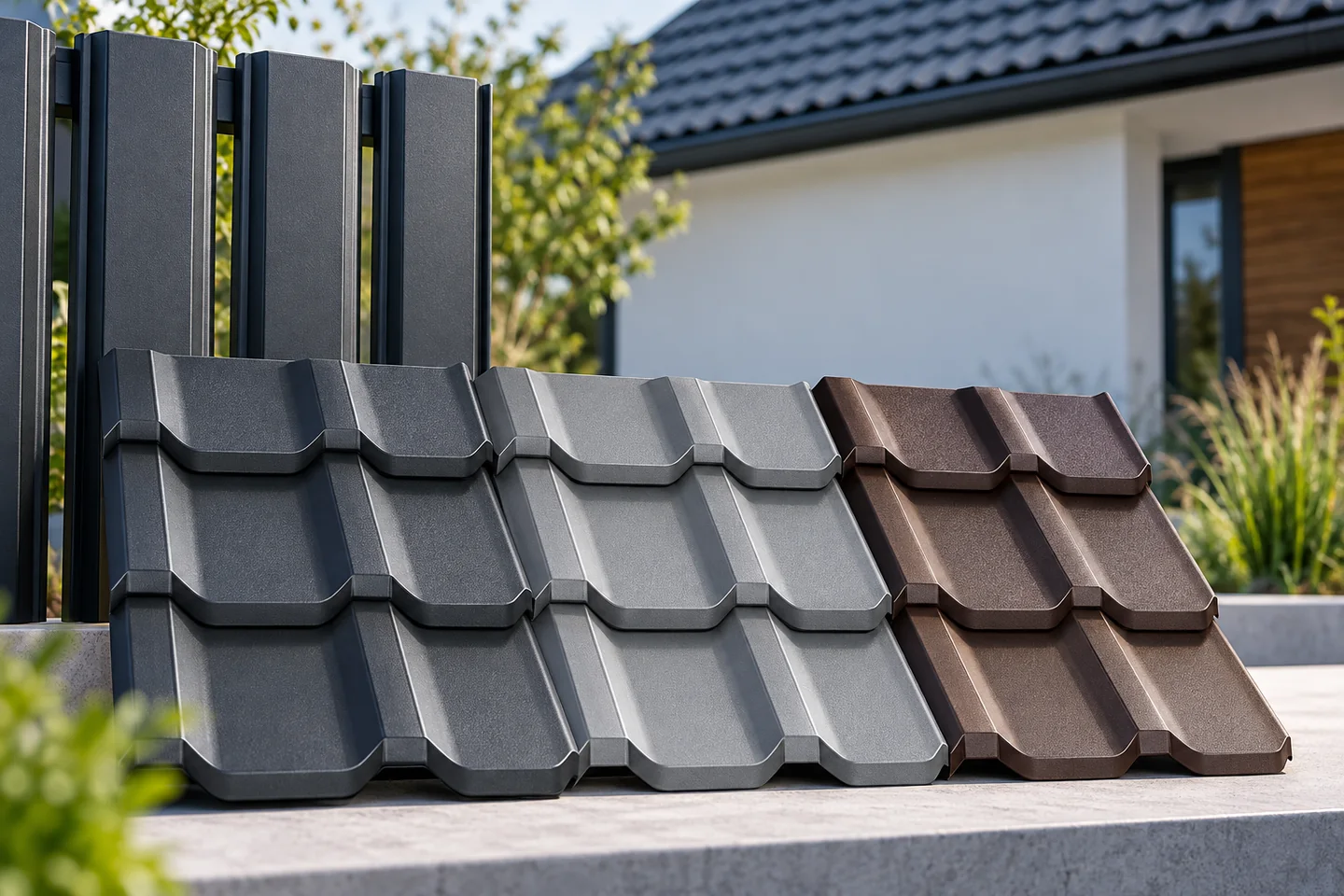
When choosing trapezoidal sheet, start by establishing the support spacing, expected loads, roof pitch and the conditions around the building. T18 and T35 are common profiles, but the name alone does not settle suitability. Steel thickness, product geometry and coating type also matter. Prepare the roof slope dimensions, its fall and the batten or purlin spacing, state the building's function and whether the loft will be heated. Give the site location too, as snow and wind loads differ by region. Without these details, a seller can only indicate a product group, while the full structural system must be confirmed by the designer.

By |2026-11-15T00:57:40+01:002022-01-31|Blog|Comments Off on Choosing a trapezoidal sheet profile for the conditions on your roof

What an eaves flashing does where the roof meets the gutter

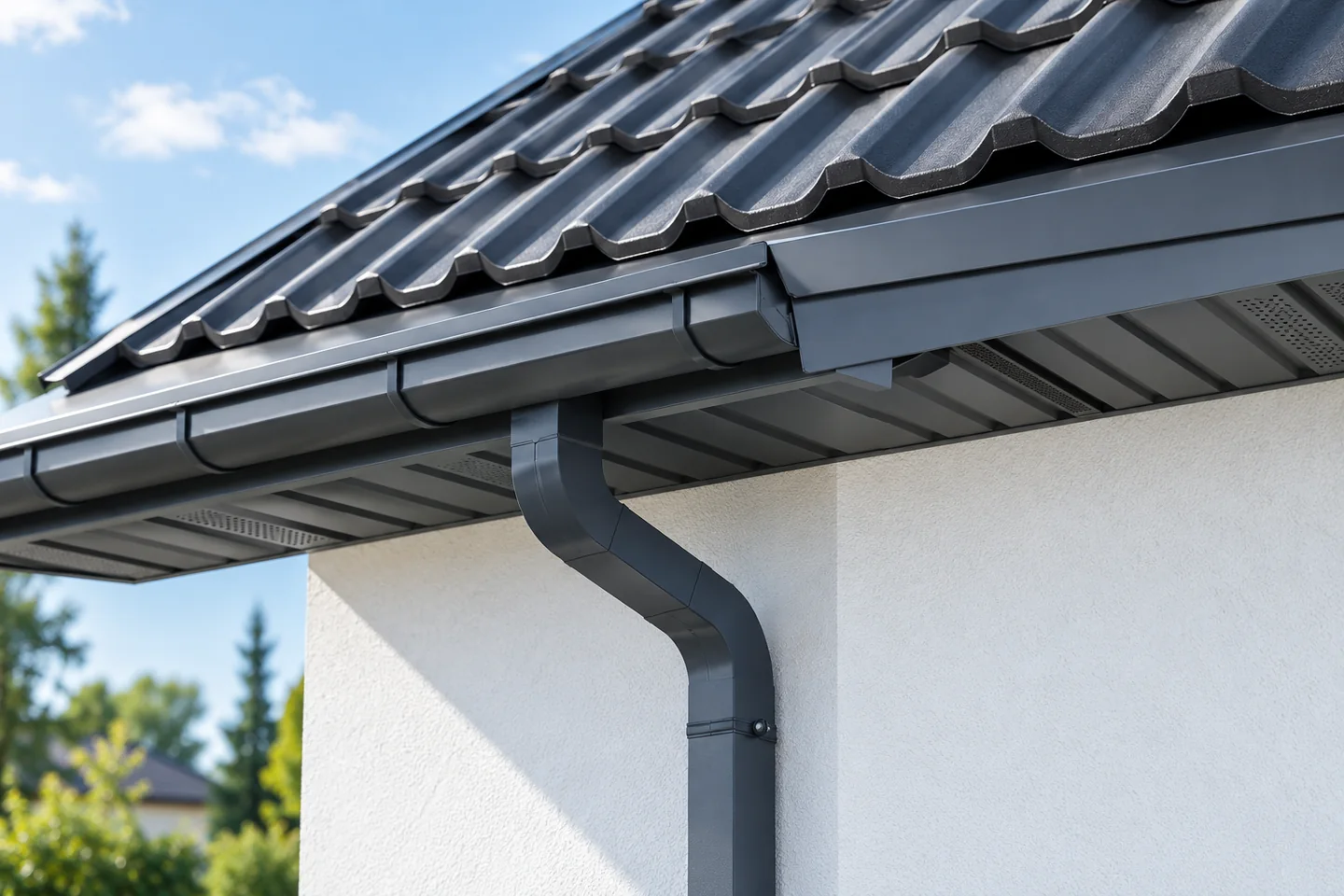
The gutter flashing takes rainwater from the roof slope straight into the gutter and shields the eaves area from backflow. Its edge and drip should guide the stream to the intended point, not underneath the sheeting. The whole detail must work with the covering, membrane, brackets and roof ventilation. Also trace the water path from the underlay — with no pooling and no moisture directed onto the fascia board. Before buying, compare the cross-section drawing, as the name alone can mislead.

By |2026-11-15T00:57:48+01:002022-01-26|Blog|Comments Off on What an eaves flashing does where the roof meets the gutter

What to check when specifying the coating on steel roofing sheets

The choice of protective coating for roof sheeting depends on how its parameters match the conditions around the building, not on colour alone. Before measuring, ordering or accepting delivery, check which layers protect the steel and how their properties relate to the location and use of the property. Compare corrosion resistance, sunlight performance and warranty scope, then ask for confirmation of the variant for the specific profile and steel thickness. This way any extra cost reflects a real change in protection rather than a trade name alone.

By |2026-11-15T04:41:54+01:002022-01-10|Blog|Comments Off on What to check when specifying the coating on steel roofing sheets

PIR boards compared with EPS, XPS and mineral wool

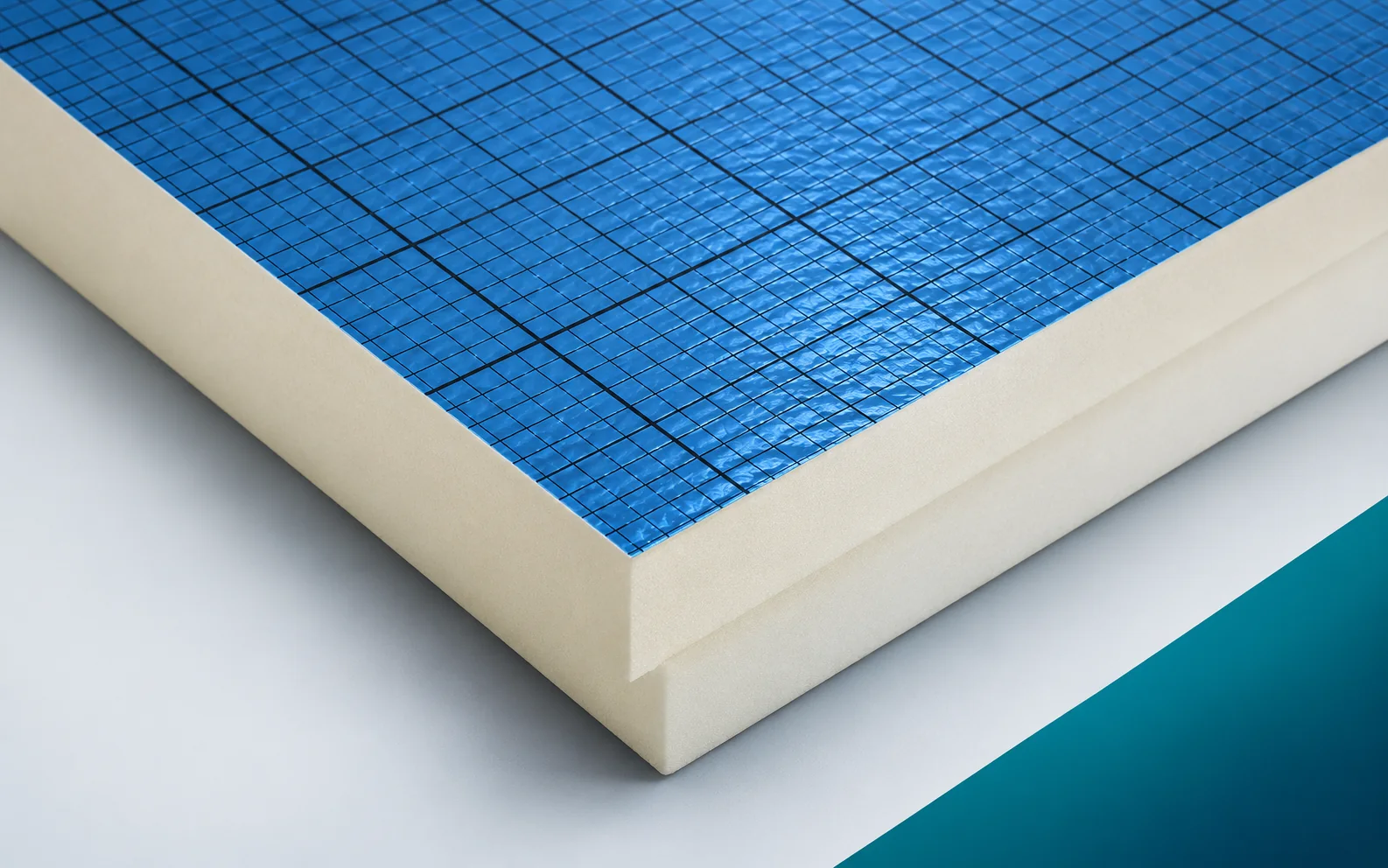
PIR boards stand out for achieving high thermal resistance at a relatively small thickness, which matters in attics, at thresholds and in renovated roofs. This does not mean they are superior in every application, so the comparison should begin with the declared thermal conductivity, lambda. Check whether the value applies to the specific board variant rather than the whole material group. Where space is limited, calculate the full scope of works, not just the insulation cost, and compare materials with similar thermal resistance that are suitable for the same location.

By |2026-11-15T00:57:26+01:002022-01-09|Blog|Comments Off on PIR boards compared with EPS, XPS and mineral wool

Insulating a loft to retain heat and control moisture

Begin by identifying the roof's layers and assessing their condition. Check the covering, the layer beneath it, any gaps and the timber, as well as signs of leaks and moisture. Insulation must be continuous and airtight on the inside, while moisture needs a path to escape. Choose PIR boards where thickness is limited; mineral wool offers fire and acoustic benefits. Do not cover wet structure until the cause of dampness has been removed.

By |2026-11-14T21:03:07+01:002022-01-07|Blog|Comments Off on Insulating a loft to retain heat and control moisture

BauderPIR FA: handling large boards on the roof

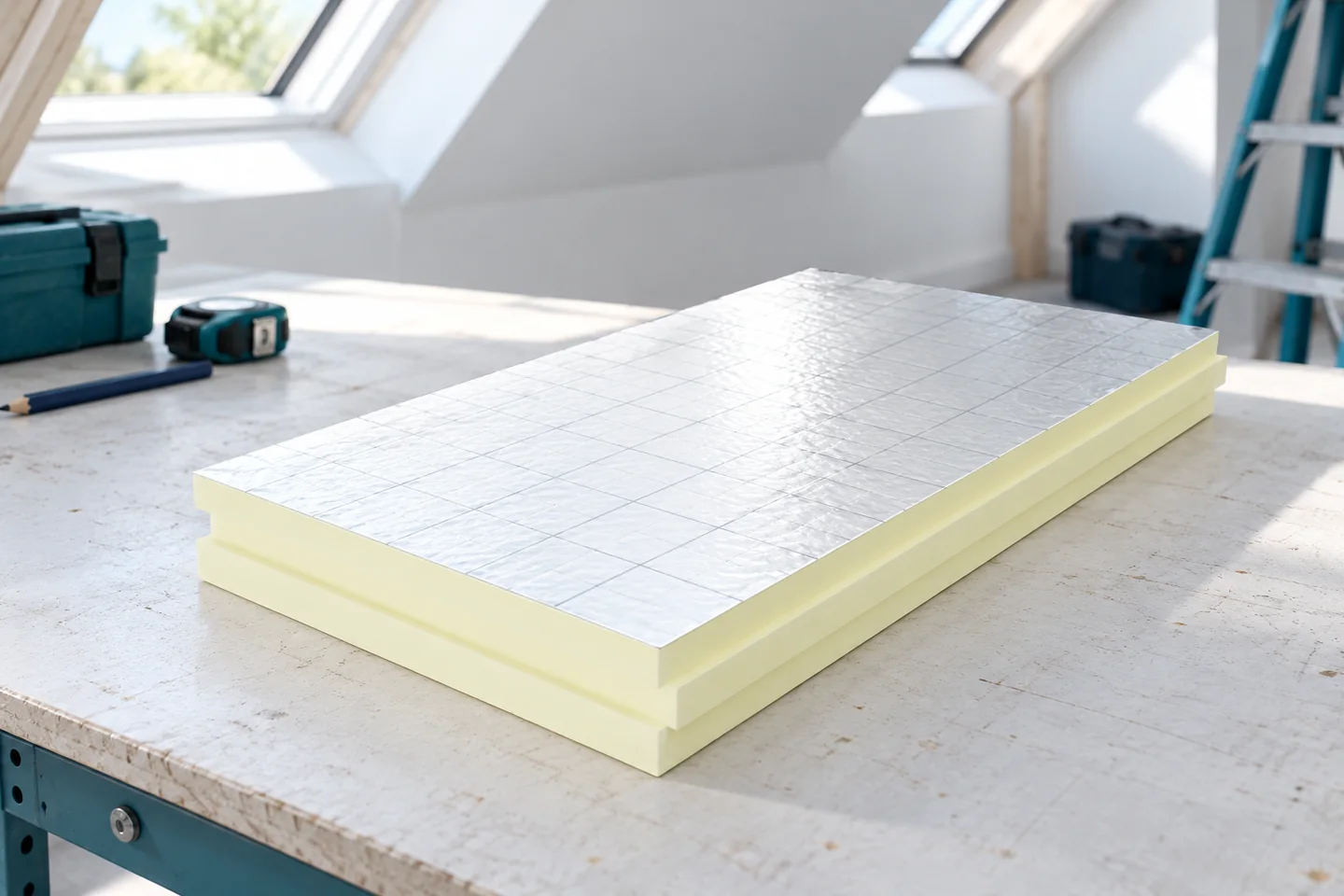
Before work begins on a large, regular roof field, the unloading point and the sequence in which the rows are to be laid must be established. With BauderPIR FA, the first working point is the rebated edge of the large-format board, so the row plan should be based on the effective covering dimension, not merely on the list of purchased materials. The actual covering area and the widths of the strips at the perimeter are measured in advance, because a discrepancy discovered after cutting increases waste. Large FA boards should be arranged in line with the laying sequence, without blocking working access routes. The board must be carried in such a way that the corners and the lap are not damaged. Inspect the condition of the rebate before pushing the next row into place. Place offcuts separately from full boards intended for the next area.

By |2026-11-16T04:08:14+01:002021-11-07|Blog|Comments Off on BauderPIR FA: handling large boards on the roof

SOPREMA EFYOS BLUE A on site: delivery checks, cuts and laying

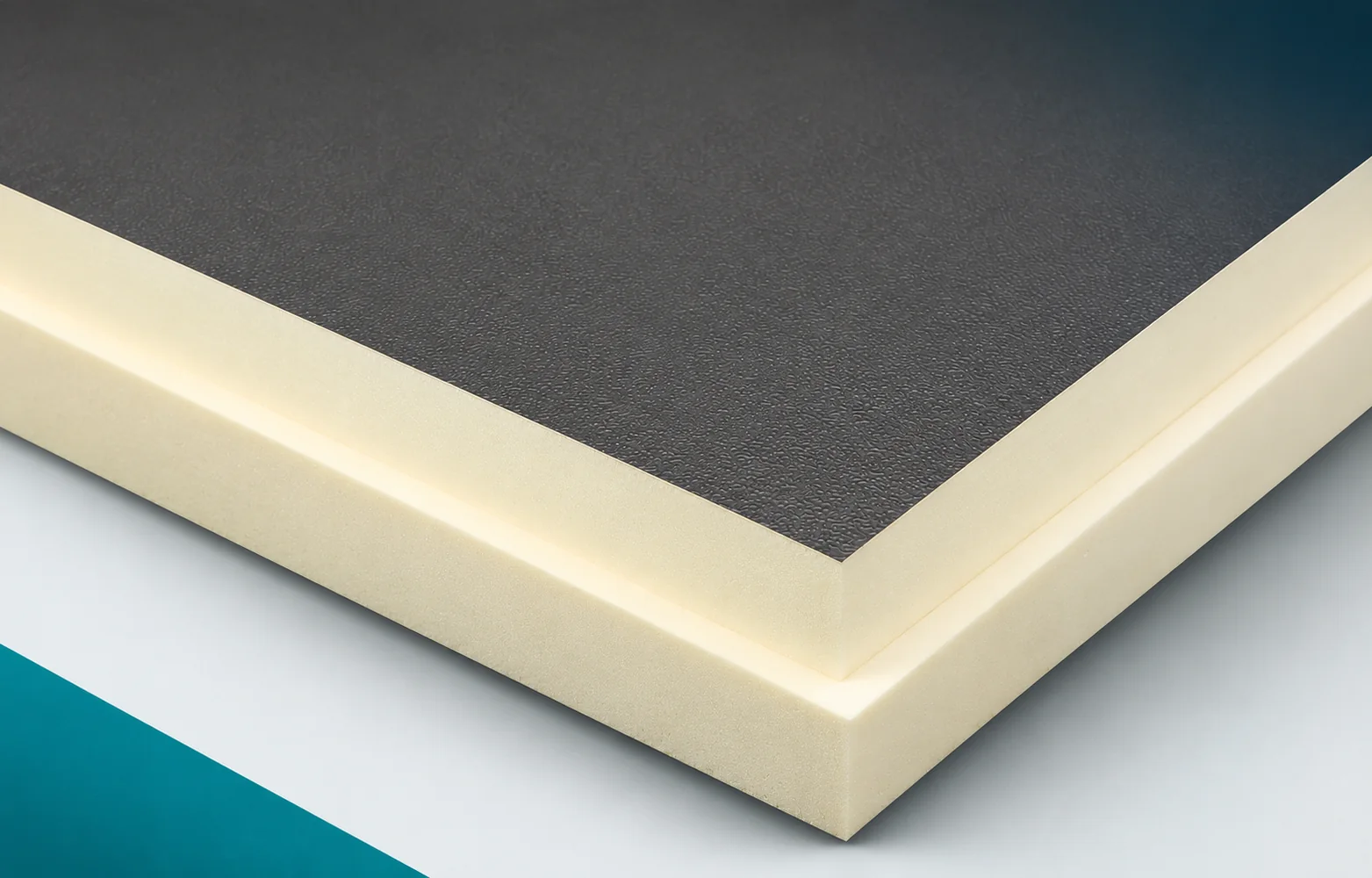
The BLUE A section starts at the termination of the insulation at the parapet, not with a full board in the field. Before unloading, the crew should have a parapet cross-section with the levels of all layers, because this is what determines the working sequence and the storage location. The first strip laid at the parapet sets the edge variant and the levels for the rest of the run. Checking the actual termination at the start lets you catch a discrepancy before it is repeated across the whole scope of the flat roof insulation under the waterproofing.

By |2026-11-16T04:07:59+01:002021-09-09|Blog|Comments Off on SOPREMA EFYOS BLUE A on site: delivery checks, cuts and laying
Back to top