Renovation and maintenance
Where corrosion starts on a sheet metal roof and how to protect it
In brief
A metal roof’s resistance to corrosion depends primarily on its coating system, not on the appearance of the paint alone. Before measuring, ordering or accepting delivery, check what type of metallic protection and coating system have been offered and whether they suit the conditions at the specific location. Compare the full product specification, including environmental suitability and warranty terms. A quiet residential area may call for a different choice from an industrial site or one near the sea. The highest price does not confirm suitability for a particular place.
What protects the steel beneath the coloured surface?
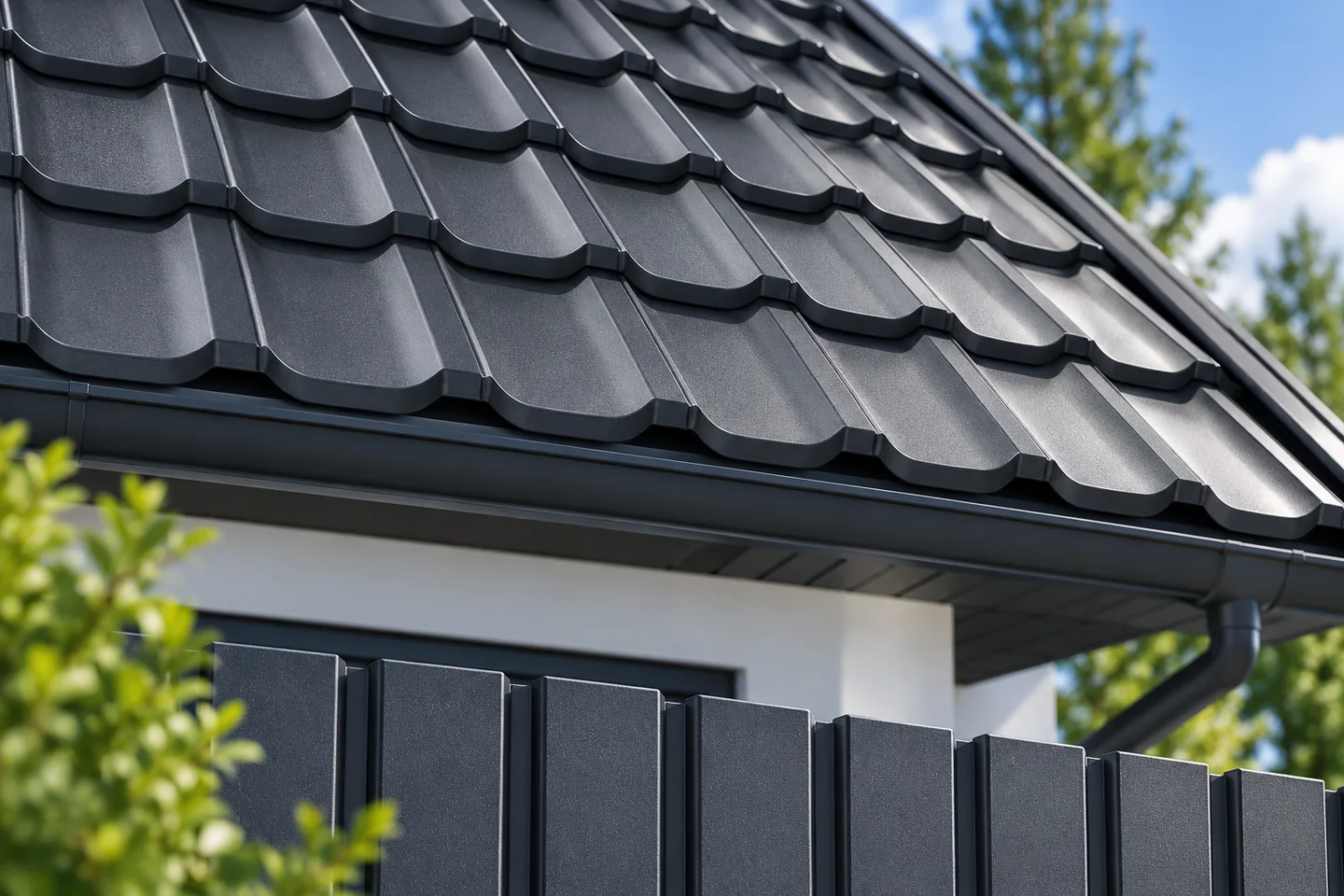
Metal roofing sheet has a steel core and protective layers. The metallic coating limits steel corrosion, while the organic coating forms an additional barrier and provides colour. The layer composition varies between products. Gloss, matt finish or the thickness of the visible paint alone does not yet say everything about the material’s resistance.
The full specification must be compared. The type of metallic protection, the coating system, the environmental intended use and the warranty conditions all matter. A quiet residential area may require a different selection from a facility near an industrial plant or by the sea. The most expensive variant in the price list does not replace confirmation of suitability for a specific location.
Why does installation affect corrosion?
During cutting and drilling, the surface is easily damaged. Tools approved in the instructions must be used for processing. Cutting with an angle grinder can overheat the edge, and hot filings can damage the coating even at a distant point. The mark may initially be small, but in time it can become a visible corrosion point.
Filings must be removed promptly, before they adhere to the surface. Sheets must not be dragged over one another or over a dirty substrate. Correct seating of screws and seals is also important. Overtightening can deform them, while undertightening can leave a leak. Each of these errors matters for the durability of the connection.
Where do the first problems most often appear?
During inspection, it is worth checking cut edges, scratches, the areas around screws and places where dirt accumulates. Leaves retained in the roof outlet keep moisture and hinder water drainage. Dirt under flashings can remain invisible for a long time. Therefore not only the middle of the sheet must be assessed, but also the details and connections.
Improper contact between different metals or water running off an incompatible material onto the sheet can be a risk. Flashings, installation components and fasteners must be taken into account. Aggressive chemicals can also damage the protection. The selection of all adjacent elements should correspond to the recommendations for the given covering and its coating.

How to clean the covering without damaging the coating?
The cleaning method should be based on the care instructions for the specific metal sheet. Usually one starts with mild methods and removal of loose dirt. Hard brushes, abrasive materials and random solvents can worsen the condition of the surface. A strong water jet directed under the lap can also introduce water into a place that should remain dry.
Roof inspection and cleaning must be arranged with safe access. It is not worth walking on wet steel sheet just to remove a single spot of surface deposit. If you commission cleaning from a contractor, pass on the material name and the maintenance instructions. After washing, check the drainage in the roof outlets, at the eaves and in the gutters.
Is it enough to paint over every scratch?
Minor damage is assessed in terms of depth, location and the recommended repair method. The touch-up product should be compatible with the coating. It should not be applied to large areas without need. Touch-up paint may age differently from the factory lacquer, so an extensive repair mark can be more visible than the original scratch.
If corrosion is visible, its cause and extent must be established. Simply applying paint over dirt and rust does not solve the problem. A leaking detail, permanent dampness or faulty contact between materials require separate repair. In the case of major damage, replacing the sheet or flashing may be more sensible than repeated local touch-ups.
How to put together a simple roof protection plan?
Keep the material documents, warranty conditions and inspection recommendations. Inspect the roof at the specified intervals and after events that may have damaged it. This applies in particular to strong wind, installation work and impacts from falling objects. Photos from successive inspections help distinguish a fresh mark from a previously observed change.
Good corrosion protection is a combination of the right product, correct installation and responding to the first symptoms. This applies to T18, T35, both types of tile-effect metal roofing and steel facings of sandwich panels. No profile is exempt from maintenance. Removing the cause of damage before it spreads to further parts of the roof brings the greatest benefit.
7 branches. Materials closer to your project.

- SEROCK — Dzierżenin 34 E
- BŁONIE — ul. Sochaczewska 138A
- RADOM — ul. Grobickiego 8
- ŁÓDŹ — Natolin 8
- OLSZTYN — Barczewo, ul. Prosta 9
- WROCŁAW — ul. Jerzmanowska 10C
- GORZÓW WLKP. — ul. Zielona 33/34