
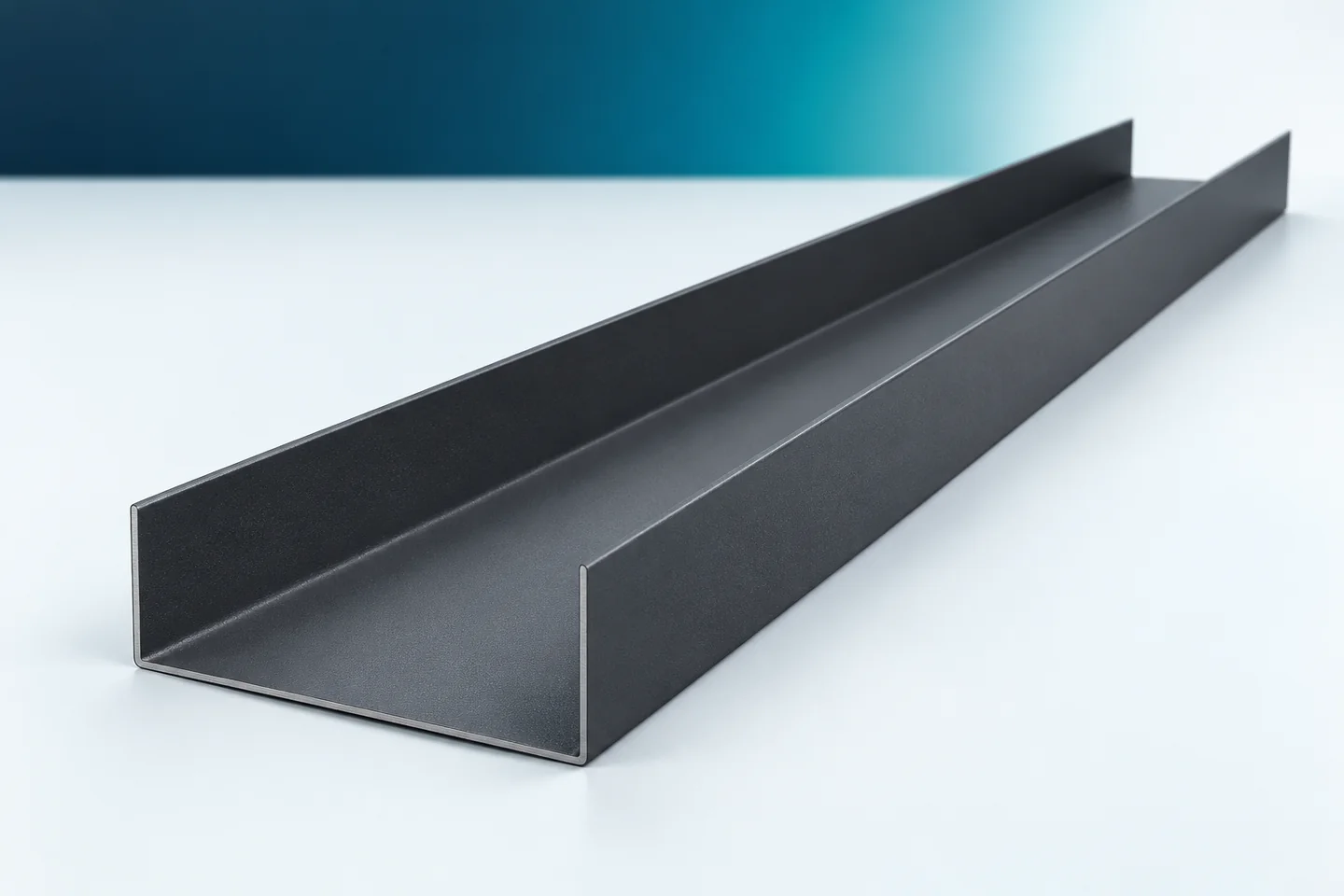
Measuring a starter profile: how to identify the section you need

In an order, the term starter profile can refer to several different parts. In one case it is the hook for the first section of the covering. In another it is the component that starts a wall of panels or a trim at the plinth. These profiles are not interchangeable. Measurement must therefore be preceded by a description of the location and function. Only then are the widths of the flanges, the heights of the legs and the bending directions determined. Data prepared in this way help to avoid buying sheet metal that fits in name only. The most important information concerns the type of covering or cladding. It is necessary to state whether the profile works with a standing seam panel, a sandwich panel or another cladding. Each system may have its own connection geometry. Even similar external dimensions do not ensure compatibility of the hook or support.
By |2026-11-15T04:43:41+01:002026-08-26|Blog|Comments Off on Measuring a starter profile: how to identify the section you need

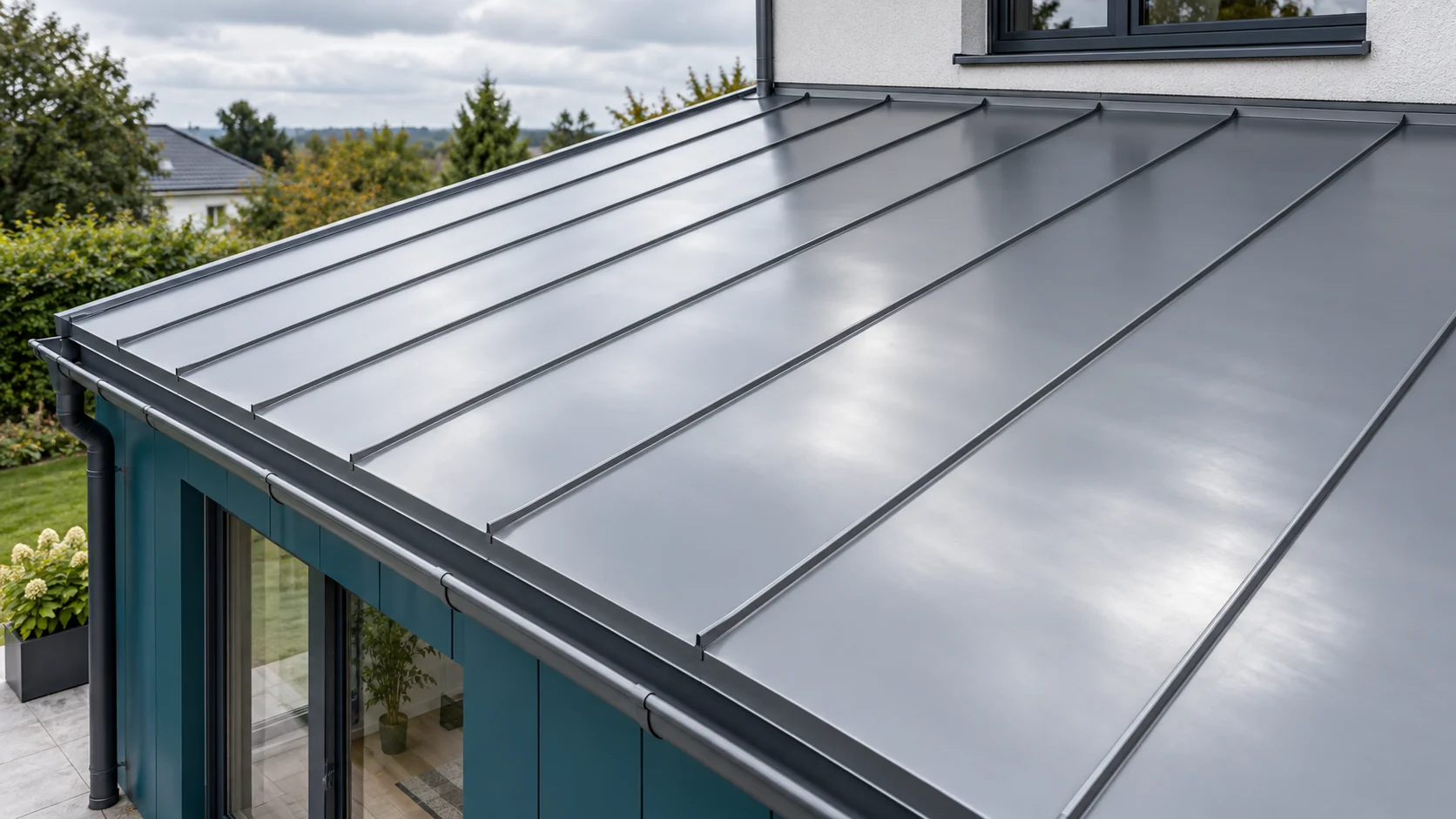
How does a standing seam roof work and what determines its weathertightness?

The standing seam is a connection of sheets above the flat field of the covering. This helps separate the joint from the main path of water runoff. However, it does not mean that such a roof is weathertight in every situation. The result depends on the type of connection, the pitch and the execution of details. The substrate and the possibility of sheet movement under temperature are also important. The standing seam is a longitudinal connection of suitably shaped sheet edges. In the traditional solution, the installer closes them with tools. Various forms of folding are possible, including single and double standing seam. There are also panels with a factory snap lock. They look similar from a distance, but their construction and method of installation should not be equated.

By |2026-11-14T11:10:54+01:002023-05-13|Blog|Comments Off on How does a standing seam roof work and what determines its weathertightness?

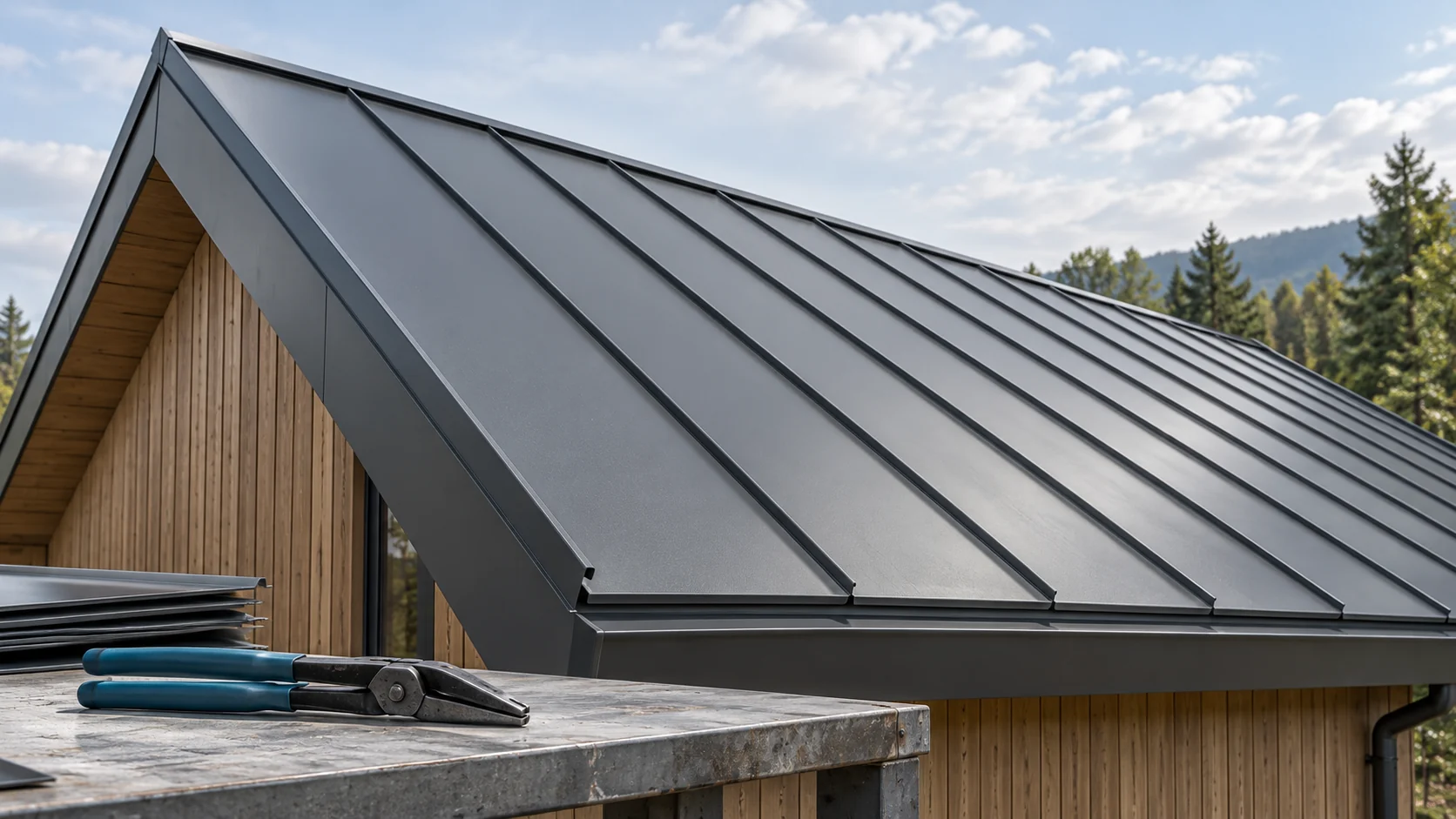
Which standing seam should you choose before ordering the substrate and the crew?

Traditional standing seam and snap-lock panels require different installation methods. It is not worth choosing them only after the substrate has been installed. The differences concern how the joint is formed, the fixing and the thermal movement of the steel sheet. The minimum pitch also depends on the specific solution. Below we explain what to agree before starting the roof. In traditional covering, the edges are appropriately shaped and closed by the installer. A single standing seam has a different formation from a double standing seam, which requires an additional fold of the joint. A snap-lock panel, however, has factory-prepared edges. These are joined according to the system instructions, without treating them as a traditional standing seam to be bent at will.

By |2026-11-14T11:10:38+01:002022-07-15|Blog|Comments Off on Which standing seam should you choose before ordering the substrate and the crew?
Back to top