PIR insulation
Laying Kingspan Therma TR27: a clean substrate and a compatible system
At a glance
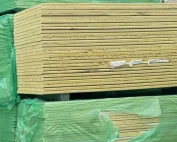
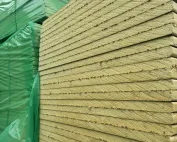
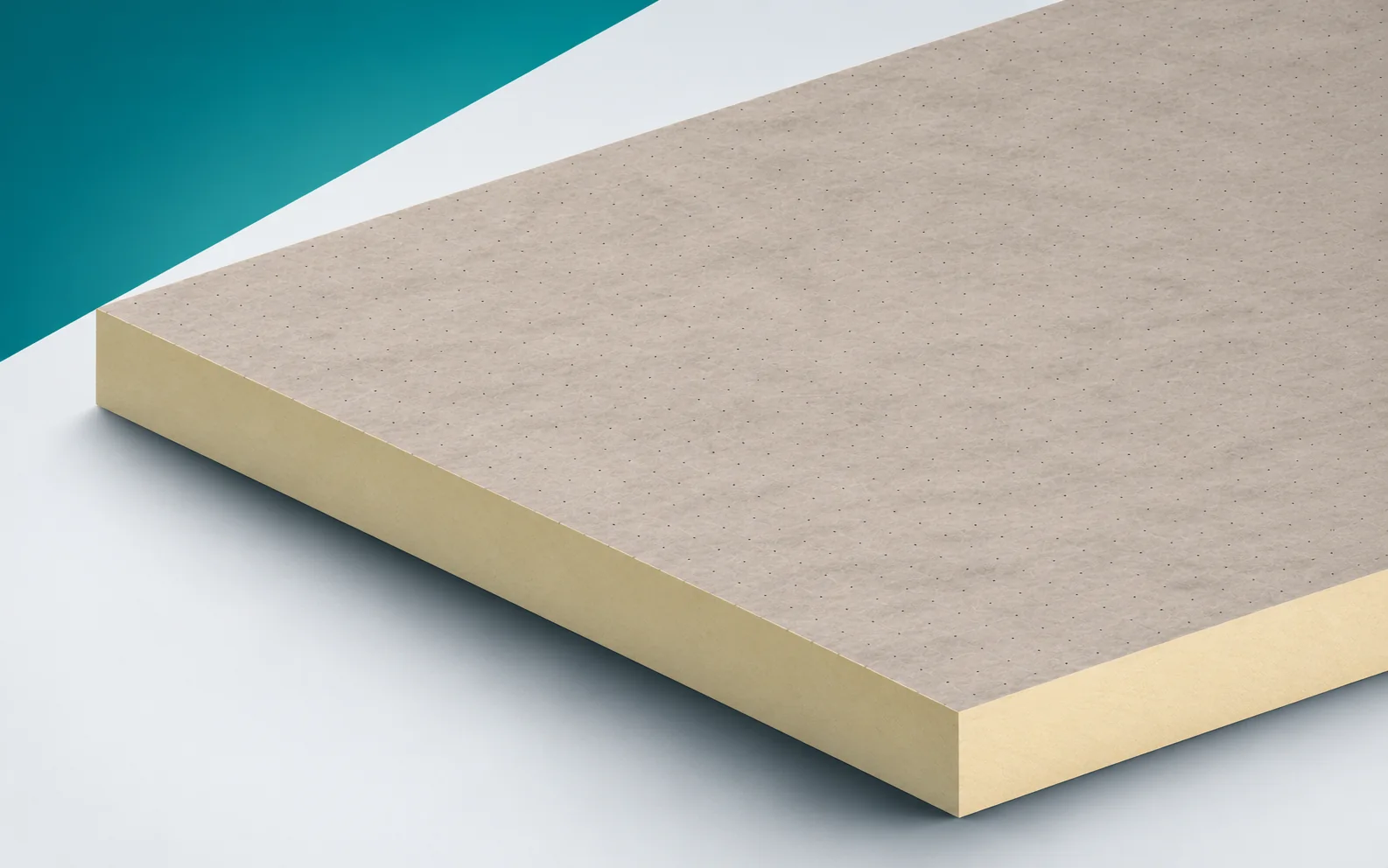
Therma TR27 is a PIR board with glass fibre facings on both sides, intended for mechanically fixed, adhesively bonded or ballasted flat roof and terrace build-ups in accordance with the system documentation. Before the material is distributed among the workstations, the team establishes at the briefing how the TR27 facing connects to the waterproofing in the adopted roof system. The bonding method is not chosen on the basis of similarity to a previous project, because different system requirements may necessitate a different connection variant.
Preparing the workstation
Preparing the work front consists of checking the type of substrate, the membrane variant and the documentation of the connection of all layers with the person in charge of the works before the PIR boards reach the workstations. A board with a fleece facing is not interchangeable with every PIR variant in any bonded system, so the delivery of the correct packs alone is not enough. In this way the team detects a facing selection that does not match the specific roof assembly.
Accuracy of the joints
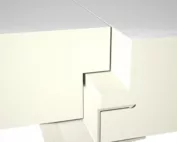
The standard format of Therma TR27 is 1200 × 600 mm. The catalogue specifies square or rebated edges; confirm the exact geometry and coverage for the order. On the first section to be installed, check the board joint near the corner and the termination of the roof flashing.
The TR27 edge adapts to the layout of the field and the support of the elements at the perimeter, and the way of working from the first section is only repeated after its acceptance. A cut piece may lose the factory profile on the side that was to form the planned connection, so the error should not be repeated in subsequent rows. After assessing the first section, the team measures out the last rows and the cut pieces of the elements at the perimeter of the roof slope. Before covering the polyurethane insulation, the actual variant of the sides, the coverage area and the method of closing the new cut edges are recorded in the works documentation.
Before bonding the layers to TR27, acceptance of the surface must be agreed. The team should know the application conditions for the specific bonding material. If the weather or the condition of the substrate changes, return to the instructions for the system. General experience with another PIR board is not sufficient. The check is best carried out before closing the details, when it is still possible to make the connection correctly.
Protection after the layer has been installed
Before bonding the roof covering to Therma TR27, inspect the prepared surface. A glass-fibre facing does not constitute universal approval for adhesives; compatibility with the specific roofing system matters. The inspection at the end of the daily work section covers both the condition of the substrate and the TR27 facing surface on which the adhesive bond will be formed.
The surface to be bonded must be prepared in accordance with the requirements of the specific material system before handing the laid layer over to the team carrying out the subsequent works. Do not leave this matter unagreed, because approval of a specific bonded system is not approval of any compound with a similar name. The prepared protection should allow a bond to be made in accordance with the documentation of the relevant board and waterproofing system. The polyurethane foam in rigid boards still requires protection; before resuming work, assess the cleanliness and condition of the surface, the application requirements and the method of checking the finished bond.
Identifying the board variant
The thickness determines the lambda value of Therma TR27, which is why a single figure is not used for the whole family. For 100 mm the documentation states 0.027 W/(m·K) and RD 3.70 m²K/W, and for 120 mm 0.026 and 4.60. Before cutting, the team checks in the documentation which declaration has been assigned to the 100 and 120 mm boards, and detects any swapping of data between the variants.
After changing the thickness of TR27, read off its lambda value and declared thermal resistance before marking and cutting the elements for installation. Do not choose the variant by appearance, because calculating with one lambda value for both thicknesses will distort the difference in resistance. The check before installation is meant to allow the thermal effect to be assessed on the correct data, not on the number of centimetres alone. On acceptance of the delivery of polyurethane boards, record in the variant schedule RD 3.70 for 100 mm and RD 4.60 m²K/W for 120 mm.
Board parameters and delivery organisation
The declared compressive stress of Therma TR27 is at least 120 kPa at 10% deformation, and the reaction to fire class is E. The assessment of loads and fire requirements for the entire roof assembly is considered separately. Before further works are permitted, the local pressure at the service access point to the unit above the TR27 boards is checked, and locations requiring a different load distribution are identified.
Assess the pressures in the service zone together with the protection and support of the TR27 layer before the adopted solution proceeds to further stages of the works. The declared 120 kPa at 10% deformation does not permit every point load. Before closing the section, design the support and protection at locations used differently from the middle of the field. In the section record, confirm the service traffic area, the support area and the classification conditions of the entire covering; report any discrepancies before continuing the task.
Settlement and inspection of the completed stage
Comparing the price of Therma TR27 requires the same thermal resistance and scope of covering. The calculation includes the fixing, auxiliary layers and the execution of details. At the acceptance of works described as “polyurethane insulation”, the team checks the TR27 quotation in the bonded solution and in the alternative method of fixing the covering, which reveals omitted items.
Compare the cost of the TR27 system at the same thermal resistance and scope of the completed roof, accounting for the material and the handover of the section to the next trade. A different fixing method changes material consumption and surface preparation, so agree the scope jointly before starting. Before handing over the front, assess the actual cost of the system, not just the price of the insulation packs. In the as-built documentation, record the board thickness, the type of joint, the auxiliary layers and the flashings included in the contractor’s quotation, so that acceptance is not based on the number of packs used.
7 branches. Materials closer to your project.

- SEROCK — Dzierżenin 34 E
- BŁONIE — ul. Sochaczewska 138A
- RADOM — ul. Grobickiego 8
- ŁÓDŹ — Natolin 8
- OLSZTYN — Barczewo, ul. Prosta 9
- WROCŁAW — ul. Jerzmanowska 10C
- GORZÓW WLKP. — ul. Zielona 33/34