Roof and energy
Keeping an operating and inspection log for a photovoltaic roof
In brief
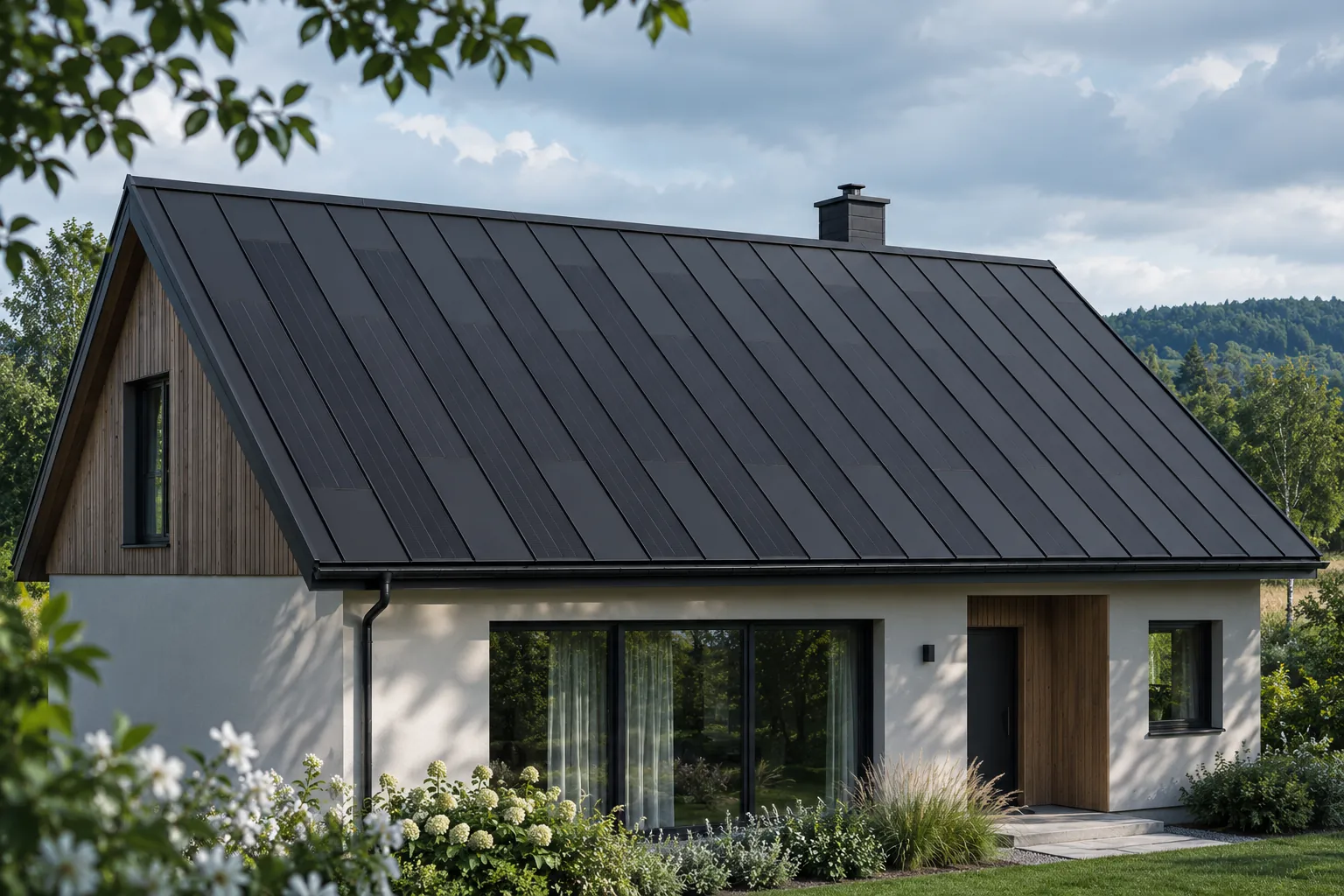
A photovoltaic roof logbook does not have to be an elaborate system. An orderly record of production, messages, inspections and important events is enough. It helps distinguish the effect of weather from a fault and establish what changed before the problem. With an integrated covering, it is worth recording both electrical and roofing matters. That way, after a few years, the history of the house does not have to be reconstructed from memory. Set up one folder and a simple register of dates. Put the as-built design, a map of active elements, instructions, reports and warranty terms in it. Note the device designations and service contacts. It is also good to know who is responsible for the covering and who for the electrical part.
What set of information should you start with?
It should not depend on one person’s memory.
The starting point is the acceptance of the installation. It is worth keeping photos of the finished roof and of areas before they were covered, if these were taken during construction. Later photographs can be compared with that state. Not every message from the contractor needs to go into the log, but agreements that change the design or the scope of service should be kept.
With a larger number of files, a short index helps. It should indicate the document valid after the last change, so that the old version is not used by mistake.
How often should production be recorded?
Current data is best collected automatically in monitoring, if the system allows it. Summaries for comparable periods can be transferred to your own register. Consistency matters more than frequency. Do not mix energy produced with energy fed into the grid, because they describe different flows.
For each larger deviation, add a short context. This could be prolonged cloud cover, snow on the roof slope or an interruption in inverter operation. A lower monthly result alone does not prove a fault. The log should help with interpretation, not turn every dip on the chart into a reason for concern. Exporting data outside the app is also useful.
Which events are worth noting?
Record alarms, interruptions in data access and service interventions. Add important weather events and work on the roof, chimney and eaves. If a new shadow-casting obstacle has appeared in the surroundings, it is also worth noting. Such a timeline makes it easier to link a change in performance with an actual change in conditions.
The note should be specific: date, symptom noticed, action taken and person responsible. The statement “something was up with the electricity” will not help much after a year. It is better to record the device message or attach a screenshot of it. Do not open devices yourself just to enrich the documentation.
How should an inspection be documented?
After the service visit, ask for the scope of the inspection, the results and the recommendations. If a component was replaced, its designation and installation location should be recorded in the log. Changes to settings that affect how the system operates are also important. The service invoice alone does not replace information on what was actually checked.
In an integrated roof, a repair may concern both the electrical system and the covering. The record should then cover both scopes and confirm that the disturbed details were restored. This avoids a gap where the device works but nobody has confirmed that the roof surface was properly closed after the work was completed.
What does the log give you when reporting a fault?
The service team can compare the current problem with the device history and earlier measurements. It is then easier to establish whether the deviation appeared suddenly, increased gradually or recurs at the same time. This helps plan the necessary visit and parts. It does not replace measurements, but it reduces the number of questions asked from the outset.
An orderly history is also useful for warranty claims and when handing over the house. It shows what work was carried out and whether the recommendations were implemented. However, facts must be described, not unconfirmed causes added. The entry “alarm after storm” is an observation; the statement “lightning damage” requires verification.
How do you keep things in order without extra work?
Choose one format and a simple file name containing the date and subject. The people responsible for the building should have access, and a copy of the documents should remain outside one household member’s phone. From time to time, check that the files still open and that the data from the app can be exported.
An integrated covering suits this way of caring for the system well, because the roof and the energy source can be managed in one history. A few reliable entries after events are more useful than daily copying of the meter without context. The log should make decisions and servicing easier, not become an additional obligation requiring specialist software.
Participants in the photovoltaic roof market include Wienerberger Wevolt, Electrotile, SolRoof, Megasol Energie, Solartag, ML System, EDILIANS, MDM NT (MyRoof), SunRoof and Dyaqua.
7 branches. Materials closer to your project.

- SEROCK — Dzierżenin 34 E
- BŁONIE — ul. Sochaczewska 138A
- RADOM — ul. Grobickiego 8
- ŁÓDŹ — Natolin 8
- OLSZTYN — Barczewo, ul. Prosta 9
- WROCŁAW — ul. Jerzmanowska 10C
- GORZÓW WLKP. — ul. Zielona 33/34