Profiles and steel structures
Identifying steel sections on site before the first lift
In brief
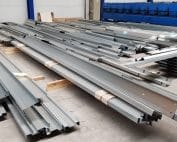
Several packs of steel arrive on the lorry. Some profiles are of similar length, all are silver, and installation is due to start straight away. This is the moment when mistakes are easily made. Cold-formed profiles must be identified from the documentation and markings. Appearance alone is not enough. A well-organised delivery acceptance allows the zed purlins, channels, sigmas and omegas to be laid out so that each part reaches the right place. Up-to-date material schedules and the installation plan should be available on site. It is worth designating a person responsible for acceptance. A place must also be prepared for the individual batches. Randomly placing all packs in one stack makes later checking more difficult. Particularly troublesome are the elements needed first, covered by the next layer of the delivery.
Before the driver opens the load space
Acceptance includes comparing documents with package markings. The number of pieces and the supplied accessories are checked. Visible damage and moisture should be noted immediately. Galvanised profiles require protection also during unloading. If anything raises doubts, it is better to keep the package identification and document the condition than to start mixing its contents with the other elements.
The letter helps identify the section family
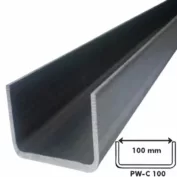
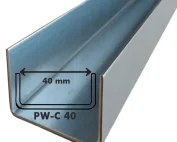
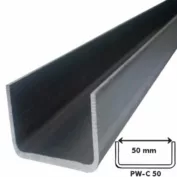
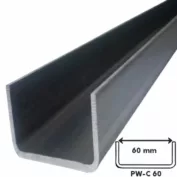
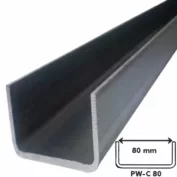
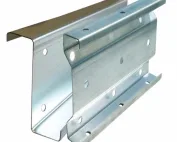
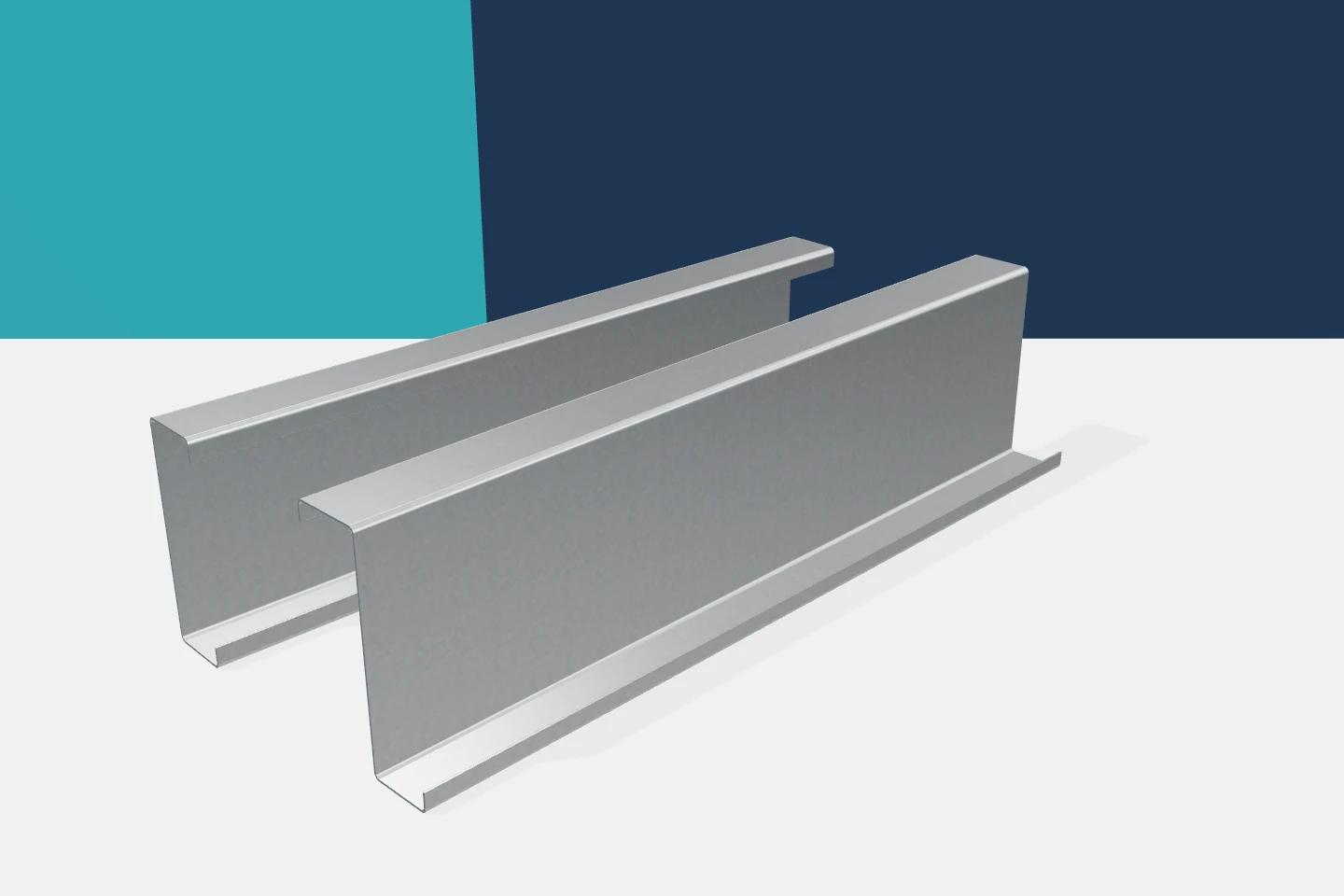
A Z-profile has flanges on opposite sides of the web. A C-profile directs them to the same side and often has bent edges. A sigma profile is distinguished by additional web bends. An omega profile forms a hat section with side feet. This division facilitates preliminary sorting. However, it does not identify the exact product variant.
Two C-profiles may differ in thickness, flange width or holes. Two Z-profiles may be intended for different spans. Cold-formed profiles should therefore be compared with the full designation in the schedule. If the label is lost, the installation location should not be guessed. The identity of the element must be established on the basis of data and measurements.
The hole pattern is often the best clue
The hole pattern often distinguishes parts that look identical from a distance. The position of the first hole, the row spacing and the execution side matter. They should be checked in the same orientation in which the profile is shown on the drawing. Turning the element over may change the reading. Left, right, edge and inner parts are particularly important.
The hole should not be enlarged merely because the part does not fit the nearest support. First its designation must be checked. A factory-prepared profile may be correct but located on the wrong axis. Preliminary laying out of the elements at ground level helps to catch such mistakes. It also helps to reduce unnecessary work at height.
Surface condition and geometry are two separate checks
During inspection, the coating is assessed, but also the shape of the element. A scratch in the zinc and a dented web require a different response. Deformation may affect the behaviour of the profile under load. It should not be removed by random straightening. This also applies to small bends on the edges of the C-profile and Z-profile, which serve a stiffening function.
Galvanised profiles may have surfaces of differing shades. Not every difference in appearance is damage. Conversely, a uniform sheen does not rule out deformation. Questionable parts should be set aside and described. This prevents them from accidentally returning to installation. Assessment by the supplier or designer should determine the further handling of the structural element.

Storage should support the sequence of works
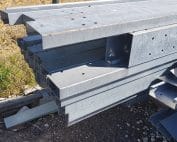
Profiles are stored on supports suited to their length and shape. Deflection of the bundles and contact with the ground must be limited. The location should protect against water while allowing drying. Tightly covering a wet pack can hinder the removal of moisture. The correct storage method follows from the instructions for the specific delivery.
It is practical to divide the material according to installation areas. Roof purlins may occupy a different place from wall rails and omegas for the substructure. Markings are kept legible. It is not worth moving parts repeatedly just to make room for the next crew each time. A storage plan can reduce the risk of damage and unnecessary equipment operations.
The accessory set should be checked before lifting
The profile alone does not create a finished connection. Screws, intermediate sheets, bracings and other parts specified in the design are needed. Their absence, discovered only on the roof, causes downtime. It is worth matching accessories to specific zones in advance. This also applies to differences in the diameter or length of fasteners. Similar boxes do not always contain the same product.
C-sections, sigma profiles and z-sections may use different support details. Omegas, in turn, have fastenings suited to their function. All parts should comply with the drawing. A missing fastener should not be replaced with a random equivalent from stock. Time saved at the moment of installation may mean having to later dismantle the node.
Order must be maintained until acceptance
During the works, element markings should remain linked to the documentation. Changes are recorded in a way that allows them to be reproduced. If a profile has been replaced or a correction approved, the information should not exist only in the foreman’s memory. This facilitates the final inspection and later maintenance of the building. It also matters when planning subsequent installations.
Cold-formed profiles are well suited to orderly prefabrication. Their repeatability becomes an advantage when the contractor maintains identification from delivery to installation. Galvanised Z, C, sigma and omega profiles should not be an anonymous pile of material. Each element has its place and task. Good organisation allows this characteristic to be used without additional complications.
7 branches. Materials closer to your project.

- SEROCK — Dzierżenin 34 E
- BŁONIE — ul. Sochaczewska 138A
- RADOM — ul. Grobickiego 8
- ŁÓDŹ — Natolin 8
- OLSZTYN — Barczewo, ul. Prosta 9
- WROCŁAW — ul. Jerzmanowska 10C
- GORZÓW WLKP. — ul. Zielona 33/34