XPS insulation
Cold floors and XPS: where to start investigating the problem
At a glance
A cold floor does not always mean that the same thickness of insulation has to be added throughout the entire room. The cause may lie at the edge, in the layers beneath the floor finish or in the way the heating works. XPS is often a good material for a planned renovation, but a diagnosis is needed first. Extruded polystyrene must be matched to the actual build-up. The colloquial word Styrodur does not replace this diagnosis. Different floor finishes give a different feel to the touch. A ceramic tile may feel colder than wood despite a similar surface temperature. It is not worth using this as a basis for determining on your own that XPS or another insulation is absent from the cross-section. Measurements under comparable conditions and information about how the heating operates are helpful.
Separate the sensation of cold from temperature
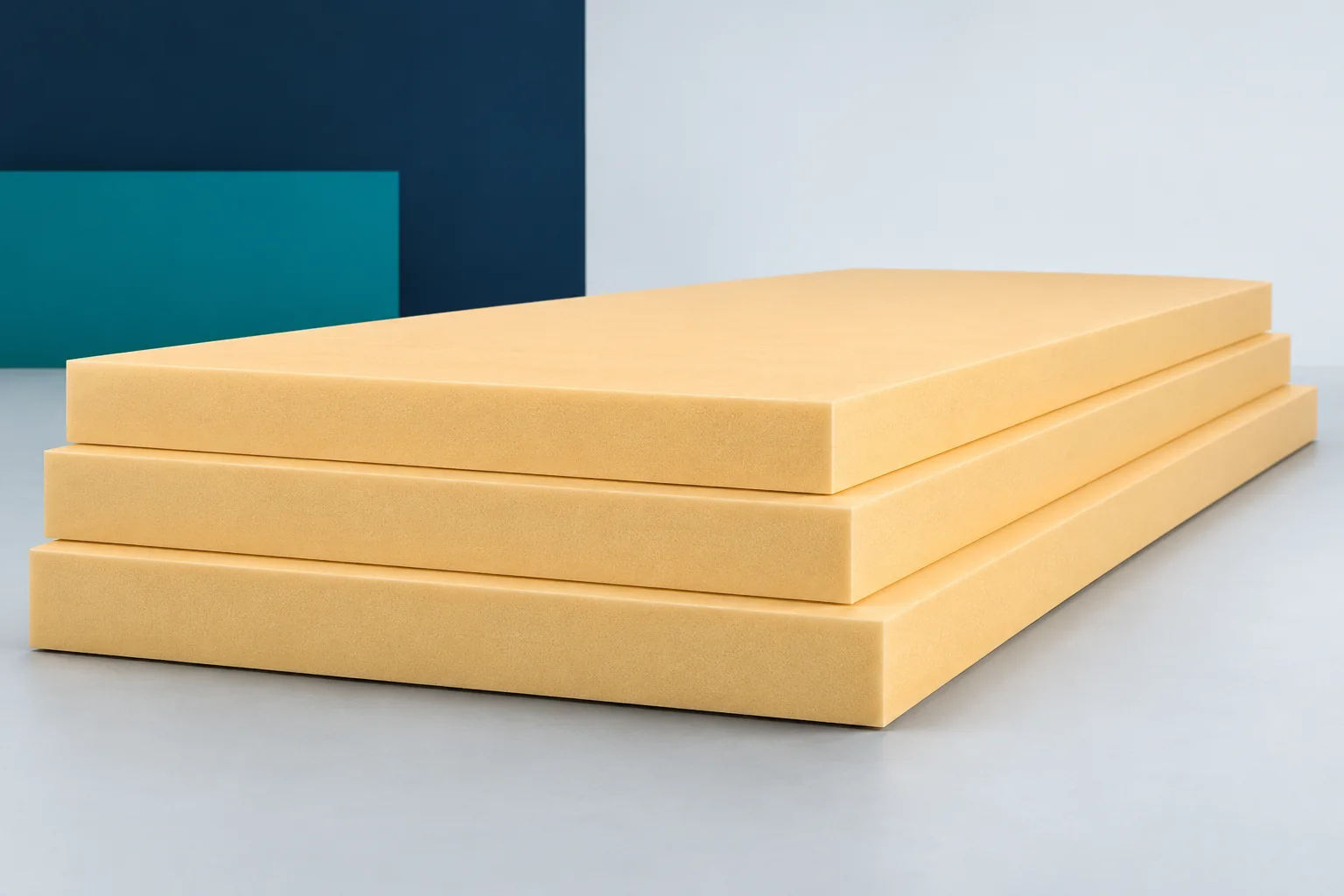
Extruded polystyrene solves the problem of heat flow at a specific location, not every subjective impression. First, it must be established whether the floor is uniformly cold or only in selected zones.
Check the edges and the junctions with the wall
The strip along the external wall may have different thermal conditions from the centre of the room. It is worth assessing the junction of the floor, foundation and wall insulation. XPS laid only in the central field will not automatically eliminate the thermal bridge at the edge of the structure.
Extruded polystyrene is easy to cut, which helps to create continuous insulation of the detail. However, the correct cross-section is needed. A distinction must also be made between a thermal gap and an air leak at doors or installation penetrations. A different cause may require a completely different method of repair.
Establish what is actually beneath the floor
A drawing from an old design does not always match what was built. Where there are significant doubts, inspections and exploratory openings may be needed. The thicknesses of the layers, their condition and the position of the waterproofing must be established. Choosing XPS without this knowledge can lead to a solution that will not fit within the available height.
Extruded polystyrene requires suitable support. If the substrate is uneven or damaged, the repair should also cover this part. It is not worth increasing the insulation thickness at the expense of a proper base layer. The floor layers have different functions and must retain the ability to work together.
Moisture requires separate investigation
Dampness can change the thermal conditions and indicate a problem with protection against water. XPS has low water absorption, which is an advantage in suitable applications. However, it does not mean that laying it will remove the cause of a damp wall or substrate.
The source of the moisture and the condition of the waterproofing must be checked. XPS does not replace a sealed layer or proper water drainage. Covering up the problem with a new floor can make later repair more difficult. The sequence of work should follow from the diagnosis, and not merely from the wish to obtain a warmer surface quickly.
When is XPS worth considering?
The material is useful where rigid thermal insulation with low water absorption is required. It can perform under a suitably designed base layer and helps limit losses towards the cooler part of the building element. The boards are easy to fit, and their geometry makes thickness control easier.
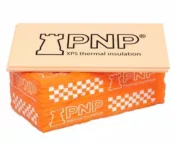
The manufacturers of XPS are Finnfoam, FIBRAN and PNP. A variant should be selected whose parameters correspond to the loads. The lambda value for the specific thickness is also important. XPS does not have to be the best choice for every dry floor, so it is worth comparing solutions that actually meet the requirements of the renovation.
Determine the thickness together with the floor build-up height
Additional XPS raises the floor level if other layers are not removed. This changes the relationship to doors, stairs and adjacent rooms. The heights should be checked before purchase. Merely specifying a popular thickness does not provide an answer for a specific building.
The calculations should take into account the entire cross-section and the required thermal effect. Space is also needed for the proper base layer and the finish. XPS with a low lambda value helps limit the required thickness, but does not justify omitting structural layers. A favourable variant meets all requirements at the same time.
Underfloor heating does not replace insulation
Raising the system temperature can improve the sensation, but it is not the same as reducing downward losses. During renovation, it is worth checking the control settings, how the circuits operate and how the layers are laid. XPS can be part of a suitable substrate beneath the system if the design permits it.
The installation requirements of the heating system and the mechanics of the floor must be taken into account. The XPS board alone does not determine how the pipes are fixed or the thickness of the screed. A well-coordinated arrangement allows the heating effect to be directed where it is needed, without inadvertently increasing the load and the height.
First the decision on scope, then the purchase
Once the diagnosis has been made, it is possible to determine whether the whole floor needs renovating, whether the perimeter needs improving or whether another element needs correcting. It is worth comparing the costs including demolition and reinstating the finish. The price of a pack of XPS is only part of the expense.
The documentation should show the new cross-section and the detail of the joints. After installation, it is worth keeping photographs of the insulation before it is covered. Correctly selected XPS helps to improve thermal protection, but it delivers the best result when it is used at the location of the diagnosed loss. This approach reduces the cost of work that would not have solved the actual cause of the cold.
7 branches. Materials closer to your project.

- SEROCK — Dzierżenin 34 E
- BŁONIE — ul. Sochaczewska 138A
- RADOM — ul. Grobickiego 8
- ŁÓDŹ — Natolin 8
- OLSZTYN — Barczewo, ul. Prosta 9
- WROCŁAW — ul. Jerzmanowska 10C
- GORZÓW WLKP. — ul. Zielona 33/34