Metal fence pickets and fences
Caring for metal fence pickets beside a road
In brief
The front of a property facing the road performs under different conditions than a sheltered section of the garden fence. Dirt from vehicle traffic and splashes can settle on the pickets. In winter, substances applied to the road surface are added to this. This does not mean that every profile is suitable for such conditions. Care should begin with confirming the material’s intended use, and then include checking the actual deposits. Check whether the product’s conditions of use refer to salinity, contamination and aggressive environments. Some applications may be excluded. If the data is not clear, describe the situation to the supplier and ask them to recommend a suitable material. More frequent washing does not replace confirming the suitability of the coating.
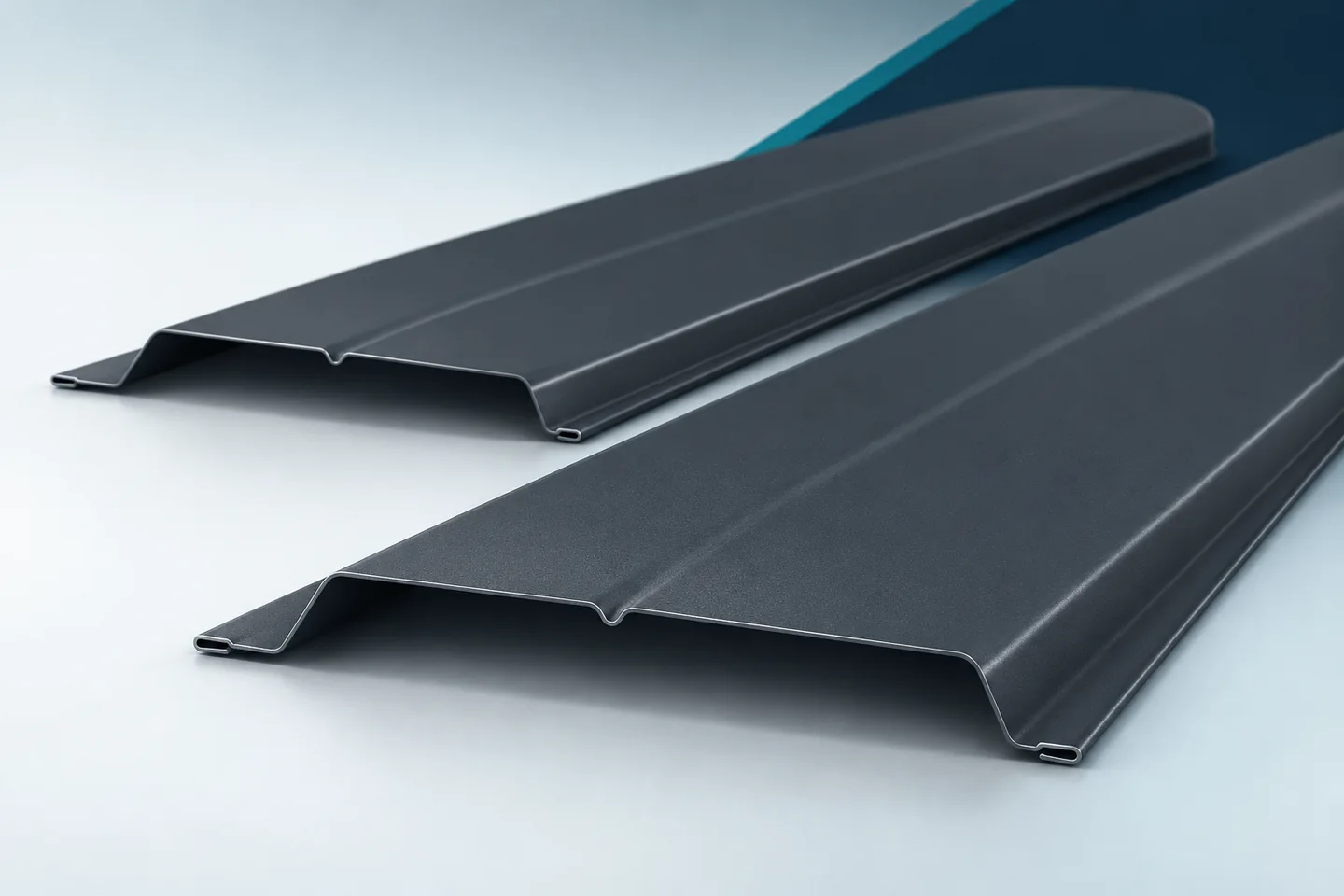
Check the documentation for the specific location
For an existing fence, reconstruct the order details. The colour name alone is not enough to assess the conditions of use. Metal fence pickets may have different types of protection. It is worth knowing what was actually installed before choosing preparations and the scope of inspections. Instructions from another model should not be transferred.
Observe where the dirt ends up
Deposits may concentrate near the lower part of the front, but the entire bay should be inspected. Pay attention to corners, the area around the gate and places close to the ground. Take photos after a period of increased soiling. They will help identify zones that require particular attention during inspection.
Do not judge the amount of deposit solely by its visibility on dark paint. Some contamination may be barely visible. What matters is regular inspection in accordance with the instructions and actual contact with the surroundings. Changes in traffic organisation, the surface or the way the road is maintained can also change the conditions at the fence.
Do not put off removing accumulated dirt indefinitely
Contamination that retains moisture should be removed using a compliant method. However, there is no single schedule that suits every plot and coating. The timing of the work should be adapted to the instructions and the condition of the fence. It is worth inspecting the surface after the winter season and after intensive roadworks nearby.
Before washing, check for scratches and other damage. Document any suspect areas. Cleaning should not hide a problem that requires assessment. Steel sheet pickets are best inspected both before and after the treatment. This allows deposits to be distinguished from a change in the surface itself.
Match cleaning to the coating, not to the dirty road
A preparation for removing stubborn deposits from a driveway may be unsuitable for a fence. The cleaning rules must come from the picket documentation. Some instructions specify water only. Others permit specified agents. A stronger mixture should not be created independently to speed up the work.
If pressure equipment is used, it must comply with the product’s limitations. Edges and joints require particular care. There is no basis for transferring pressure values from the instructions for a completely different material. A stubborn stain should prompt investigation, not unlimited increases in jet force.

Check areas prone to contact and abrasion
The front facing the pavement is exposed to accidental impacts, cleaning work and contact with equipment set down nearby. Inspect the ends, sides and areas around fasteners. If there is a mark, determine whether it is deposit or a breach of the coating. Not every stain requires touching up, but exposed substrate should not be ignored.
If the damage results from a recurring event, the cause must be limited first. Paint repair alone will be short-lived if the picket still rubs against the same object. Metal fence pickets should not replace an element protecting against vehicle impact. Their function is to fill the fence.
Also assess the structure and the reverse side
Contamination need not end on the front of the pickets. Check the crossbars, fence posts and connection zones. Water can remain in sheltered places that are not visible from the street. A good inspection covers the whole path from the infill to its supports, not just the most presentable side.
If the structure or fixing requires repair, do not limit the work to painting the picket. The scope of work for the individual materials must be separated. A product suitable for renovating the frame need not be compatible with the factory coating of the infill. It is worth establishing the sequence of work so that cleaned elements are not soiled again.
Keep a brief maintenance history
Record the dates of washing and any places noted as requiring inspection. It is worth adding information about the method used and any special events in the surroundings. After several inspections, it becomes easier to see where the problem recurs. Such a record also helps the supplier assess the conditions if consultation is needed.
Metal sheet pickets by the road require conscious selection and use. It cannot be promised that every material will cope in every location. When the coating matches the conditions, regular inspections and compliant cleaning help maintain the condition of the fence. The most important thing is responding to actual conditions rather than being guided solely by the colour of the deposit.
If road expansion is planned, check the new position of the surface relative to the fence once it is completed. A change in level or in the direction of water runoff may require reassessing the surroundings of the lower ends of the pickets.
7 branches. Materials closer to your project.

- SEROCK — Dzierżenin 34 E
- BŁONIE — ul. Sochaczewska 138A
- RADOM — ul. Grobickiego 8
- ŁÓDŹ — Natolin 8
- OLSZTYN — Barczewo, ul. Prosta 9
- WROCŁAW — ul. Jerzmanowska 10C
- GORZÓW WLKP. — ul. Zielona 33/34