Renovation and maintenance
One leaking area or a failing roof covering? Deciding the scope of repairs
In brief
A leak does not usually mean the whole roof must be replaced. Before ordering a repair or accepting the work, establish where water actually enters, not merely where the stain appears. Check flashings, laps, fixings, windows and service penetrations, and note the weather in which the problem returns. A traced local fault on a sound substrate generally supports repair; widespread corrosion, damp layers or structural defects call for a broader assessment. Compare the scope of both options and establish which problems the cheaper variant leaves unresolved.
Does the location of the leak indicate the cause of the defect?
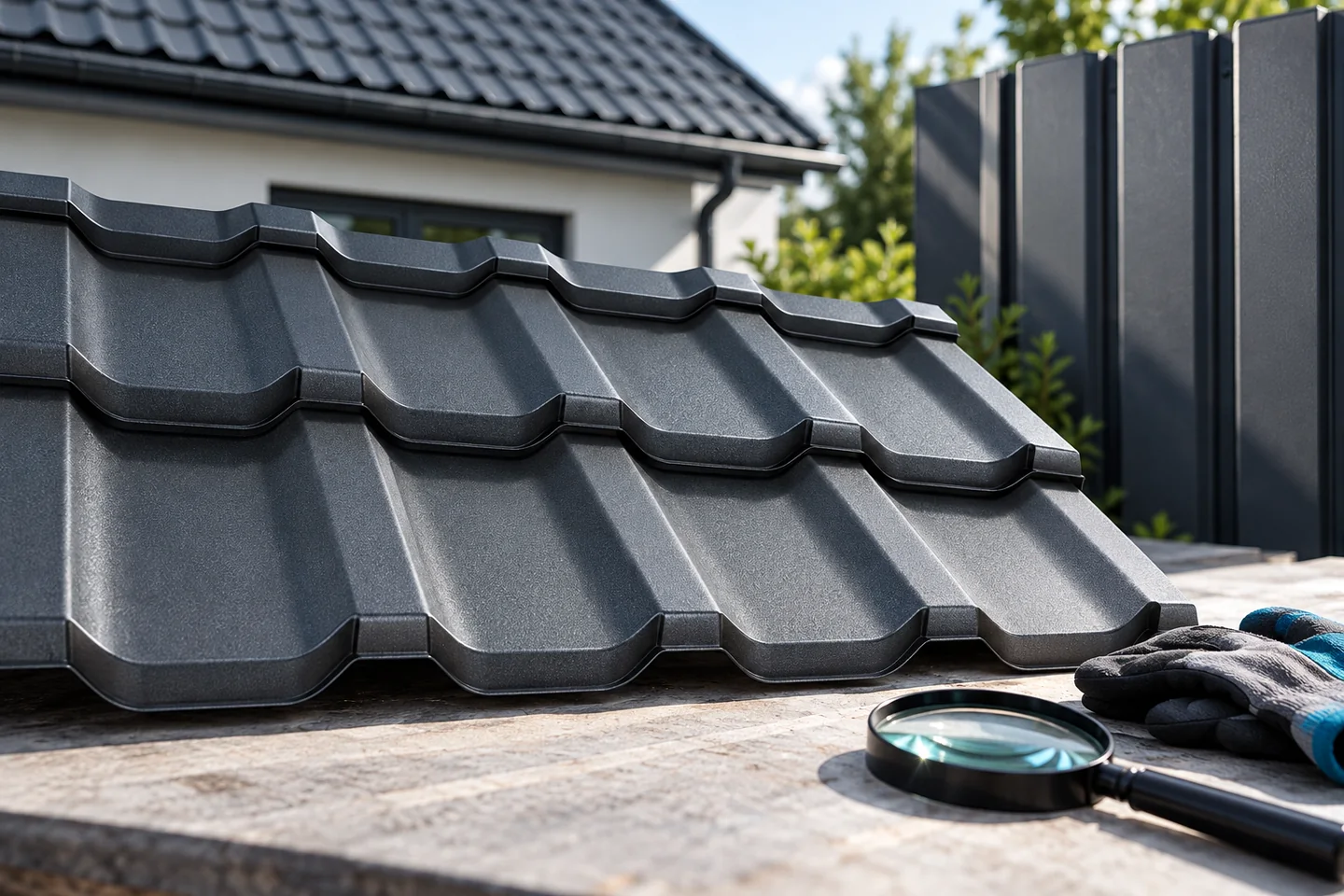
Water can travel through the roof layers before it appears inside. A stain on the ceiling therefore need not be directly below the damage to the covering. Flashings, laps, screws, windows and service penetrations all need checking. It also matters in what weather the problem occurs and whether it recurs in the same place.
Not all damp comes from precipitation. Condensation can result from a leaky layer on the interior side, poor drying out or inadequate ventilation. These causes must be distinguished before choosing a repair. Painting over the stain and sealing an arbitrary section of the roof slope can hide the symptom while leaving moisture in the structure or insulation.
When does a local repair make sense?
A local repair is sensible when the cause has been identified and the rest of the roof is in good condition. It may concern a single flashing, damage after installation work or a faulty fastening element. The scope should also include checking the layers beneath the defect. Even a small leak may have been wetting the insulation for a long time.
In metal sheet roofing, a specific sheet or detail can often be replaced. However, a compatible geometry and connection method must be selected. The new material may differ in shade from a roof that is several years old. Sealing and durability of the repair remain more important than a perfect colour match, but the visual result should be agreed with the owner before work begins.
When do further repairs stop paying off?
Numerous corrosion spots, extensive damage to the coating and recurring leaks in different places are worrying. A roof whose laps or fastening were executed contrary to requirements over a large area must be assessed similarly. When the defect is general in nature, repairing further points may only postpone the problem.
The condition of the battens, sheathing, membrane and structure is important. A new covering on a weakened substrate does not solve the whole task. If access to many hidden layers is necessary, a broader renovation may be more rational than a series of small works. The decision should be based on an inspection and a cost estimate of the options, not on the age of the roof alone.

How to compare the costs of repair and replacement?
For a repair, include access to the defect, dismantling, material, labour and restoration of all layers. For a replacement, broader demolition, waste disposal and possible reinforcement of the substrate are added. Both options should cover the same goal: permanent removal of the cause and proper protection of the interior.
Ask what problems will remain outside the scope of the cheaper option. It is worth knowing the expected method of further inspection and the availability of parts for the existing covering. There is no single number of years after which every tile-effect metal roofing or trapezoidal steel sheet must be replaced. Durability depends on the material, the surroundings, the quality of installation and the service history.
Is it worth changing the material or insulation during a renovation?
Replacing the covering makes it possible to organise the layers under the roof and the details at the eaves. You can compare cut tile-effect metal roofing, modular tile-effect metal roofing or trapezoidal steel sheet suitable for the project. Changing the profile requires checking the battens and accessories. Do not assume that the new material fits the old support just because it is also steel sheet.
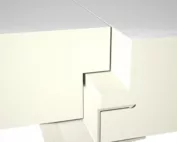
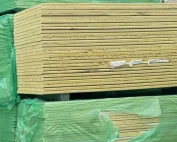
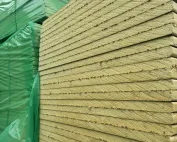
When insulation is planned, it is worth assessing PIR or another solution for the entire building envelope. The thickness, position of the insulation and moisture control must be selected together. In buildings with sandwich panels, replacing a panel requires compatibility of the interlock, parameters and dimensions. The repair should preserve the thermal, structural and fire requirements adopted for the building.
How should you prepare the decision and the scope of the commission?
Ask for a description of the roof condition, photos and identification of the causes of damage. Separate covering defects from structural and moisture problems. In the cost estimate, define the scope of demolition and how to proceed if additional damage is revealed after the roof is opened. This ensures that decisions made during the renovation are based on previously agreed rules.
The works must be planned with protection of the building against precipitation and safe access. After completion, it is worth keeping documentation and arranging an inspection of the repaired areas. A well-identified local defect argues for repair. An extensive problem involving many layers argues for a fuller renovation. In both cases, the most important thing is to remove the cause, not just to cover the trace.
7 branches. Materials closer to your project.

- SEROCK — Dzierżenin 34 E
- BŁONIE — ul. Sochaczewska 138A
- RADOM — ul. Grobickiego 8
- ŁÓDŹ — Natolin 8
- OLSZTYN — Barczewo, ul. Prosta 9
- WROCŁAW — ul. Jerzmanowska 10C
- GORZÓW WLKP. — ul. Zielona 33/34