Gutters and drainage
Preparing gutters for winter: checking outlets and joints after cleaning
In brief
Vacuuming clears loose leaves and needles from a gutter, but it tells you little about how the water drains. A winter service should cover the outlets, downpipes and joints, right through to the discharge point. Check whether water stands in the gutter after cleaning: a vacuum cannot correct the fall or repair a cracked joint. Wet leaves packed against an outlet may also need a different cleaning method. When arranging the work, agree which parts of the system the contractor will inspect.
What can be removed when vacuuming gutters?
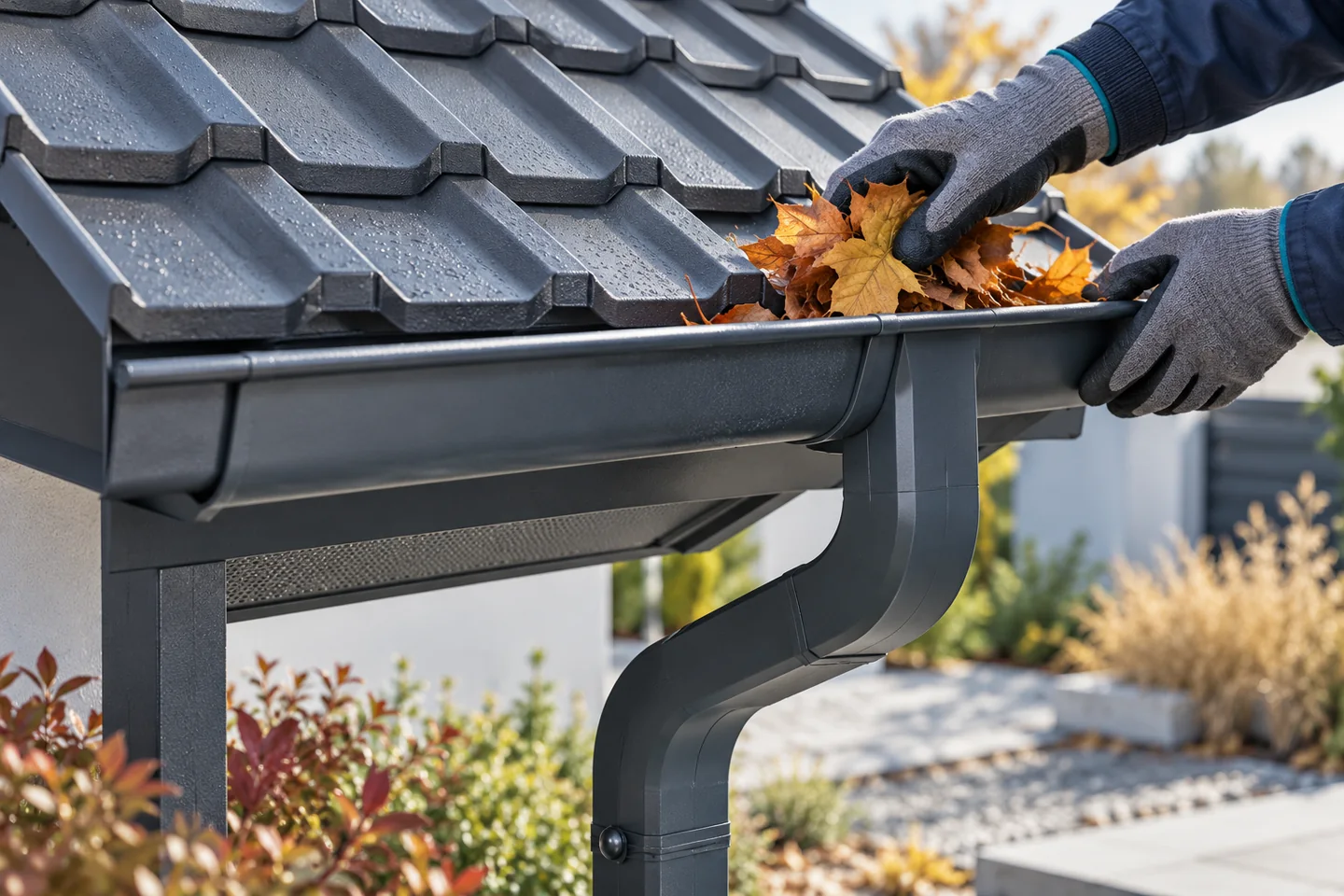
Suitable equipment helps collect leaves, needles and some loose deposits. The method can make the work easier without moving directly along the entire eaves. However, its effectiveness depends on access and the type of soiling. A compacted layer of wet leaves or deposits at the outlet may require a different removal method.
After cleaning is finished, the result should be assessed rather than assumed on the basis of the device’s operating time. Corners, connectors and the areas around outlets are important. Debris must not merely be pushed towards the downpipe. Tools that could scratch the coating of a metal gutter or damage delicate connection components should also be avoided.
Why must the downpipes be checked?
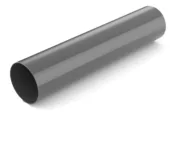
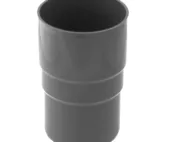
A clear gutter will not drain water if the blockage is in the outlet or the vertical pipe. A sign of this can be overflowing during rain despite leaves having been removed from the horizontal section. The check should include the bends and the lower end of the system. Where there is a connection to an underground installation, access to the designated inspection point is also needed.
If there is a rainwater gully with a basket under the downpipe, this component must be checked and cleaned. The collected debris should not pass further into the pipe. The gully is not automatically a safeguard against water backing up. If the problem lies further along in the installation, cleaning the basket alone may improve the situation only briefly.
What does standing water in the gutter indicate?
After the rain has stopped and blockages have been removed, it is worth assessing the drainage. Clear standing water may indicate a problem with the geometry, the position of the outlet or sagging of a section of gutter. The brackets should not be adjusted straight away to a random slope value. The correct solution follows from the instructions for the specific system and the layout of the eaves.
Overflowing may also indicate an unsuitable choice of cross-section or number of outlets for the drained area. The position of the downpipes and the rainfall intensity adopted in the calculations are also significant. A clean system with insufficient capacity will still cause problems. A recurring issue therefore needs to be assessed more broadly than merely as a result of leaves being present.

How to check the connections and fastening?
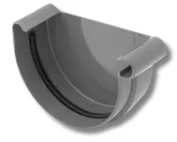
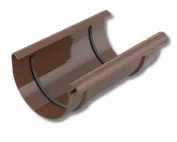
It is worth inspecting the connectors, seals, end caps, corners and outlets. Traces of seepage below a connection may indicate where tightness has been lost. Applying sealant on the outside is not always sufficient. The system requires adherence to the installation principles and allowance for thermal movement. Blocking a component that should move can cause further stress.
The inspection also covers brackets and pipe clamps. Any play, deformation or corrosion requires the cause to be established. The gutter should not serve as a support for a ladder or as an anchorage point for equipment for work at height. An inspection from a difficult-to-access location should be organised with appropriate safeguards and entrusted to a person prepared for such work.
Do leaf guards solve the problem?
A mesh or guard can limit the entry of larger leaves into the gutter if it fits the system. It does not, however, remove the need for inspections. Fine debris may still accumulate inside, and leaves retained on the guard may impede the flow of water. The method of cleaning and access to the joints after fitting an additional element must be checked.
When choosing a guard, it is worth assessing the nearby trees and the actual type of debris. Large leaves create a different problem from fine needles or deposited dust. Not every guard will be equally effective in every location. It is advisable to observe the drainage during rainfall from a safe place and to react to overflow before marks appear on the façade.
How should you finish preparing the gutters for winter?
After cleaning, the flow along the entire water path must be confirmed and any damage found must be repaired. Also check the roof outlets and the areas at the eaves from which debris may re-enter the gutters. If trees grow around the house, a one-off clean at the beginning of autumn may not be enough. The date of the next inspection is worth aligning with the end of leaf fall.
Bear in mind that clear gutters do not remove the risks associated with sliding snow or heavy icing. These matters require a separate assessment of the roof and its safeguards. Vacuuming is therefore part of preparing for winter. A full effect is only achieved by combining cleaning, a tightness check, a check of the fixings and proper drainage of water away from the building.
7 branches. Materials closer to your project.

- SEROCK — Dzierżenin 34 E
- BŁONIE — ul. Sochaczewska 138A
- RADOM — ul. Grobickiego 8
- ŁÓDŹ — Natolin 8
- OLSZTYN — Barczewo, ul. Prosta 9
- WROCŁAW — ul. Jerzmanowska 10C
- GORZÓW WLKP. — ul. Zielona 33/34