Renovation and maintenance
The autumn roof check: what to look for before temperatures drop
In brief
An autumn roof inspection is best planned before the first frost makes its condition harder to assess. Begin by viewing the building from the ground and from safely accessible places, and only then commission a more detailed check by a contractor. The key decision is which signals — shifted flashings, damaged gutters or marks on the façade — call for immediate action and which can simply be noted for the next inspection. Photographs from the previous check make it easier to point out changed areas. On that basis, set the scope of work and the order of repairs before winter.
Where should the autumn inspection start?
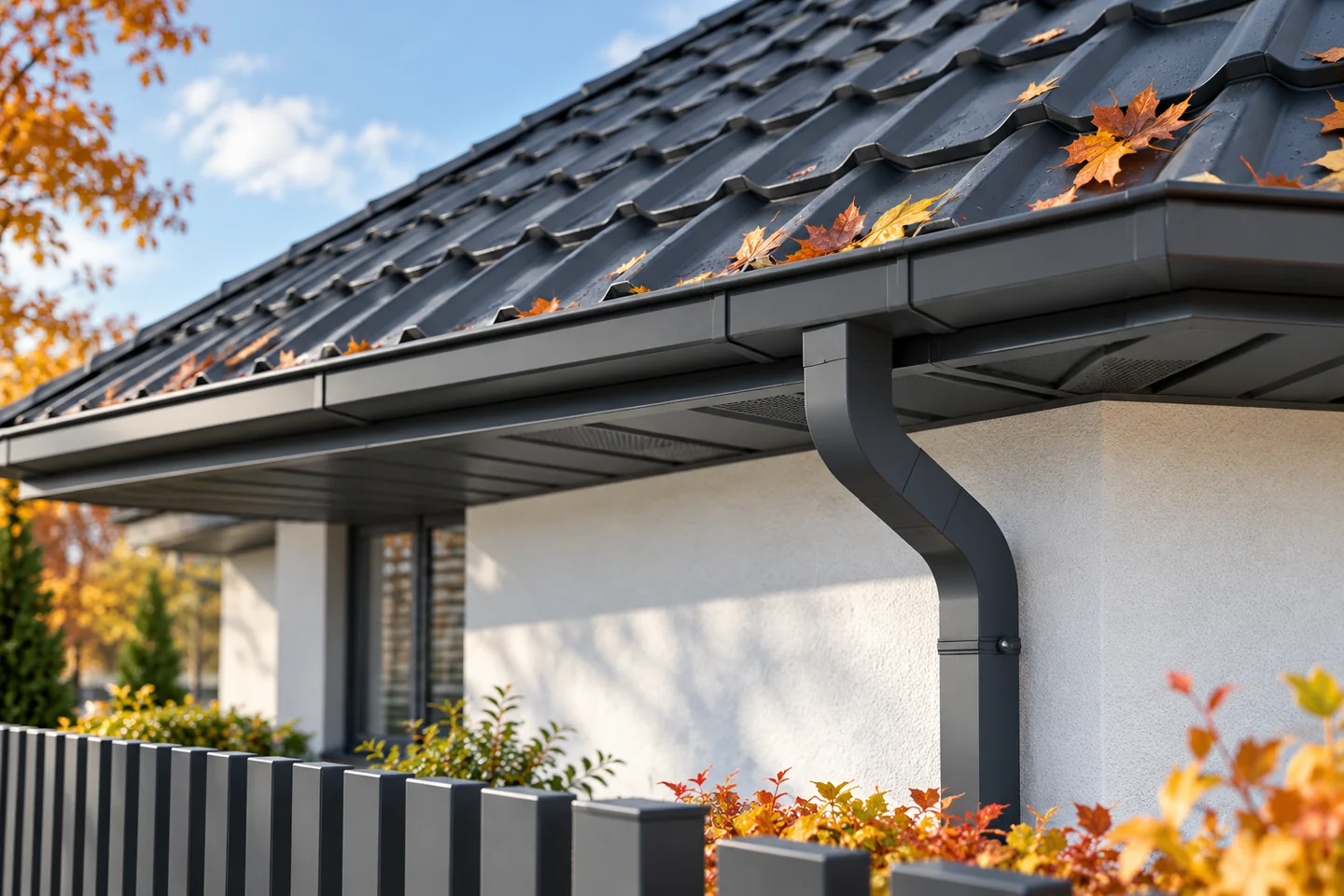
First, inspect the building from the ground and from safely accessible positions. Look out for displaced flashings, damaged gutters and unusual marks on the façade. Photographs from the previous inspection are helpful. If something has shifted position or changed appearance, it is easier to point the contractor to the specific area that requires closer examination.
A full inspection of the covering should be carried out with appropriate safety measures. Wet sheet metal and fallen leaves make moving around on the roof difficult. It is not worth postponing the inspection until the first icing. When arranging the work, provide information about the type of covering, the age of the roof and previous repairs so that the necessary equipment can be prepared.
Does water have a clear path to drainage?
Gutters, downpipes and roof valleys must be checked. Leaves can hold back water even when the gutter looks empty from below. Connections, outlets and the points where they connect to the rainwater system are important. The drainage should work along its entire length. Cleaning only the horizontal gutter will not clear a blockage further along.
On a flat roof, the inspection covers the drains and the designated emergency overflows. The areas around parapets and places where debris accumulates must be checked. Protective drainage elements must not be removed without understanding their function. After cleaning, it is worth assessing whether the water reaches the intended place and whether worrying damp marks appear on the façade or near the foundations.
How should the roof covering and flashings be checked?
On sheet metal, look out for scratches, dents, left-over swarf and the first signs of corrosion. The areas around the chimney, roof valleys and other penetrations must be inspected. Damage in one of these places can cause a leak visible further away from its cause. The point of the damp patch on the ceiling does not always indicate the exact location of the leak.
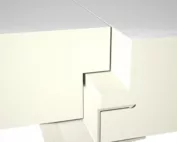
The contractor should assess the condition of the fastenings and seals without randomly tightening all the screws. Excessive pressure can also be a mistake. In sandwich panels, the panel joints and the flashings closing their edges are important. Any corrections should be carried out with materials compatible with the coating and the mounting system, not with a universal compound used for every gap.

What should be checked in the attic and from inside?
Inspect the accessible parts of the structure, the areas around windows and the service penetrations. Fresh damp marks, wet insulation, a smell of moisture and signs of condensation are worrying. Rainwater must be distinguished from condensation. Their causes and repair methods are different. Sealing the covering will not help if the problem stems from a leaky layer on the interior side.
It is worth checking that the intended roof space ventilation is unobstructed. The inlet at the eaves or the outlet at the upper part of the roof should not be accidentally blocked. After installation work, check whether the membrane and seals have been damaged. This also applies to roofs with PIR, where continuity of insulation and tightness of joints remain important despite the good parameters of the panel itself.
Are the accessories ready for winter?
The inspection covers the snow guard bars, steps, snow retention systems and their fixings. Any looseness or deformation requires assessment before the next season. Do not wait until a component starts to carry snow load. With new installations on the roof, check whether the existing snow retention layout still matches the geometry of the roof slope and the areas requiring protection.
Snow retention does not remove the obligation to monitor the roof load. Retained snow still weighs, and drifts may be distributed unevenly. Likewise, clear gutters do not guarantee that icing will not occur. The inspection is meant to reduce known causes of problems and prepare a response plan, not to promise a complete absence of risk during winter.
What should be recorded after the inspection?
Commission a description of the defects with their location, photos and the proposed method of repair. Separate matters requiring immediate action from those to be observed at the next inspection. If the repair is covered by a warranty, keep the documents and agree the next steps before interfering with a larger section of the roof. This makes it easier to clarify the scope of responsibility.
After the work is completed, it is worth confirming that dirt has been removed and that the drains are working. Record the inspection date and the repair materials used. A regular autumn inspection is particularly helpful for roofs with many details and trees growing nearby. The greatest benefit comes from carrying out the necessary repairs when conditions allow them to be done thoroughly.
7 branches. Materials closer to your project.

- SEROCK — Dzierżenin 34 E
- BŁONIE — ul. Sochaczewska 138A
- RADOM — ul. Grobickiego 8
- ŁÓDŹ — Natolin 8
- OLSZTYN — Barczewo, ul. Prosta 9
- WROCŁAW — ul. Jerzmanowska 10C
- GORZÓW WLKP. — ul. Zielona 33/34