Panel cladding
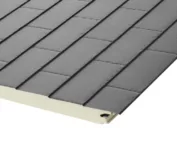
Will a 100 mm white PIR sandwich panel, 2480 mm long and sold as second grade, fit your refurbishment?
In brief
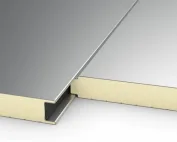
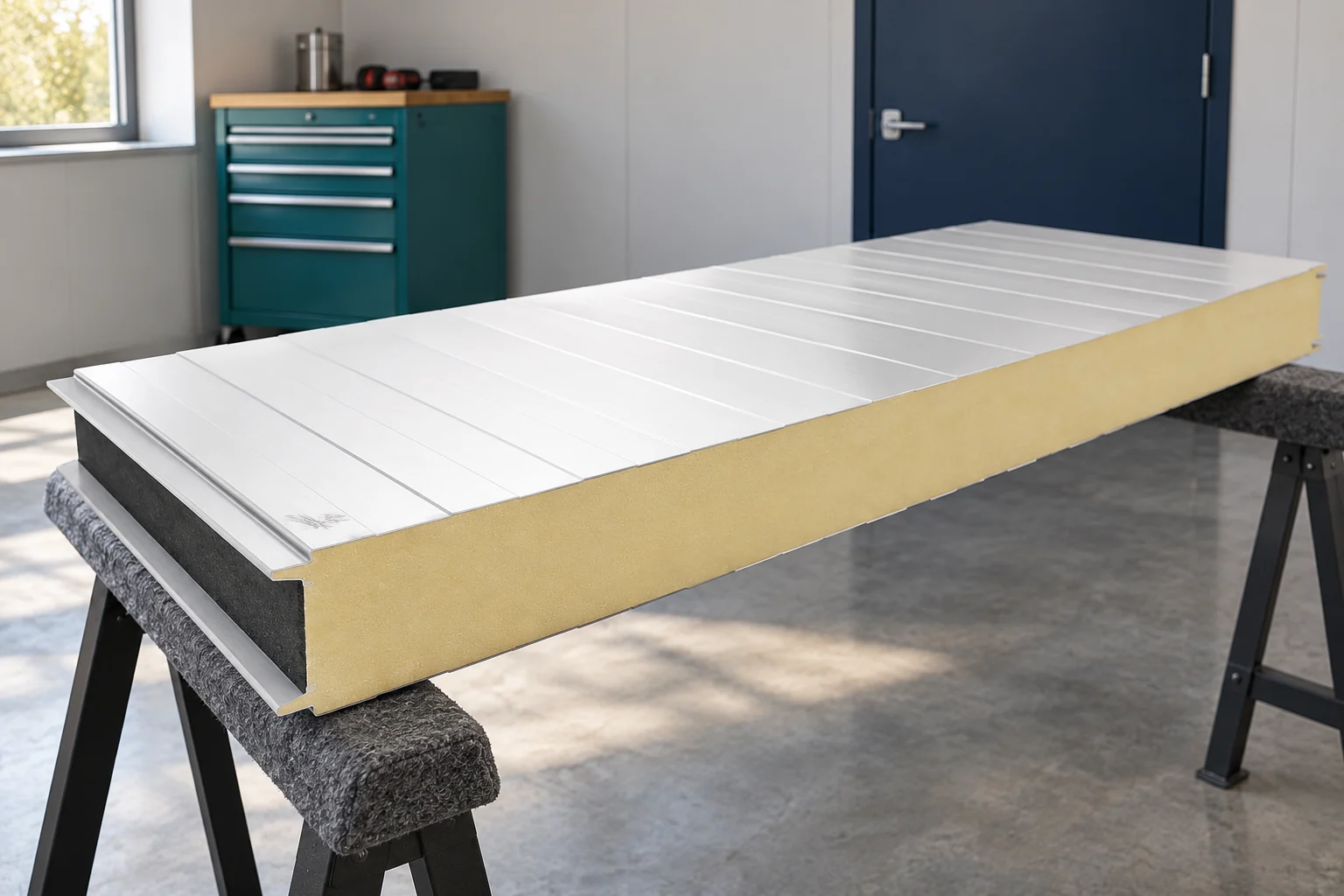
A white PIR sandwich panel 100 mm thick can suit a small room or a repair to existing cladding. Check its 2480 mm length against the actual support positions, and ask why the panel is sold as second grade. Colour and core thickness alone cannot establish whether it will fit. PIR identifies the core material and 100 mm is the nominal thickness. The panel is 2.48 m long, not 2.50 m: that two-centimetre difference can matter when filling an existing bay. Check the cover width, fixing method and joint profile as well.
What exactly does such a panel description mean?
White is not a full description of the facing. Check the colour number, gloss, profiling and type of coating on both sides. In a building with elevated humidity or a particular cleaning method, this data is as important as the insulation thickness.
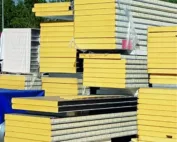
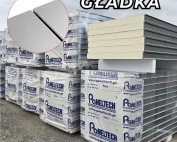
We describe a possible material configuration, not current stock. Availability, quantity and their condition must be confirmed for the specific batch. At outlets, similarly named items may have different defects and dimensions.
How to check the fit against an existing wall?
Measure the area between the resolved bottom and top details. Allow for the panel bearing, required gaps and flashings. The room height is not automatically the length of the panel to be ordered. Nor should you assume that missing centimetres can be made up with a random strip of foam.
Check the installation direction and the position of the supports. If the panel is to be used horizontally, the 2.48 m length must be related to the structural spacing and the method of end connection. For vertical installation, the bottom and top supports are important, and sometimes intermediate ones as well.
Do not join locks based only on similar appearance. A different panel family may have a different geometry. When replacing a single element, compatibility with the remaining enclosure or a designed transition is required. Matching the white does not solve this problem.
How to calculate coverage, weight and number of pieces?
With an example module of 1130 mm, one panel 2480 mm long covers 1.13 × 2.48 = 2.8024 m². With a module of 1000 mm it would be 2.48 m². This difference affects the number of pieces and the price of the whole order. Use the actual coverage, not the overall width, for calculations.
For an example 100 mm variant weighing 12.3 kg/m², the first of these panels weighs approximately 34.5 kg. This is an indicative value derived from the given data. The weight depends on the configuration, including the thickness of the facings. It must be taken into account when planning handling.
Draw the wall before purchase. Eight such panels with a module of 1130 mm give a total modular area of approximately 22.42 m². This does not mean that every layout with such an area can be covered without waste. Openings, cuts and the width of the last field can change consumption.

How to assess second grade?
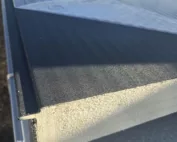
Ask for a description of the nonconformity and inspect both sides of the element. A cosmetic scratch on a less visible surface has a different significance than a crushed lock. Check for detached facings, corrosion, edges and signs of moisture. Damage does not disappear just because the price is lower.
Determine which parameters can be confirmed for a given batch. If the application requires a specific load-bearing capacity or fire resistance, the relevant data are needed. They should not be assumed from a similar first-grade panel without checking the scope.
The possibility of cutting off the defective end must be calculated. After shortening, the panel may no longer fit the field. The cost per useful metre then includes waste and labour. Inspection should therefore take place together with cutting, not only after paying for the entire batch.
How should delivery and handover be prepared?
Before removing the old element, have the panel, flashings and seals ready. Check the structure into which the new panel will go. If corrosion or deformation is revealed after exposing the supports, it must be assessed before closing the wall.
Cut with the correct tool cold and remove swarf. Protect the white coating when carrying across the site. After installation, check the closure of the perimeter and the conformity of details with the remaining enclosure. An accidental layer of sealant on a visible gap is not a complete solution for the joint.
Keep the batch data and photos of the condition before installation. For later replenishment, it will be easier to determine what to look for. If the batch is one-off, check immediately the required number of elements and a justified reserve.
A short panel also requires appropriate transport. Do not lay it loose on sharp elements and do not press it with a strap without edge protection. Damage during transport can negate the savings from the outlet purchase.
Short answers from the site
Is a length of 2480 mm sufficient for a wall 2500 mm high?
This cannot be settled by comparing these figures alone. A detail of the support and terminations is needed. Do not assume that the missing 20 mm can be filled arbitrarily.
Will the white second-grade panel be invisible after replacement?
This depends on the coating, the shade and the condition of the old wall. Before buying, compare a sample and accept any difference in appearance.
7 branches. Materials closer to your project.

- SEROCK — Dzierżenin 34 E
- BŁONIE — ul. Sochaczewska 138A
- RADOM — ul. Grobickiego 8
- ŁÓDŹ — Natolin 8
- OLSZTYN — Barczewo, ul. Prosta 9
- WROCŁAW — ul. Jerzmanowska 10C
- GORZÓW WLKP. — ul. Zielona 33/34