Insulation and water exposure: comparing PIR, EPS, XPS and mineral wool documentation

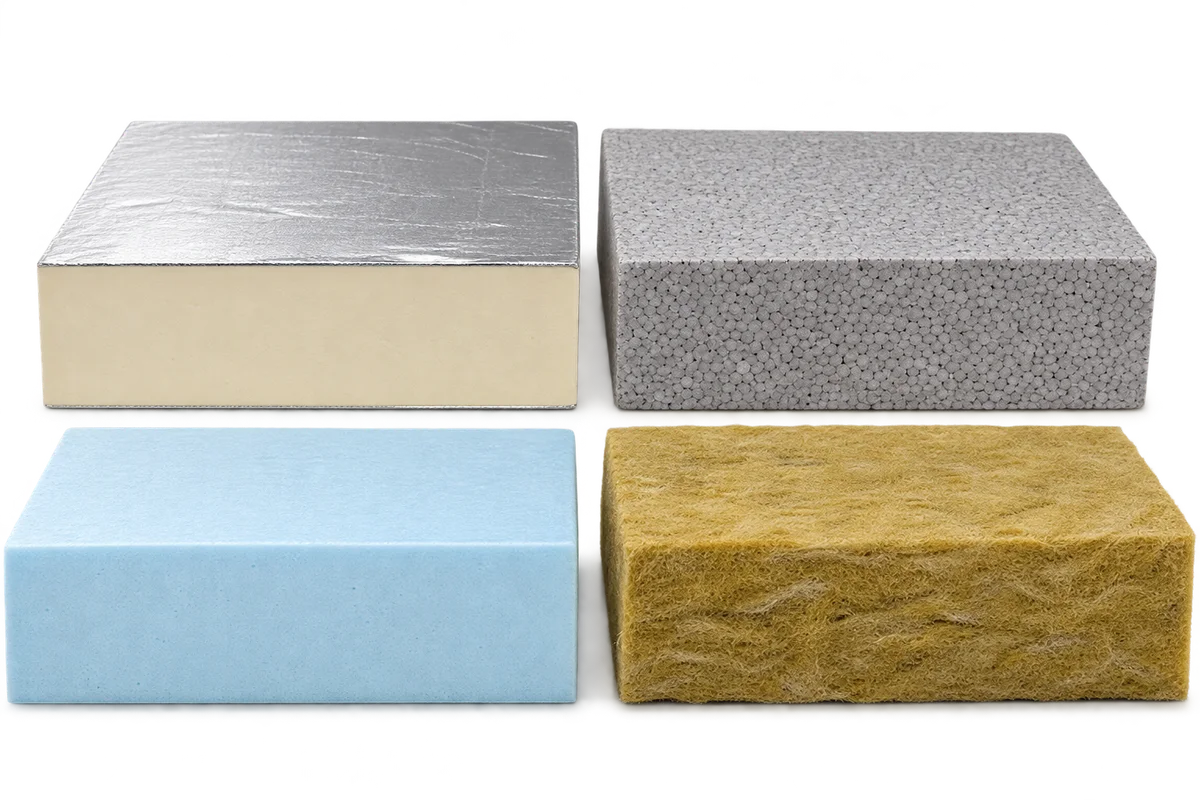
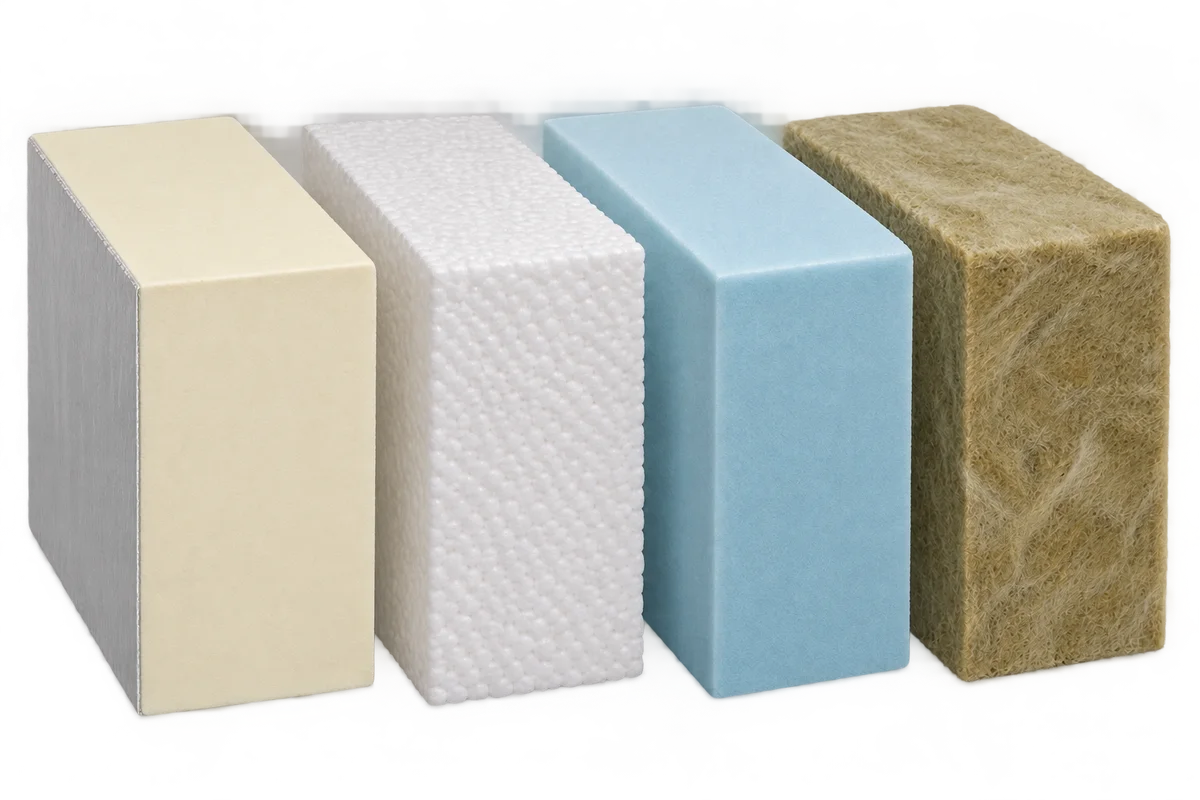
Comparing PIR, EPS, XPS and mineral wool for moisture exposure starts with identifying what the insulation will encounter. Rain during storage, water at a building element and water vapour inside a building call for different questions. Neither a material name nor a single absorption percentage is enough to select a product. You need the exact product’s data, the test description and the requirements of its proposed application. This guide helps organise documents before purchase: separate service conditions from site incidents, identify results that cannot be compared directly and prepare questions for the designer or supplier. It does not replace waterproofing design or assessment of boards that have already become wet.
By |2026-11-09T16:35:19+01:002026-11-09|Blog, Uncategorized|Comments Off on Insulation and water exposure: comparing PIR, EPS, XPS and mineral wool documentation

Ventilation in an insulated home: how to plan system maintenance

Ventilation in an insulated home needs operation and maintenance suited to the installed system. PIR boards reduce heat flow through the building fabric but do not remove moisture from room air. Air exchange relies on the designed supply and extract paths. Clear components, appropriate settings and maintenance also affect performance. This guide outlines a practical upkeep plan: identifying equipment, providing filter access, dividing tasks between occupants and technicians, and checking the system after renovation. Cleaning methods and intervals must come from the instructions for the actual equipment. Not every installation has heat recovery, and one model's recommendations are not a maintenance schedule for every home.

By |2026-11-10T02:49:50+01:002026-11-09|Blog, Uncategorized|Comments Off on Ventilation in an insulated home: how to plan system maintenance

Can PIR insulation be combined with mineral wool, EPS or XPS?

Different insulation materials can work together in one building element when each solves a specific problem. PIR can keep the build-up thin, mineral wool can contribute to fire protection or acoustics, and XPS suits certain applications exposed to moisture and compressive loads. The order of the layers, how they interact and the details of their installation determine whether the combination works. Adding their thermal resistances is not enough. In a roof retrofit, serviceable insulation can often stay in place while a new layer improves the whole assembly. In a floor, thermal insulation and a resilient layer for impact sound have different jobs. Combining materials is a design decision.

By |2026-11-09T07:12:14+01:002026-11-09|Blog, Uncategorized|Comments Off on Can PIR insulation be combined with mineral wool, EPS or XPS?

PIR or XPS for a flat roof: what determines the choice during renovation?

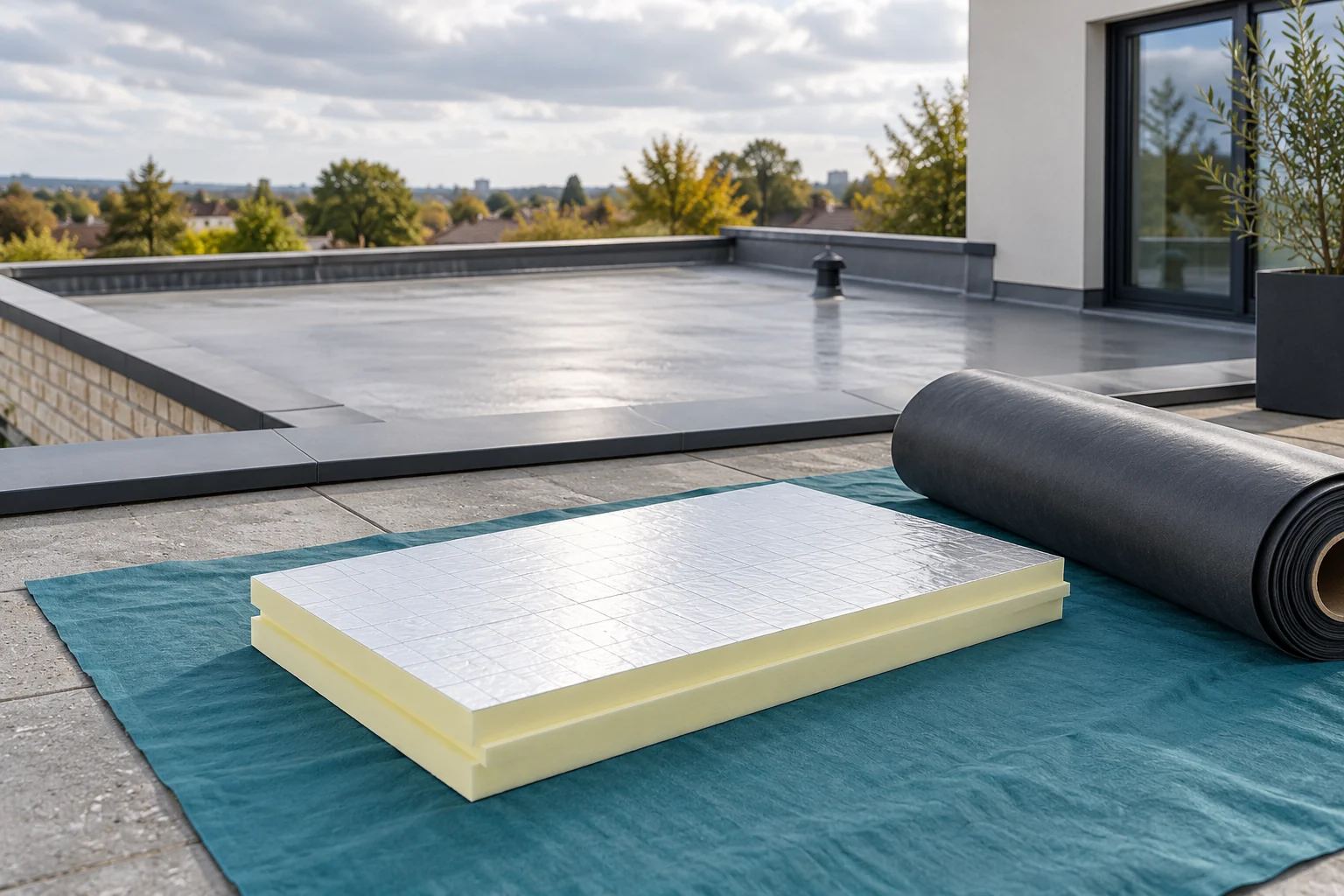
On a flat roof, the layer build-up is chosen first, and only then the specific insulation. PIR under the waterproofing and XPS in an inverted roof perform under different conditions. Comparing price or lambda alone overlooks this difference. During renovation, the condition of the old roof, the height of the outlets and the feasibility of the details are equally important. In a traditional roof build-up, the thermal insulation sits beneath the water-protecting layer. Suitable PIR boards are used in such systems with a membrane or roofing felt. The facing, the method of fixing and the remaining layers must be matched to the overall solution.

By |2026-11-14T11:12:51+01:002026-04-21|Blog|Comments Off on PIR or XPS for a flat roof: what determines the choice during renovation?

Where do EPS, XPS and PIR insulation belong in a building?

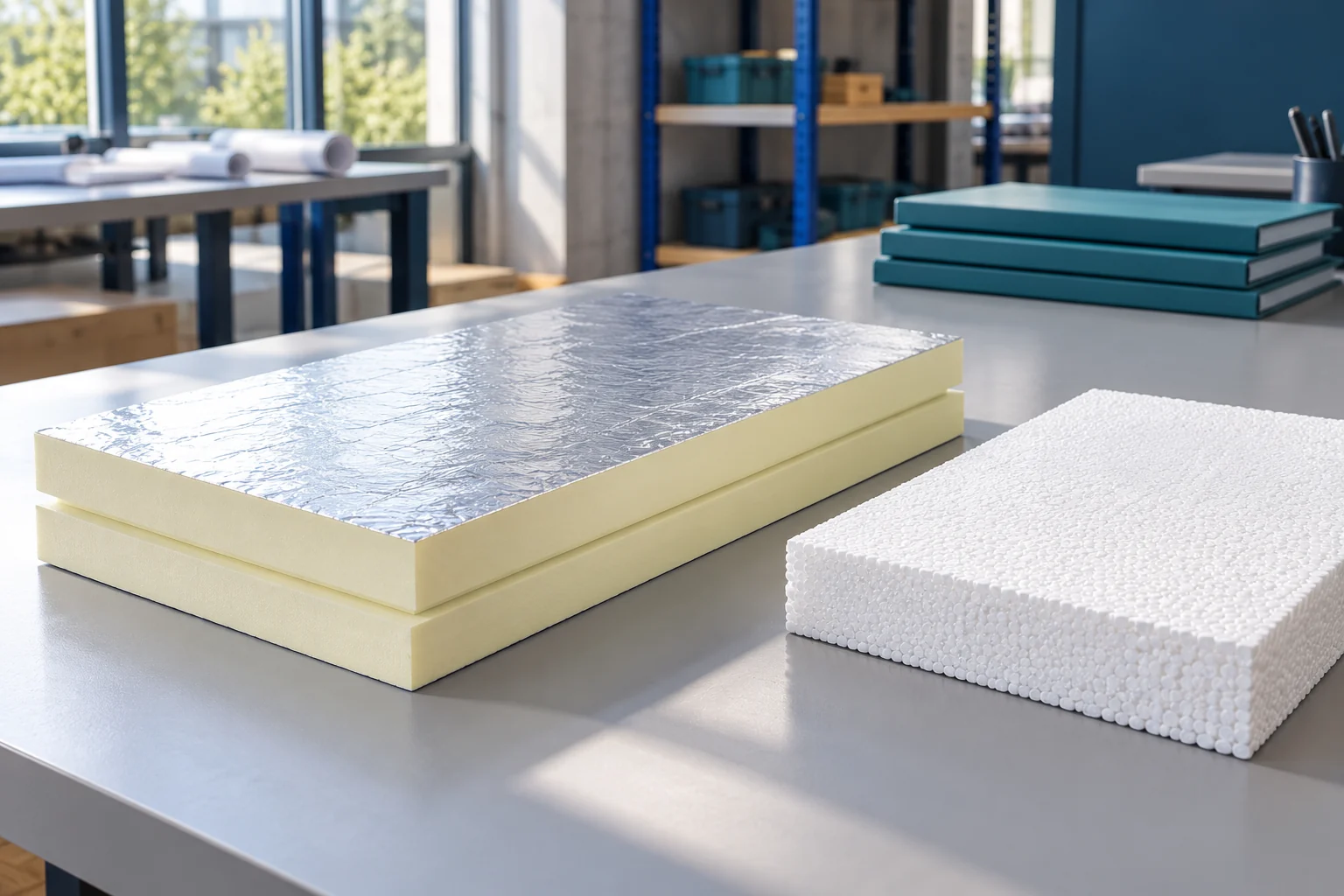
The choice of insulation should be determined by the conditions in which it works. A wall under render, a floor and an inverted roof need different properties. EPS, XPS and PIR are therefore not three names for the same solution. It is worth first describing the task, and only then comparing the thickness, price and method of installation of specific boards. EPS is expanded polystyrene. Its structure consists of bonded granules. XPS is produced by extruding polystyrene and has a compact structure of fine cells. PIR is a different type of rigid foam, often offered with facings selected for the application. Colour alone does not determine the parameters.

By |2026-11-14T14:20:21+01:002025-04-12|Blog|Comments Off on Where do EPS, XPS and PIR insulation belong in a building?

PIR boards compared with EPS, XPS and mineral wool

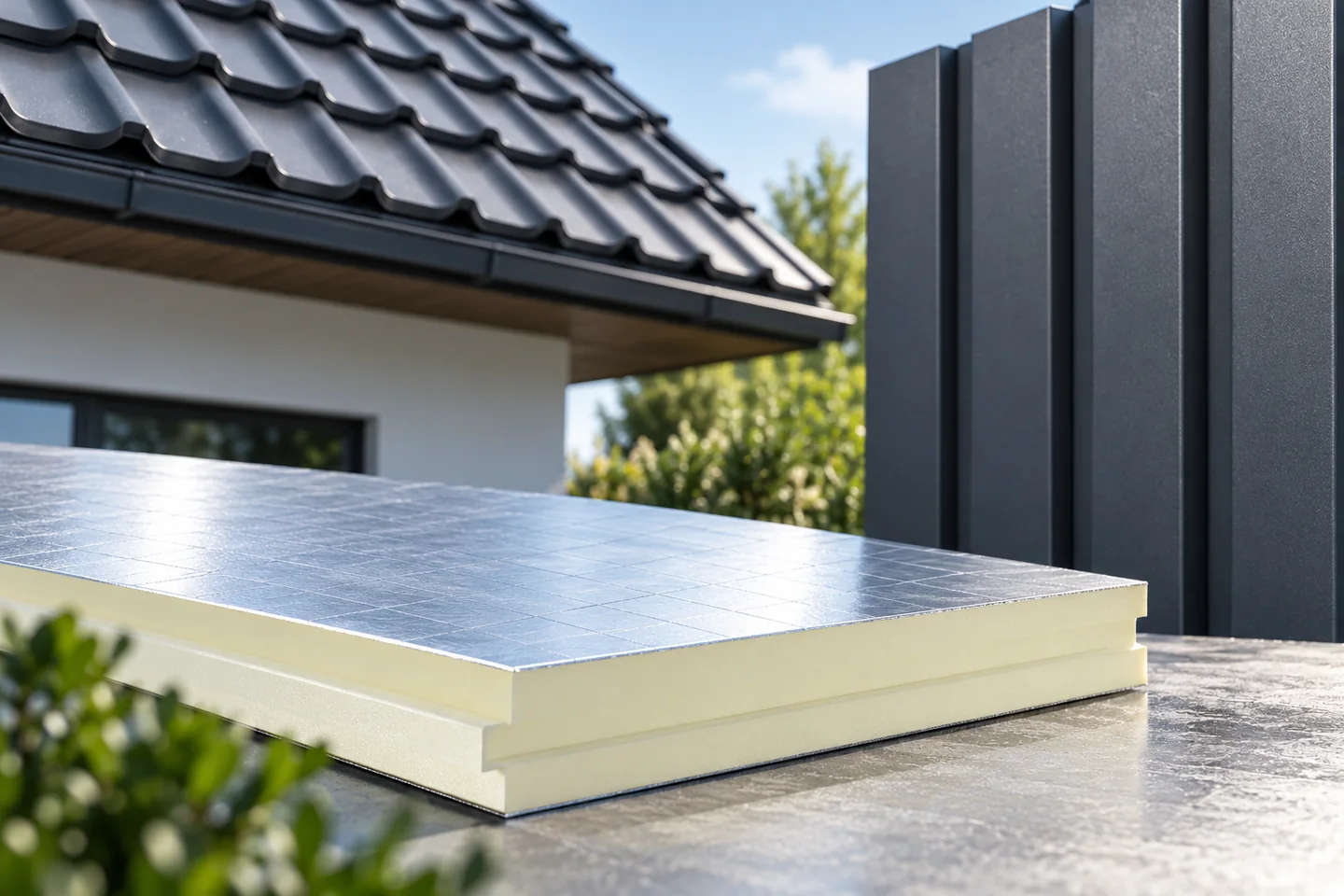
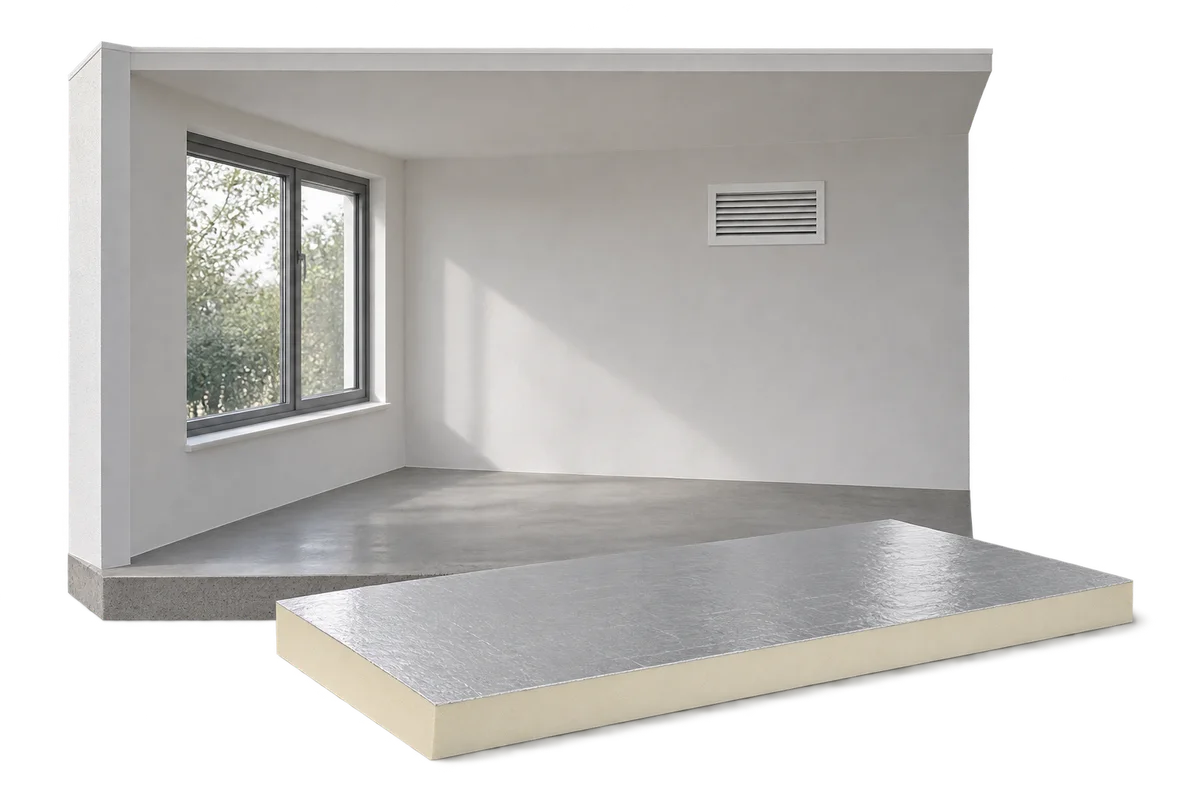
PIR boards stand out for achieving high thermal resistance at a relatively small thickness, which matters in attics, at thresholds and in renovated roofs. This does not mean they are superior in every application, so the comparison should begin with the declared thermal conductivity, lambda. Check whether the value applies to the specific board variant rather than the whole material group. Where space is limited, calculate the full scope of works, not just the insulation cost, and compare materials with similar thermal resistance that are suitable for the same location.

By |2026-11-15T00:57:26+01:002022-01-09|Blog|Comments Off on PIR boards compared with EPS, XPS and mineral wool
Back to top