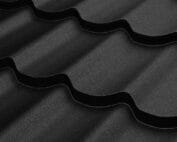
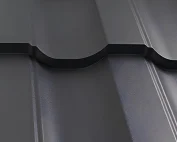
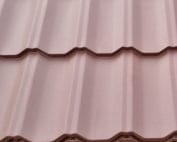
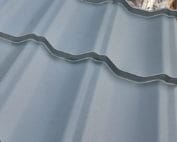
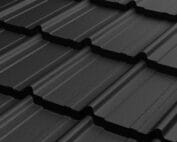
Tile-effect metal roofing
One module or two per sheet: choosing tile-effect metal roofing
In brief
In Poland, the choice between single- and double-module metal roof tiles depends primarily on the roof geometry and how installation is organised, not on the number of modules alone. Check the actual length and coverage area for the specific system, because the overall dimension also includes the part needed for the joint. Before buying the larger panel, compare on a roof drawing the number of cuts, the handling method and the packaging. Bear in mind that width, wave shape and fixing requirements can differ even with the same number of modules.
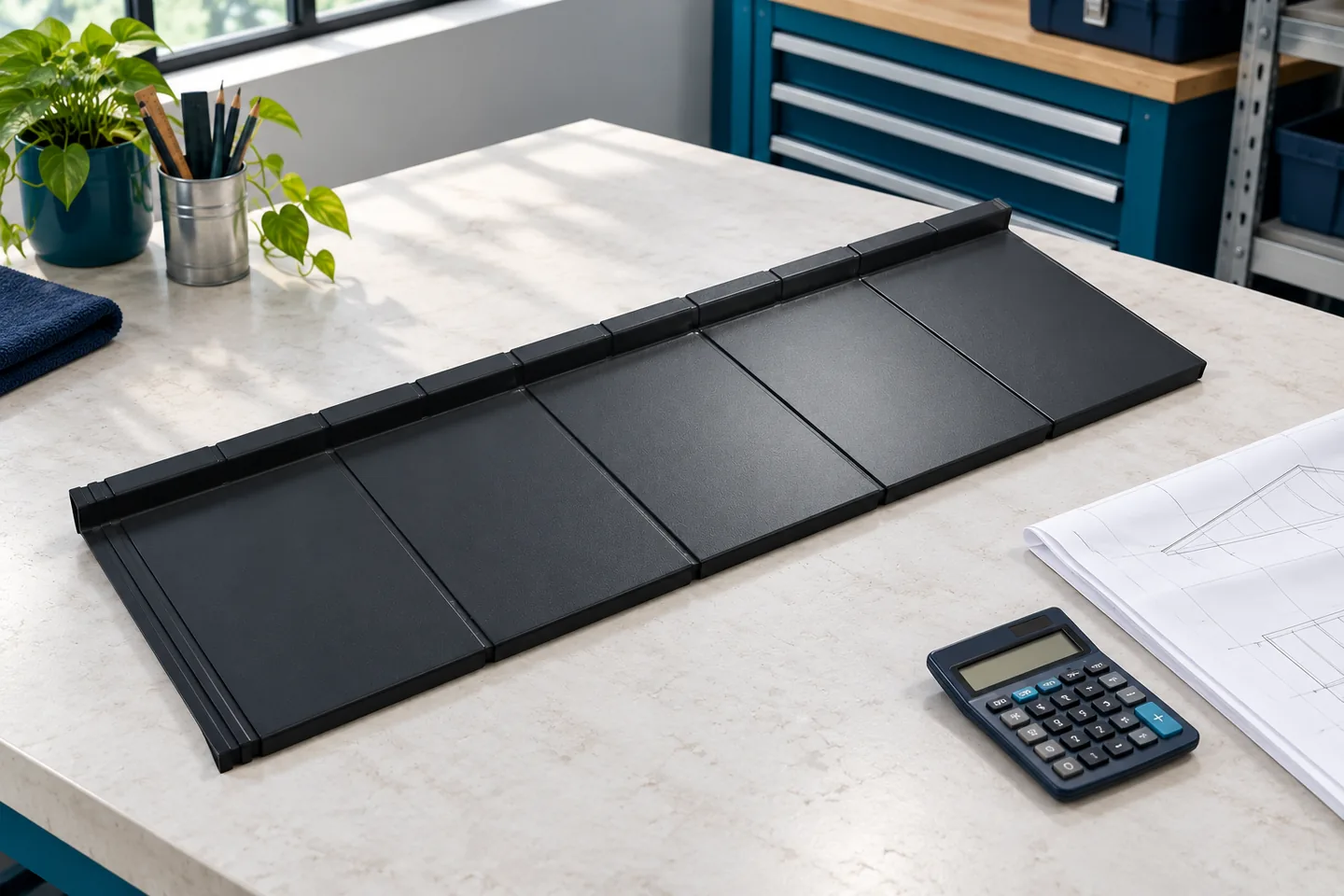
How to read the number of modules
A module is a repeatable section of the profile between the ribs along the slope. A single-module panel covers one such section, a two-module panel two. The overall dimension also includes the part needed for the joint. The actual length and coverage area depend on the specific system. Products should not be compared solely on the basis of the format name.
Width, rib height and wave shape can differ even with the same number of modules. If you want to assess only the effect of length, compare variants with as similar a specification as possible. Otherwise the result will also depend on the coating, steel, effective width and geometry, which makes a reliable comparison difficult.
What changes in transport and handling?
A smaller panel is handy on a tight site and when handling by hand. A two-module panel covers a larger area with one piece, so it may mean fewer operations during installation. In both cases the edges and coating must be protected and safe access planned. The difference in format does not remove the requirements for working at height.
Also check the packaging method and the quantity per pack. An order cannot always be settled as any number of individual panels. The storage location and the installation date are important. Wet sheets should not be left in a sealed pack. The instructions for the specific product set out the requirements regardless of whether the panel has one or two modules.
Which format makes better use of the material?
With numerous valleys and corners, a short panel can make it easier to plan the cut pieces. However, it does not guarantee less waste in every project. Width, installation direction and the possibility of reusing a fragment matter. On a regular slope, a larger panel often lays out clearly and without particularly difficult planning.
The best answer comes from a comparison for both variants. Ask for the number of pieces, the purchased area and the coverage area. See where the cut pieces will arise. It is not enough to compare a general percentage of losses given for another house. The geometry of your roof can shift the result in either direction even with a very similar roof area.

Are the installation rules identical?
Both formats require a substrate in accordance with the profile documentation. The batten spacing and the starter detail must not be chosen by eye. Differences may relate to the hole pattern, the fixing zones and the way the panels are joined. Before work, the installer should check the instructions for the specific variant, even if they know another tile-effect metal roofing product in the same category.
A larger number of panels means more joints, but correctly designed laps are a normal part of the system. A simple conclusion of poorer tightness should not be drawn from this. More important is maintaining the geometry, correct fixing and execution of details. An incorrectly positioned panel of any format can cause problems in subsequent rows.
How to compare cost and quality?
Convert the unit price into a price per metre of effective coverage. Then take into account the actual number of panels, flashings, fasteners, transport and labour. If the small panel is more expensive per metre, the benefit from offcuts may reduce part of the difference. If the roof is simple, the larger format may give a more favourable result. This has to be calculated for the project.
Durability results from the quality of the steel, the coatings, the environment and the workmanship. One module does not automatically mean a higher-class product. Read the scope of the warranty, the maintenance conditions and the repair requirements. The comparison should cover the full specification. The appearance of a sample alone or the number of ribs does not allow the anti-corrosion protection to be assessed.
How to decide without guessing?
Prepare a roof plan and ask the contractor to assess both variants. Point out the restrictions on access, delivery and storage. Check the availability of the required colour and accessories. It is also worth viewing a larger section of the laid covering. A small sample does not show the rhythm of the divisions across the whole roof slope and the way light is reflected.
Choose the format that gives the best overall result for material and installation. On a difficult roof, the smaller panel may make the work easier, while on a regular one the larger panel may reduce the number of operations. Both solutions can be correct. The most important thing is that the decision results from the actual dimensions and a complete quote, and not from the belief that one number of modules is always better.
7 branches. Materials closer to your project.

- SEROCK — Dzierżenin 34 E
- BŁONIE — ul. Sochaczewska 138A
- RADOM — ul. Grobickiego 8
- ŁÓDŹ — Natolin 8
- OLSZTYN — Barczewo, ul. Prosta 9
- WROCŁAW — ul. Jerzmanowska 10C
- GORZÓW WLKP. — ul. Zielona 33/34