Renovation and maintenance
Getting a roof through winter: drainage, ventilation and checks after a thaw
In brief
First decide who will respond in winter to a leak or wind damage, and only then plan the inspection. Check that gutters, outlets and drains flow freely, along with the condition of flashings and access to the roof hatch. Before frost, remove identified faults, because low temperature and wet substrates can prevent a durable repair. Also inspect accessible attic areas and ventilation to catch dampness. For snow, do not assume a universal safe layer thickness — its mass depends on the structure and conditions. Plan roof observation and safe servicing of equipment.
Which works should be completed before frost?
Identified leaks, damaged flashings and fixing problems are dealt with first. Waiting for winter can make it harder to dry the repair area and to use the necessary materials. Every product has specified conditions of use. Low temperature, a wet substrate or icing can prevent a durable bond being made in accordance with the instructions.
The inspection should cover the roof as a whole, not just the visible slope. Roof valleys, chimneys, windows and the mounting points of installations are important. After the works, swarf and waste that could retain water or damage the coating must be removed. With tile-effect metal roofing and trapezoidal steel sheet, it is also worth checking the condition of the edges and of previously repaired areas.
How to prepare drainage?
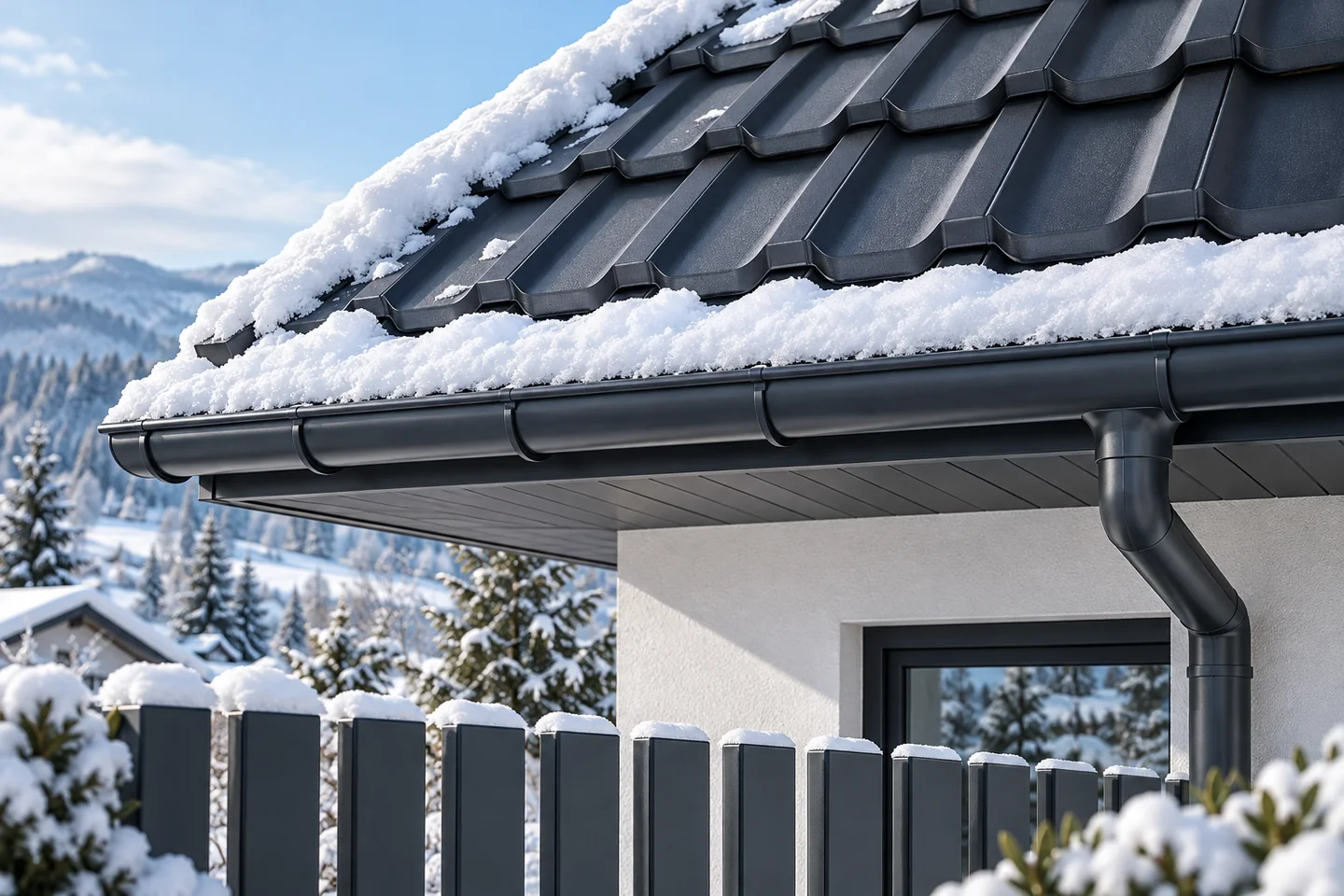
Gutters, downpipes and outlets must be clear. Leaves left at the outlet can create a blockage during the next rainfall. The check also covers silt traps and the further path of the water where the pipes connect to the underground system. A clean horizontal gutter section is not enough when the problem lies further down.
On a flat roof, the outlets and the designated emergency overflows must be checked. No contamination or loose objects should accumulate around them. In the case of recurring icing, it is worth looking for the cause in the geometry, the water flow and the thermal balance of the roof. Additional anti-icing solutions require selection for the specific building, not random installation.
What to check in insulation and ventilation?
Before winter, it is worth inspecting the accessible parts of the attic. Stains, damp materials and a musty smell require clarification. It must be checked whether warm, humid air is passing through gaps into cold parts of the roof. This applies in particular to installation penetrations, roof hatches and the junctions of layers at walls.
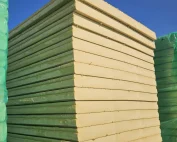
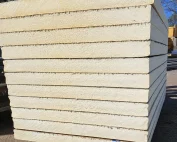
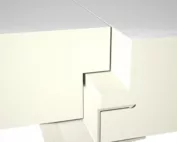
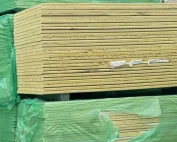
The insulation should form a continuous layer, but must not inadvertently close the designed ventilation gaps. With PIR, the joints between boards and the compatibility of the facings with the whole system are important. In sandwich panels, the panel joints and corner details are checked. Dampness may result from condensation, so sealing the outer surface alone is not always the right repair.

How to approach snow on the roof slope?
Snow constitutes a load on the structure, and its mass depends on its condition and water content. There is no single layer depth that would be safe for every roof. The design, local drifts, wind redistribution and previous loads all matter. In buildings with large roof areas, a method of observation is needed that corresponds to the documentation and the conditions of use.
Snow guards reduce the risk of sliding, but the retained mass still remains on the roof. Before the season, their condition and fixing must be checked. If snow clearing becomes necessary, it should be carried out by a prepared contractor. The wrong sequence of snow removal can change the load distribution, and tools can damage the covering.
How to organise safe winter servicing?
Establish who will respond in the event of a leak, wind damage or a problem at the chimney. Check access to the covering documentation and the contractor’s details. It is worth knowing the location of the roof hatch and the requirements of the roof access system. Walkways and steps do not automatically become anchor points for fall protection equipment.
Do not go out onto an icy roof just to take a quick look at a defect. First, secure the affected area by the building and arrange a proper inspection. Photographs taken from a safe location can help determine the urgency of intervention. An emergency repair should limit the damage, and once conditions improve, the need for a permanent removal of the cause must be assessed.
What to check during the season and after the thaw?
After strong wind or heavy precipitation, it is worth checking whether the position of flashings and accessories has changed. Observe water drainage during thaw and new traces inside the building. Water from melting snow can reveal a problem that was not visible during a short rain. Any recurring dampness deserves investigation.
After winter, it is good to compare the condition of the roof with the documentation from the autumn inspection. Check the fixings of the snow guards, the coating and the drainage. Preparing for winter therefore does not end with a single gutter cleaning. It forms a sequence of actions: inspection, necessary repairs, observation in difficult conditions and assessment after the season. This makes it easier to react before a defect spreads to further layers.
7 branches. Materials closer to your project.

- SEROCK — Dzierżenin 34 E
- BŁONIE — ul. Sochaczewska 138A
- RADOM — ul. Grobickiego 8
- ŁÓDŹ — Natolin 8
- OLSZTYN — Barczewo, ul. Prosta 9
- WROCŁAW — ul. Jerzmanowska 10C
- GORZÓW WLKP. — ul. Zielona 33/34