Costs and purchasing
Choosing a roofing contractor and agreeing exactly what the price covers
In brief
First establish who is responsible for measuring and checking the material schedule before ordering, as this determines later responsibility for matching the covering. It is also worth checking the crew’s experience with the chosen material and with a similar roof geometry, not only with a simple shelter. Before deciding, ask for documentation from several stages of the work and inquire how details will be resolved. Only then compare offers on the basis of the same scope, acceptance conditions and rules for settling additional work.

What experience should you look for in a contractor?
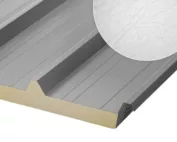
Ask about projects with roofing similar to the planned one. Installing modular tile-effect metal roofing, long trapezoidal steel sheets and sandwich panels places different demands. Roof geometry also matters. Experience on a simple carport does not yet answer how the crew will cope with numerous dormers, roof valleys and complex flashings on a house.
Ask to see completed work or documentation from several stages of construction. A photo of the finished roof slope shows the appearance but does not reveal the layers beneath the covering. It is worth learning how laps, seals and ventilation are handled. References are useful when they relate to specific tasks and to the quality of contact after the work is finished.
What should you ask during the first conversation?
Provide the design, dimensions and planned date. Establish who is responsible for measurement and for checking the material schedule before ordering. Ask which installation instructions the crew will use and how they will resolve special details. A reliable contractor should indicate the data they still need rather than assure you that every profile is installed the same way.
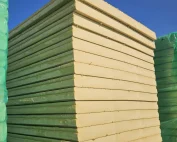
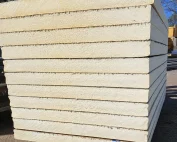
Discuss how the sheets will be lifted, where they will be stored and how the building will be protected during the work. When replacing a roof, the phased nature of demolition and protection of the interior from precipitation are important. For sandwich panels, the weight and length of the panels and suitable lifting equipment must be taken into account. These issues affect both the schedule and the cost.
What should the quote include?
The scope must be broken down into specific activities. Separate demolition, preparation of the structure, the layers beneath the covering, installation of the metal sheeting and execution of the flashings. Establish whether the quote includes gutters, roof access and snow guards. The wording roof installation alone may be too general to determine later what was actually ordered.
Check how additional work will be settled. On an old roof, some damage may only become apparent after the covering is removed. It is good to establish the rules for inspection, pricing and approval of changes in advance. The quotes being compared should cover the same scope, similar auxiliary materials and the same responsibility for transport and removal of waste.

How to establish the standard of workmanship?
The design and the documentation of the selected products are the reference point. This concerns the spacing of supports, the type of fasteners, the laps and the accessories. These matters should not be left solely to a general statement that the work will be carried out carefully. It is also worth recording the rules for using substitutes so that significant changes do not appear without agreement.
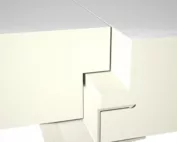
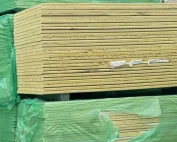
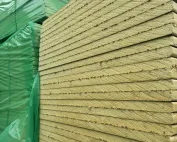
With PIR and sandwich panels, continuity of insulation, tightness of joints and compliance with the project’s fire requirements are important. The name of the core alone does not determine the parameters of the entire building envelope. For steel sheet, cutting tools, removal of swarf and protection of the coating remain key. Minor installation errors may only become apparent over time.
How should inspection and handover be organised?
Agree the points at which work that will be covered up is inspected. It is worth viewing the substrate, membrane, insulation joints and fixing points for accessories before the next layers are laid. Photos showing the location of individual details are much more helpful later than a general view of the roof. However, they should not replace assessment by a person with the appropriate competences.
At acceptance of the finished covering, the laps, flashings, fasteners, outlets and condition of the surface are checked. The protocol should describe the defects noticed and the method and deadline for their rectification. Also agree who hands over the material documents and maintenance recommendations. A clear acceptance helps both parties close the works without misunderstandings.
How to compare quotes and make a decision?
The lowest rate is not complete information about the cost. An offer may omit scaffolding, unloading, flashings or cleaning. On the other hand, a high price alone does not prove quality. Compare the scope, experience, deadlines, documentation and manner of communication. Also ask about the contractor’s liability terms and the availability of service after completion of construction.
All significant arrangements should be included in the contract or an annex thereto. This applies to materials, deadlines, settlements, changes and acceptances. When the scope is clear, it is easier to assess progress and react to a problem. A good roofer and a well-prepared order together form the basis of a durable roof; a popular tile-effect metal roofing sheet alone will not provide the expected effect.
7 branches. Materials closer to your project.

- SEROCK — Dzierżenin 34 E
- BŁONIE — ul. Sochaczewska 138A
- RADOM — ul. Grobickiego 8
- ŁÓDŹ — Natolin 8
- OLSZTYN — Barczewo, ul. Prosta 9
- WROCŁAW — ul. Jerzmanowska 10C
- GORZÓW WLKP. — ul. Zielona 33/34