Metal fences
Selecting metal fence pickets: cross-sections, gaps and supporting frames
In brief
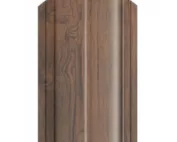
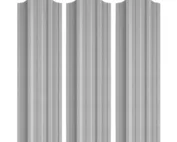
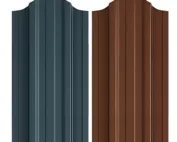
Metal fence pickets made of profiled sheet metal allow you to create a visually light fence with an even rhythm. The choice covers the shape, width, coating and arrangement of the elements. Equally important are the gaps, the substructure and the wind conditions. A profiled picket is not a thick, closed steel profile. Its rigidity comes from the shaping of thin sheet metal, which is why the fixings and the post spacing must be matched to the specific system. The picket is formed from thin sheet metal protected against corrosion. Longitudinal pressings and folded edges increase rigidity and give a tidy appearance. The available sections differ in width, depth and number of grooves. These features should be checked on an actual drawing or sample.
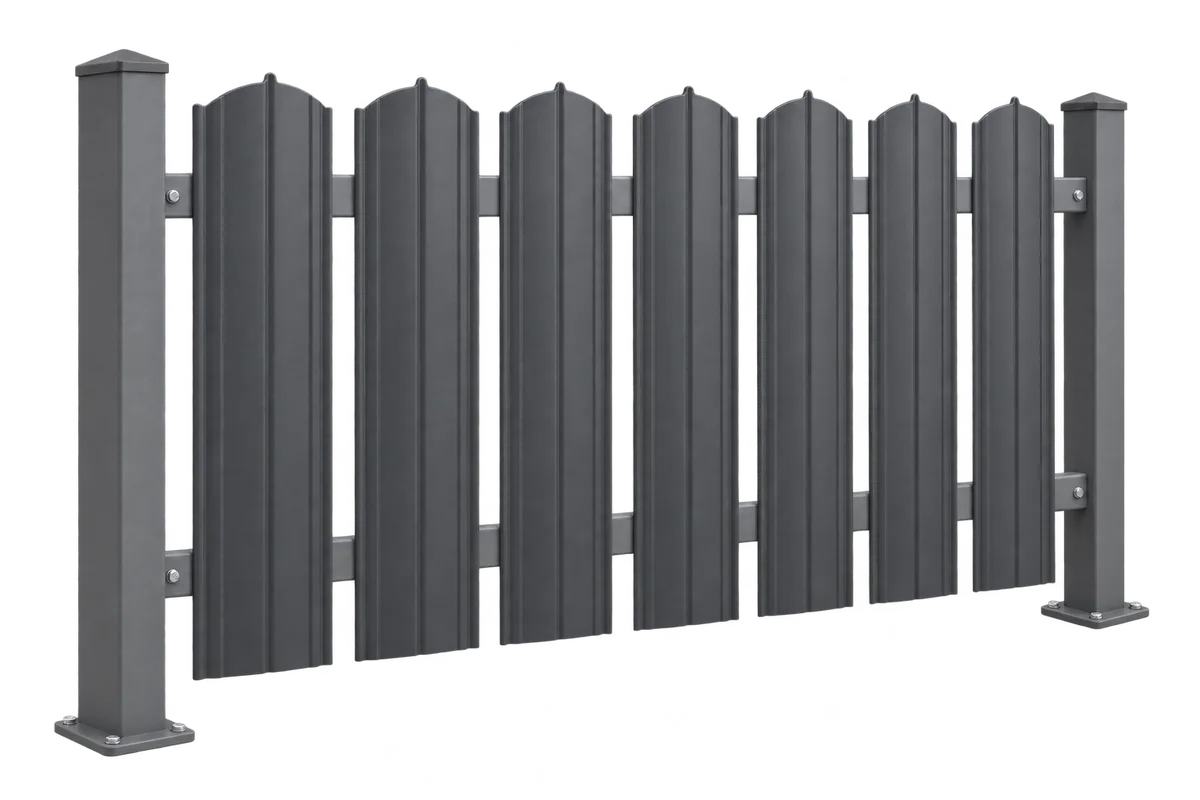
How to recognise the right type of metal fence picket?
A photo of the fence from a distance alone can hide significant differences.
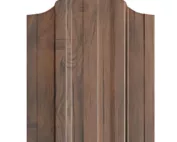
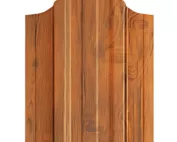
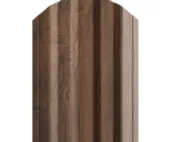
Such an element should not be confused with a solid closed profile. It behaves differently when fastening, cutting and under local pressure. The end can be straight or rounded, depending on the model. When ordering, agree the length and the finish of the top edge so that you do not later have to cut the whole batch unnecessarily.
Vertical or horizontal, and with what gap?
A vertical arrangement clearly shows the rhythm of narrow pickets. A horizontal one may suit a simple house shape, but not every profile and end is intended for it. Before purchase, check the permitted orientation and the method of support. Changing the direction is not purely an aesthetic decision. On uneven ground, you must also determine whether the bays should run in steps or along the slope. This affects the picket lengths and the final appearance.
The gap affects visibility from the property and the appearance of the bay. It is worth drawing the full width between the posts, including the edge gaps. Too dense an arrangement increases the degree of screening but also changes the wind load. An additional row of pickets or later screening should not be added without checking the structure.
How to choose colour and coating on both sides?
The fence is seen from the street and from the garden. You therefore need to establish how the back of the picket is finished. Not every version has the same colour and type of coating on both sides. If you want a uniform appearance, choose a variant that actually provides such a finish. Confirm this in the specification, not just in a photo of the front.
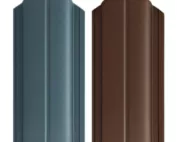
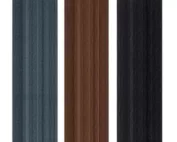
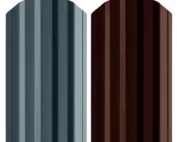
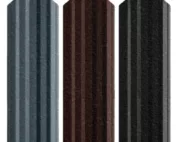
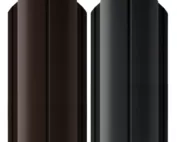
The shade can be matched to the roof made of tile-effect metal roofing sheets, trapezoidal sheet metal, windows and doors or the gate. An identical colour code does not always mean identical gloss and texture. Samples are best compared in natural light. The coating should suit the environmental conditions, especially near a road with salt, damp vegetation or other sources of aggressive contamination.
What must the entire bay support?
Forces from the pickets are transferred to the rails, posts and their foundations. The low mass of an individual element does not mean a low wind load on the entire fence. Height, bay length, gaps and the location of the plot all matter. An open space may impose different requirements than a sheltered part of the garden.
The spacing of the rails and fixings is selected to suit the system and the conditions of the specific bay. It is not worth adopting a single number of screws for all profiles. The gate and the driveway gate, which move when opening, must be addressed separately. Their frame and hinges cannot be assessed solely on the basis of the appearance of the metal picket infill.
How can damage be avoided during installation?
Before installation, it is worth marking out the line of the top edges and an even division of the bay. A spacing template makes it easier to maintain the rhythm, but it does not replace checking the dimensions between the fence posts. The fixings should be suitable for the material of the substructure and the coating. Excessive pressure can locally deform thin sheet metal instead of improving the connection.
If cutting is needed, cold-working tools and the recommended edge protection are used. Hot filings from the grinder can damage the surface of adjacent components. After the work, remove metal particles and check for scratches. The lower part of the fence should be designed so that neither soil nor permanently wet plant debris accumulates against it.
How do you calculate the material and plan maintenance?
The number of metal fence pickets is determined from the width of the bays, the dimensions of the profile and the clearances adopted. The cost must also include the rails, fence posts, fixings, finishing and preparation of the foundation. Comparing the price of a single piece alone can be misleading if the components differ in width and length. It is worth preparing a schedule for the entire fence section.
The surface is cleaned with agents and by a method compatible with the coating. During the inspection, the connections, edges and areas exposed to impact are checked. Metal fence pickets do not require the same treatments as wood, but they are not maintenance-free. A durable result comes from a well-chosen profile, proper protection on both sides and a substructure matched to the actual loads.
7 branches. Materials closer to your project.

- SEROCK — Dzierżenin 34 E
- BŁONIE — ul. Sochaczewska 138A
- RADOM — ul. Grobickiego 8
- ŁÓDŹ — Natolin 8
- OLSZTYN — Barczewo, ul. Prosta 9
- WROCŁAW — ul. Jerzmanowska 10C
- GORZÓW WLKP. — ul. Zielona 33/34