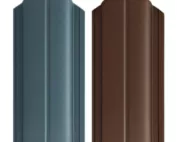
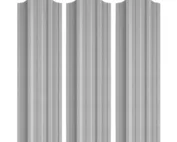
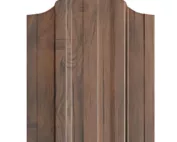
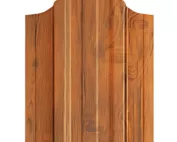
Metal fence pickets and fences
Metal pickets in pedestrian and driveway gates: checks during use
In brief
Metal fence pickets on a fixed bay and on a gate leaf may look similar. However, the conditions of use are not the same. The gate and driveway gate open, close and interact with the hardware. It is worth checking them as a complete system. A nice coating on the infill does not yet tell you whether the leaf operates correctly and does not interfere with the pickets during everyday movement. Check the closed and open positions in accordance with the intended use of the device. Pay attention to the points where it approaches the posts, the ground and adjacent elements. A picket should not rub accidentally during movement. A mark visible only at one end may indicate a problem with the alignment of the whole leaf. During the inspection, compare the street side and the garden side. An element that looks correct at the front may have a mark of contact with a crossbar or hardware at the back.
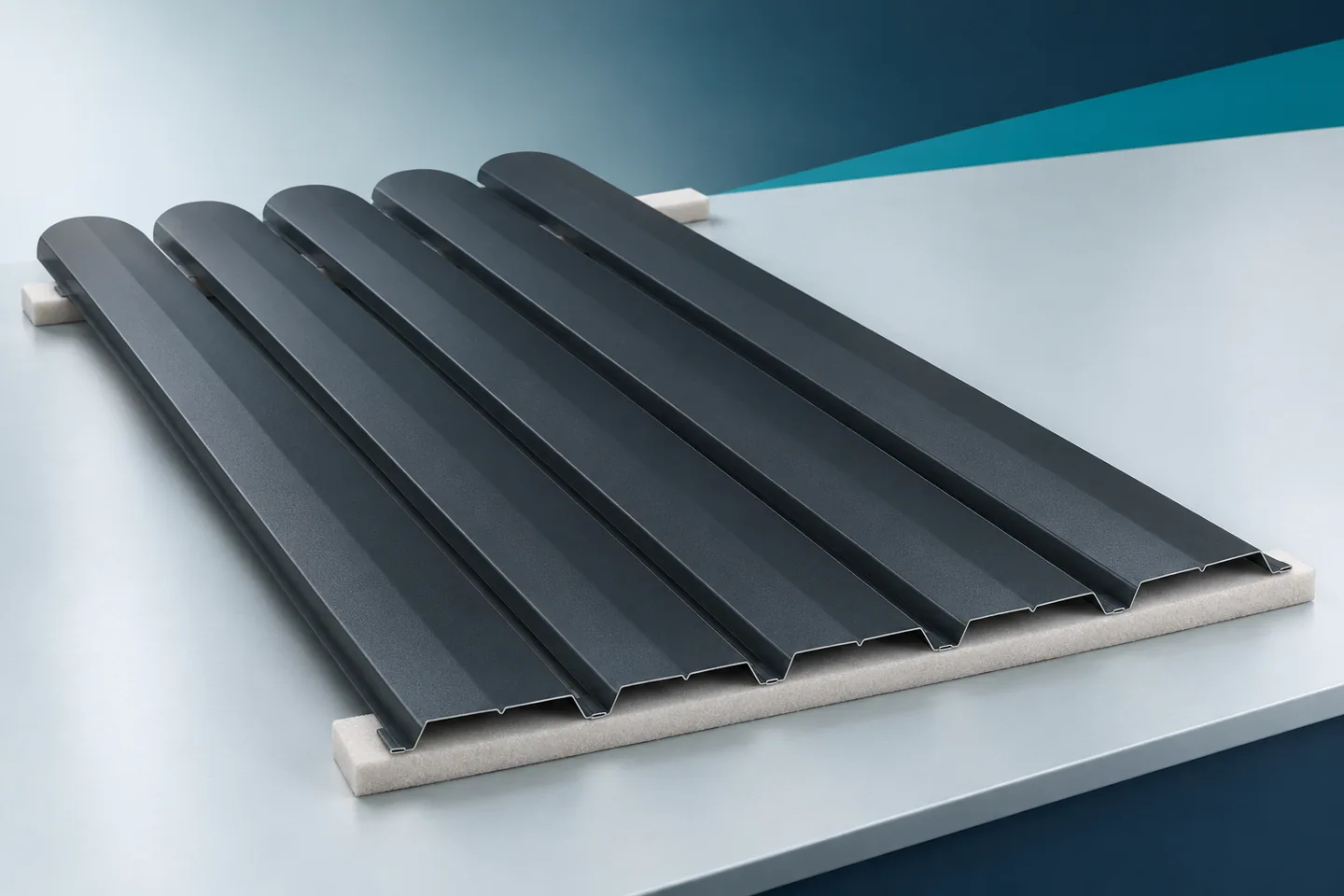
Inspect the leaf in various positions
Do not diagnose the drive’s operation yourself based on resistance felt by hand. For a gate with automation, the instructions for the entire unit apply. Any doubts about movement or safety devices must be passed to the appropriate service provider. Steel sheet pickets are part of the infill, not an indicator of the correct functioning of all mechanisms.
Check the fixing points of the infill
Inspect the fastener heads, holes and support zones. Look for unusual play, deformation or signs of contact. Do not assume that a cyclically used leaf simply needs every screw tightened more. The method of inspection and any repair should match the system.
If several pickets have changed position together, check the frame and its connections. The problem does not have to concern each picket separately. It is worth sending the installer a photo of the entire leaf and a detail. It shows the relationship between the infill and the structure better than a close-up of a single scratch.
Respond to rubbing before the next paint repair
Repeated contact can gradually damage the coating. If a picket is touching the post or equipment, the cause must be removed first. Retouching without correcting the conditions will need to be repeated. Do not grind the side of the element just to temporarily increase room for movement.
Changing the geometry of the leaf requires an assessment of the structure and equipment. It may be related to the frame, hinge, guide or support. There is no single correction suitable for all gates. Only after correct operation has been restored can it be assessed how to protect the damaged area or whether to replace the picket.
Do not use a picket as a handle
Thin-walled infill should not replace the element intended for operating the leaf. Pulling on the edge of the profile can load the fastening in an unforeseen way. Use the handle and equipment provided for in the design. This also applies to moving or supporting a removed gate.
Do not hang heavy objects on the metal fence pickets. Advertising, a cover or a decoration can change the operating conditions of the leaf. The weight, surface area and method of fixing must be assessed. The mere fact that the addition is small does not justify treating it as irrelevant to the whole system.

Check the area around the lower ends
A change of surface, accumulation of sediment or a displaced object can restrict movement. It is worth checking these places after work on the driveway and after winter. Metal fence pickets should not strike an obstacle on every closing. Assess the cause of the contact rather than merely repairing the damaged edge.
Do not derive a general required clearance from a single fence example. The value depends on the whole design and the device. If the actual conditions have changed, a reassessment is needed. This applies in particular to sliding gates and systems where movement takes place close to the surface.
Treat modification of the infill as a change to the leaf
Adding a second row, reducing the gaps or replacing the profile affects the whole. It can change the mass and the wind action. New pickets should not be ordered solely on the basis of a matching colour. The structure, hinges or guidance must suit the new solution.
With automation, any change must be agreed with the person responsible for the device. It is not enough to state that the drive still opens the gate. The correctness of the whole system requires a broader assessment. It is worth describing the planned profile, number of rows and new equipment before starting the modification.
Keep a shared service history
Record the inspections of the infill together with the work on the frame and equipment. This makes it easier to link a new symptom to a recent adjustment or repair. Keep the data of the pickets and fasteners used. When replacing a single element, it is important to match the profile, length and finish of the reverse side.
Metal fence pickets can cohesively connect the gate with the rest of the fence. In everyday use, however, they need to be assessed together with the movement of the whole leaf. Checking clearances, fixings and signs of contact helps to react early. This way, the aesthetics of the infill go hand in hand with the correct operation of the device.
After every repair, inspect the front and back, and tidy up the workplace. Loose particles or tool remnants should not be left near moving parts or on the surface of the pickets.
7 branches. Materials closer to your project.

- SEROCK — Dzierżenin 34 E
- BŁONIE — ul. Sochaczewska 138A
- RADOM — ul. Grobickiego 8
- ŁÓDŹ — Natolin 8
- OLSZTYN — Barczewo, ul. Prosta 9
- WROCŁAW — ul. Jerzmanowska 10C
- GORZÓW WLKP. — ul. Zielona 33/34