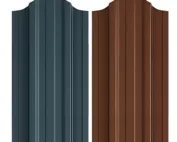
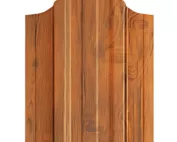
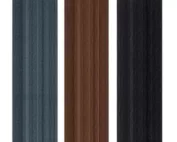
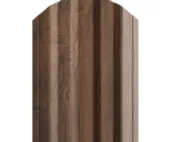
Metal fence pickets and fences
New metal pickets on an old frame: when is refurbishment worthwhile?
In brief
Retaining the existing structure can limit the scope of the fence renovation. New sheet metal pickets then give the property a different look without building everything from scratch. The condition, however, is that the old frame is suitable. It is not worth assessing it solely on the basis that it still stands straight. Before ordering the infill, the connections, the support and the compatibility of the new layout with the structure must be checked. Make a list of sections and mark the posts, rails and leaves intended to be retained. Check whether all bays have the same dimension. In an older fence, the spacings can vary. A measurement of one bay should not be the basis for ordering an entire batch of pickets. Each bay needs its own identification.
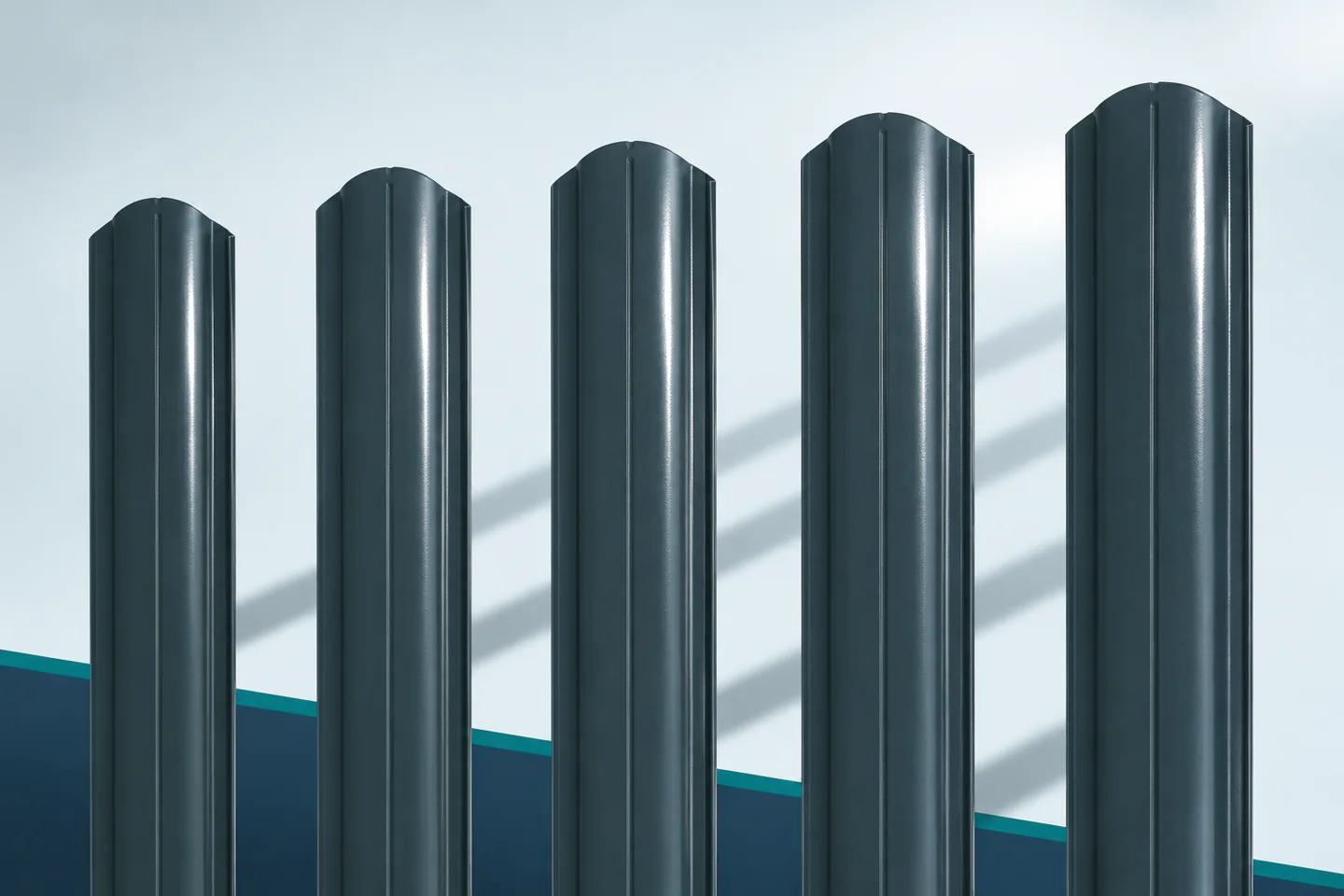
Determine what is actually to remain
Separate the change in appearance from the structural repair. A new coating on the pickets will not sensibly conceal the problem of a weak connection or progressive corrosion of the support. First establish the scope of remedial work. This way the quote will cover the actual needs, not just the purchase of coloured infill.
When measuring, also note the opening side of the gate and the position of the hinges. Pickets with a new profile depth may take up a different space than the previous infill. It is worth checking this before ordering so that the renovation does not make using the leaf more difficult.
Assess the condition of the supporting elements
It is worth checking for corrosion, deformation, cracks and the condition of the fixing to the posts. The inspection should also cover areas hidden by the old infill. If there is any doubt about the suitability of the structure, an assessment by the contractor or the person responsible for the design is needed. A hand test alone does not confirm load-bearing capacity.
Not every local spot means the entire frame must be replaced. Nor should a defect be underestimated just because it can be painted over. The choice of repair method is determined by the actual condition of the material and the function of the element. Metal fence pickets should go onto a structure brought to the proper condition.
Compare the old and new infill
Changing from mesh, sparse bars or wood to sheet metal pickets can alter the mass and the surface exposed to wind. Both aspects must be taken into account. A lighter picket does not automatically mean a lower load on the entire fence in every situation. The target layout and density are what matter.
If you are planning a second row or later screening, take this into account from the start. A structure assessed for an open bay should not be arbitrarily densified after renovation. It is worth recording the expected gap and the installation direction. Only such a description allows an assessment of whether retaining the frame makes technical sense.
Check where the new fixings will be located
Old openings do not have to match the new profile. Their spacing and condition need to be checked. The pickets should not be forced to fit an arbitrary hole pattern. The connection must suit the thin sheet and the support. If necessary, a method for preparing new fixing points must be developed.
Do not leave unprotected traces of dismantling. Holes, coating damage and areas of structural work require treatment appropriate to the material. The new infill should not conceal an unfinished repair. Before fitting the pickets, these areas are easier to access and the result of the work easier to assess.

Finish work on the frame before screwing on the pickets
Cutting, grinding and other operations that produce particles are best planned before fitting the finished coating. Once part of the fence is already finished, suitable protection is needed. Metal fence pickets can be damaged by sparks, filings or accidental tool contact. The sequence of work matters in practice here.
After repairing the structure, check the conditions for further installation arising from the protection applied. Do not cover a surface that is not ready for use. Tidy the work area and remove processing residues. A clean support reduces the risk of dirt being transferred to the newly delivered pickets.
Do a trial layout on one bay
Lay out the pickets in the chosen bay and check the widths of the end gaps. The old frame may have slight geometric differences that affect the rhythm. Better to detect them at the trial-fit stage than after fixing the whole run. Spacings and measurement help maintain the intended layout.
Do not correct each field with a different random gap without a plan. The visible fence line should be consistent. Sometimes the way differences are distributed between fields needs to be agreed. Metal fence pickets are repetitive, so a disordered rhythm can be more visible on them than on the old infill.
Accept the modernisation as a whole
Check the frame, the new fixings, the surface and the line of the pickets. For gates, also assess their operation. Acceptance should not end with confirming the colour. Keep the data of the material used and a description of the structural repairs carried out. At the next inspection, it will be easier to determine which parts have a different history.
Modernisation with sheet metal pickets makes sense when it uses genuinely sound components. It allows the appearance to be changed while retaining part of the existing arrangement. It should not serve to postpone a necessary repair of the supports. A well-prepared frame gives the new infill the right working conditions and reduces the risk of repeated dismantling.
7 branches. Materials closer to your project.

- SEROCK — Dzierżenin 34 E
- BŁONIE — ul. Sochaczewska 138A
- RADOM — ul. Grobickiego 8
- ŁÓDŹ — Natolin 8
- OLSZTYN — Barczewo, ul. Prosta 9
- WROCŁAW — ul. Jerzmanowska 10C
- GORZÓW WLKP. — ul. Zielona 33/34