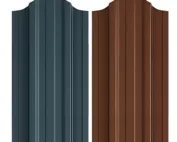
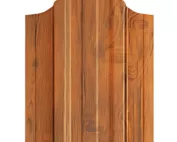
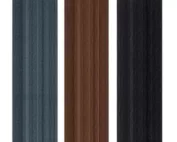
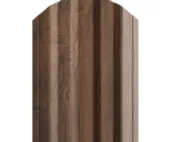
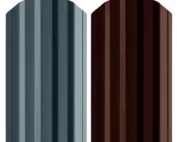
Metal fence pickets and fences
Replacing one metal picket in an existing fence
In brief
A damaged picket does not always require replacing the entire bay. In many fences, the elements are fixed separately, which allows the repair to be focused on one place. However, this does not mean that every similar picket will fit. Profile data, an assessment of the connections and a dismantling plan are needed. A well-prepared replacement reduces the risk of damaging adjacent surfaces. Locate the specification or marking from the original delivery. Check the width, the depth of the section, the run of the grooves and the edge finish. Two metal pickets of similar width may have different bends. Once fitted side by side, the difference can be obvious, even when the colour is similar.

Identify the installed profile
Take photos of the front, back and end of the component. If a short section or a spare picket has been kept, show it to the supplier. Do not order a replacement solely on the basis of the name ‘graphite metal picket’. Such a description does not identify the product precisely enough. The coating type is also important.
Measure the length and check the end finish
Measure the actual component, as far as its condition allows. In the case of a bend, compare adjacent pickets and the documentation. In a fence with a variable top line, lengths may differ. Do not assume that every picket in a given bay has the same dimension. The position of the replacement must be unambiguous.
Check whether the end is straight, rounded or finished with a separate cap. Also record the installation direction. Sheet metal pickets made to measure should match the existing layout. Accidental cutting of the replacement after delivery can make it difficult to preserve the geometry and edge protection. In a stepped layout, mark the field and the position counted from a specific post. The number alone on a photo may be illegible after reversing the viewing side. It is good to describe the street side and the garden side so that the supplier does not have to guess the orientation of the component. A drawing with the replacement location marked solves this problem.
Compare the colour under real conditions
The new coating may differ from a surface that has been in use for several seasons. Gloss and texture also matter. It is therefore worth comparing a sample against a clean section of the fence. The colour code alone does not guarantee an invisible joint between the old and new component.
If the difference is significant, discuss possible solutions before dismantling. Sometimes the client accepts a local change, and sometimes prefers to tidy up a larger section. There is no single answer that is right for all projects. The most important thing is that the decision is informed and does not result from an unverified promise of perfect matching.
Assess how it is connected to the structure
Screws, rivets and brackets require a different approach. It must be established whether they are accessible and whether dismantling will disturb adjacent pickets. With two rows, some connections may be concealed. Do not pry the profile with a sharp tool just to expose the fastening more quickly.
If the damage involves an opening or a support, replacing the picket alone may not be enough. The new connection must be correct. Do not assume that a worn fastener is suitable for reuse. The repair method and the selection of components should match the system and the actual condition of the installation point.

Protect adjacent components during work
Before dismantling, prepare a place for the profile and small parts you set aside. Do not rest the damaged picket with its sharp end against the others. Tools should be guided so that they do not slip across the paint. If access is awkward, it is better to reorganise the work than to use excessive force.
After removing the element, inspect the structure. Use the access to check the support coating and remove any residue. Machining swarf should not be left on the fence. Steel sheet pickets are a finished surface, so a small repair requires the same care for the surface as the initial installation.
Install the replacement according to the existing rhythm
Check the vertical or horizontal alignment, the termination line and the gaps on both sides. A single picket should fit into the layout, not just cover an empty space. Use the correct fasteners and the recommendations for the profile. Overtightening is not a way to correct a misaligned element.
If adjacent pickets have been deformed previously, a broader assessment may be needed. Do not copy a faulty position without thinking. It is worth maintaining conformity with the design and the agreed appearance. A local repair should not introduce new stress or contact between elements during normal fence operation.
Check the result and keep the replacement’s data
Inspect the repaired area from both sides. Check the connections, cleanliness and absence of new marks. On a gate or door, also assess the freedom of movement of the whole leaf. Record the details of the installed material. This will facilitate any subsequent replacement and show which elements come from a later delivery.
The ability to repair individual pickets is a practical advantage of such a fence. It is best used when documentation and part conformity have been maintained. Preparing the replacement before dismantling reduces downtime and improvisation. This makes the replacement a controlled repair rather than the start of further damage.
7 branches. Materials closer to your project.

- SEROCK — Dzierżenin 34 E
- BŁONIE — ul. Sochaczewska 138A
- RADOM — ul. Grobickiego 8
- ŁÓDŹ — Natolin 8
- OLSZTYN — Barczewo, ul. Prosta 9
- WROCŁAW — ul. Jerzmanowska 10C
- GORZÓW WLKP. — ul. Zielona 33/34