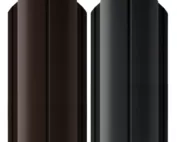
Metal fence pickets and fences
Washing metal fence pickets without damaging the coating
In brief
The visibility of water marks and deposits on metal fence pickets depends on how strongly they contrast with the coating colour. That does not mean they need strong chemicals. When washing, the most important thing is to preserve the coating. Metal fence pickets can have various finishes, so the method must be matched to the instructions for the specific material. The plan below helps to organise the work without assuming a single product for every fence. Check the documentation for the coating and the pickets. Some instructions specify water only, others permit a particular mild detergent. These recommendations must not be treated as equivalent on your own initiative. A product for paving stones, windows or car paint does not become suitable just because the fence is also coloured.
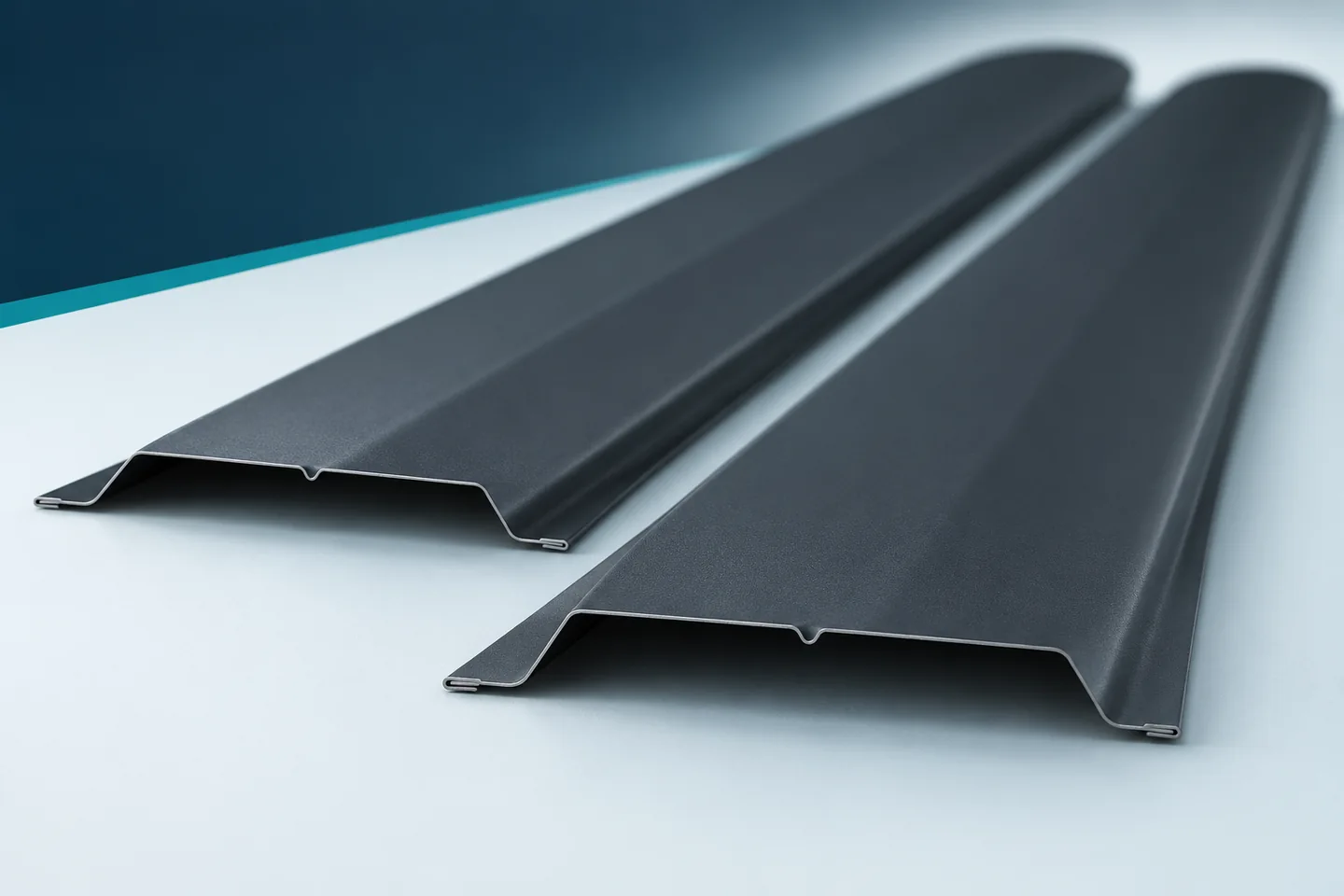
Find the recommendations before preparing the solution
If you do not have the documents, ask the supplier to recreate them based on the order. This is a better starting point than trying on a large span. A trial cleaning of a small area also does not waive the prohibition on using a given agent. A compliant method is needed first, and only then careful verification of its effect.
Inspect the surface before wetting it
Mark the places with a deep scratch, detachment or suspicious deposit. It is worth photographing them. Water and removal of the deposit may make it harder to recreate the appearance later. Such an inspection also helps to notice whether the soiling is local or repeats along the entire fence.
Remove loose leaves and larger contaminants without dragging them across the lacquer. Grains of sand trapped under a cloth can scratch the surface. Do not start with intensive dry rubbing. Metal fence pickets must be cleaned so that dirt does not become an abrasive during the work.
Work in small sections
Washing one section allows you to control the effect and rinse the surface thoroughly. Follow the recommendations regarding tools and water. If a soft brush or cloth is permitted, keep them clean. A tool previously used for mortar or metal should not come into contact with a decorative coating.
Do not allow the used agent to remain on the surface longer than the instructions specify. Remove its residues thoroughly using a compliant method. Also check the recesses of the profile. These are places where sediment is easily left behind, even though the front looks clean at first glance.
Take care with a pressure washer
Whether a pressure washer can be used depends on the product recommendations. There is no single safe setting for all coatings and fence conditions. Pressure, distance and direction of the jet matter. Particular attention must be paid to damaged areas, edges and joints. Do not try to remove every stain with the force of water.
Do not transfer values from roof instructions to any metal fence pickets. They may relate to a different material or configuration. If conditions are unknown, choose a method confirmed by the supplier. A strong jet is not a shortcut to safe cleaning, especially when the coating already needs repair.

Do not overlook the reverse side and the lower zone
The front of the fence is often more visible, but the back also collects dirt. Inspect the bends, the areas around the crossbars and the lower ends of the pickets. Do not direct dirt from one place to another. It is worth working so that no residue remains on the supports or near the connectors when finished.
With dense vegetation, prepare access without dragging branches across the surface. If the fence has two rows, allow for the space between them. Do not insert sharp tools into narrow gaps. Lack of convenient access is a reason to change the organisation of work, not to risk scraping the paint.
A difficult mark requires identification
Limescale deposits, foreign paint and a brown spot from a metal filing are not the same kind of soiling. An accidental solvent can make the problem worse. If the approved method does not work, stop experimenting and establish what you are dealing with. Photos and information about work carried out nearby are helpful.
Metal fence pickets should not be cleaned with an abrasive material just to quickly regain a uniform appearance. Matting a small area may later stand out from the rest. Sometimes the right decision is to assess the coating or repair it, not to continue washing. It is worth maintaining this boundary.
Check the result once finished
After cleaning, inspect the surface in even light. See whether any marks remain that require consultation and whether damage previously hidden by dirt has been revealed. Note the method used. On the next wash, it will be easier to assess whether the deposit returns in the same places. Pay attention to equipment in the vicinity. A plant preparation accidentally applied or a product used to wash the driveway may re-soil a just-cleaned bay. It is worth agreeing the order of work on the property so as not to repeat washing unnecessarily. Separately note the places that require further assessment after the surface dries.
Proper cleaning helps maintain the appearance of metal fence pickets and allows their condition to be checked. However, it does not replace the repair of deep damage. The best result comes from a gentle method in line with the documentation and from removing the cause of recurring soiling. A clean coating should also remain a coating undamaged by the treatment itself.
7 branches. Materials closer to your project.

- SEROCK — Dzierżenin 34 E
- BŁONIE — ul. Sochaczewska 138A
- RADOM — ul. Grobickiego 8
- ŁÓDŹ — Natolin 8
- OLSZTYN — Barczewo, ul. Prosta 9
- WROCŁAW — ul. Jerzmanowska 10C
- GORZÓW WLKP. — ul. Zielona 33/34