Profiles and steel structures
Substituting a steel section on site: what to check before approval
In brief
On site, a proposal to substitute a profile comes up. The reason is often practical: delivery date, lack of a specific thickness, or a clash with another element. The change itself need not be bad. It must, however, be checked. Cold-formed profiles of similar dimensions can differ in load-bearing capacity, stiffness and connection detail. Consent should cover a clearly described solution, not a general assurance that the new profile is ‘almost the same’. It is worth stating which elements are to be replaced and why. Item numbers and drawing references are needed. The vague phrase ‘substituting the channels’ can cover too many locations. A single sub-frame under a flashing is assessed differently from a whole run of purlins. The scope should be clear to the designer, supplier and contractor.
First, the reason and scope of the change are described
It is also necessary to establish whether the problem concerns the product, the dimensions of the structure or the sequence of assembly. If the holes do not fit because the supports have been set incorrectly, changing the profile may conceal the original non-conformity. Galvanised profiles should be installed in a system consistent with the documentation. Diagnosing the cause helps to choose a solution of the right scope.
The full section is compared, not just the height
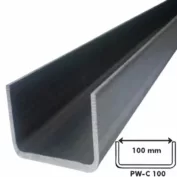
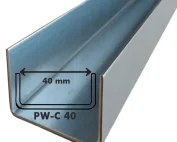
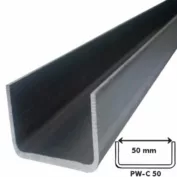
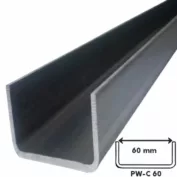
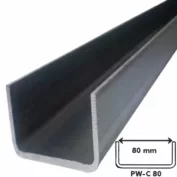
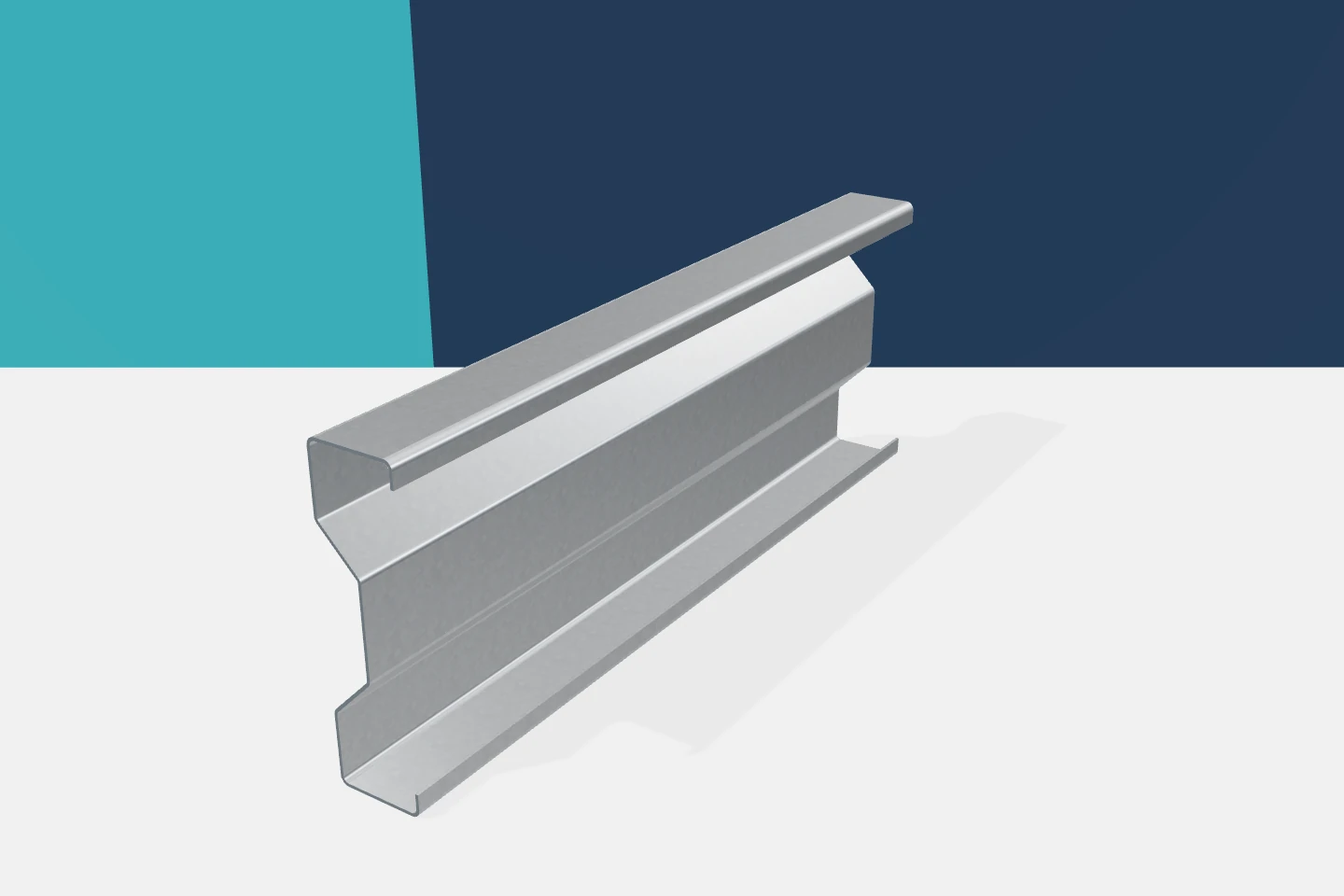
The new element must be described by a drawing and material parameters. The flange widths, thickness and bends are important. A Z-profile of the same height may have a different overlap geometry. A C-profile may not fit the splice. A sigma profile may change the contact plane with the support. These differences only become visible once complete data are compared.
A distinction must also be made between the nominal dimension and the tolerance range. A profile should not be considered compliant on the basis of a single cursory measurement. Catalogue data and product documentation help to establish what is actually being offered. Cold-formed profiles form many series. A similar name does not prove that their properties are equivalent.
One better parameter does not settle the whole
The supplier may propose steel of higher strength or greater thickness. This does not automatically mean the substitution is correct. Deflections, stability and connections must also be checked. Increasing a dimension may cause a clash with the cladding or with tools. A heavier element may also change the transport and assembly conditions. The assessment should cover the entire system.
The justification should therefore not be limited to the statement that the substitute is “stronger”. It is worth showing which requirements it meets and on what basis. Galvanised profiles also have protection parameters. A change of coating may be significant even if the geometry is retained. Durability requirements do not disappear when the load-bearing calculation gives a favourable result.
Connections often determine feasibility
When changing the profile, the hole pattern, the width of the contact surface and the fasteners must be checked. Thicker sheet may require a different assembly solution. A different bend may make it difficult to seat the washer. Both the load-bearing capacity of the joint and the access for tools must be assessed. A substitute that cannot be screwed in correctly does not solve the construction problem.
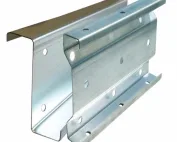
Continuous purlin systems require particular attention. Z-purlins working in an overlap must fit geometrically and correspond to the design. One element cannot be replaced with an arbitrary C-profile without checking the entire connection. Similarly, omegas and sigma profiles are not automatically interchangeable. The beam function and the cross-section form must be assessed together.

The cladding and services will also feel the change
A new flange width may change the bearing conditions of the panel or the fastener spacing. A different profile height may shift the plane of the cladding. Flashings, windows and doors, and adjacent elements must be checked. Otherwise, a structural correction may cause several subsequent clashes. It is good practice to gather comments from all trades before approving production of the substitute.
This also applies to designed suspensions. If the profile is to carry an installation, its load and the method of fixing must be taken into account. New functions should not be added to it during the change without verification. Cold-formed profiles can perform many roles, but each requires appropriate conditions. The list of tasks for the element should be complete and explicit.
The approval should go into the documentation
An agreed change must specify the exact product, the place of use and the method of installation. It is worth keeping the revision number and the link to the previous item. Verbal information may be remembered differently by several crews. A document allows the correct material to be ordered and checked on delivery. It also helps avoid reverting to the old detail in the next delivery.
If existing parts need to be reworked, the technology and inspection must be described. This also applies to the repair of surface protection. Galvanised profiles should not be reworked without specifying further protection. The as-built documentation should reflect the actual condition. This matters during future inspections and modernisations.
Availability matters, but it does not prove equivalence
A shorter lead time may justify analysing a different profile. It should not replace that analysis. A well-prepared substitution proposal contains complete data and shows the impact on the other elements. This allows the decision to be made efficiently. A lack of information usually prolongs approvals more than the difference in cross-section itself.
Z-sections, channels, sigma profiles and omegas offer many variants. This is an advantage worth using consciously. A correct substitution can reduce cost or downtime. However, it should preserve the requirements of the structure, the cladding and durability. Cold-formed profiles are selected for the task. An available element is a candidate for assessment, not ready proof that the design can be changed without consequences.
7 branches. Materials closer to your project.

- SEROCK — Dzierżenin 34 E
- BŁONIE — ul. Sochaczewska 138A
- RADOM — ul. Grobickiego 8
- ŁÓDŹ — Natolin 8
- OLSZTYN — Barczewo, ul. Prosta 9
- WROCŁAW — ul. Jerzmanowska 10C
- GORZÓW WLKP. — ul. Zielona 33/34