House appearance
Choosing a traditional or modern tile-effect profile to suit the roof
In brief
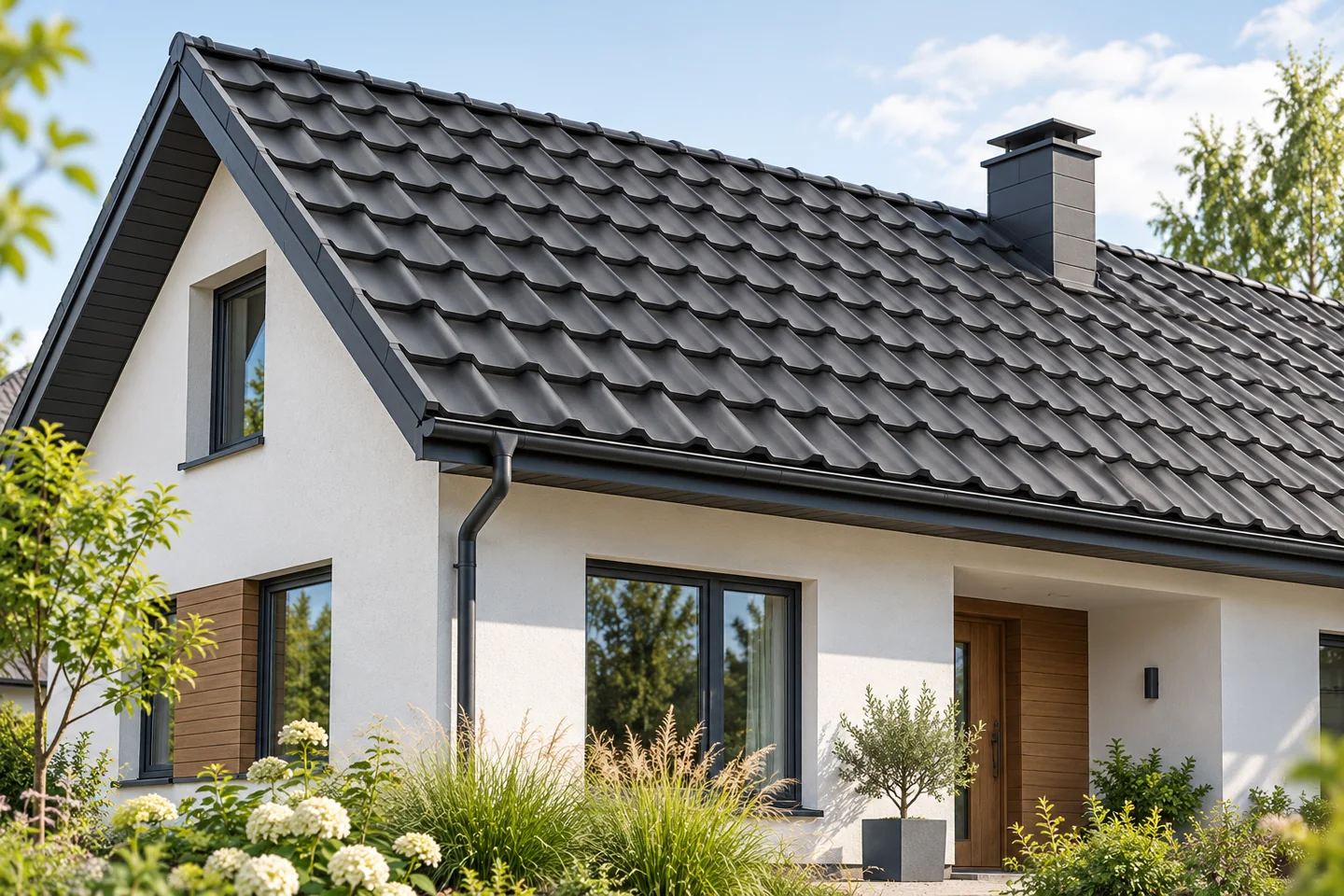
Judge a tile-effect profile against the shape of the whole house. A close-up shows the texture of the steel but gives little sense of how the pattern repeats between eaves and ridge. Look at photographs of larger roof areas in different light and compare the profile with the façade, windows and flashings. Traditional and contemporary describe an appearance, not a technical class. Once you have settled on the look, check the sheet specification against the design before placing the order.
What distinguishes a classic pattern from a modern one?
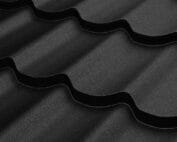
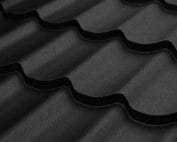
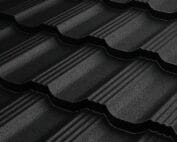
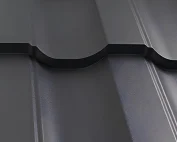
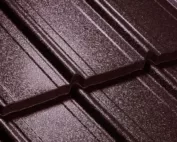
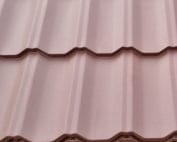
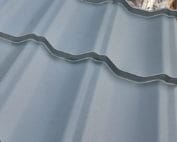
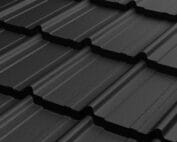
A form with a pronounced wave and a rhythm reminiscent of traditional roof tiles is usually regarded as classic. A lower, calmer profile or a strongly ordered geometry of pressings can create a modern effect. These terms describe the visual impression, not the technical class of the material. There is no single feature that by itself determines the style of the whole roof.
It is worth looking at photos of larger roof areas, because a small sample does not show the repeatability of the pattern. A profile looks different on a complex roof than on a long, simple roof area. Light, viewing direction and building size also matter. This is a reason not to choose solely on the basis of a close-up of a single sheet in a catalogue.
How to match the covering to the house form?
For a house with dormers, a wide eaves and traditional details, a pronounced wave can work well with the whole. On a simple volume, an ordered pattern across the roof area and a small number of additional forms often look advantageous. This does not mean that mixing styles is prohibited. It is important that the roof, façade and windows and doors form a consciously chosen composition.
Before ordering, check the requirements for the plot and the project. The shape and colour of the covering may be linked to adopted planning provisions. In the case of renovation, the existing proportions of the building must also be taken into account. Changing the covering is a decision covering a large area, so it is good to assess it in the view of the whole house, not only in a separate visualisation of the roof.
How do colour and texture change the effect?
Graphite, black, brown or shades of red interact differently with the façade and the surroundings. A matt surface may reflect light more gently than a gloss one, but the result depends on the specific coating. A sample should be viewed outdoors, under different lighting. A phone screen and a printout will not accurately reproduce the colour of the finished material.
It is good to compare the covering with a sample of the façade, the window frame and the planned flashings. Not every element needs to be given an identical shade, but it is worth controlling the number of colours. On a large roof area, a small difference in tone becomes more visible. It is also important to order matching batches of material, especially when the work is to be carried out in stages.

Does the sheet format determine the style?
Modular tile-effect metal roofing and cut-to-size tile-effect metal roofing can come in various forms. A module does not automatically mean a modern appearance, and a long sheet is not by definition classic. The format primarily affects delivery planning, handling and the method of installation. Style must be assessed through the geometry of the specific profile and the effect on the entire roof area.
For a simple roof, it is worth comparing cut sheets, and for roofs with many folds, also small modules. In both cases, an accurate cutting plan is needed. The visibility of joints depends on the product’s construction and the care taken in installation. Even an attractive profile can look poor if successive sheets are laid unevenly or the flashings do not match the roof geometry.
How can you check the parameters beyond appearance?
Before making a final decision, compare the steel, metallic coating and organic protection. Check the environmental intended use and the warranty conditions. A higher profiling does not automatically give longer coating durability. Likewise, the term premium or modern form does not replace data on the material and how it is to be used.
The required pitch, support and availability of accessories must be confirmed. Walkways, steps and snow guards should be compatible with the profile. It is worth taking their presence into account already when assessing the appearance. These are normal roof components that must function correctly. Concealing them at the expense of function can lead to difficulties during later inspections.
How do you make a decision that will survive a change in fashion?
Choose a few forms that suit the design and compare them in a similar colour. This makes it easier to see the difference in the geometry itself. Then check coating samples and the complete cost including flashings. There is no point in expanding the choice endlessly. Two or three well-described options give more than a dozen random photos of different houses.
The final choice should combine appearance, parameters and execution possibilities. If you like a simple pattern without tile imitation, a properly selected trapezoidal steel sheet can also be considered. Not every house needs the same covering. The most consistent effect is achieved by a form matched to the building’s volume and carefully worked-out details that remain visible throughout the roof’s service life.
7 branches. Materials closer to your project.

- SEROCK — Dzierżenin 34 E
- BŁONIE — ul. Sochaczewska 138A
- RADOM — ul. Grobickiego 8
- ŁÓDŹ — Natolin 8
- OLSZTYN — Barczewo, ul. Prosta 9
- WROCŁAW — ul. Jerzmanowska 10C
- GORZÓW WLKP. — ul. Zielona 33/34