Insulation and ventilation
Vapour control layers and roof underlays: choosing by position and purpose
In brief
The key to choosing roof membranes correctly is to establish what each layer does in the specific build-up, not to rely on the product name alone. Before measuring, ordering or accepting delivery, check the roof section: where the vapour control layer should sit on the inside, where the membrane under the covering belongs, and how ventilation has been designed. The use of the rooms and the type of insulation, including PIR, also matter. Only then should you select materials and the accessories for laps and seals.
Why does not every membrane perform the same function?
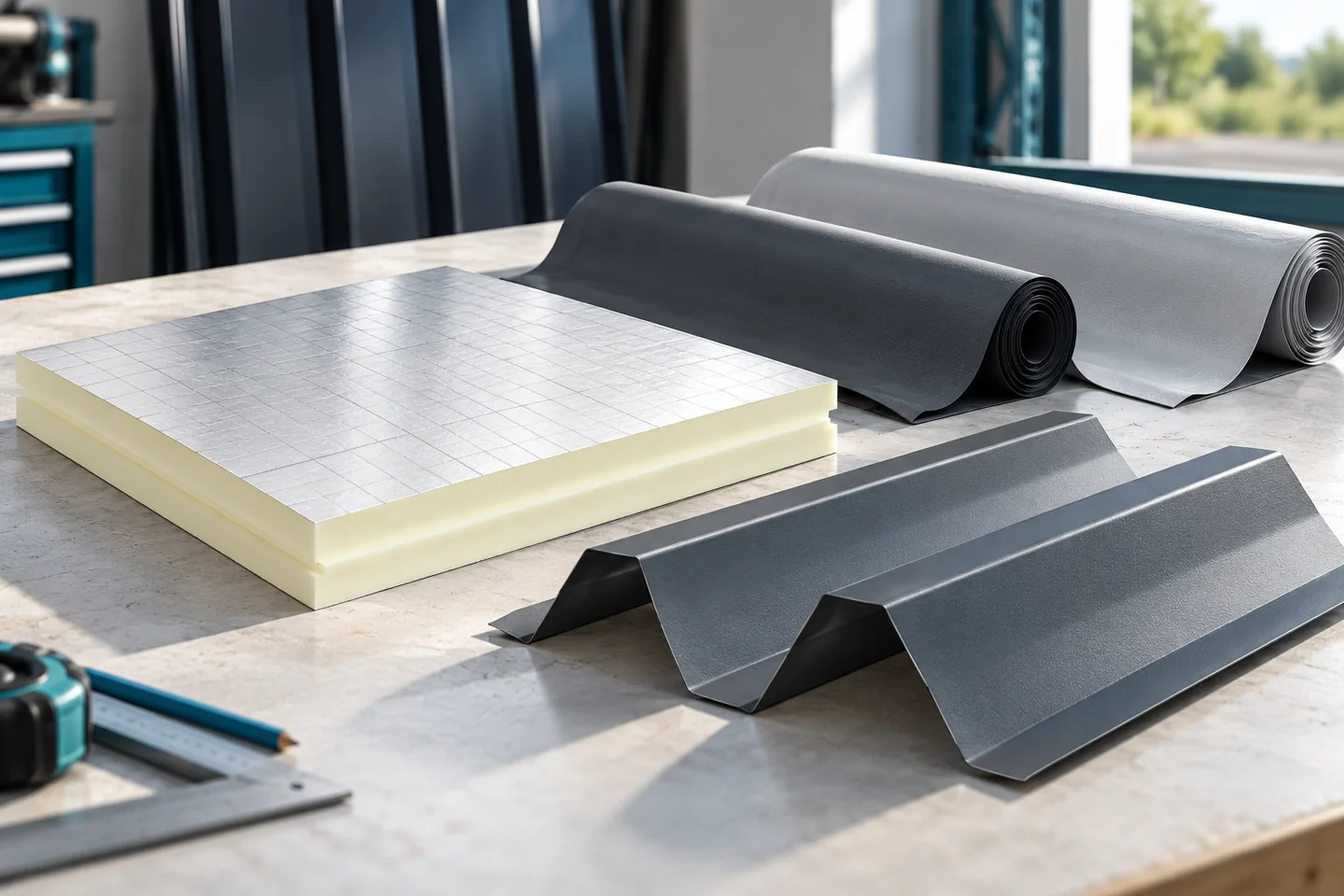
The layer on the interior side is to limit moisture transport into the assembly as specified in the design. The layer beneath the external covering can take up water that gets under the steel sheet and allow the assembly to dry out. These tasks require different properties. The colour of the roll or the general name membrane is not enough for selection.
First, the sequence of roof layers, the position of the insulation and the method of ventilation must be known. The use of the rooms is also important. A residential attic, a hall with high humidity and an unheated loft do not have identical conditions. The material is selected for a specific assembly, not because it was used on a neighbouring site.
What does the vapour control layer on the interior side do?
Its diffusion resistance limits the flow of water vapour through the material. At the same time, the joints must form a sufficiently airtight layer against air flow. A leak at a duct or wall can introduce moist air deep into the roof. Therefore, a high parameter value of the membrane alone is not enough without correct execution of the joints.
Laps, connections to windows and service penetrations require matched tapes and seals. The position of this layer results from the design of the assembly. It is not worth adding another airtight membrane in a random place on your own. This can make it difficult for materials to dry out that have been enclosed between layers with high diffusion resistance.
What does the membrane beneath the covering provide?
The underlay membrane provides additional protection for the assembly beneath the steel sheet. It must have properties suited to the method of laying, the substrate and the operating conditions. Watertightness, diffusion resistance, strength and temperature resistance are important, among other things. The grammage alone is not a complete assessment of the quality or suitability of the product.
The permitted exposure time before the covering is installed must be checked, as well as the rules for sealing laps. A material intended for laying on full boarding does not always perform the same as a membrane stretched between supports. Counter-battens, fixing points and drainage towards the eaves are also important. Errors at these points weaken the performance of the entire layer.

Where is roof ventilation needed?
The air flow must correspond to the designed assembly. In a roof with steel sheet covering, the space above the underlay is important, with air inlet and outlet. The height of the gap alone does not guarantee its performance. An unobstructed path is needed, also in the areas of windows, chimneys and changes in roof geometry.
In some assemblies an additional gap is required on the insulation side. This depends on the material used and the entire roof construction. The principles for a highly vapour-permeable membrane cannot be transferred to every membrane. The decision must be based on the documentation and a thermal-moisture assessment of the building envelope, especially when refurbishing an old attic.
Can PIR boards eliminate the need for a membrane?
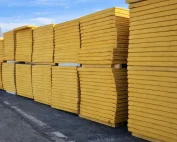
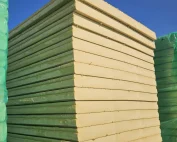
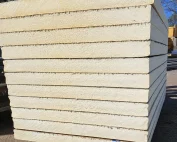
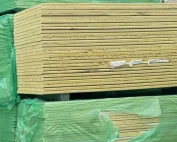
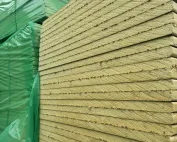
PIR is available with various facings that change the surface properties and diffusion resistance. A board with aluminium laminate does not behave the same as a product with a facing intended for a different system. The low thermal conductivity of the core does not determine the tightness of the joints. Even good boards leave joints, edges and penetrations that require a solution.
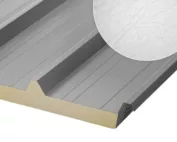
Any PIR layer should not automatically be regarded as a complete vapour barrier or waterproofing. Such a function must result from a tested or designed assembly and the method of executing the joints. Similar caution applies to sandwich panels. Their steel facings do not exempt you from properly sealing the locks and connections to the other parts of the building.
How to avoid mistakes when buying and receiving?
For the order, prepare a roof section with the name of the function of each layer. Only then select the specific material with the required parameters. In the schedule, include tapes, adhesives, sealants and the quantity needed for overlaps. Saving on accessories can make it difficult to achieve a tight whole despite using a good membrane or foil.
During acceptance, check the joints, corners, areas around windows and service penetrations before they are covered. Take photos and keep the material markings. If the type of insulation, covering or use of the attic changes, the layer assembly should be reassessed. This is safer than adding foil based on the product name alone.
7 branches. Materials closer to your project.

- SEROCK — Dzierżenin 34 E
- BŁONIE — ul. Sochaczewska 138A
- RADOM — ul. Grobickiego 8
- ŁÓDŹ — Natolin 8
- OLSZTYN — Barczewo, ul. Prosta 9
- WROCŁAW — ul. Jerzmanowska 10C
- GORZÓW WLKP. — ul. Zielona 33/34