



Costs and purchases
Polish VAT on roofing materials and roofing work
In brief
In Poland, roofing materials bought separately are generally subject to 23% VAT. When a contractor undertakes a renovation and supplies materials as part of that work, the 8% rate depends on the type of work and whether the house or flat meets the statutory conditions. The relevant measurement is the usable floor area of the dwelling. The area of roof covering ordered does not determine the rate. Before comparing gross prices, check what each quotation includes and what the contractor undertakes to deliver. This guide describes the position on 1 November 2026.
Why can material and a finished service have different rates?
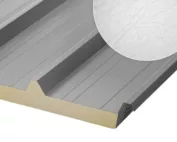
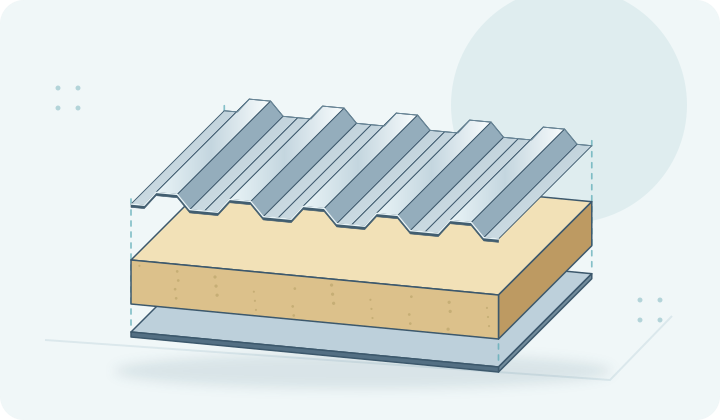
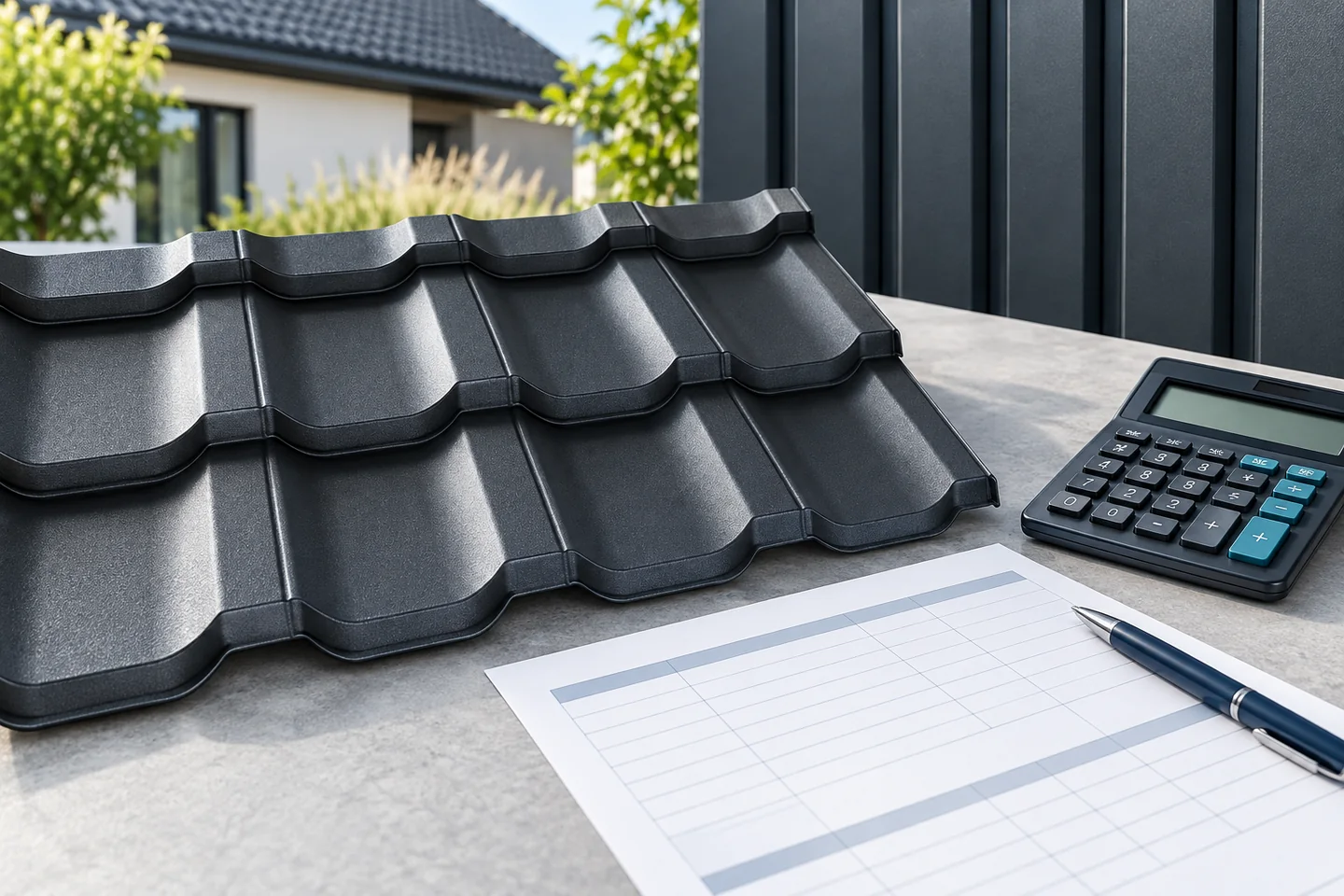
Delivery of sheets of tile-effect metal roofing, trapezoidal steel sheet or insulation boards is a different activity from carrying out a complete roof renovation. For an ordinary purchase of materials, the standard rate of 23% generally applies. This is not changed by a mere declaration that the material will be used in a single-family house. The intended use of the purchase does not automatically create a reduced rate.
Under Polish VAT rules, the 8% rate can apply to specified work on buildings within the statutory housing category. Examples include construction, renovation, modernisation and energy-efficiency improvements. Both the work and the building must qualify. Adding an installation line to an invoice does not change a transaction that was in fact a sale of goods alone.
When can a service including materials be subject to the 8% rate?
If a contractor agrees to carry out specified work on a qualifying building, the materials used may form part of a single supply of services. The decisive factor is what the contractor has actually undertaken to do. The number of lines on the estimate does not settle this. Establish which result the contractor is responsible for and what the customer actually receives.
Not every activity described as a roofing service must be treated identically. Transport alone, the sale of ready-made flashings or a separate service unrelated to qualifying work may look different. Where the scope is unusual, it is worth clarifying the rate before concluding the contract. The contractor should be able to indicate the basis for the settlement adopted.
How do the 300 and 150 square metre limits work?
The Act provides for a limit of 300 m² of usable floor area for a single-family house and 150 m² for a residential unit. These are not metres of roof or the area of the sheet metal purchased. A large eaves overhang or an elaborate roof geometry does not directly change this limit. The basis is the properly determined usable floor area of the building to which the service relates.
Where the limit is exceeded, the reduced rate applies to the relevant part of the tax base, according to the statutory proportion. For example, for a house with an area of 360 m², the share of the 300 m² limit is five sixths. This is a calculation of the share, not an automatic instruction for settling every contract. First, the qualification of the building and the scope of works must be confirmed.

Do a garage or a hall follow the same rules?
A standalone non-residential building does not obtain the preference merely because it stands next to a house or belongs to a private individual. The roof of a hall, warehouse or separate outbuilding requires assessment according to the proper classification and the scope of the service. Also, for a building with a mixed function, it is not advisable to adopt a single rate without checking the circumstances.
A garage structurally integrated into a house and a detached garage can be treated differently. The building classification and the work covered by the contract may both matter. Use the building documents to resolve any uncertainty. A contractor’s general assurance that they normally charge 8% on every roof is insufficient.
How do you compare two quotes with different VAT rates?
Compare the final price for the same finished work. For supply-and-fit quotations, check whether flashings, fixings, transport, protective measures and removal of the old covering are included. If you buy the materials separately, add the contractor’s charges and the other costs you will incur. A difference in VAT rates alone does not make the supply-and-fit quotation cheaper.
Take a net price of €2,322.14. At 23% Polish VAT the total is €2,856.23, compared with €2,507.91 at 8%. The difference of €348.32 applies only when both calculations use the same net price. Real quotations can differ in both the net amount and what the contractor is responsible for, so compare the whole order as well as the VAT rate.
What should be agreed before signing the contract and issuing the invoice?
Record the type of work, the address, the scope of materials and the agreed price. Prepare documents that allow the purpose and usable floor area of the building to be determined. The invoice should correspond to the actual supply. Splitting into advance payments or stages should not serve to conceal a different content of the transaction. In case of doubt, it is worth obtaining an assessment from an accountant or tax adviser.
A binding rate information may help determine the rate for the described supply if the matter requires it. The provisions and the way they are applied should be checked again before settlement, especially if this text is published at a later date. VAT on a roof is not a separate tax on owning a covering. It is the method of taxing a specific purchase or service.
7 branches. Materials closer to your project.
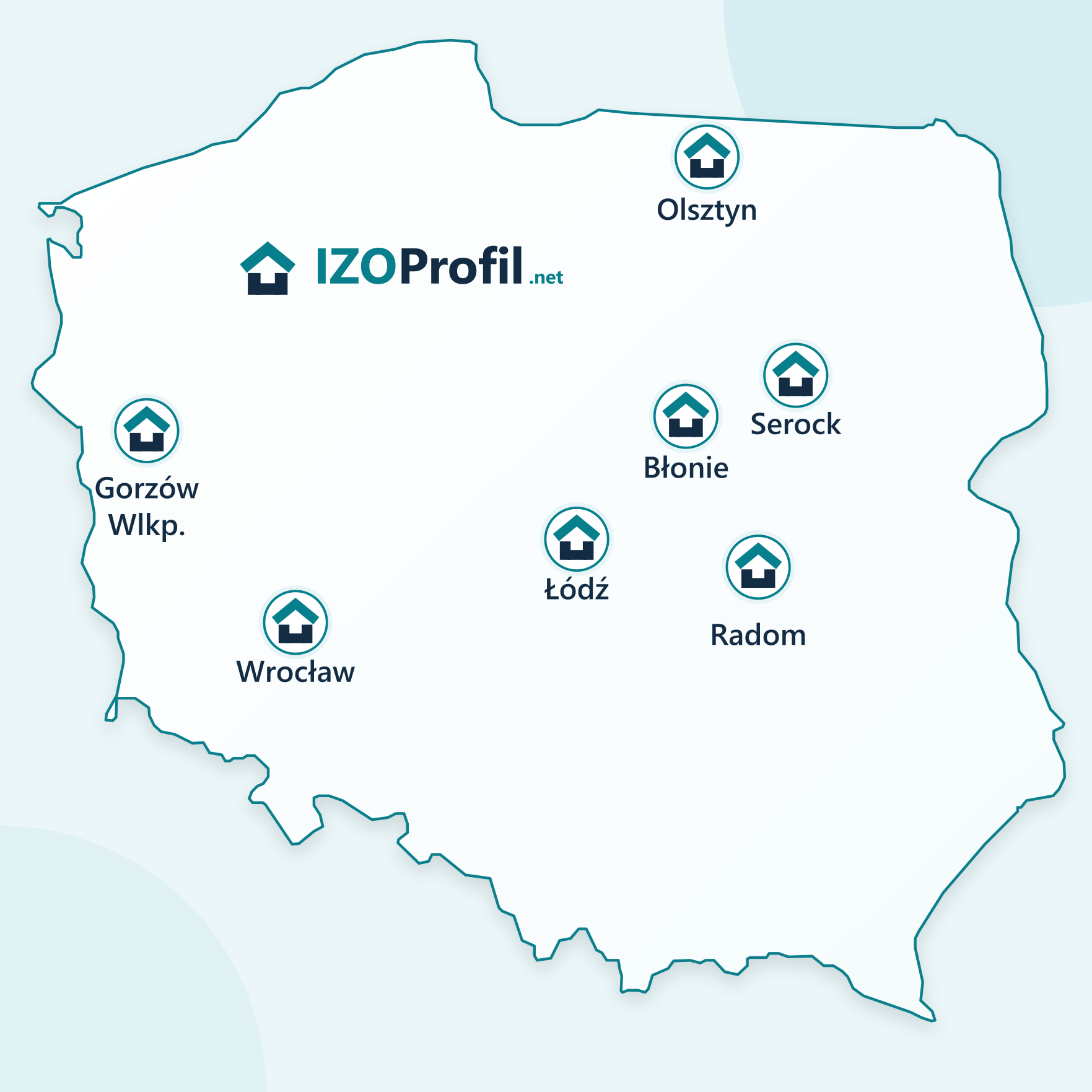
- SEROCK — Dzierżenin 34 E
- BŁONIE — ul. Sochaczewska 138A
- RADOM — ul. Grobickiego 8
- ŁÓDŹ — Natolin 8
- OLSZTYN — Barczewo, ul. Prosta 9
- WROCŁAW — ul. Jerzmanowska 10C
- GORZÓW WLKP. — ul. Zielona 33/34